Mom's Best Recipes
Recipe

Perfect Prime Rib Recipe

Juicy, tender prime rib with a crisp, garlicky crust and thermometer-first timing tips that actually earn the word “foolproof.” This is the holiday-level roast that still feels doable in a normal home oven.

Author By Matt Campbell
4.9
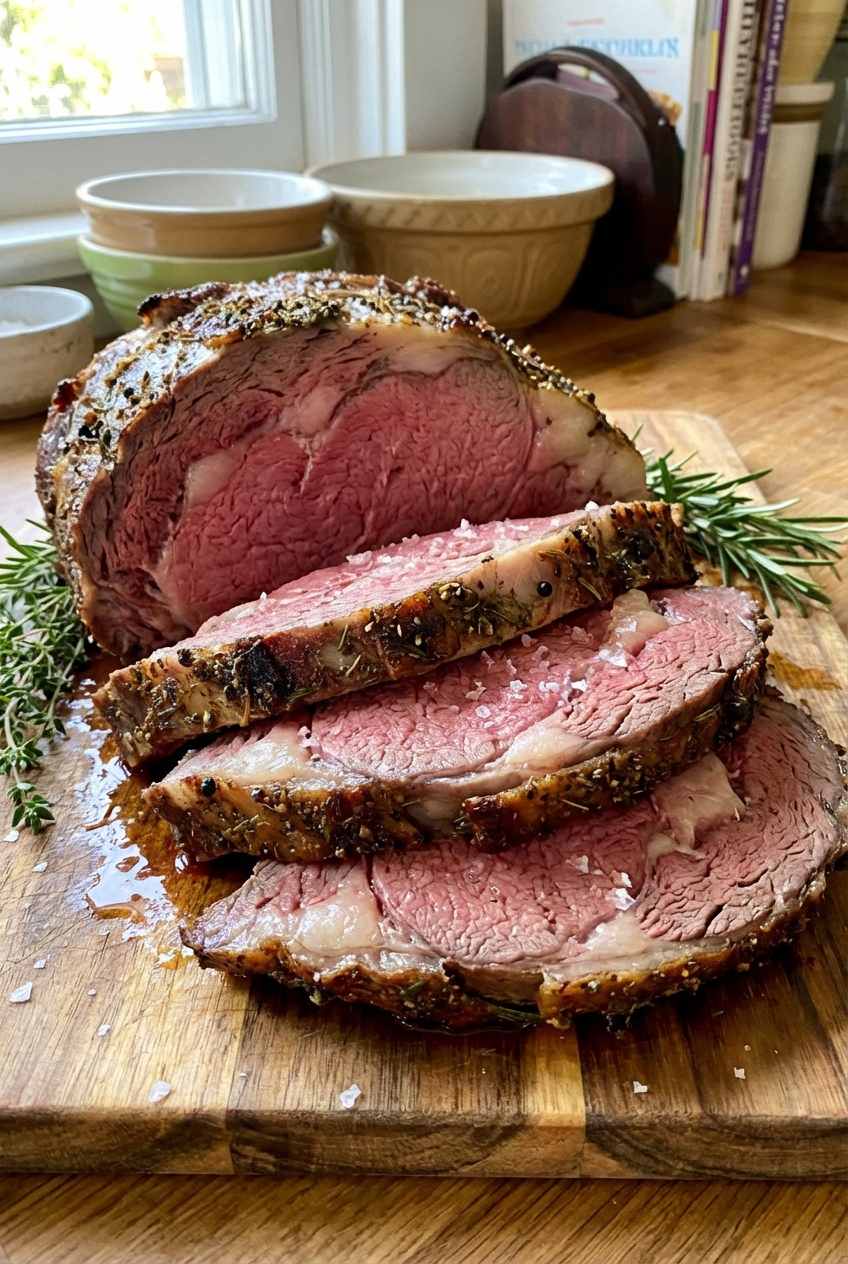
A golden-brown prime rib roast on a cutting board with sliced medium-rare pieces and rosemary

Prime rib has a reputation. It is the big, fancy roast that makes people whisper things like “don’t mess it up” while you are just trying to live your life and preheat an oven.

Here is the good news: prime rib is not complicated. It is just a thick, beautiful piece of beef that wants two things: consistent heat and time to rest. Do that, and you get the kind of slice that is rosy in the center, juicy all the way through, and capped with crisp, salty edges that disappear suspiciously fast.

This recipe uses a simple herb-garlic rub and a two-stage roasting method for a browned crust and a tender interior. I’m also giving you the timing guardrails, thermometer targets, and the little “save the day” moves, like what to do if dinner is running early.

Close-up photo of sliced prime rib showing a pink center and browned crust

Why It Works

  • Juicy results, not guesswork: we cook to temperature, not to vibes. A meat thermometer is the real MVP here.
  • Crust without overcooking: a hot start builds color, then we lower the heat so the interior cooks gently.
  • Even doneness: taking the chill off helps the roast cook more evenly from edge to center (and if you skip it, you just bake a little longer).
  • Resting does the heavy lifting: a proper rest keeps the juices in the meat where they belong, not on your cutting board.

Pairs Well With

Storage Tips

Cool it fast: Get leftover prime rib into the fridge within 2 hours. Slice what you will eat in the next day or two, and keep the rest as a larger chunk so it stays juicier.

  • Refrigerator: store in an airtight container for up to 4 days.
  • Freezer: wrap tightly in plastic wrap, then foil, and freeze up to 2 months for best quality.

Reheating without drying it out: Put slices in a baking dish with a splash of beef broth. Cover with foil and warm at 275°F until just heated through, usually 10 to 20 minutes. Or go the sandwich route and rewarm slices briefly in au jus.

Leftover ideas: French dip sandwiches, steak and eggs, prime rib fried rice, or a very smug beef and barley soup.

Common Questions

What internal temperature should prime rib be cooked to?

Pull it from the oven at these temperatures, then let it rest. The temperature will usually climb about 5°F to 10°F while resting (very large roasts can climb a bit more), so use these as guides, not a dare.

  • Rare: pull at 115°F to 120°F, rest to about 125°F to 130°F
  • Medium-rare: pull at 125°F, rest to about 130°F to 135°F
  • Medium: pull at 135°F, rest to about 140°F to 145°F
  • Well-done: pull at 150°F, rest to about 155°F to 160°F (I do not recommend it, but I respect your journey)

Where do I put the thermometer?

Insert it into the center of the thickest part of the roast. Avoid touching bone and avoid obvious fat pockets. For big roasts, check 2 to 3 spots before you pull it, because the center is not always a single, perfect point of truth.

How much prime rib per person?

Plan on 1 pound per person for bone-in, or 3/4 pound per person for boneless. If your crew is more “big eaters and leftovers,” stick with 1 pound either way.

Bone-in or boneless?

Bone-in cooks a touch more evenly and looks dramatic. Boneless is easier to carve. Both are great. If you buy bone-in, ask the butcher to cut the bones away and tie them back on. You get the best of both worlds.

Do I really need to let it sit out before roasting?

If you can, yes. Letting it sit out for 1 to 2 hours just takes the edge off the chill and helps it cook a bit more evenly. If you are short on time, you can skip it and simply expect a little more time in the oven. Keep it under 2 hours at room temp.

What if my prime rib is done early?

Do not panic. Tent it with foil and let it rest, then hold it warm in a 150°F to 170°F oven (or “Warm” setting). If your oven runs hot, crack the door slightly. For longer holds, you want the internal temp to stay above 140°F, and you want to avoid slowly cooking it into medium-well sadness. If the internal temp starts creeping up fast, take it out and let it sit at room temp for a bit instead.

How do I make au jus from drippings?

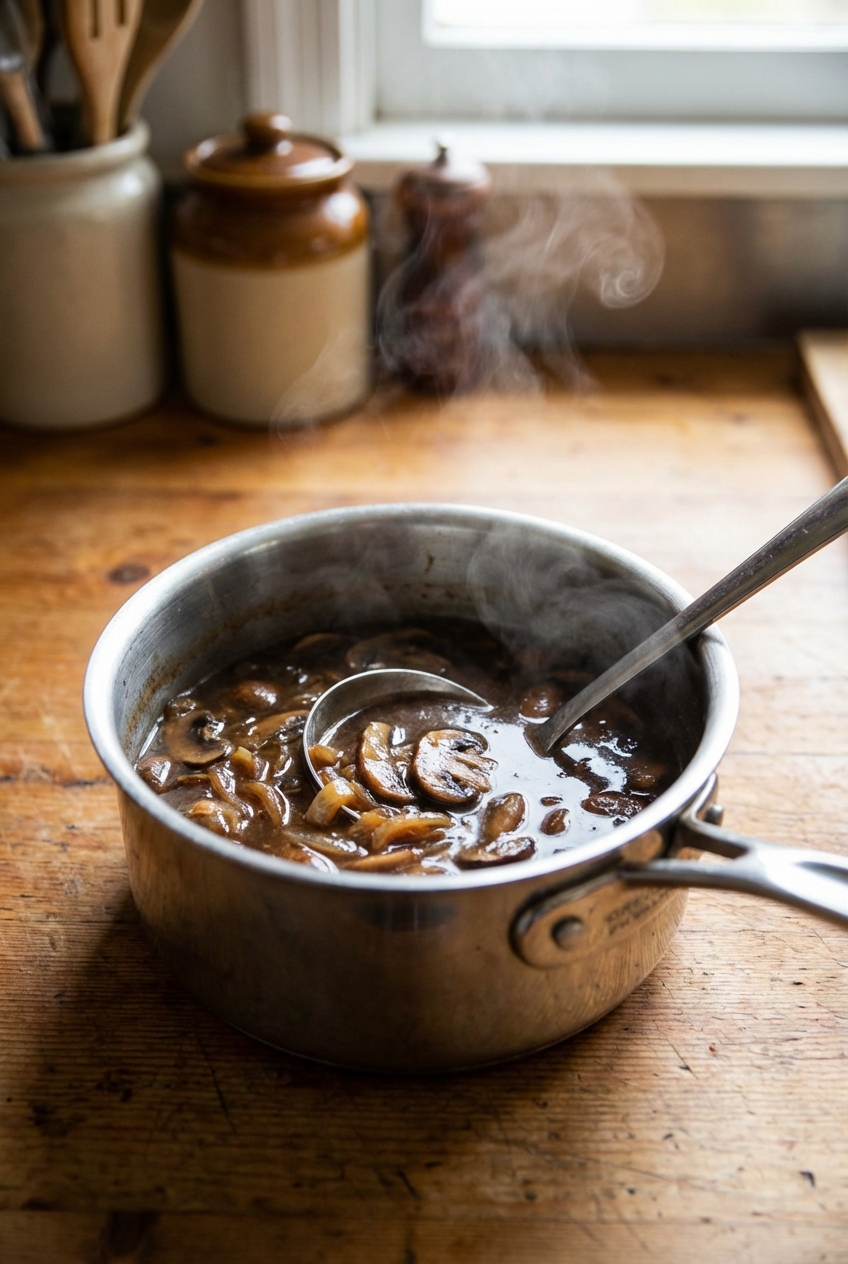
Skim off excess fat, then simmer the drippings with beef broth. Scrape up the browned bits. Taste, then add a splash of Worcestershire or a squeeze of lemon if it needs brightness.

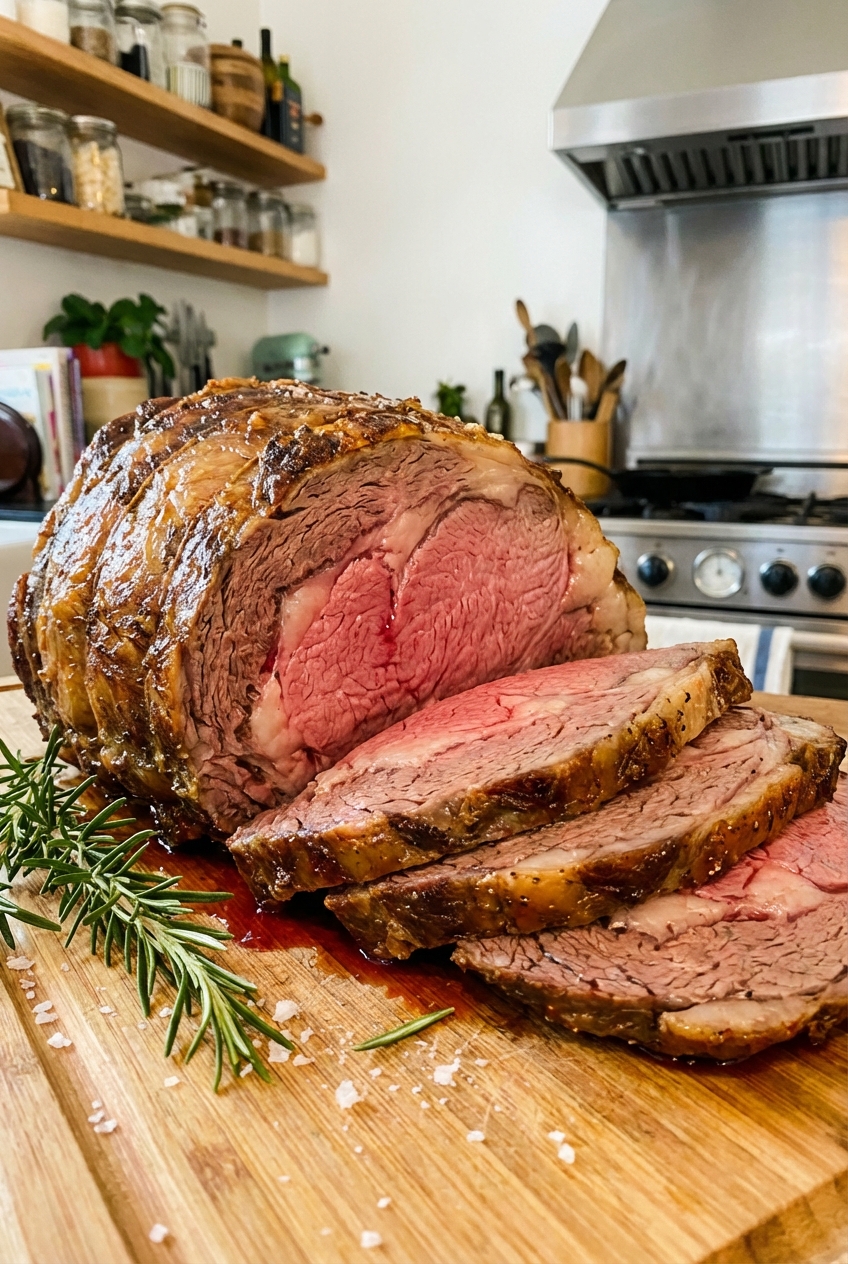
The first time I made prime rib for a group, I treated it like a high-stakes exam. I read way too much, I second-guessed everything, and I opened the oven door like it owed me money. Then I finally did the one thing I should have done from the start: I trusted the thermometer and let the roast rest.

When I sliced into it and saw that perfect pink center, I had that rare cooking moment where you feel calm and powerful at the same time. Now prime rib is my favorite kind of “fancy,” because the method is simple and the payoff is loud. Crisp edges, juicy slices, and everyone suddenly offering to help with dishes. Incredible.