Mom's Best Recipes
Recipe

Perfect Soft-Boiled Eggs

Set whites, jammy yolks, and a peel that does not ruin your morning.

Author By Matt Campbell
4.8
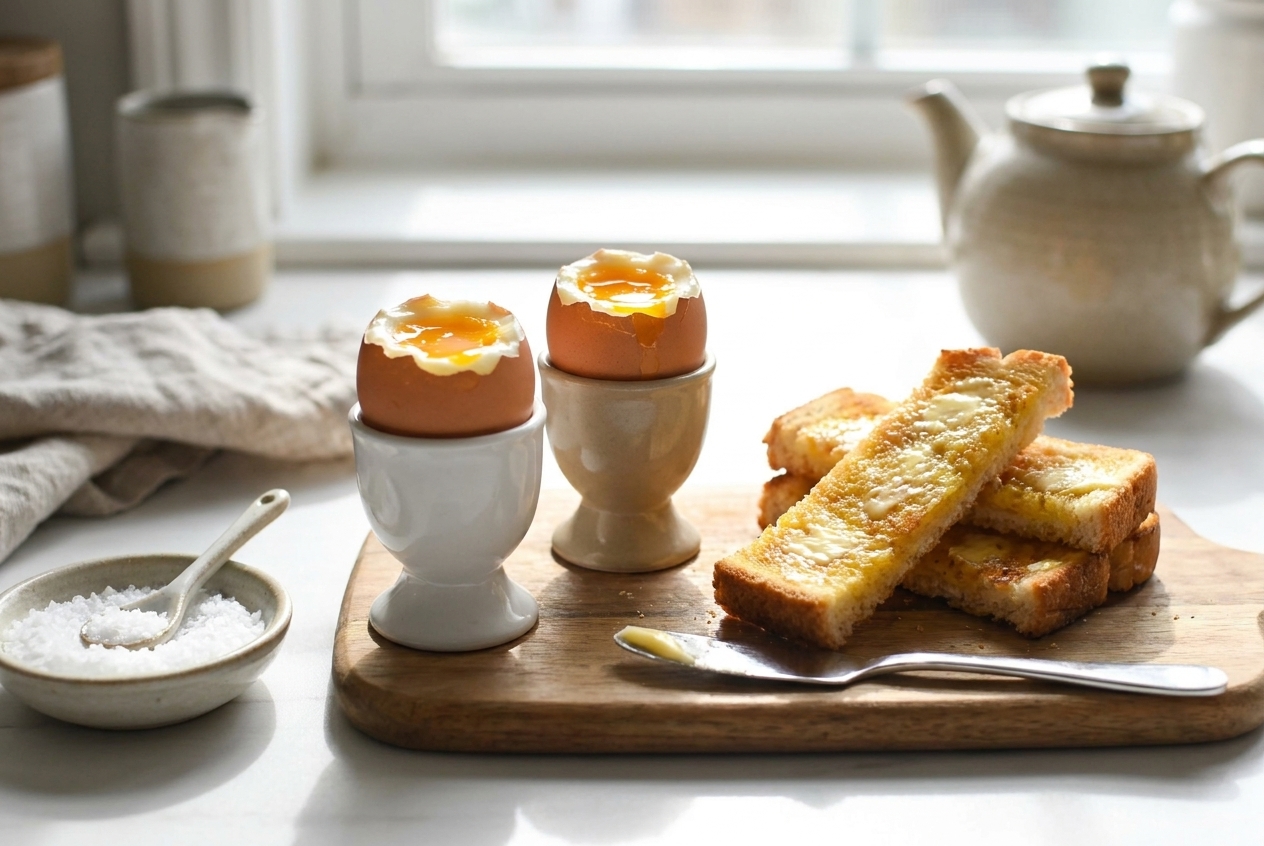
Two soft-boiled eggs in egg cups with jammy yolks, served with buttered toast soldiers on a bright kitchen table

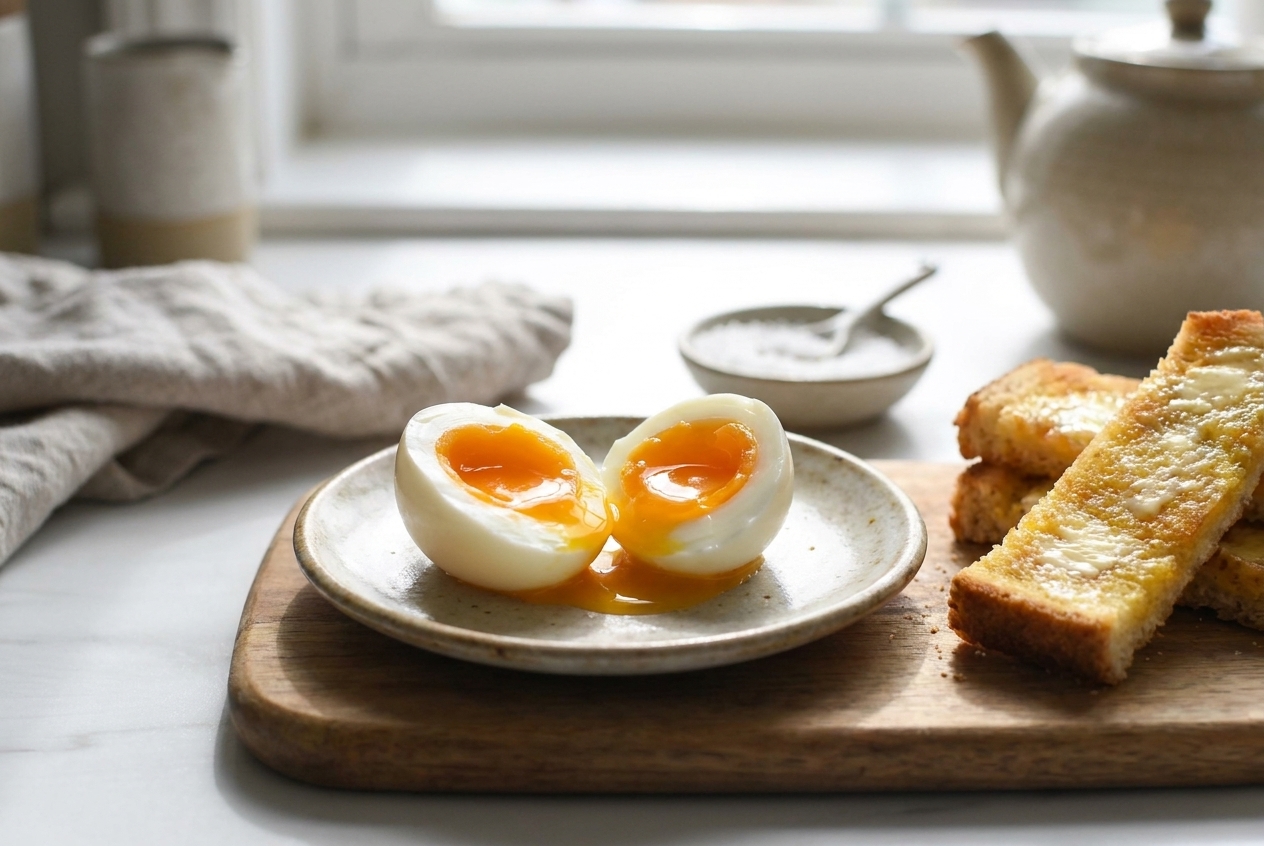
Soft-boiled eggs are one of those tiny kitchen flexes that feel fancy, but take less time than making coffee. The goal is simple: fully set whites with a warm, jammy yolk that spills into toast, rice, noodles, or whatever you are currently obsessed with.

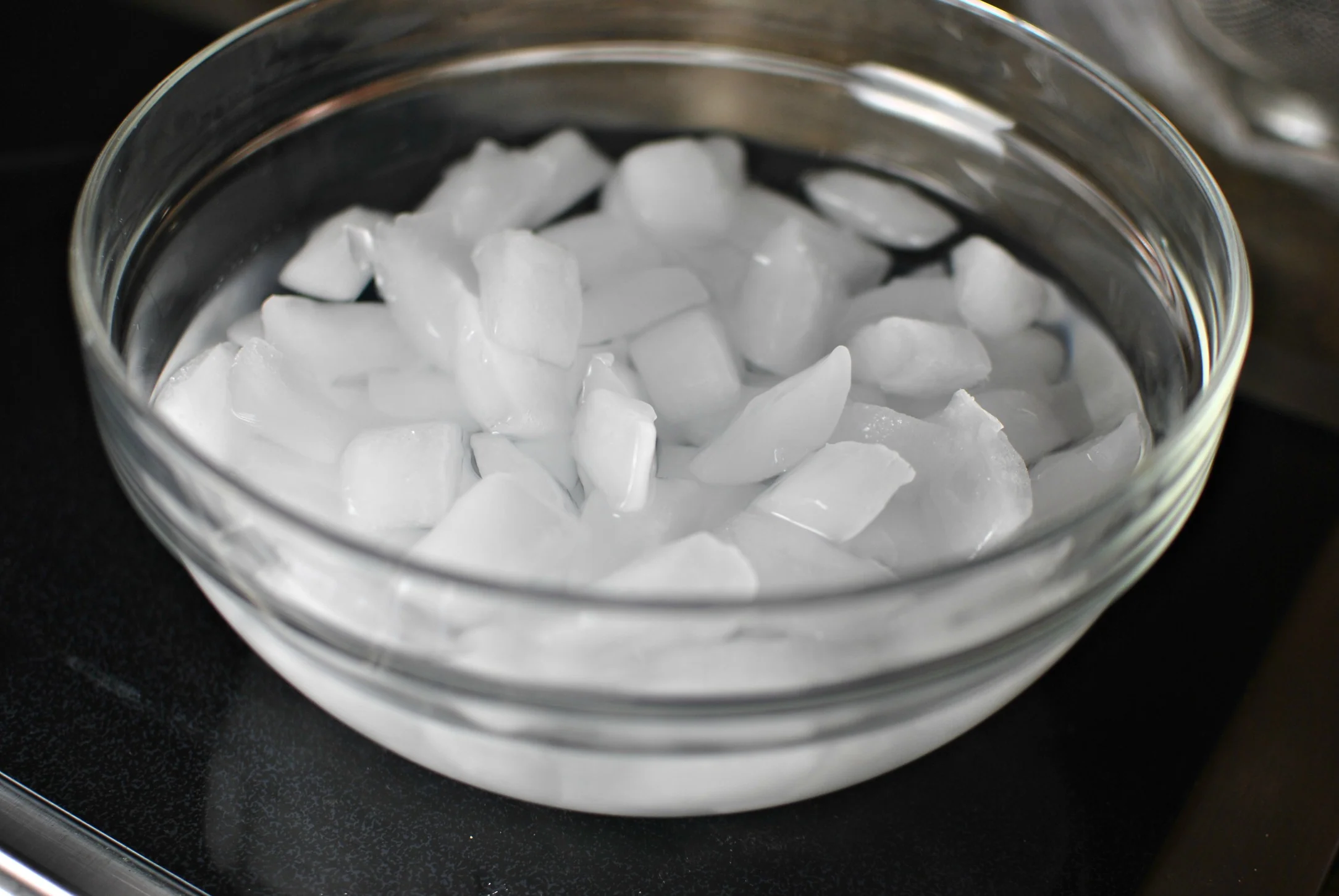
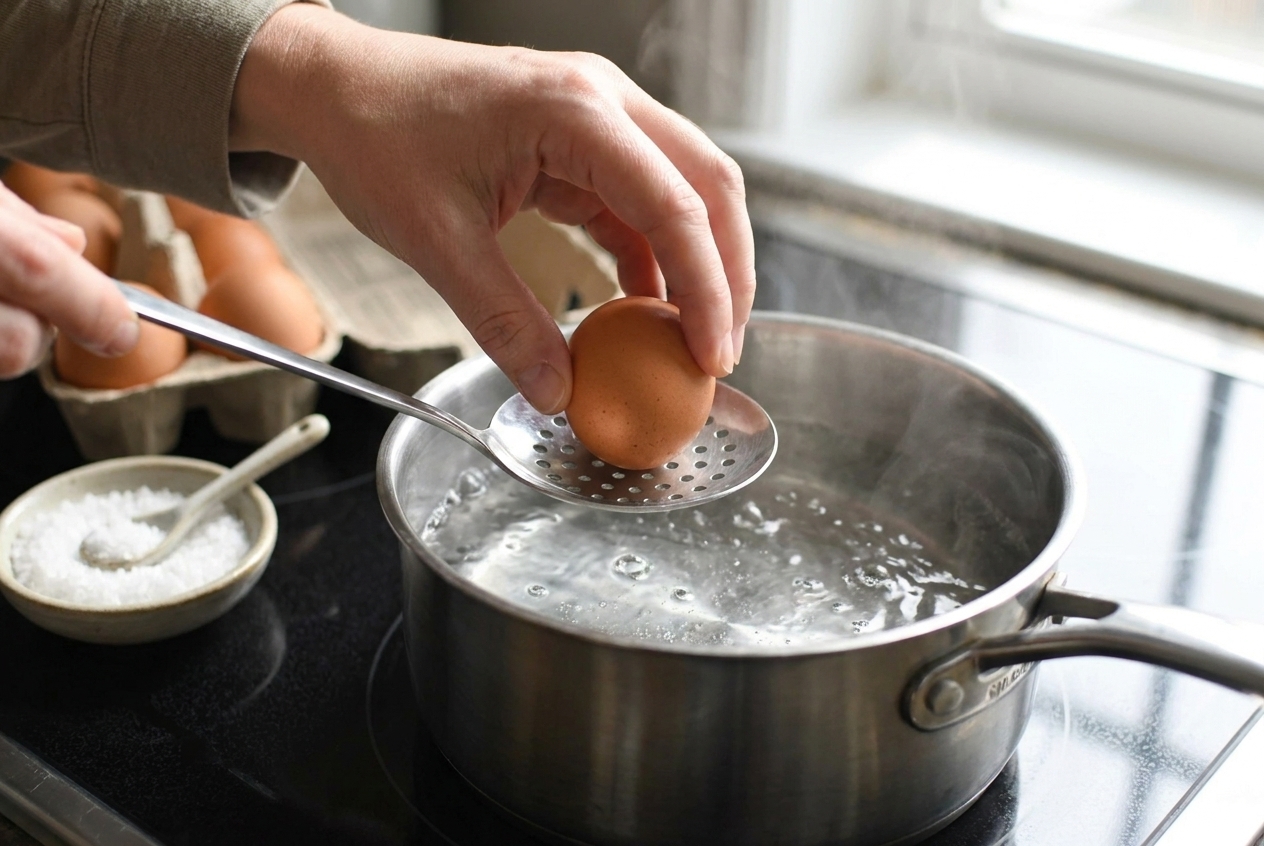
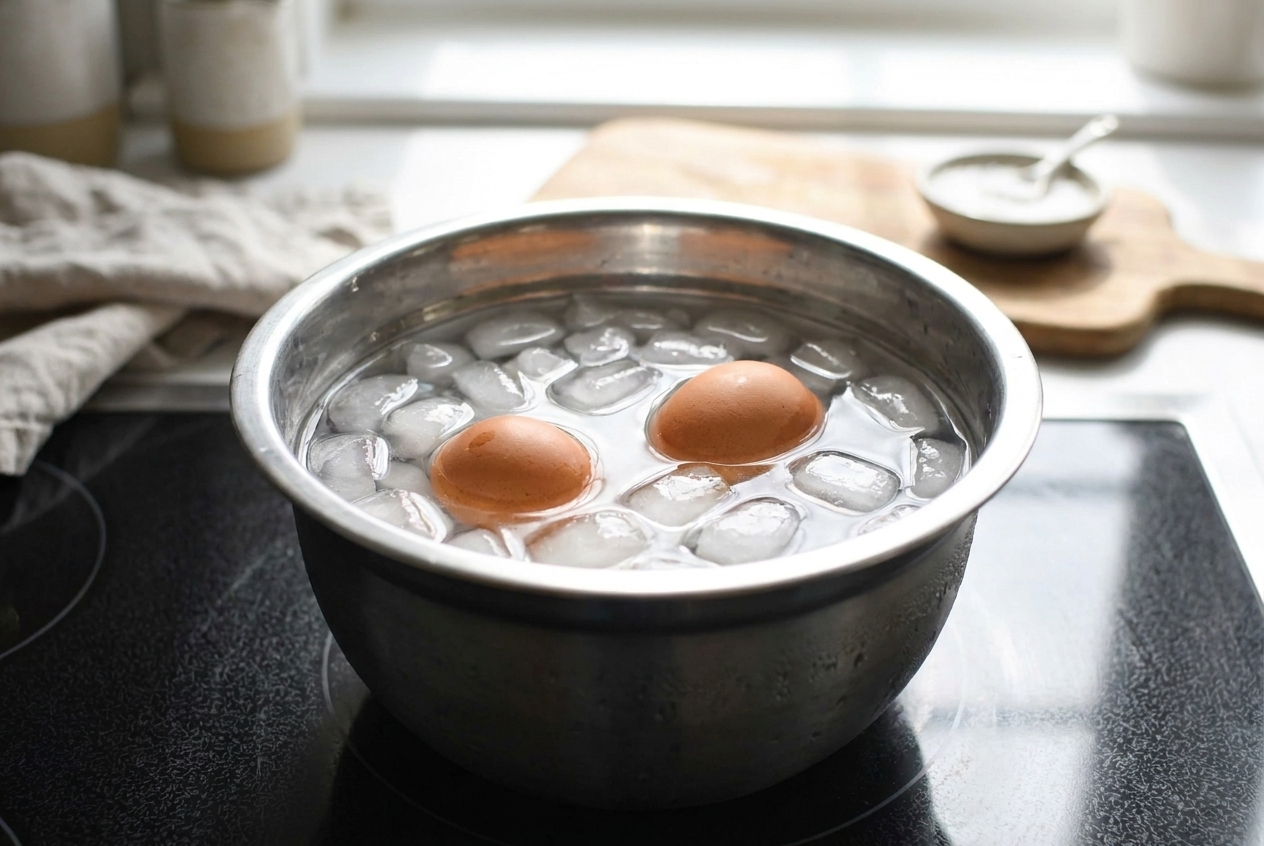
This method is my ride-or-die because it is repeatable. No weird gadgets required, just a pot, a timer, and one key move: a cold-water bath that stops the cooking fast so you do not accidentally drift into hard-boiled territory.

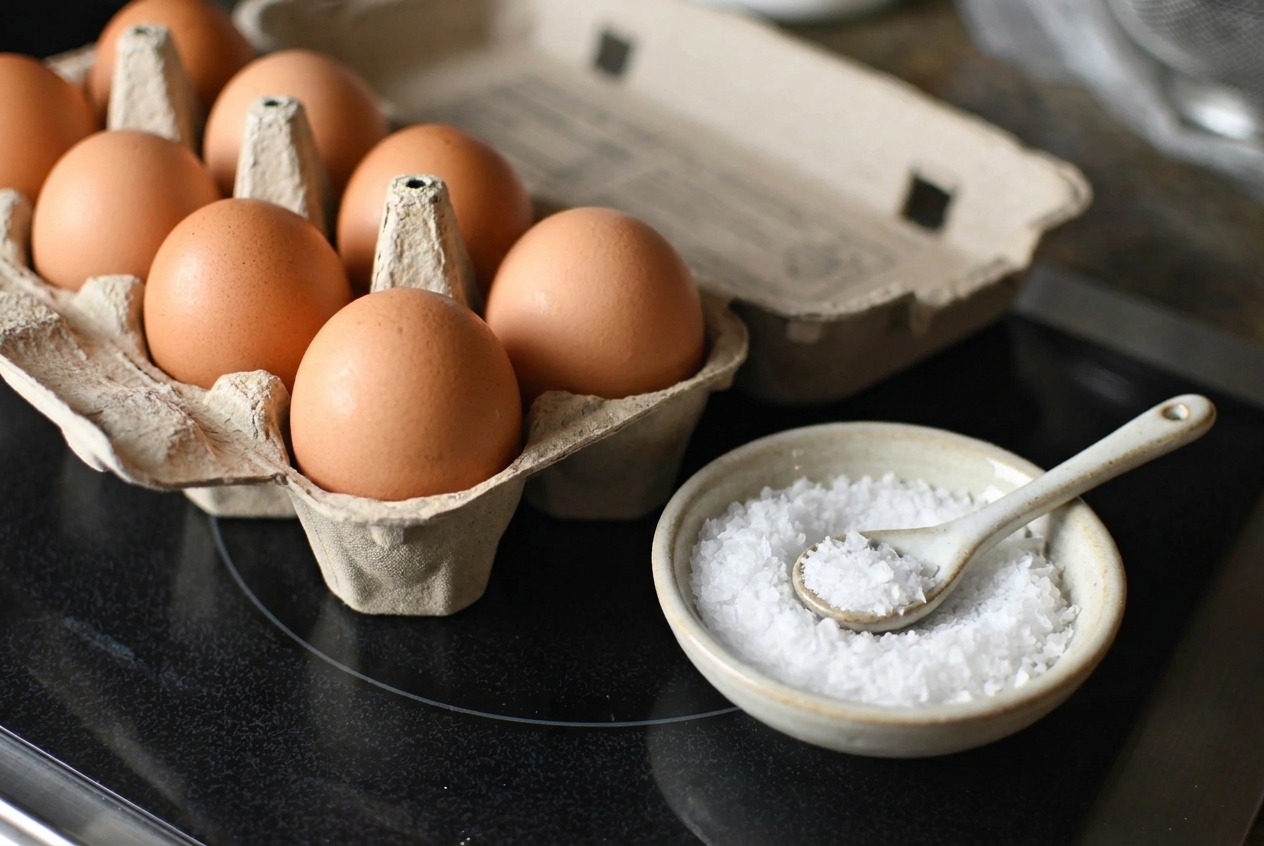
A carton of large eggs sitting on a clean kitchen counter next to a small bowl of flaky salt

Why It Works

  • Consistent texture: A gentle simmer helps keep the whites tender, not rubbery.
  • Jammy yolk control: Timing plus an ice bath locks in that custardy center.
  • Easier peeling: A quick shock in cold water often helps. Cracking and rolling before peeling makes a big difference.
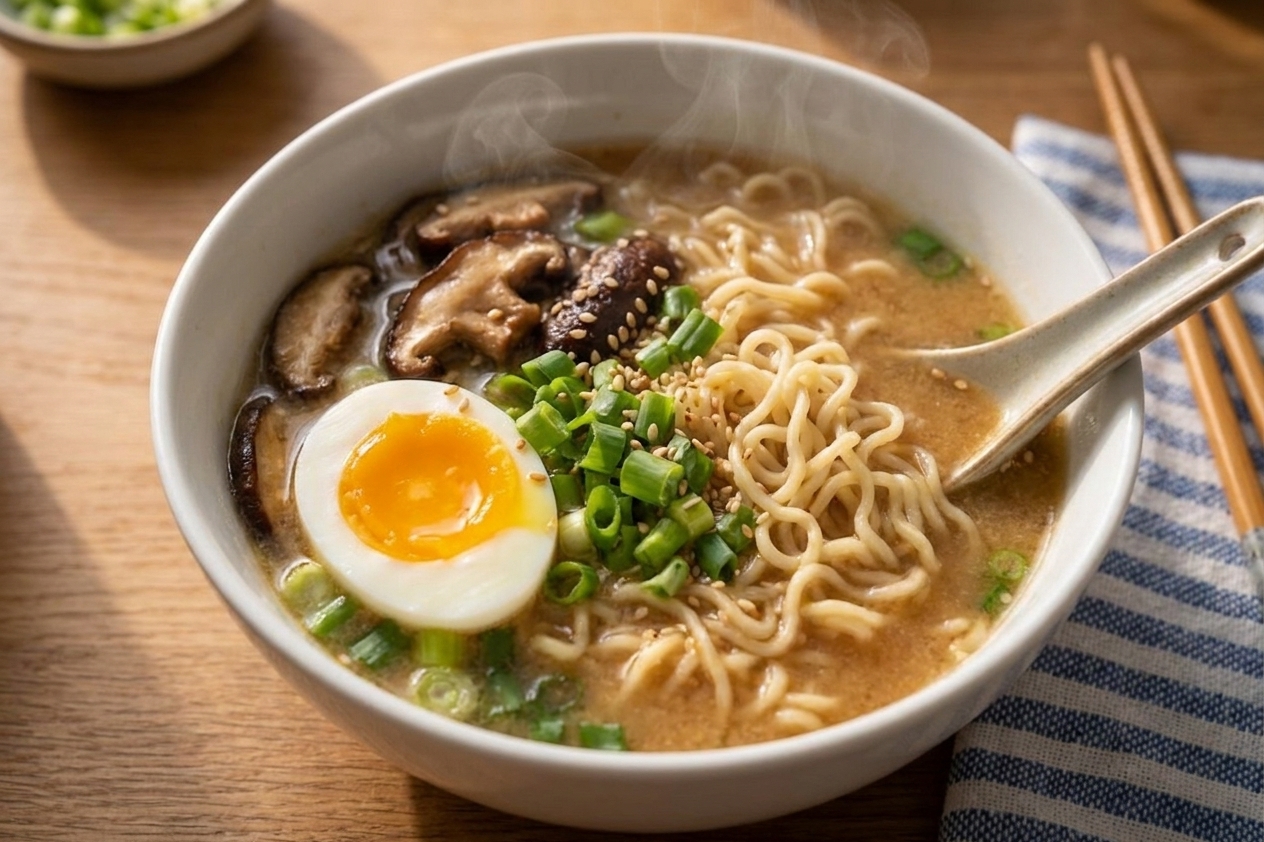
  • Flexible: Works for breakfast toast, ramen topping, grain bowls, salads, and snack plates.

Pairs Well With

Storage Tips

Soft-boiled eggs are best right after cooking, but you can absolutely make them ahead.

Food safety note: Chill eggs promptly (ice bath first), then refrigerate at 40°F/4°C or below. If you are serving kids, pregnant people, older adults, or anyone immunocompromised, consider cooking the yolks a bit firmer.

In the fridge

  • Unpeeled: Store in a covered container up to 2 days. Keep them unpeeled for better texture and less fridge smell.
  • Peeled: Store up to 1 day in a small container with a damp paper towel to prevent drying out.

Reheating

  • To warm without overcooking: place eggs in a mug and cover with hot (not boiling) water for 2 to 3 minutes.
  • Avoid microwaving. It can create hot spots and the egg can burst, which is both dramatic and annoying.

Troubleshooting

  • Whites not set: Add 15 to 30 seconds next time, and make sure the water returns to a gentle simmer quickly after adding eggs.
  • Yolk too firm: Shave off 15 to 30 seconds, or start with fridge-cold eggs instead of room-temp.
  • Shells cracking in the pot: Lower eggs in gently with a spoon and keep the water at a gentle simmer, not a raging boil.
  • Eggs float: They are older. They are often still usable, but they can be trickier to peel and are best cooked a bit more firmly.

Common Questions

How long do you soft-boil an egg?

For large eggs straight from the fridge, I like 6 1/2 minutes for a jammy yolk and set whites. If you want it looser and more dippy, go 6 minutes. If you want it more set but still soft, go 7 minutes.

Quick reality check: timing can vary with altitude, egg size, and how fast your pot gets back to a simmer after you add the eggs. If your eggs land slightly off, adjust by 15 to 30 seconds next time.

Do you start eggs in cold water or boiling water?

I recommend lowering eggs into gently simmering water because timing starts immediately and results are more consistent. Starting in cold water can work, but your timing changes depending on your stove and pot.

Why are my soft-boiled eggs hard to peel?

Usually it is one of three things: the egg was super fresh, you skipped the cold-water bath, or you started peeling without cracking the shell all over first. Shock the eggs in cold water, then crack all over and roll to break the shell into lots of tiny fractures. Start peeling from the wider end where the air pocket usually is.

The cold-water bath often helps, but peeling is also heavily influenced by egg age and how set the whites are.

Can I make soft-boiled eggs for a crowd?

Yes. Just keep the eggs in a single layer as much as possible so they cook evenly, and use a big enough pot so the water returns to a simmer quickly after you add them.

How do I know the yolk will be jammy?

Timing is your best tool. If you want to double-check, sacrifice one egg and cut it open after chilling for 1 minute. Once you hit your ideal texture, you have your personal “perfect time” for that pot and stove.

Soft-boiled eggs were one of my first “wait, I can do this at home” wins. In my early cooking days, I treated eggs like a vibe, not a measurement. Sometimes they were perfect, sometimes they were basically chalk. Once I started using a timer and a cold-water bath, it clicked. Now this is my favorite low-effort, high-reward move for breakfast, ramen nights, and those snacky dinners where you just need something warm and satisfying, fast.