Mom's Best Recipes
Recipe

Perfect Top Sirloin Steak

Juicy, boldly seasoned top sirloin with two foolproof methods: pan-seared or grilled. Includes doneness temps, pull temps, rest times, slicing tips, and a quick sauce.

Author By Matt Campbell
4.8
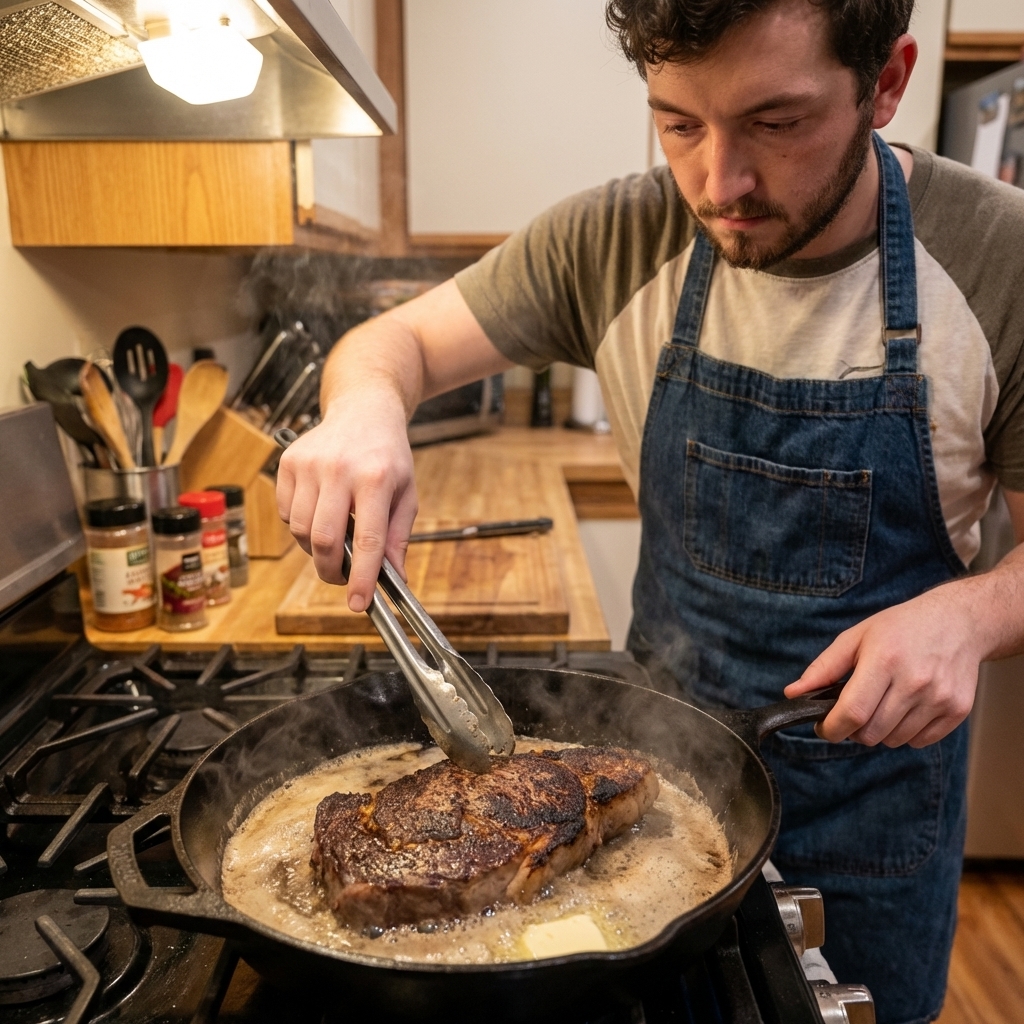
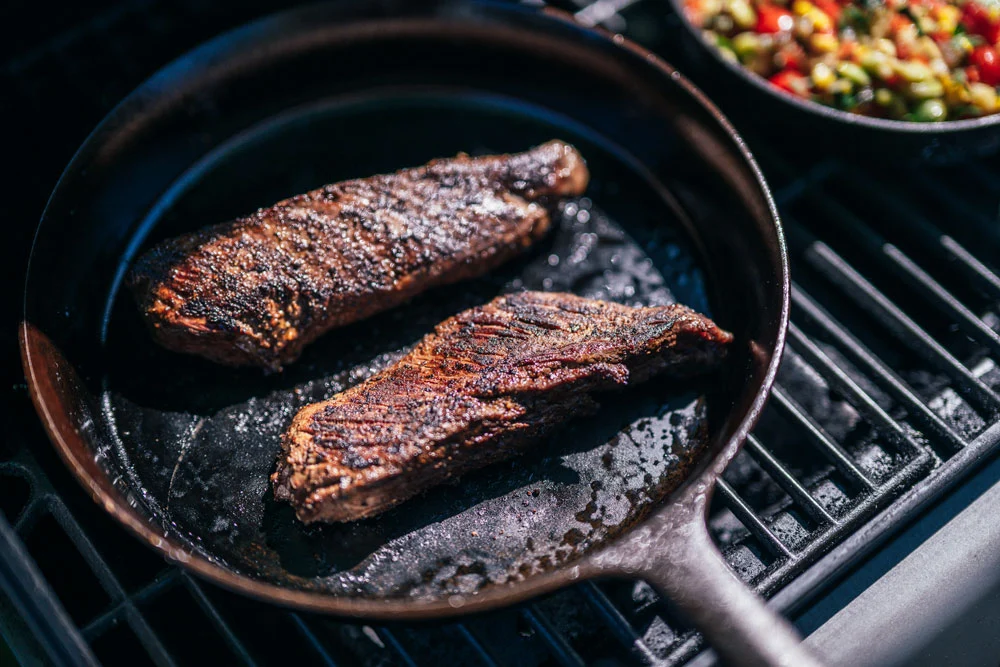
A thick top sirloin steak sizzling in a cast iron skillet with browned crust and foaming butter, realistic kitchen photograph

Top sirloin is the weeknight steak I reach for when I want real steak vibes without ribeye pricing. It's leaner than some cuts, but it can still be seriously juicy if you treat it like it deserves: salt early, cook hot, and let it rest. That's it. The rest is just you trying not to eat it straight off the cutting board.

Below you'll get two solid paths to greatness: pan-seared (crisp edges, fast, perfect for a quick pan sauce) and grilled (smoky, simple, backyard energy). I also included doneness temps (plus pull temps), common mistakes, and easy sides that make this a no-drama dinner.

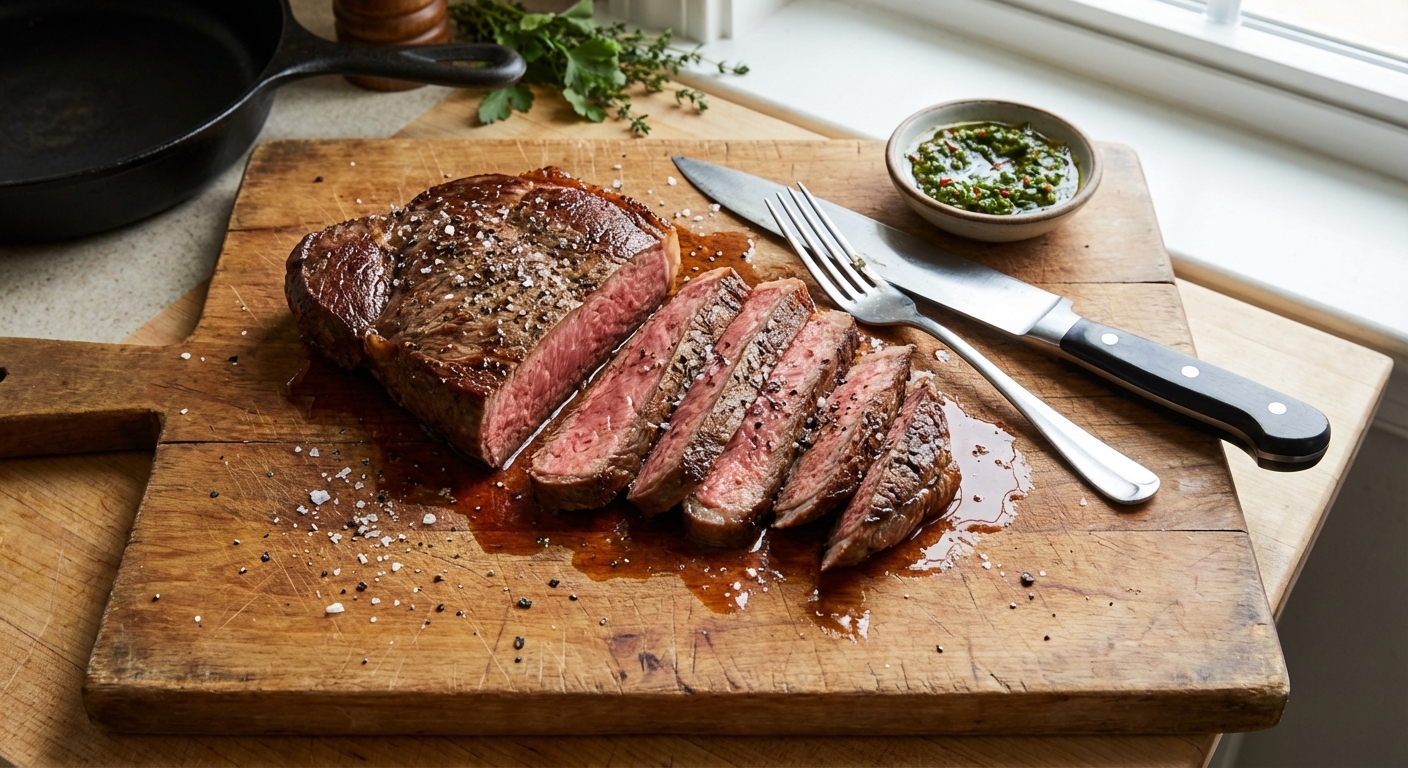
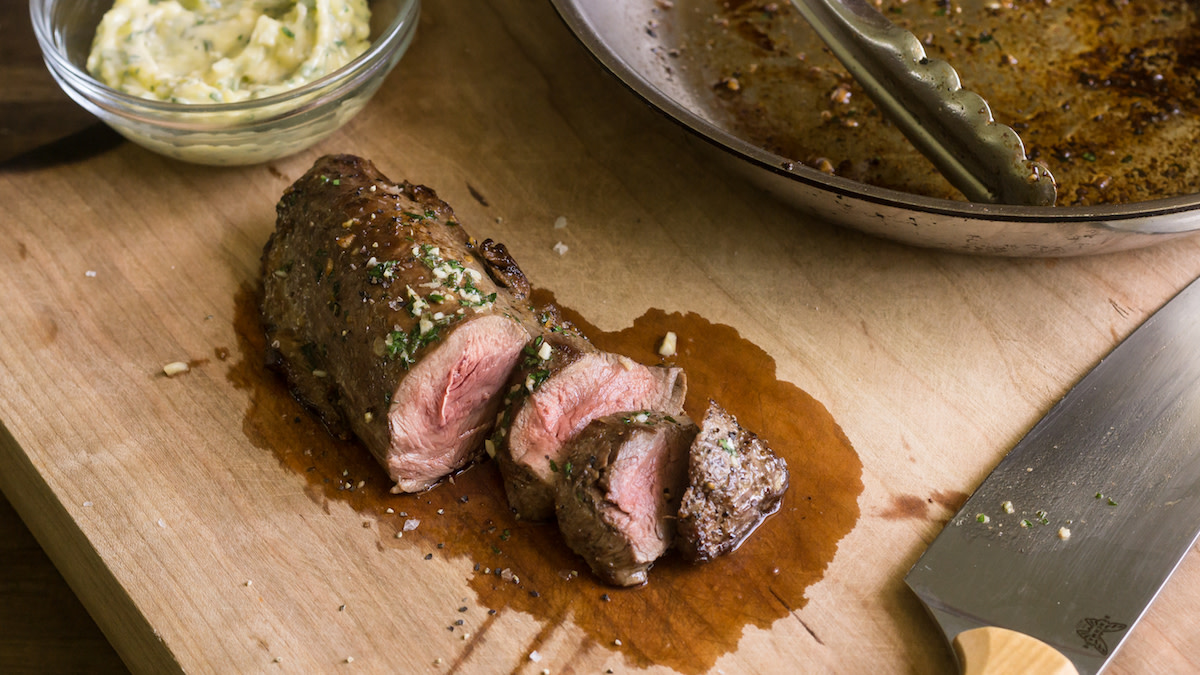
Top sirloin steak sliced against the grain on a wooden cutting board with juices pooling lightly, realistic food photograph

Why It Works

  • Juicy interior: Salting ahead of time improves seasoning and helps the steak retain moisture.
  • Crisp, browned crust: High heat plus a dry surface equals the kind of sear you can hear.
  • No guesswork doneness: You'll cook to temperature, not vibes.
  • Restaurant finish: A quick pan sauce or compound butter makes top sirloin taste like you did something fancy on purpose.

Pairs Well With

Storage Tips

How to Store Leftover Steak

  • Cool fast: Let steak cool just until it's no longer steaming, then refrigerate. Don't leave it out longer than 2 hours, or 1 hour if it's above 90°F.
  • Refrigerate: Store in an airtight container for 3 to 4 days.
  • Freeze: Wrap tightly, then place in a freezer bag. For best quality, use within 2 to 3 months. It's typically safe longer (often 4 to 12 months if continuously frozen), but quality drops over time.
  • Reheat without drying out: Warm slices in a skillet with a splash of broth or water over low heat, just until heated through. Or eat it cold in a salad, which is honestly a power move.

Common Questions

Doneness and Pull Temperatures

Two numbers matter: the temperature you pull the steak off the heat, and the temperature it finishes at after resting. Carryover cooking varies, and thicker steaks usually rise more.

  • Rare: Pull 115 to 120°F, finish 120 to 125°F
  • Medium-rare: Pull 125°F, finish 130 to 135°F
  • Medium: Pull 135°F, finish 140 to 145°F
  • Medium-well: Pull 145°F, finish 150 to 155°F
  • Well-done: Pull 155°F+, finish 160°F+

My take: For top sirloin, I like medium-rare to medium for the best balance of tenderness and flavor.

Food safety note: USDA guidance for whole cuts is 145°F with a 3-minute rest. Many people choose lower doneness temps; if you are pregnant, immunocompromised, or serving someone who is, stick with the USDA recommendation.

How long should steak rest?

Rest 5 to 10 minutes for typical sirloin steaks (about 1 inch thick). For thicker steaks, go 10 to 12 minutes. Resting keeps the juices in the meat instead of on your cutting board.

What is the best way to slice top sirloin?

Slice against the grain. Look for the muscle fibers running in one direction, then cut perpendicular to them. Thin slices make top sirloin feel more tender immediately.

Do I need to marinate top sirloin?

You don't need to, but you can. If you want extra tenderness, do a quick marinade with something acidic for 30 minutes max. Longer acidic marinades can make the surface a little mushy. My preferred move is a dry brine (salt ahead of time) plus a buttery finish.

Common mistakes (and how to avoid them)

  • Cooking a wet steak: Moisture is the enemy of browning. Pat it dry before seasoning.
  • Not enough salt: Steak wants more salt than you think. Season generously.
  • Flipping too soon: Let the crust form. If it's sticking, it's not ready yet.
  • Skipping the thermometer: Top sirloin goes from juicy to dry fast. A thermometer makes it boringly consistent.
  • Cutting immediately: If you slice right away, you're basically pouring your steak's moisture onto the board. Rest it.
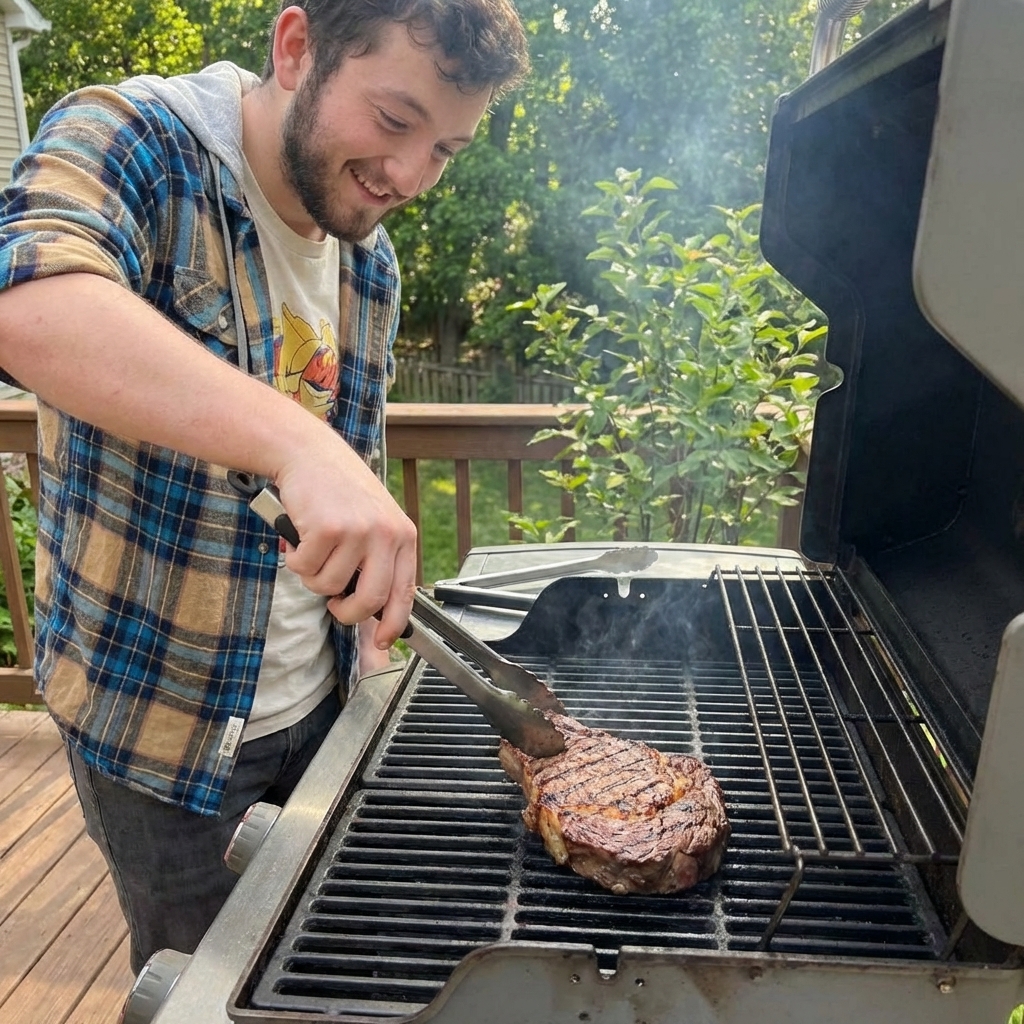
A top sirloin steak searing on a backyard grill over open grates with visible grill marks and light smoke, realistic food photograph

Top sirloin is the steak that taught me humility. The first time I cooked it, I treated it like a ribeye, blasted it, sliced it immediately, and wondered why it felt like chewing on a leather wallet with great flavor. Now I do three things every time: I salt it early, I cook it to temp, and I let it rest while I throw together a quick side. The result is the kind of steak dinner that feels like a win even when the sink is already full.