Mom's Best Recipes
Recipe

Perfect Whole Grain Rice

A reliable, fluffy method for whole grain rice with stovetop and rice cooker options, plus the little tricks that keep it tender, not gummy.

Author By Matt Campbell
4.8
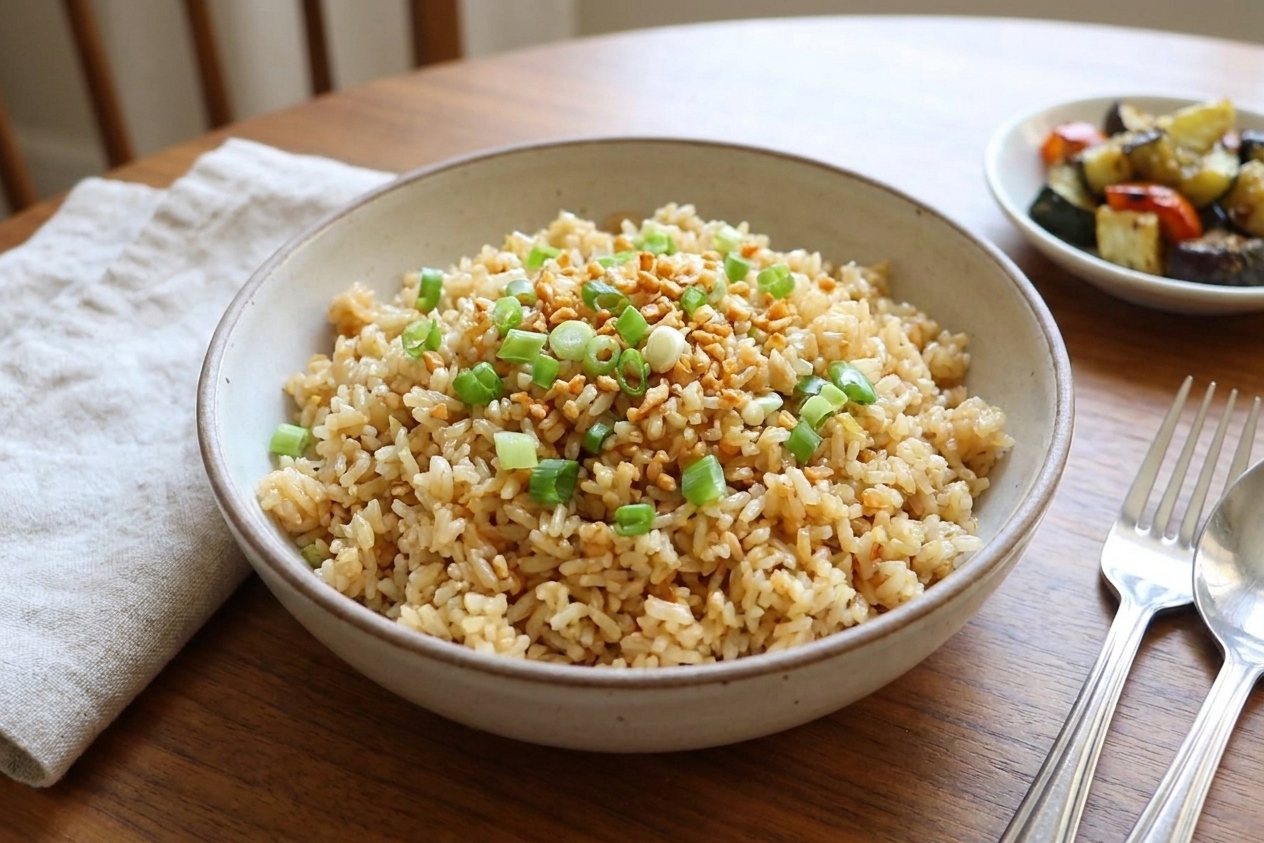
A ceramic bowl filled with fluffy cooked whole grain brown rice on a neutral kitchen counter with soft natural light

Whole grain rice is one of those pantry staples that should be easy, but somehow it loves to test your patience. One day it is perfect and fluffy. The next day it is somehow both crunchy and mushy, which feels personal.

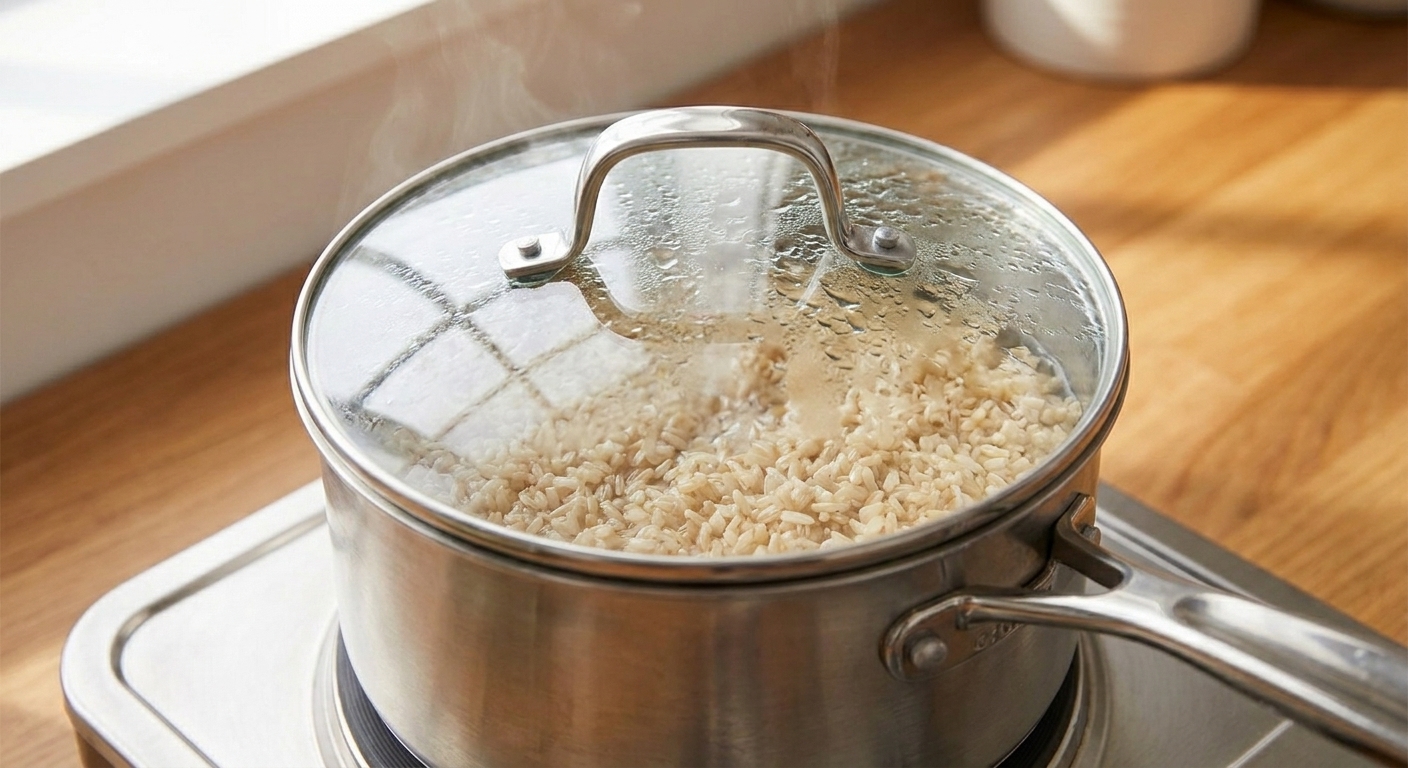
This recipe is my no-drama, weeknight-trusty way to cook whole grain rice (think regular brown rice, not instant). It is nutty, tender, and actually pleasant to eat on its own. The big wins here are rinsing for clean flavor, using a dependable water ratio, and letting it rest off heat at the end so the grains finish like they mean it.

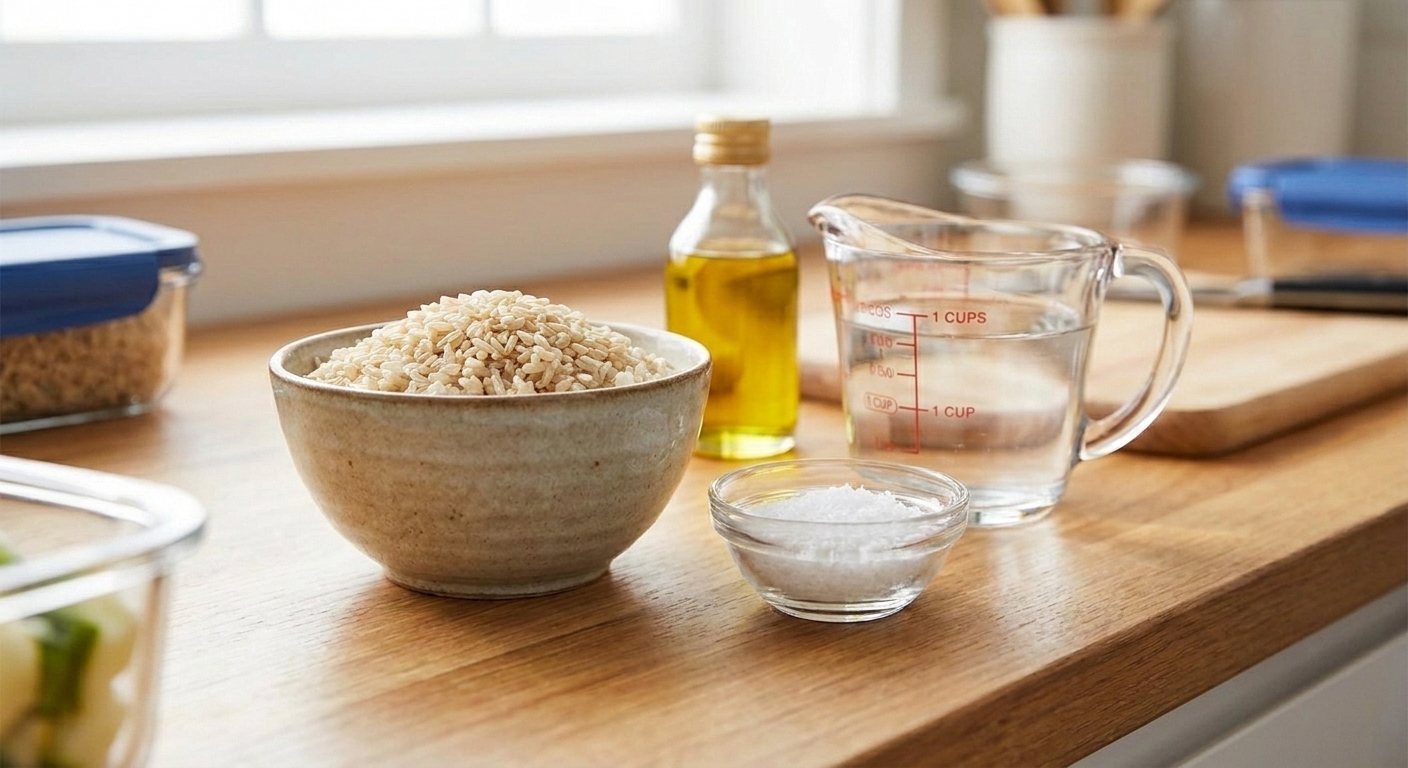
Uncooked whole grain brown rice in a small bowl with salt, olive oil, and a measuring cup of water arranged on a tidy kitchen counter

Why It Works

  • Fluffy grains with bite: simmer low and finish with a covered rest off heat so the centers cook through without turning the outside to paste.
  • Consistent results: a dependable water ratio plus a lid that stays on means fewer surprises (and easy tweaks if your brand runs thirsty).
  • Better flavor for free: a pinch of salt and a little fat (olive oil or butter) makes “plain rice” taste like you tried.
  • Meal-prep friendly: it reheats well and is great cold in salads.

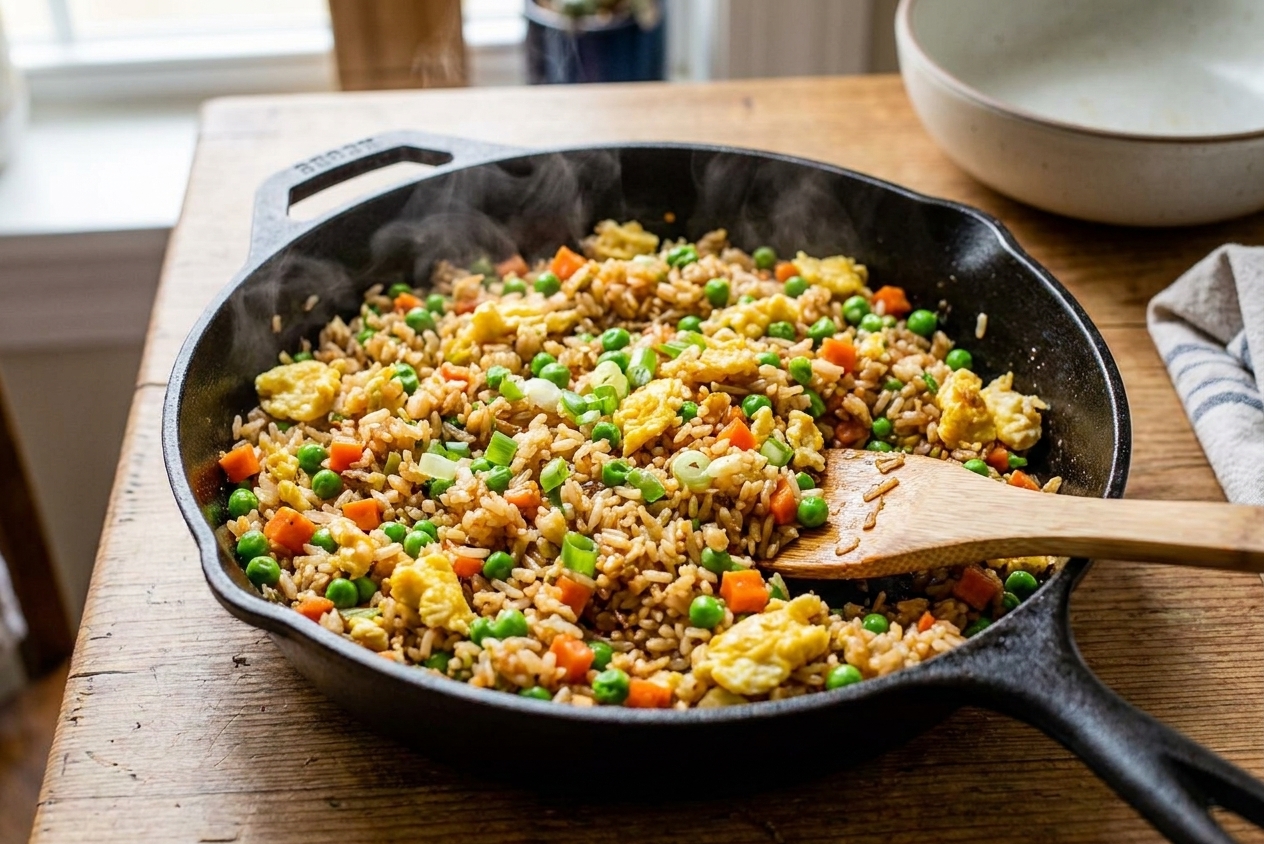
Pairs Well With

Storage Tips

How to Store Whole Grain Rice

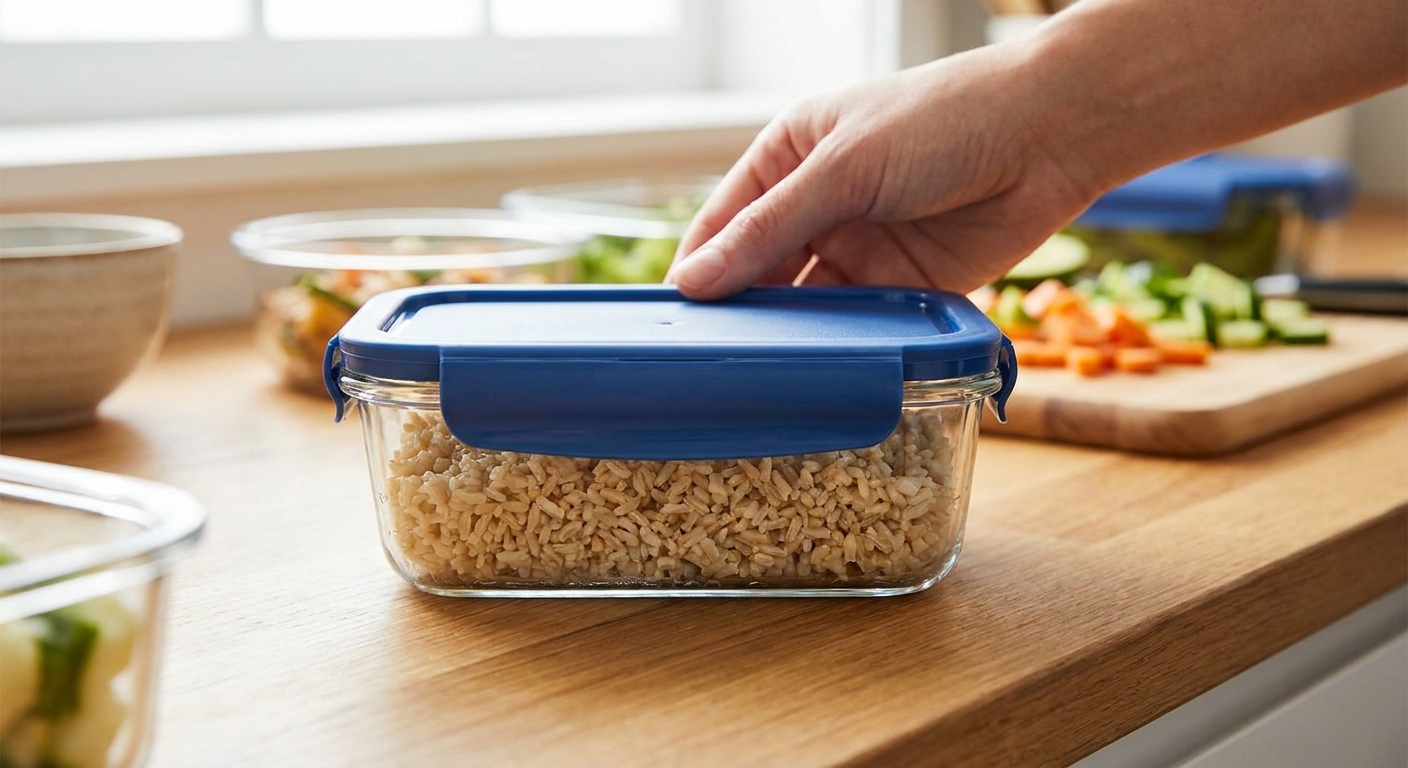
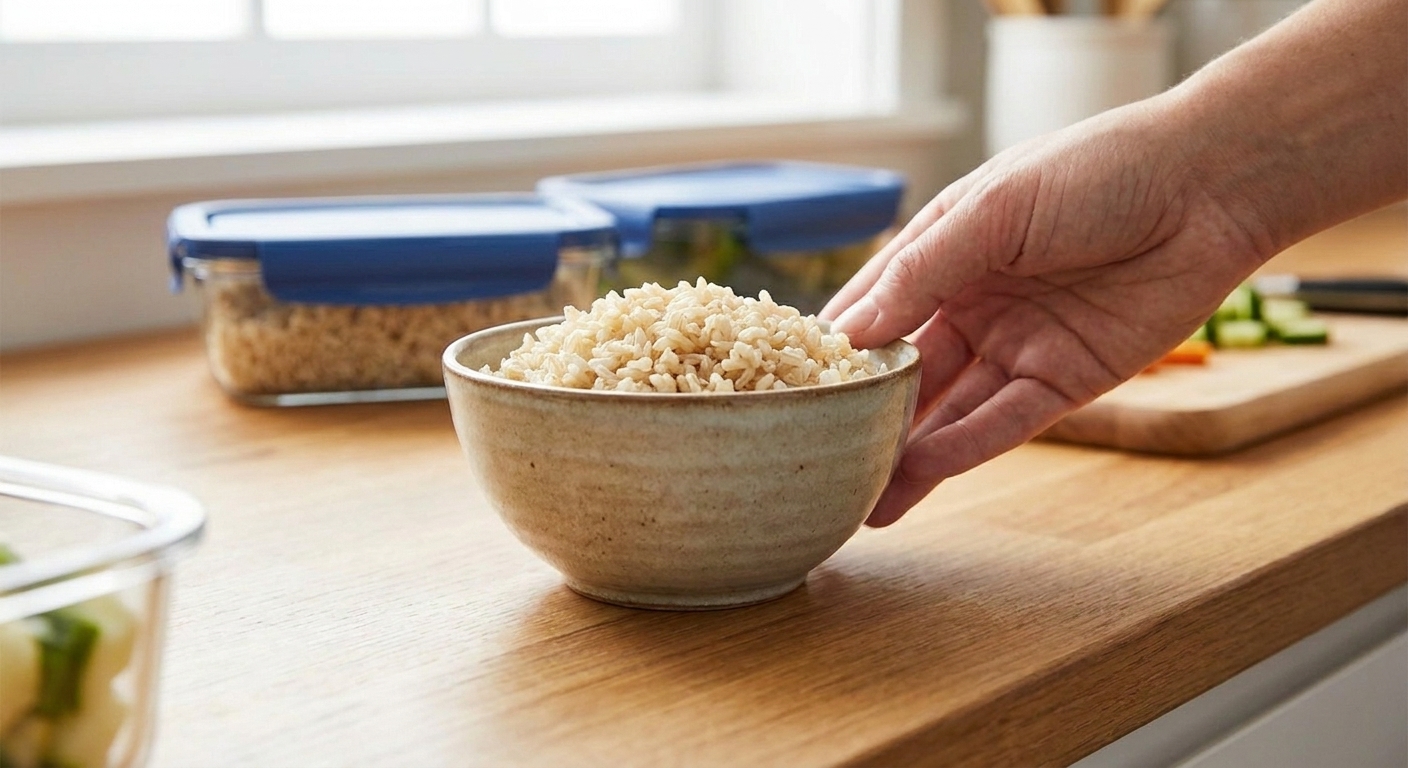
  • Fridge: Cool rice quickly (spread on a sheet pan if you want to be extra) and store in an airtight container for up to 4 days.
  • Freezer: Portion into freezer bags, press flat, and freeze for up to 3 months. Flat bags thaw faster and stack neatly.
  • Reheat: Add a splash of water (1 to 2 tablespoons per cup), cover, and microwave until hot. Or warm in a covered skillet with a little water over medium-low.
  • Food safety note: Do not leave cooked rice out for hours. Get it cooled and into the fridge within about 1 hour if you can (2 hours is a common guideline, but sooner is safer).

A glass meal prep container filled with cooked brown rice and snapped-on lid sitting on a kitchen counter

Common Questions

Common Questions

Do I have to rinse whole grain rice?

You do not have to, but I strongly recommend it. For brown rice, rinsing is less about making it “not sticky” and more about washing off dust and loose surface starch so the flavor tastes cleaner and the grains separate a bit better. Rinse in a fine-mesh sieve until the water runs mostly clear, about 20 to 40 seconds.

Should I soak brown rice first?

Optional, but helpful. A 30 to 60 minute soak can shorten cook time a bit and help the grains cook more evenly. Results vary by brand and how dry or old the rice is, so think of soaking as a head start, not a guarantee. If you soak, drain well and use slightly less water (see notes in the instructions), then start checking early.

Why is my whole grain rice gummy?

Usually one of these: too much water, too hard of a boil, stirring while it cooks, or skipping the covered rest off heat. Keep it at a gentle simmer and leave the lid on. Rinsing also helps reduce the “starchy coating” effect.

Why is my rice still crunchy after cooking?

It needed more water or more time. Add 2 to 4 tablespoons water, cover, and steam on low for 5 to 10 minutes. Then rest off heat for 10 minutes.

Can I cook whole grain rice in a rice cooker?

Yes, and it is great for set-it-and-forget-it. Use the rice cooker method below. If your cooker has a brown rice setting, use it.

What counts as “whole grain rice”?

Most commonly: brown rice (long-grain, medium-grain, short-grain), and sometimes blends that include whole grain varieties. This recipe is written for standard long-grain brown rice. For wild rice, instant or quick-cooking brown rice, and parboiled brown rice, cook times and water can vary a lot.

I used to treat whole grain rice like an obligation. You know, the healthy base you pile stuff on so dinner feels responsible. Then I started cooking it like it deserved a little respect: rinse it, salt it, give it a proper covered rest off heat, and suddenly it tastes nutty and cozy instead of bland and sad. Now I keep a container in the fridge like it is a condiment. Because honestly, it kind of is.