Mom's Best Recipes
Recipe

Perfectly Boiled Egg Noodles

Silky, springy egg noodles every time, no clumps, no mush. This is the simple method that nails the texture for buttered noodles, beef stroganoff, soups, and weeknight “what’s in the fridge” miracles.

Author By Matt Campbell
4.9 (238)
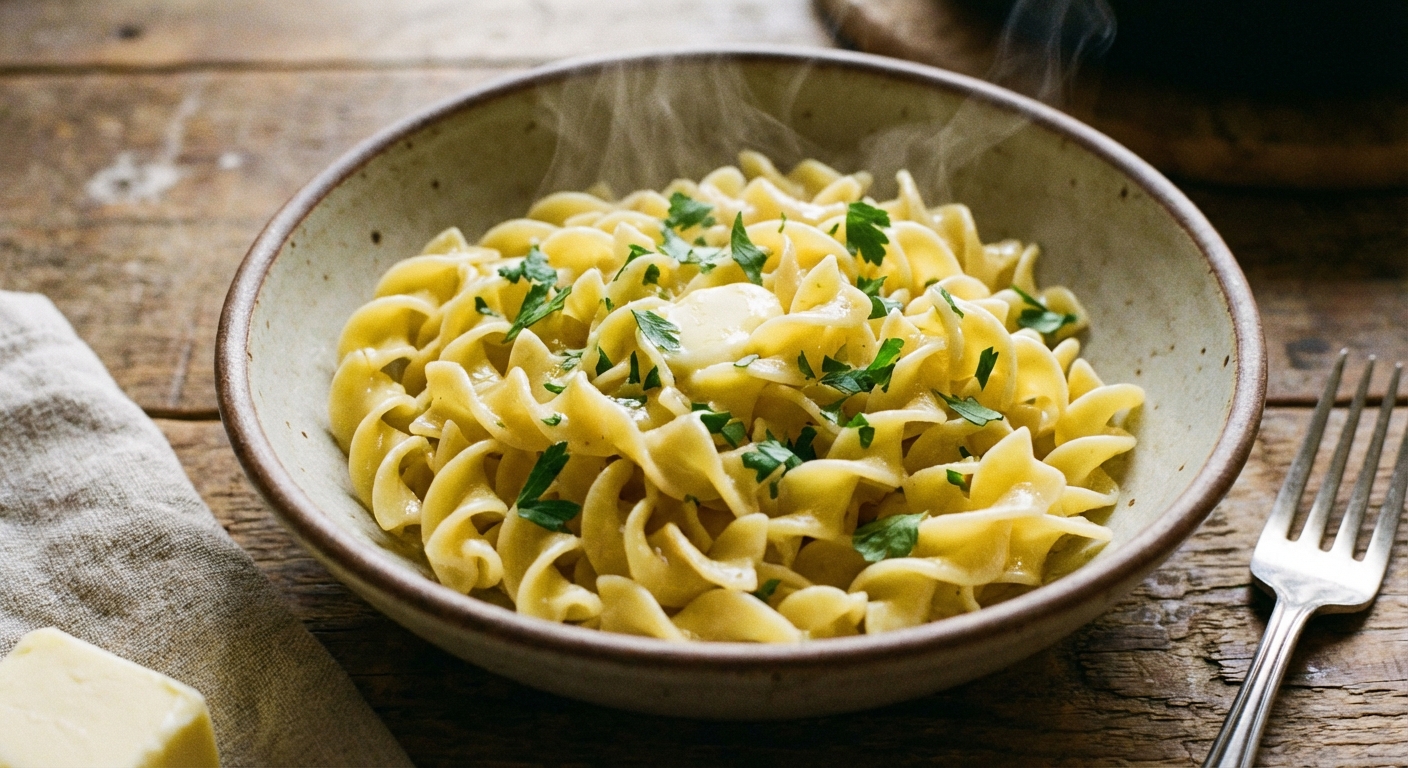
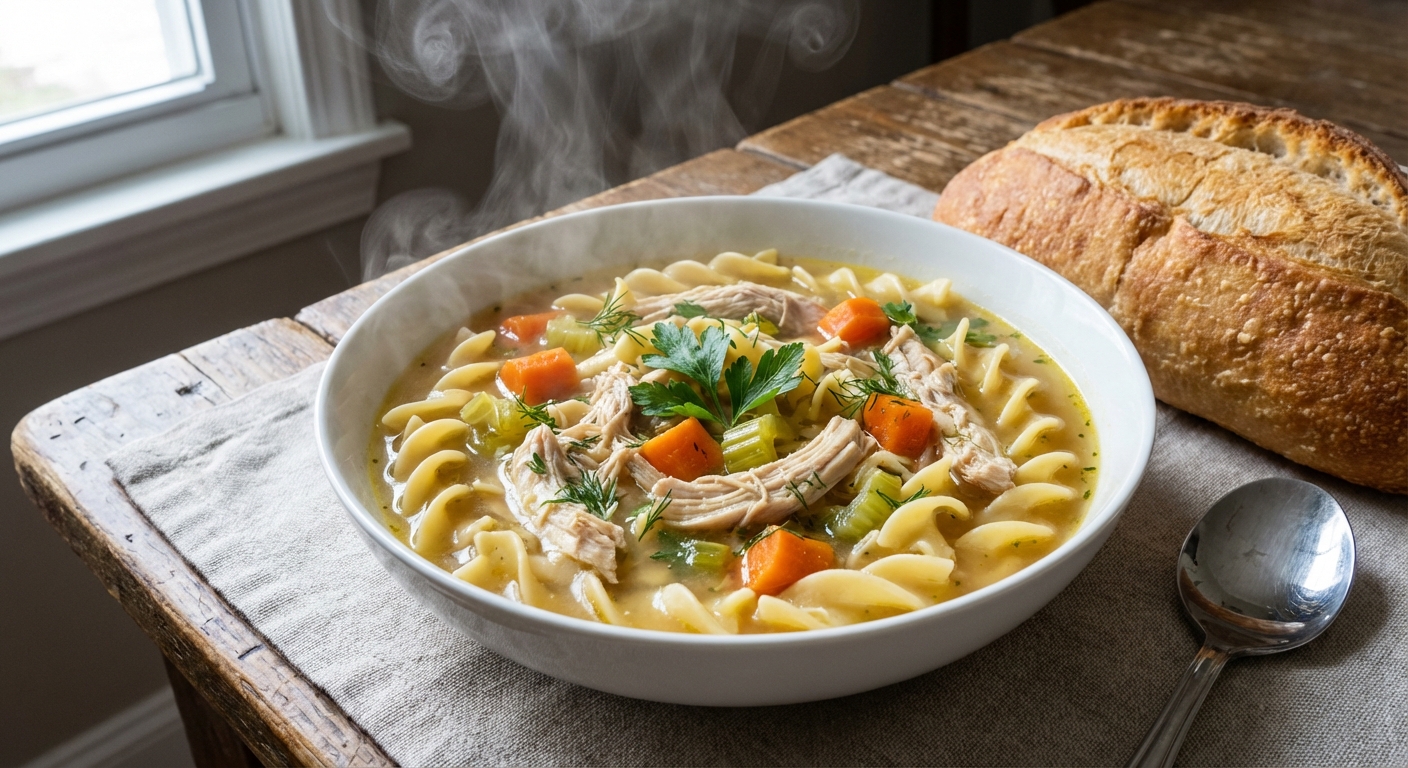
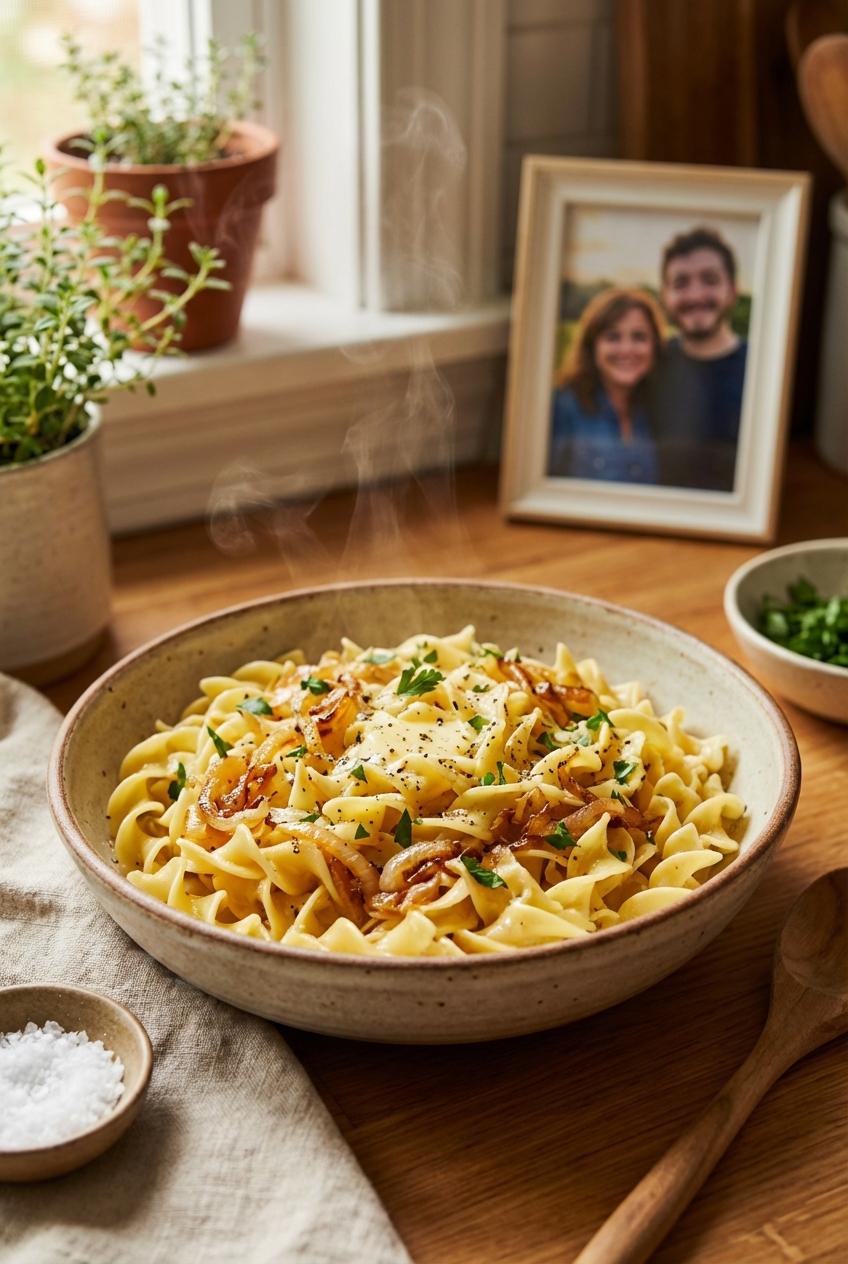
A steaming bowl of glossy egg noodles tossed with butter and parsley on a wooden table

Egg noodles are the cozy carb that somehow works with everything: buttery and plain when you are tired, sauced and fancy when you are pretending you are not tired. But they are also weirdly easy to mess up. One minute they are a silky tangle, the next they are a gummy mound that looks like it gave up on life.

This method is my no-drama way to boil egg noodles so they come out tender, bouncy, and ready to grab onto sauce. It is not complicated. It is just a handful of small choices that add up: enough water, a real boil, salting like you mean it, and a quick drain that does not leave them sitting in their own steam.

Make these once and you will stop treating egg noodles like an afterthought and start treating them like dinner’s easiest win.
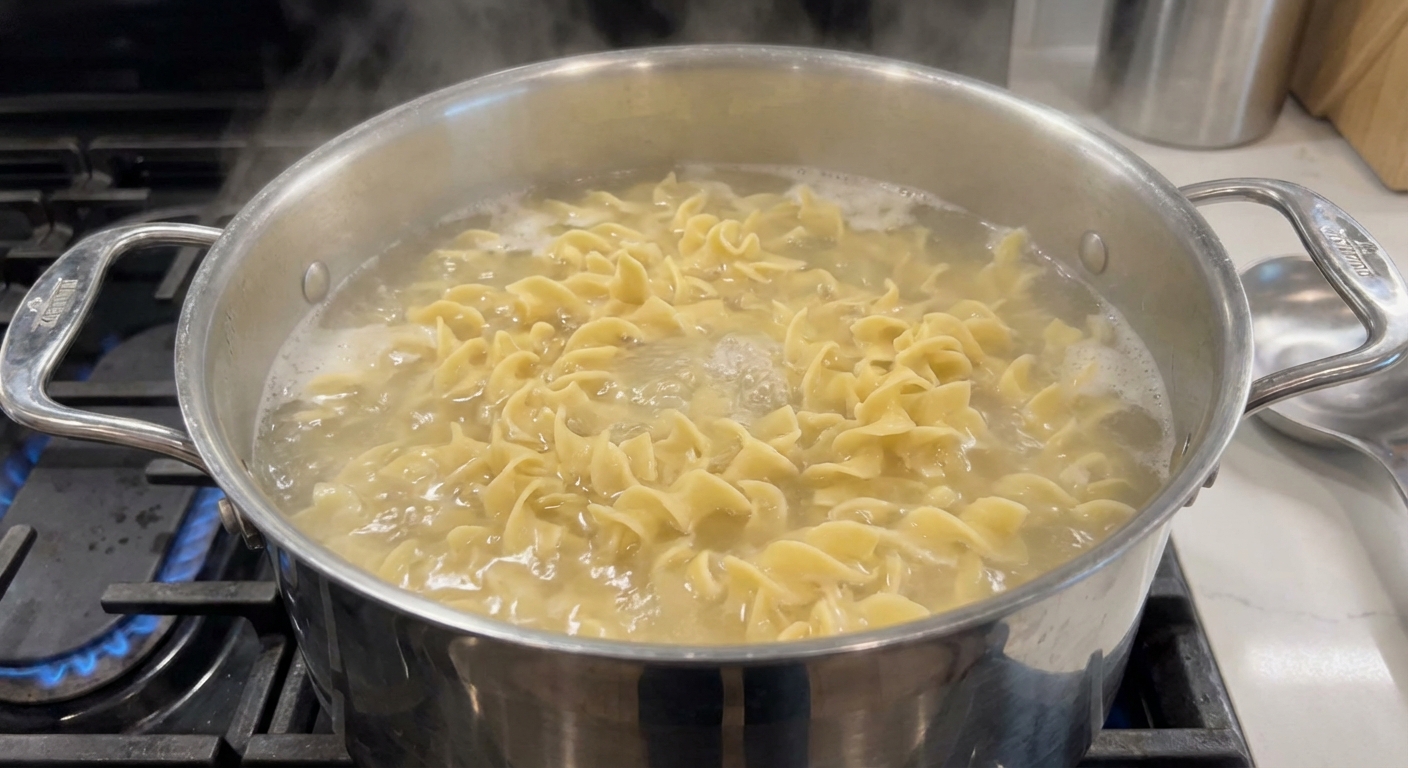
Egg noodles swirling in a pot of actively boiling salted water

Good news: you do not need special tools or a culinary degree. You need a pot, a timer, and the bravery to taste a noodle.
Why It Works

  • Consistent texture: boiling in plenty of water keeps the noodles from sticking and helps them cook evenly.
  • Flavor built in: well-salted water seasons the noodles all the way through so you are not chasing flavor later.
  • No mush: you cook to just-tender, then drain promptly. Residual heat is real and it will keep cooking them if you let it.
  • Sauce-friendly finish: a tiny splash of reserved cooking water helps butter, broth, or sauce cling instead of sliding off.

Storage Tips

Storage Tips

Cooked egg noodles are at their peak right away, but leftovers can still be great if you store them with a little intention.

Refrigerator

  • Cool noodles quickly, then toss with 1 to 2 teaspoons butter or oil per 4 cups to prevent sticking.
  • Store in an airtight container for 3 to 4 days.

Freezer

  • Egg noodles can be frozen, but texture is best if you plan to use them in soups, casseroles, or creamy sauces.
  • Toss with a little butter or oil, spread on a tray to freeze until firm, then bag up. Freeze up to 2 months.

Reheating

  • For sauced noodles: reheat in a skillet with a splash of water, broth, or milk, stirring until glossy.
  • For plain noodles: dunk in simmering water for 20 to 40 seconds, then drain.
  • Microwave: cover and add a splash of water. Heat in short bursts, stirring in between.

Leftover glow up: toss cold noodles with sour cream, dill, and black pepper, then top with smoked salmon or leftover chicken. It looks expensive and tastes like you planned it.

Common Questions

Common Questions

How long do you boil egg noodles?

Most dried egg noodles cook in 5 to 8 minutes, but check your package and start tasting a minute early. The goal is tender with a tiny bit of bite, especially if they will sit in sauce or go into soup.

Should I rinse egg noodles after boiling?

Usually, no. Rinsing washes off surface starch that helps sauces cling. Rinse only if you are making a cold noodle salad or if you need to stop cooking immediately and you will not be saucing them right away.

Why are my egg noodles gummy or mushy?

The usual culprits are too little water (starch gets concentrated and sticky), not a strong boil (they sit and over-soften), or overcooking. Also, letting noodles sit in hot water after they are done is basically a secret overcook.

How do I keep egg noodles from sticking together?

Use a big pot of water, stir in the first minute, and drain promptly. If you are holding them before saucing, toss with a little butter or oil.

Can I cook egg noodles in broth instead of water?

You can, but broth is pricier and gets starchy fast. If you want more flavor, I recommend salting the water well and finishing noodles in your sauce with a splash of reserved noodle water. If you do use broth, use a larger volume and stir often.

Do I add oil to pasta water?

Skip it. Oil can make noodles slippery, which is the opposite of sauce-friendly. Your best anti-stick tools are plenty of water and a quick stir.

Egg noodles are my emergency contact food. They show up when I have leftover roast chicken, when I have exactly one sad mushroom, and when I am one minor inconvenience away from calling dinner “a handful of crackers.” The first time I cooked them for a friend, I treated them like any other pasta and walked away. I came back to a sticky noodle quilt that could have been used as insulation. Now I do it the calm way: big boil, salty water, early taste, quick drain, and a butter toss that makes the whole thing feel like a warm hug.