Mom's Best Recipes
Recipe

Perfectly Cooked Fresh Asparagus

Tender-crisp spears with crisp edges, bright lemon, and a buttery garlic finish. A fast, foolproof method that works on real weeknights.

Author By Matt Campbell
4.8
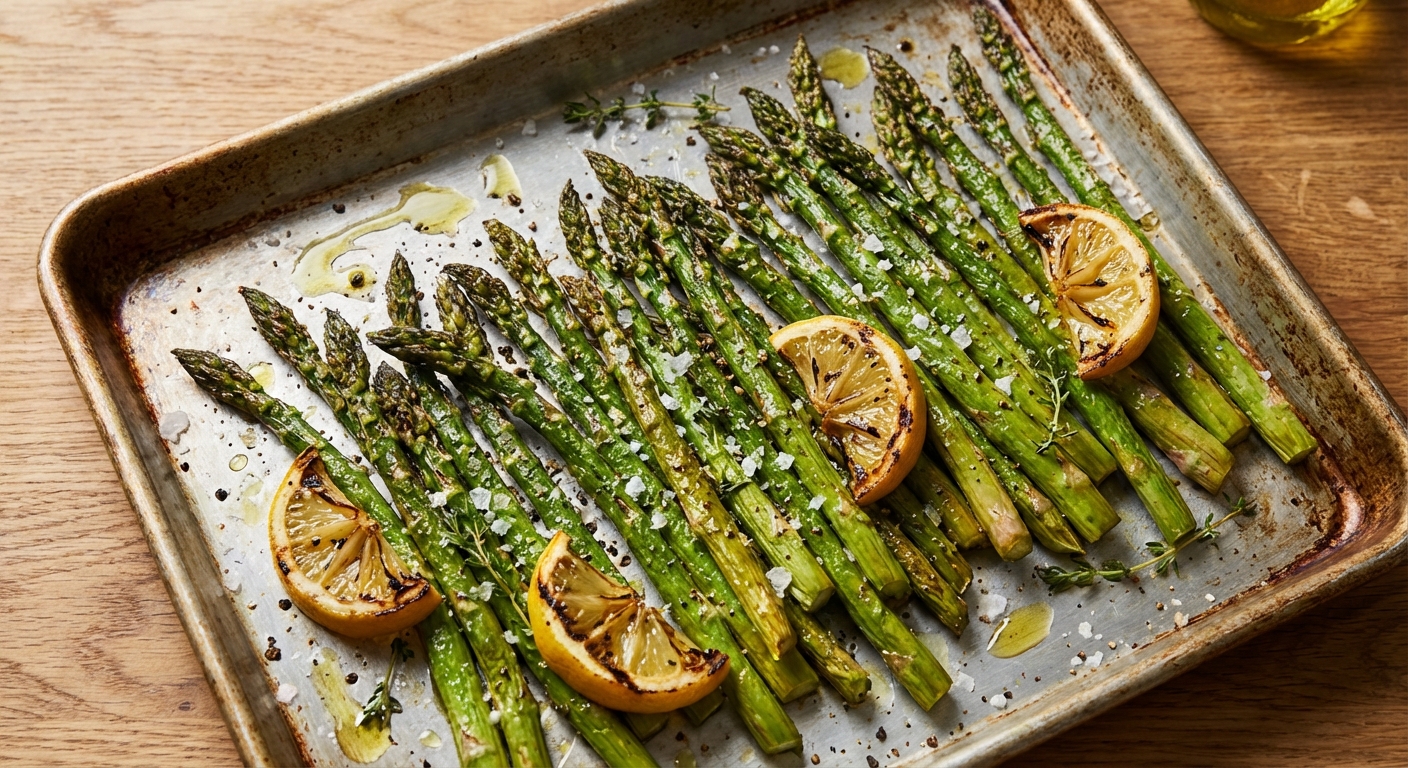
A sheet pan of roasted fresh asparagus spears with browned tips, lemon wedges, and flaky salt on top

If asparagus has ever betrayed you by being limp, squeaky, or weirdly watery, I have good news: it is not you. It is timing, heat, and one tiny decision about thickness that changes everything.

This recipe is my go-to for perfectly cooked fresh asparagus that stays tender-crisp with browned tips and a finish that tastes like you meant to do all of this on purpose. We roast it hot and fast, then hit it with lemon and a little buttery garlic situation that makes the whole pan smell like a restaurant side dish.

You can keep it simple, or you can go full chaos by adding Parmesan, chili flakes, or a runny egg on top. I support your journey.
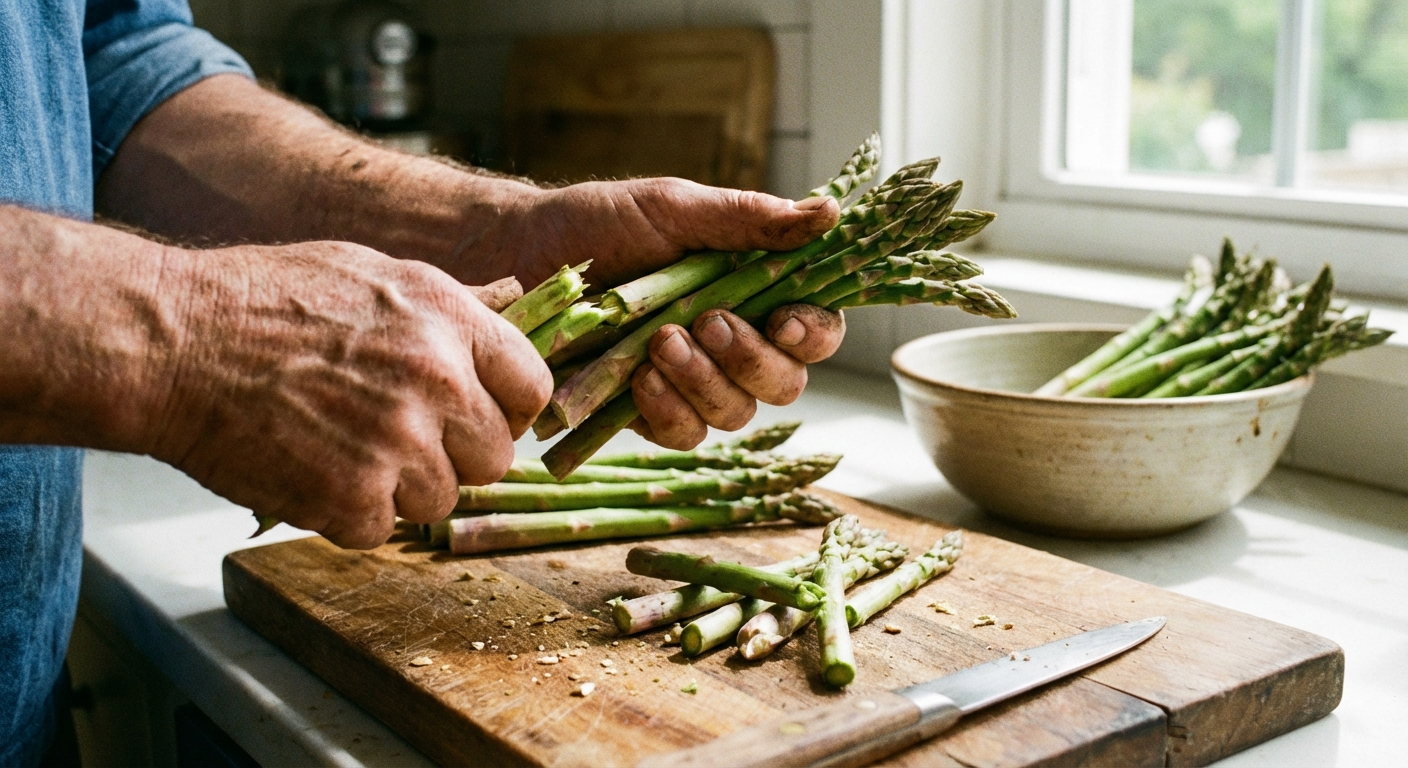
Hands snapping the woody ends off fresh asparagus spears over a cutting board

Why It Works

  • High heat roasting evaporates surface moisture quickly, so the spears brown instead of steaming.
  • One even layer on the pan means crisp edges and no sad pile-up in the middle.
  • A quick lemon finish wakes up the natural sweetness and cuts any grassy bitterness.
  • Thickness-based timing keeps thin asparagus from overcooking and thick asparagus from staying raw in the middle.

Result: bright, savory asparagus with crisp-tender bite and deeply flavored tips.

Storage Tips

How to Store Leftovers

Asparagus is best right after roasting, but leftovers still have a lot of potential. Store it correctly and it can become tomorrow’s “suspiciously impressive” lunch.

  • Fridge: Cool completely, then store in an airtight container for up to 3 days.
  • Reheat (best method): Warm on a sheet pan at 425°F for 4 to 6 minutes until hot and slightly crisp again.
  • Reheat (fast method): Sauté in a skillet with a tiny splash of oil over medium-high for 2 to 3 minutes.
  • Avoid: Long microwave reheats. They turn asparagus into a soft apology.

Leftover glow-up ideas: chop into scrambled eggs, toss into pasta with lemon and Parmesan, or pile on toast with ricotta and black pepper.

Common Questions

FAQ

How do I choose good asparagus?

Look for firm, straight spears with tight, compact tips. The cut ends should look moist, not dried out and cracked. Thicker spears are usually meatier and forgiving; thin spears cook faster and can overdo it in a blink.

Do I need to peel asparagus?

Usually no. For very thick spears, you can peel the bottom third with a vegetable peeler to make the texture more tender. It is optional, not mandatory homework.

Why is my asparagus stringy?

It is almost always the woody ends. Snap them off where they naturally break, or line up the spears and trim about 1 to 2 inches from the bottom, depending on thickness.

Can I make this on the stove instead?

Yes. Use a large skillet over medium-high heat with oil. Cook in a single layer for 5 to 8 minutes, tossing occasionally, until browned and tender-crisp. Finish the same way with lemon and butter.

What pairs well with roasted asparagus?

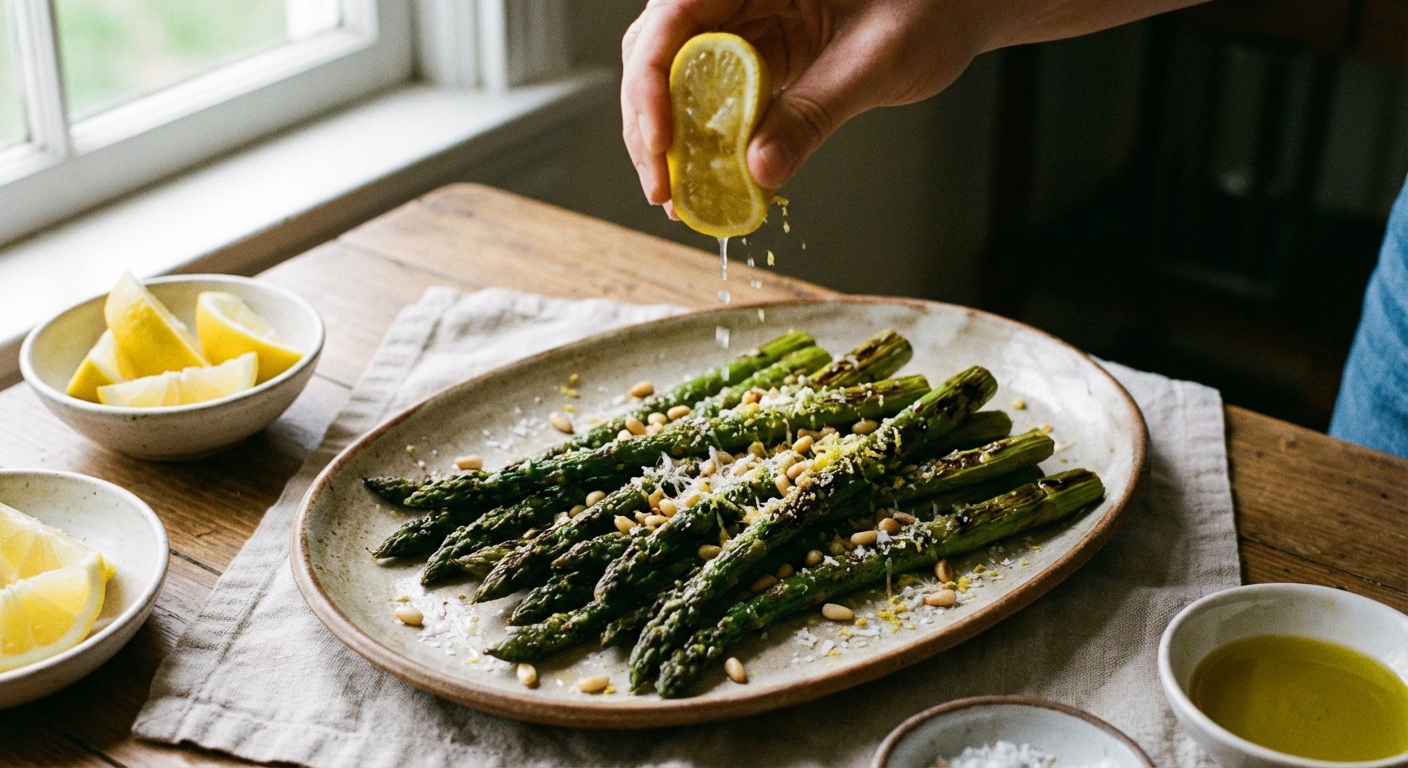
Basically everything that likes lemon. Think salmon, chicken thighs, steak, pasta, risotto, or a fried egg. It also loves shaved Parmesan and toasted nuts.

The first time I cooked asparagus, I treated it like it was immortal. I cooked it forever, then wondered why it tasted like warm dental floss. Now I roast it hot and fast, and I stop cooking it right before I think it is done. The residual heat finishes the job while I pretend I planned that level of precision all along.

This is the asparagus I make when I need a side dish that feels responsible but still exciting. Like, yes, we are eating vegetables. But also, there is butter and lemon, so we are thriving.