What fish is best for grilling?
Choose fish that is at least 3/4-inch thick so it does not overcook while you are trying to get a sear. Great options: salmon, Arctic char, trout, mahi mahi, swordfish, halibut, tuna, snapper, and thick cod fillets. Delicate thin fish can work, but it benefits from a grill basket, grill mat, foil, or a cedar plank.
How do I keep fish from sticking to the grill?
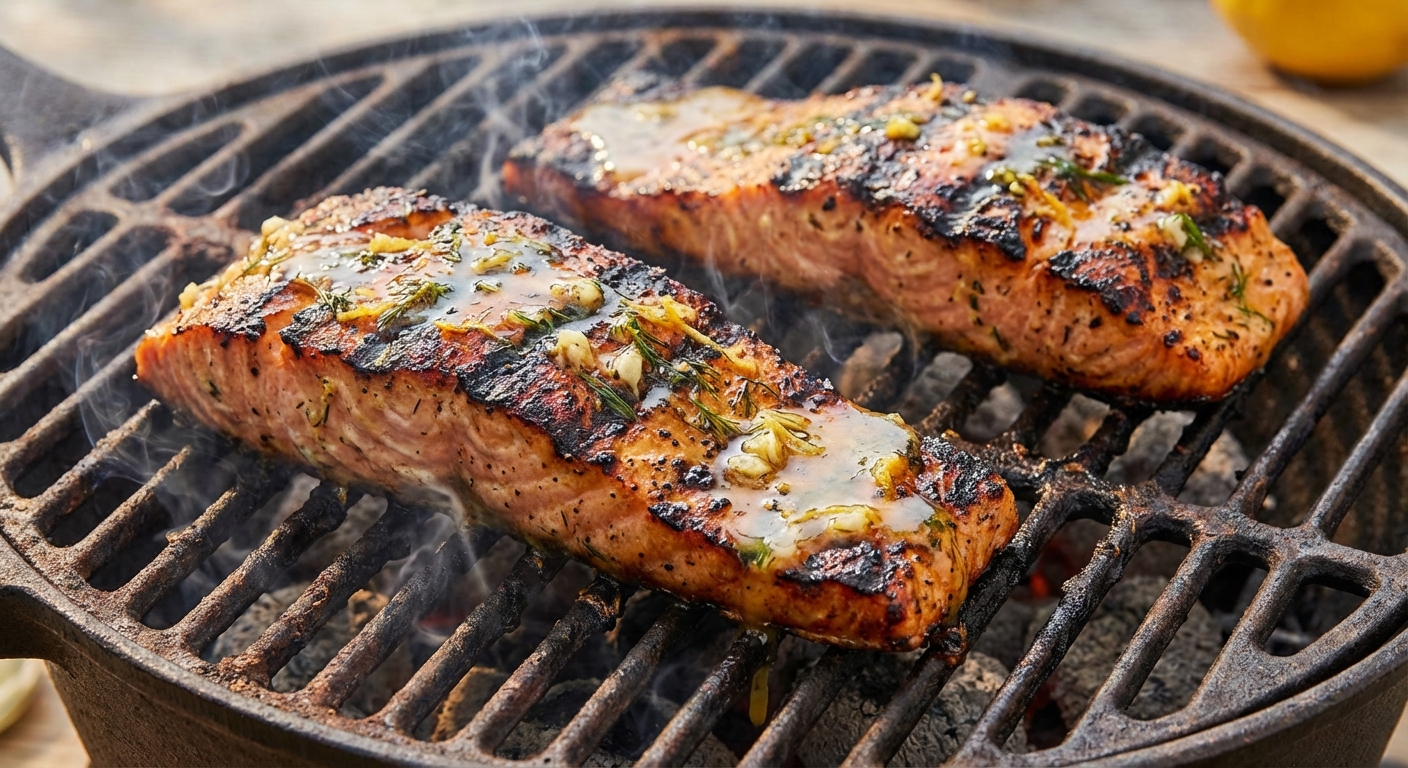
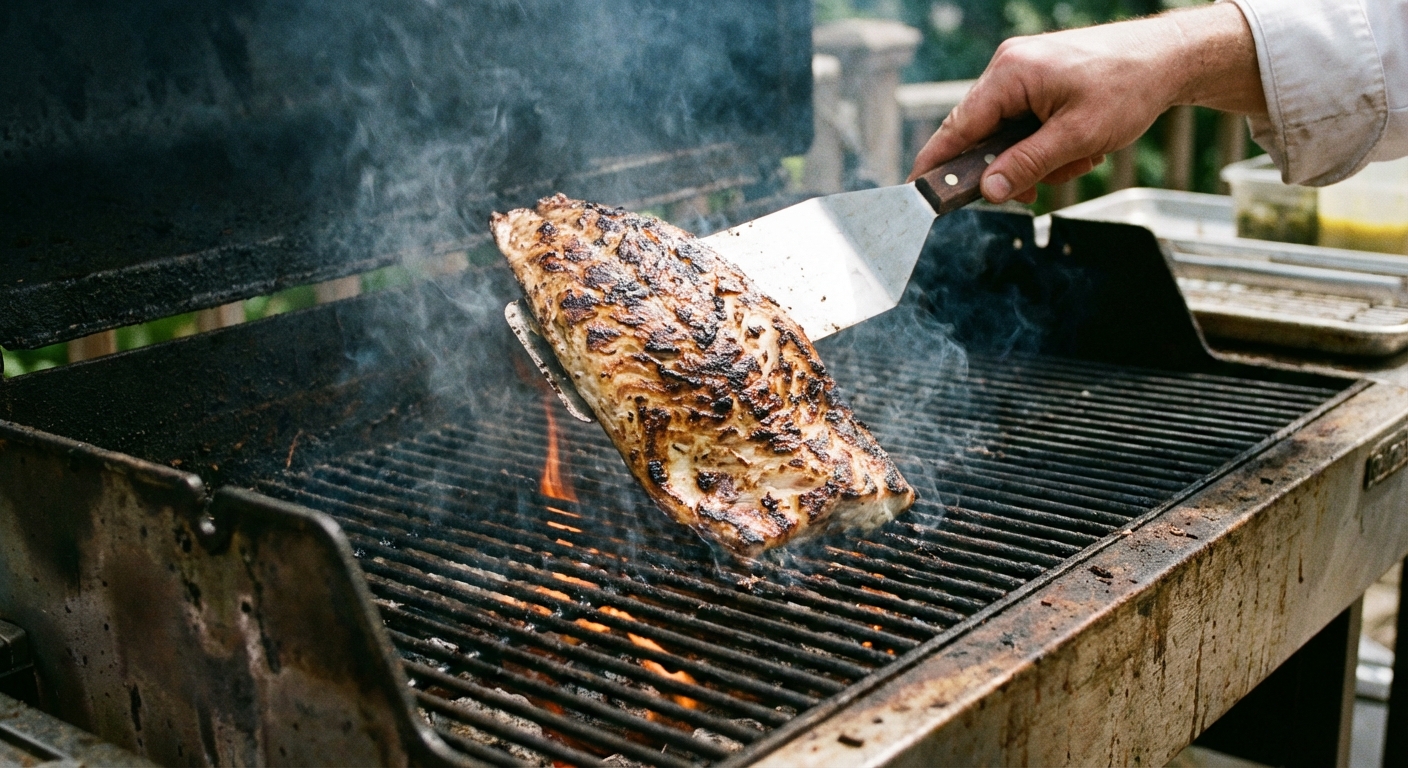
Three rules: clean grates, hot grill, dry fish. Pat the fish dry, oil the fish lightly, and place it down. Then do not touch it until it releases easily. If it fights you, it is not ready. If your grill is prone to sticking or you are grilling very lean fish, lightly oiling the grates can help too.
Do I need a fish basket?
No, but it helps for delicate fish or thinner fillets. If you do not have one, a sturdy wide spatula and patience will do the job. Foil (lightly oiled) also works in a pinch, but you will trade grill marks for an easier release.
What internal temperature should grilled fish be?
Texture-wise, many fillets are best when you pull them at 125°F to 130°F (52°C to 54°C) for moist flakes, or cook to 140°F (60°C) for a firmer result. It will rise a few degrees as it rests.
Food safety note: Some public health guidance (including the USDA in the US) lists 145°F (63°C) as the standard for fully cooked fish. If you are pregnant, immunocompromised, serving kids, or you just want to play it extra safe, cook to 145°F. When cooking to lower temps, use high-quality fish and follow local guidance.
Tuna is its own vibe, and can be served rarer.
Can I grill fish with the skin on?
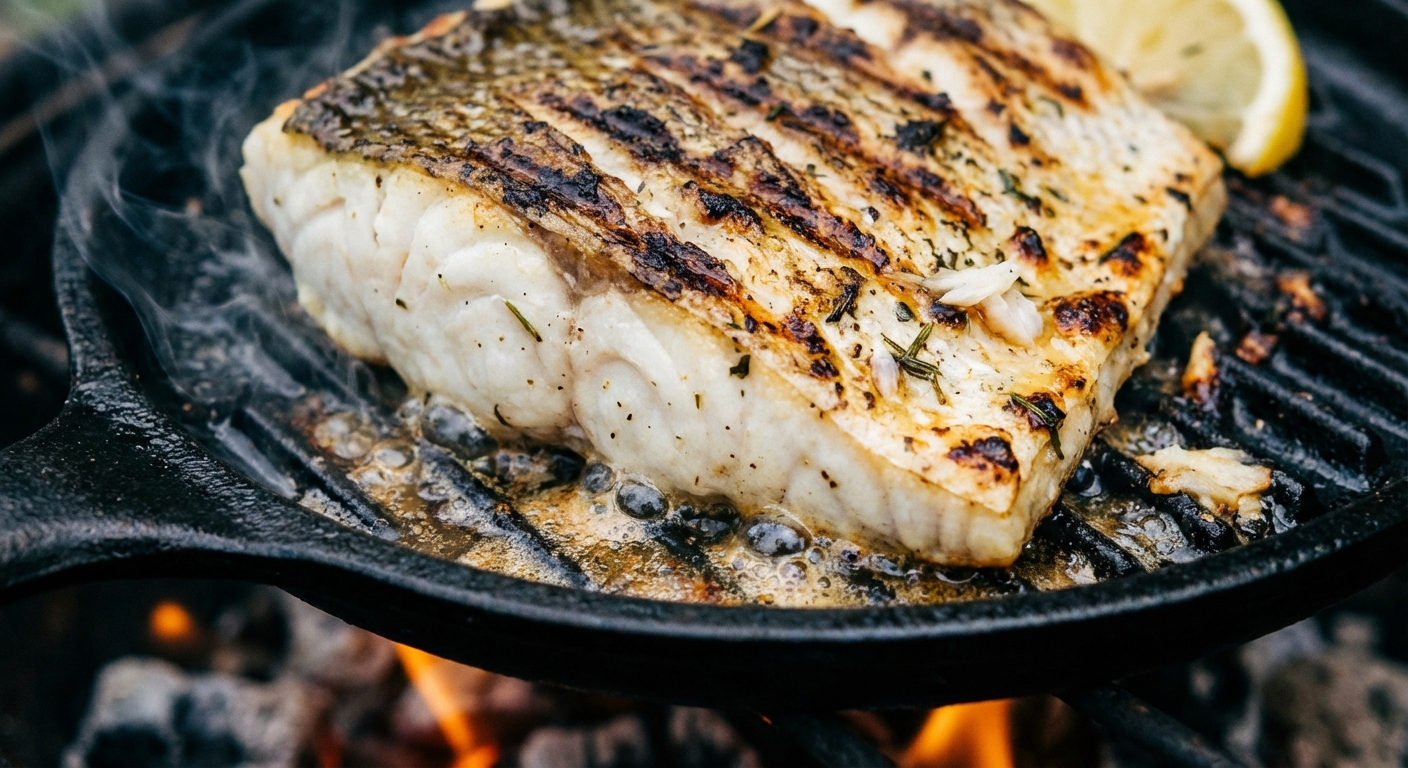
Yes, and it is honestly easier. Start skin-side down and let it crisp. Flip only if you want grill marks on the flesh side, and do it carefully near the end.
Gas grill or charcoal?
Either works. Gas is easier for steady heat. Charcoal brings extra smoky flavor. If you can, set up two zones: a hot zone for searing and a cooler zone for finishing.