Common Questions
Is this the same as pollo a la brasa?
It is inspired by it, but this is an oven method with accessible ingredients. Traditional pollo a la brasa is often rotisserie-roasted and the marinades vary by region and restaurant. You will commonly see some mix of garlic, cumin, pepper, vinegar or citrus, and sometimes soy sauce, plus Peruvian chiles like aji panca or aji amarillo. We are chasing the same smoky, garlicky, tangy energy at home.
How spicy is the green sauce?
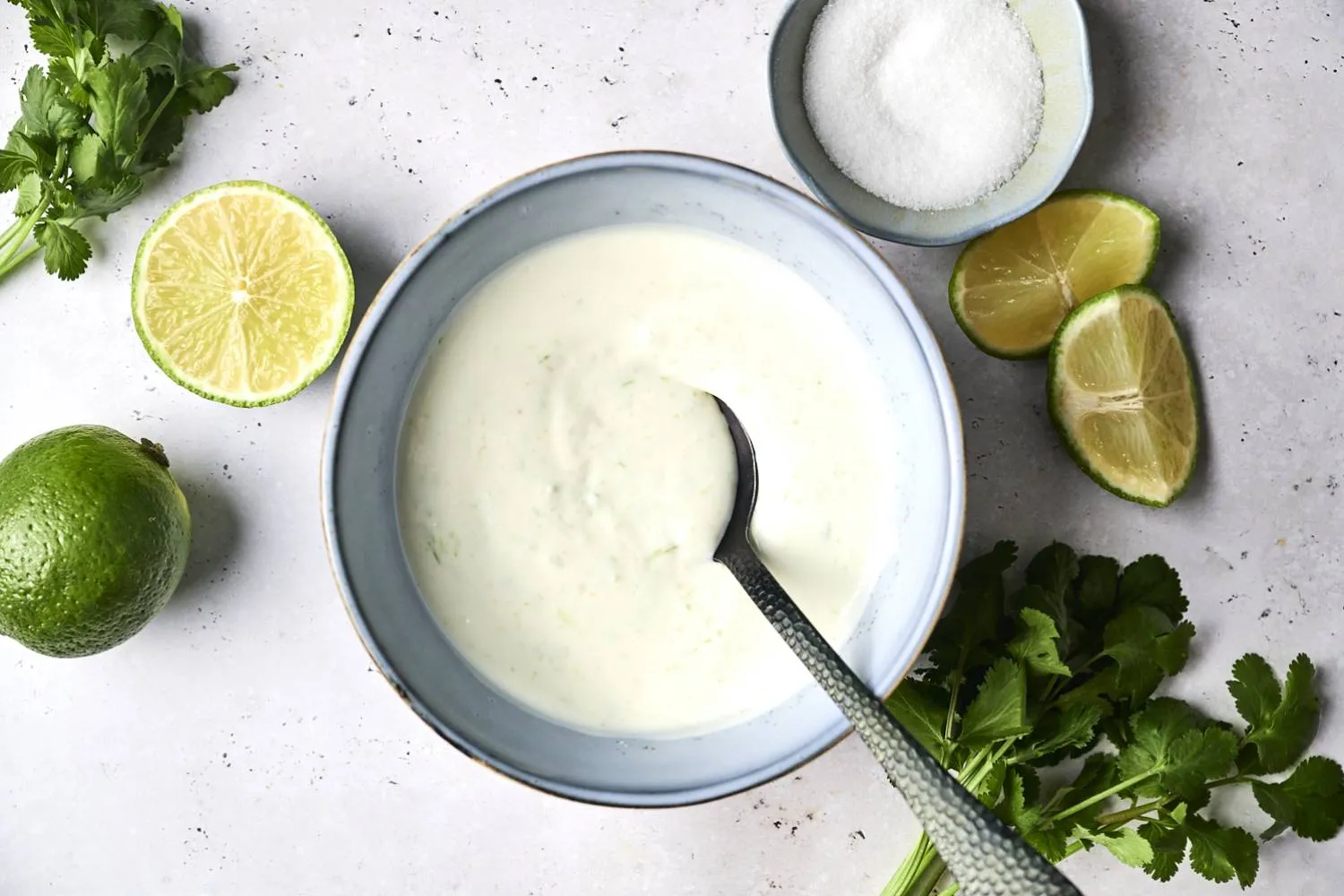
With one jalapeño (seeds removed), it is mild to medium. If you want more heat, add the seeds or swap in a serrano. If you want it gentler, use half a jalapeño and add more mayo or crema.
Can I use chicken pieces instead of a whole chicken?
Yes. Bone-in, skin-on thighs and drumsticks are excellent here. Roast at 425°F and start checking around 35 minutes. You want 175°F to 185°F in the dark meat for the best texture.
My sauce turned bitter. What happened?
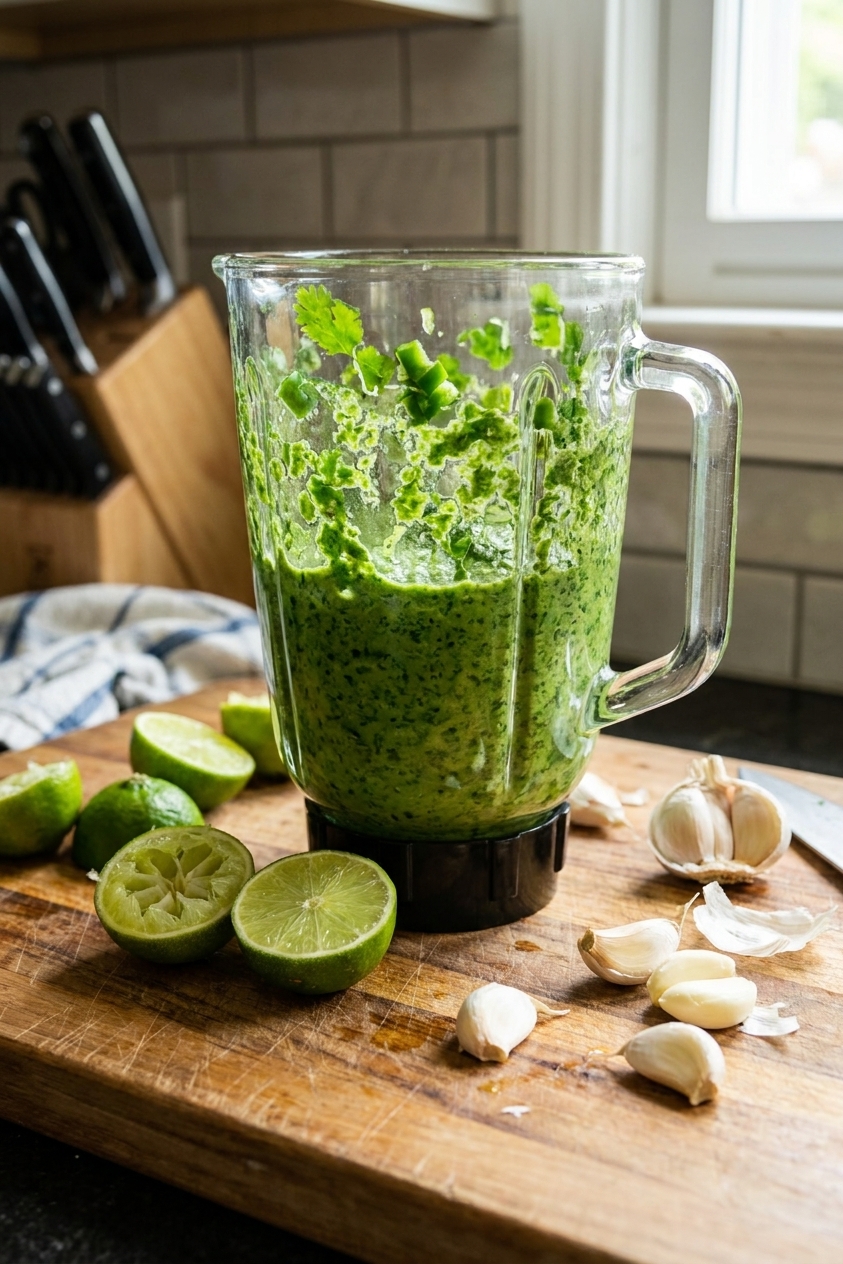
Most often it is old cilantro, too many thick stems, or a sauce that got warm while blending and oxidized. Over-blending can also make herbs taste harsh. Blend just until smooth and keep ingredients cold if you can. To fix it, add a spoonful more mayo or crema, plus more lime or a pinch more salt. If it still tastes sharp, add a small pinch of sugar or honey, or blend in a small chunk of avocado to mellow it out.
How do I know the chicken is done?
Use a thermometer. For the breast, measure in the thickest part without touching bone. Cook until it reaches 165°F, or pull at 160°F and let it rest until it reaches 165°F. If you want a second check, the thigh (deepest part, not on bone) is typically best around 175°F to 185°F for that pull-apart dark meat feel.
Why does roast time vary so much?
Chicken shape, starting temperature, pan type, and oven calibration all matter. Use the time as a guide, then trust the thermometer. For a 4 to 5 pound bird at 425°F, start checking at about 55 minutes.