Mom's Best Recipes
Recipe

Philadelphia Cream Cheese Cheesecake

A classic, creamy cheesecake with a buttery graham cracker crust and a smooth, crack-free finish you can actually pull off at home.

Author By Matt Campbell
4.8
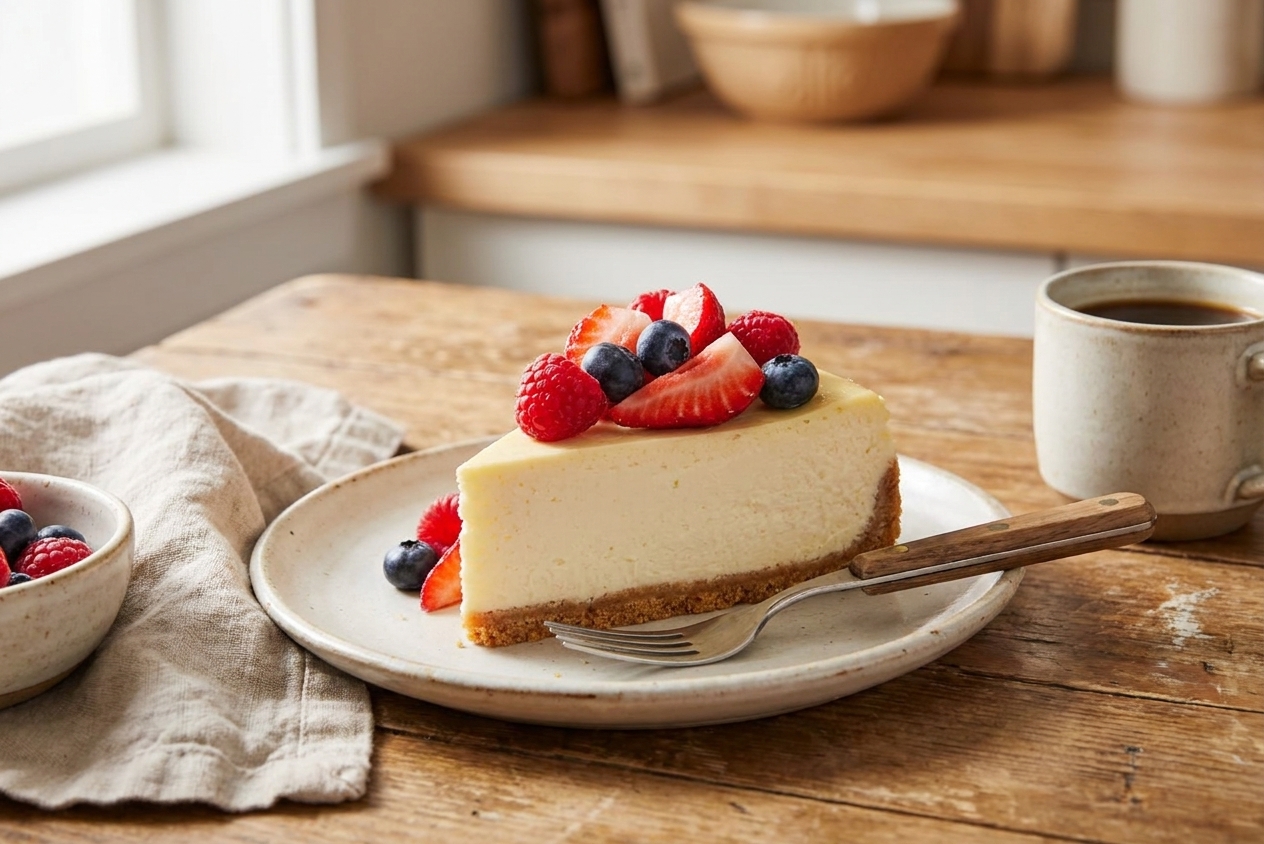
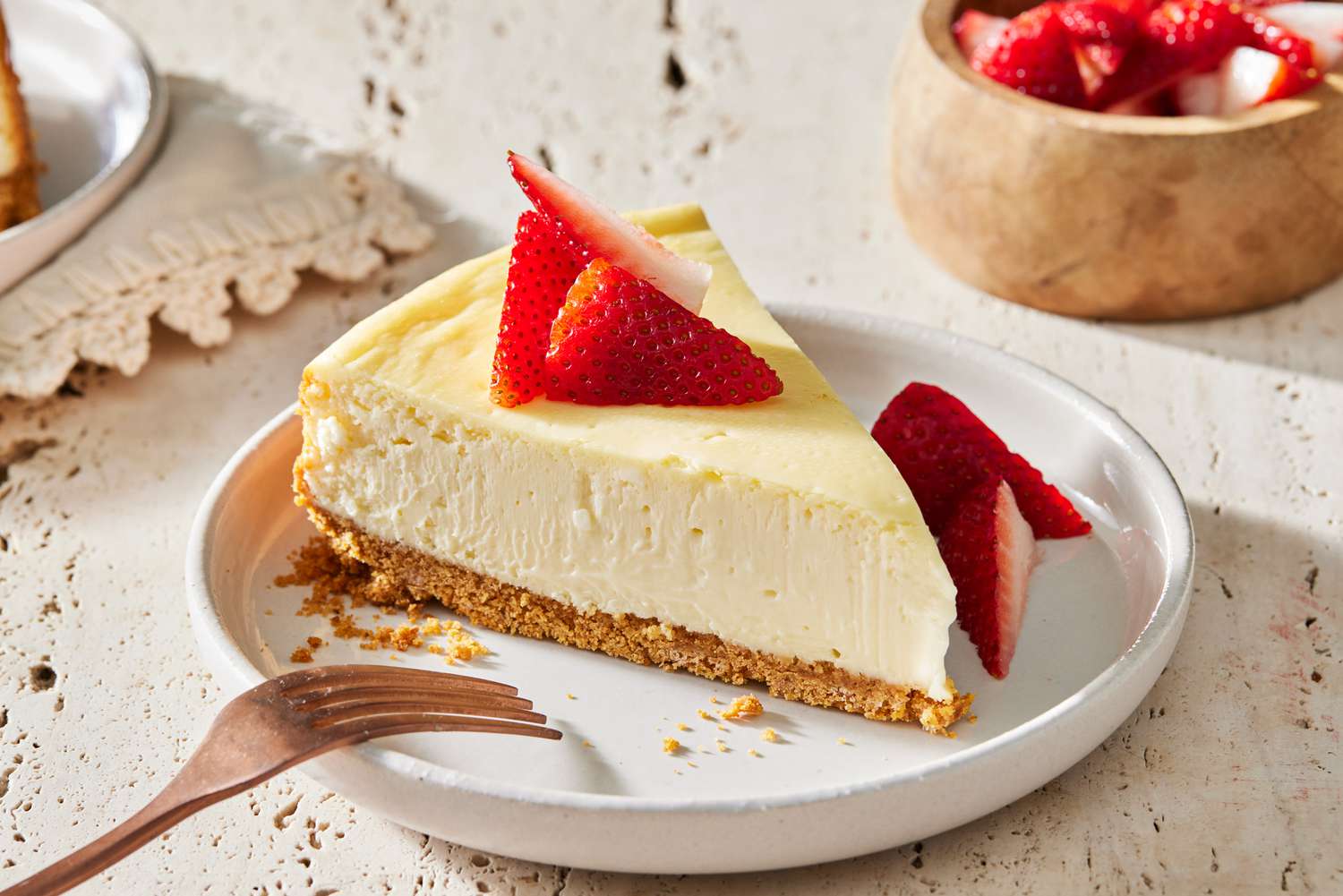
A tall slice of classic cream cheese cheesecake with a golden graham cracker crust on a simple white plate on a warm kitchen table

Cheesecake is one of those desserts that feels fancy, but the ingredients are basically a grocery list you can memorize: cream cheese, sugar, eggs, vanilla, and a crust that smells like buttered nostalgia. This Philadelphia cream cheese cheesecake is the classic style: dense but not heavy, creamy but not soupy, and sweet enough to feel like dessert without knocking you out.

I will say it upfront: cheesecake is mostly about temperature and patience. If your cream cheese is truly softened and you do not rush the cooling, you are about 90 percent of the way to a smooth top and clean slices. Let’s bake one you will be proud to bring to the table, even if your kitchen gets a little chaotic along the way.
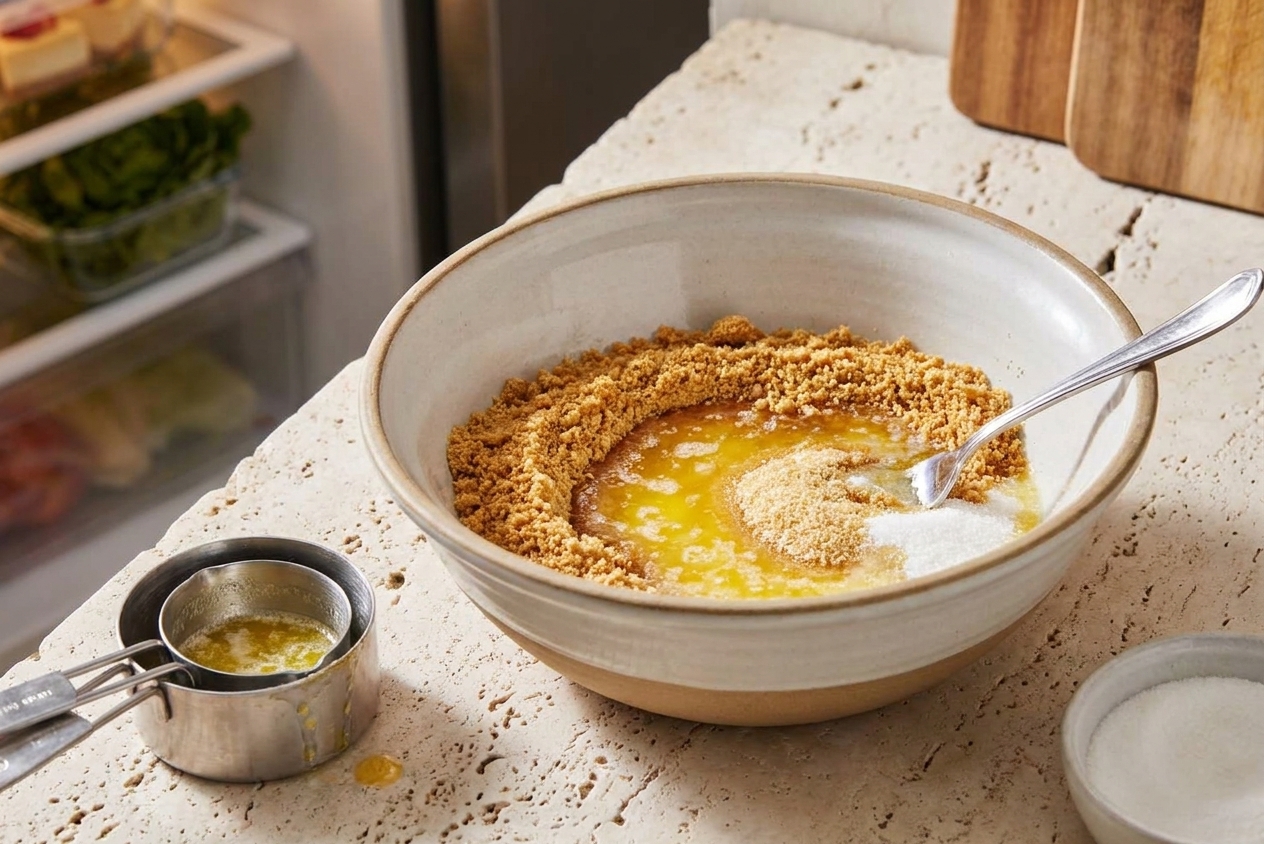
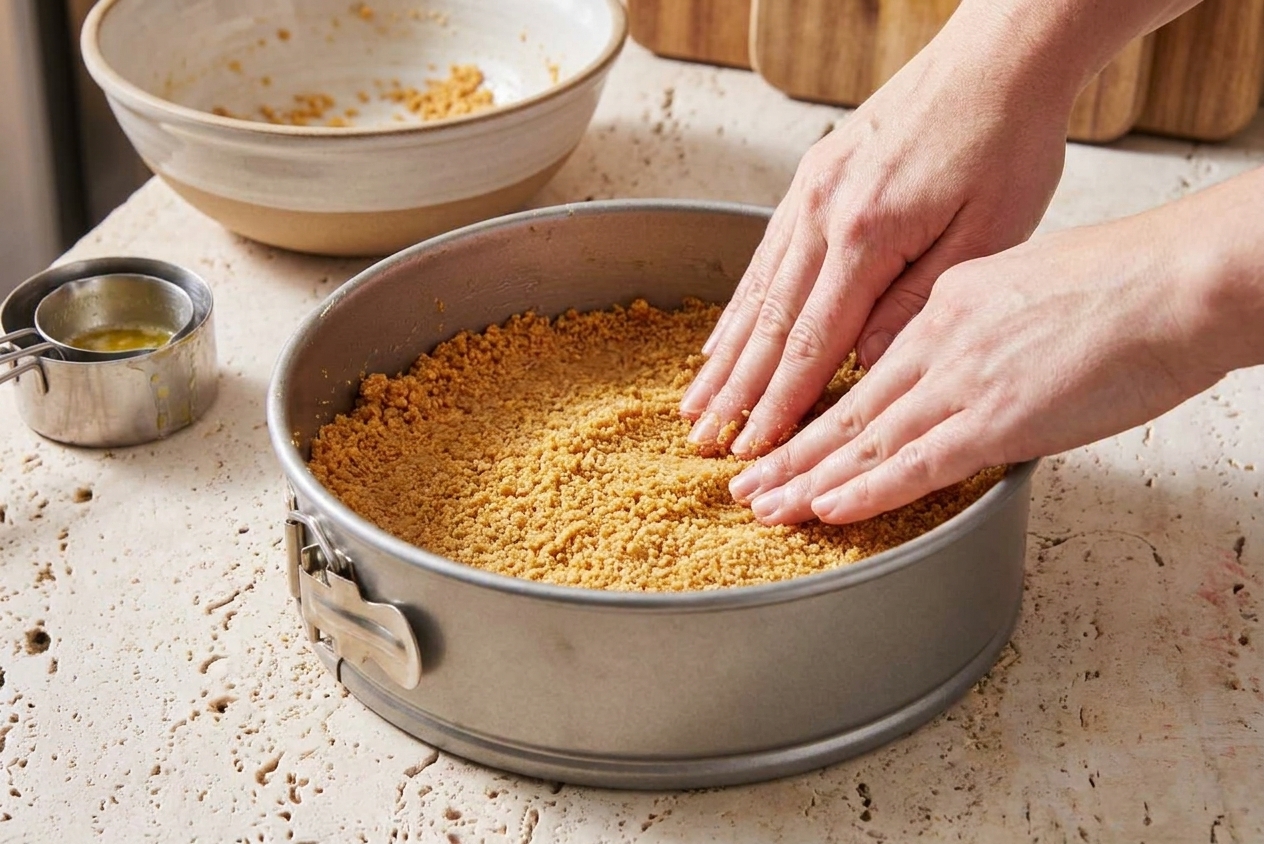
Graham cracker crumbs, melted butter, and sugar in a mixing bowl on a kitchen counter with measuring cups nearby

Why It Works

  • Classic, creamy texture: Using full-fat cream cheese and room-temperature ingredients keeps the filling smooth and rich.
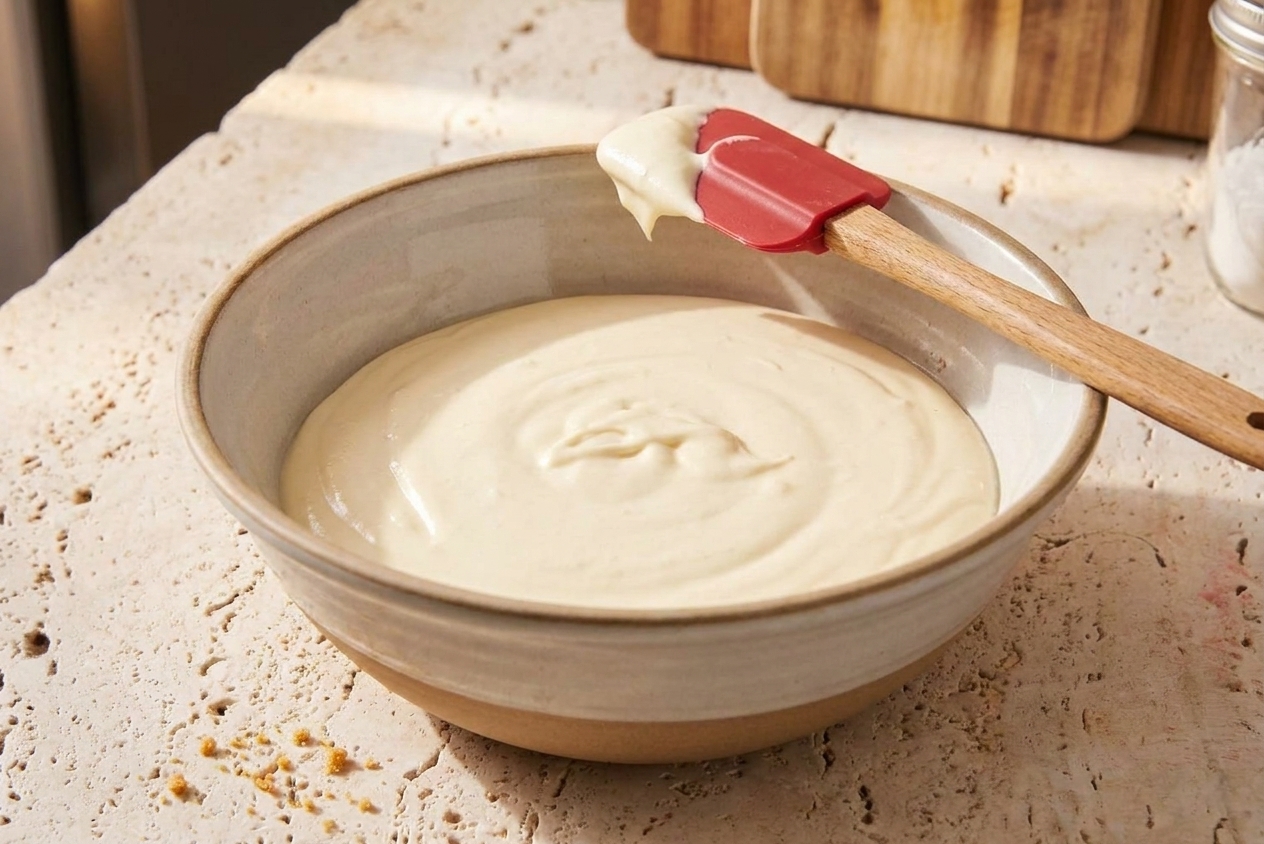
  • No gritty batter: Mixing on low and avoiding overbeating after the eggs go in helps prevent air bubbles and cracks.
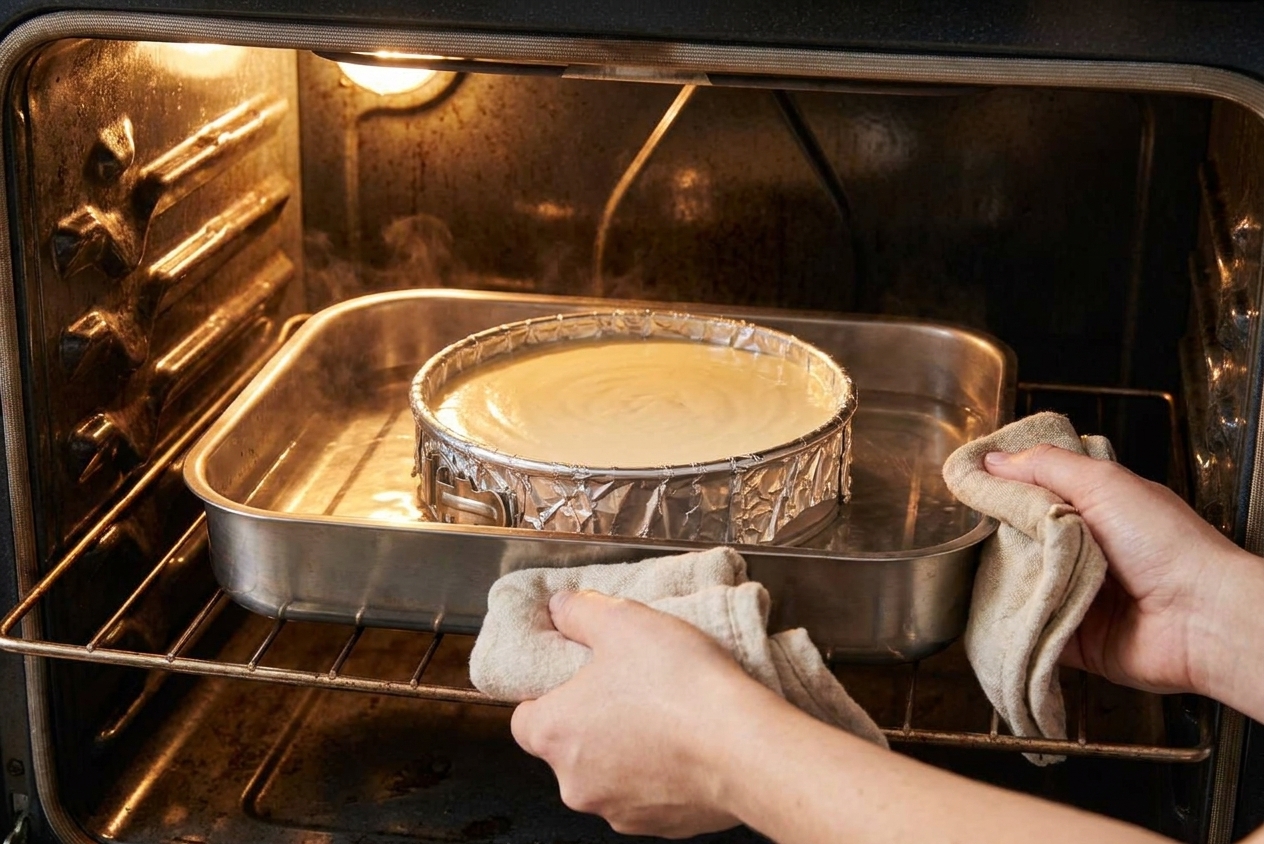
  • Even baking: A gentle oven temperature plus a water bath gives you that custardy center without dry edges.
  • Clean slices: An overnight chill firms everything up so you get those bakery-style cuts.

Pairs Well With

Storage Tips

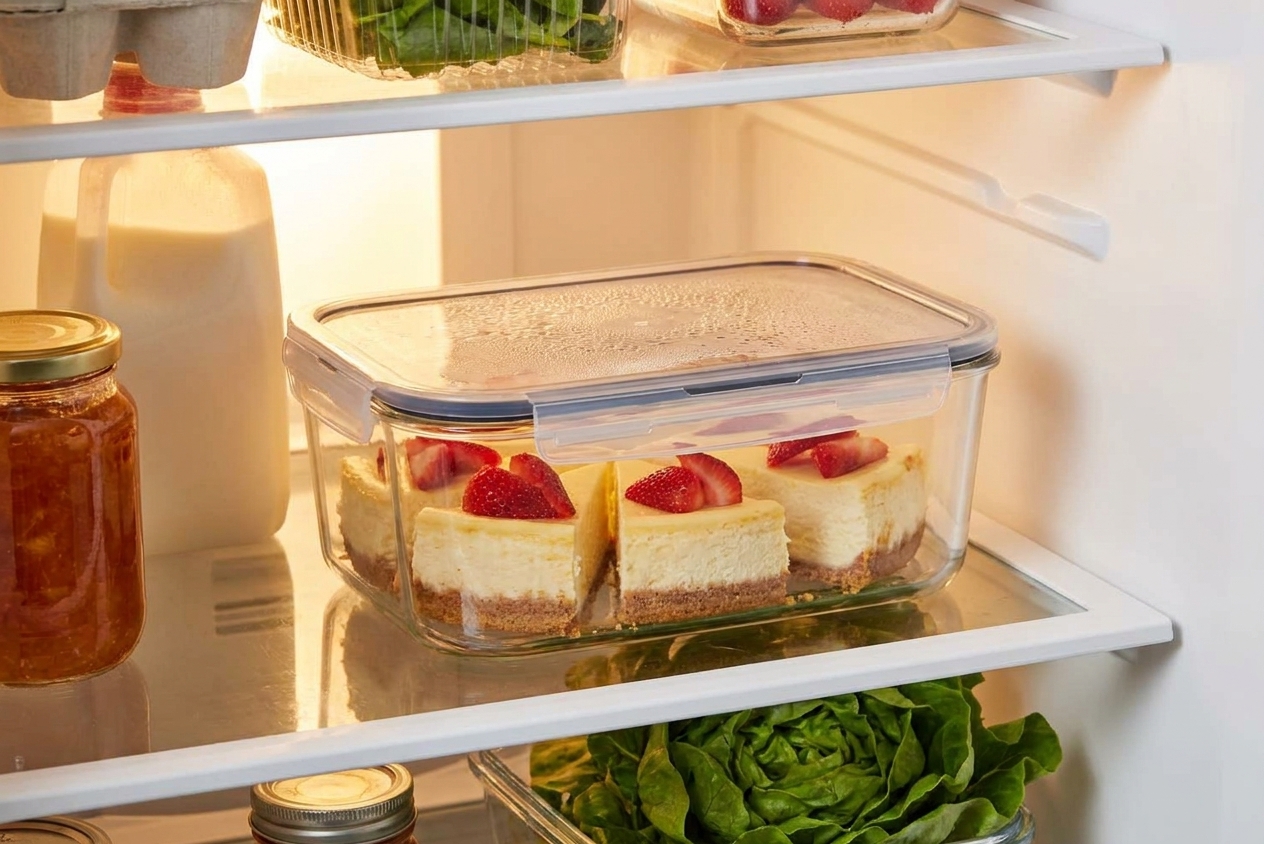
Refrigerator: Cover the cheesecake (or transfer slices to an airtight container) and refrigerate for up to 5 days.

Freezer: Freeze slices for quick treats. Wrap each slice tightly in plastic wrap, then foil, and freeze up to 2 months. Thaw overnight in the fridge.

Make-ahead tip: Cheesecake is better the next day. Bake it the day before you need it, chill overnight, then top and serve.

Individual slices of cheesecake stored in a clear airtight container on a refrigerator shelf

Common Questions

Do I really need a water bath?

You do not have to, but it is the easiest way to get an even bake and reduce cracking. If you skip it, you can place a pan of hot water on the rack below to add steam. It helps with humidity and can reduce cracking, but it will not insulate the cheesecake the same way a true water bath does, so the bake may be less even.

How do I prevent cracks?

Three big things: use room-temperature ingredients, do not overmix after adding eggs, and cool slowly. Turn the oven off, crack the door, and let it hang out before moving to the counter.

How do I know it is done?

The edges should look set, and the center should still have a small wobble like Jell-O. If the whole thing ripples like a wave, it needs more time. If it is puffed and dry looking, it may be overbaked. If you are using an instant-read thermometer, aim for about 150 to 155°F in the center.

Can I use a 9-inch springform pan instead of 10-inch?

Yes. The cheesecake will be a bit taller and may need a little more bake time. Start checking around the same time and add 5 to 15 minutes as needed.

Why is my batter lumpy?

Cream cheese was too cold or not fully beaten before adding sugar. Next time, let it soften longer, and beat the cream cheese smooth first. If you are mid-batter, let it sit 10 minutes, then mix again gently.

How do I keep water out of the pan?

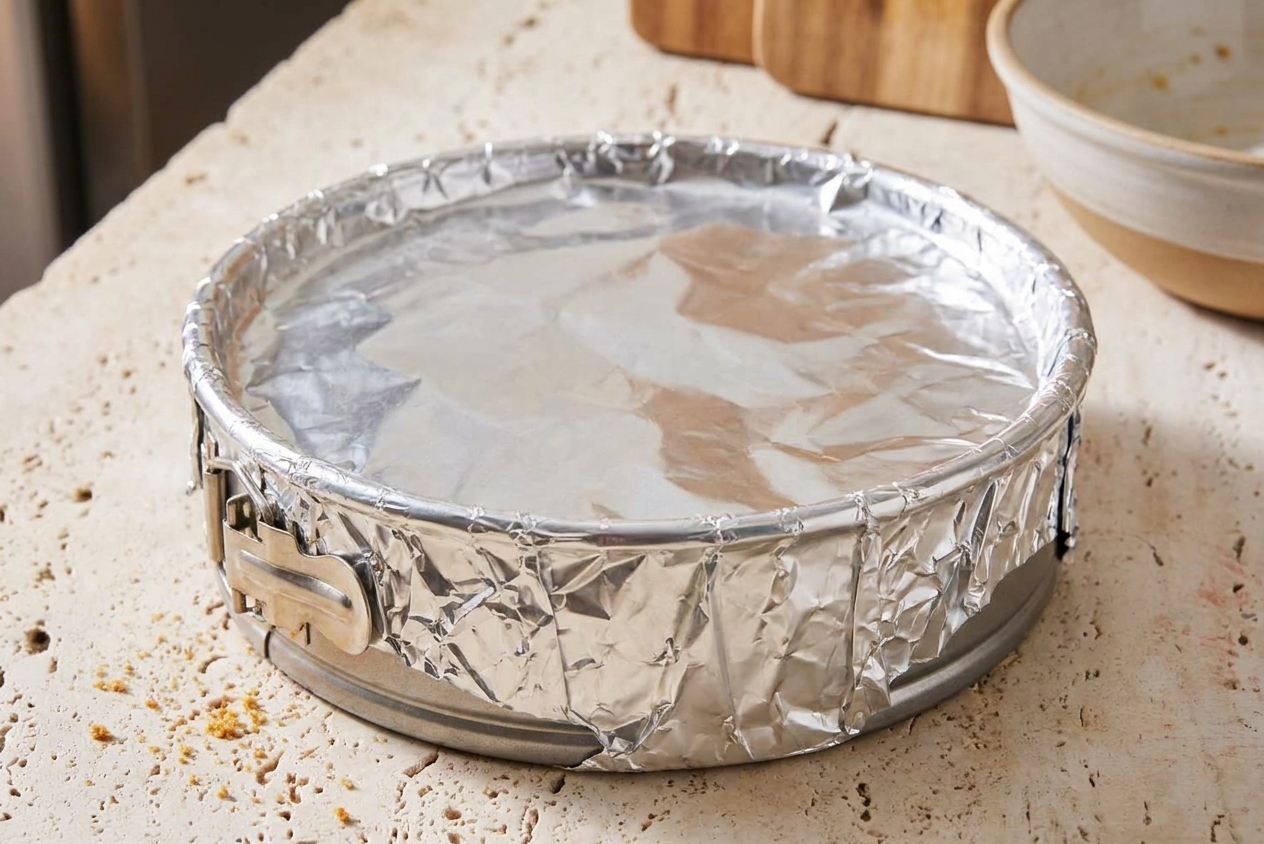
Wrap the outside of the pan with heavy-duty foil (two layers) and make sure your springform is fully latched. Foil helps prevent water seepage, but it will not fix a loose pan. If you are extra nervous, set the foil-wrapped pan inside an oven-safe baking bag or use a silicone springform wrap before placing it in the water bath.

The first time I made a classic cream cheese cheesecake, I treated it like any other cake. I cranked the mixer, slammed the oven door, and expected perfection to just happen. It did not. What I got was delicious, but it looked like it had been through something.

Now I make cheesecake like I am trying not to wake a sleeping baby: gentle mixing, low drama, and a slow cool-down. The payoff is that smooth, creamy slice that makes people go quiet for a second. That is my favorite kind of kitchen win.