Mom's Best Recipes
Recipe

Crunchy Pickled Okra

A bright, garlicky refrigerator pickled okra with dill and optional spice that stays crisp and snackable.

Author By Matt Campbell
4.8
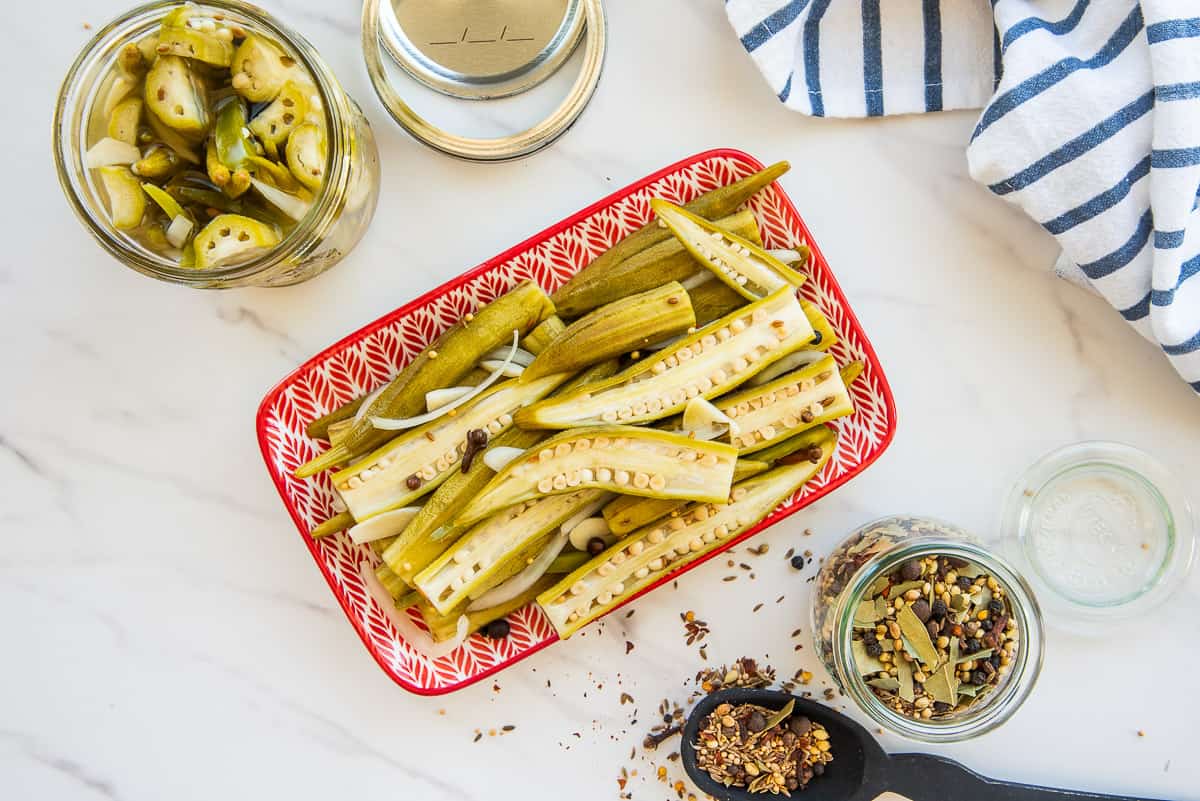
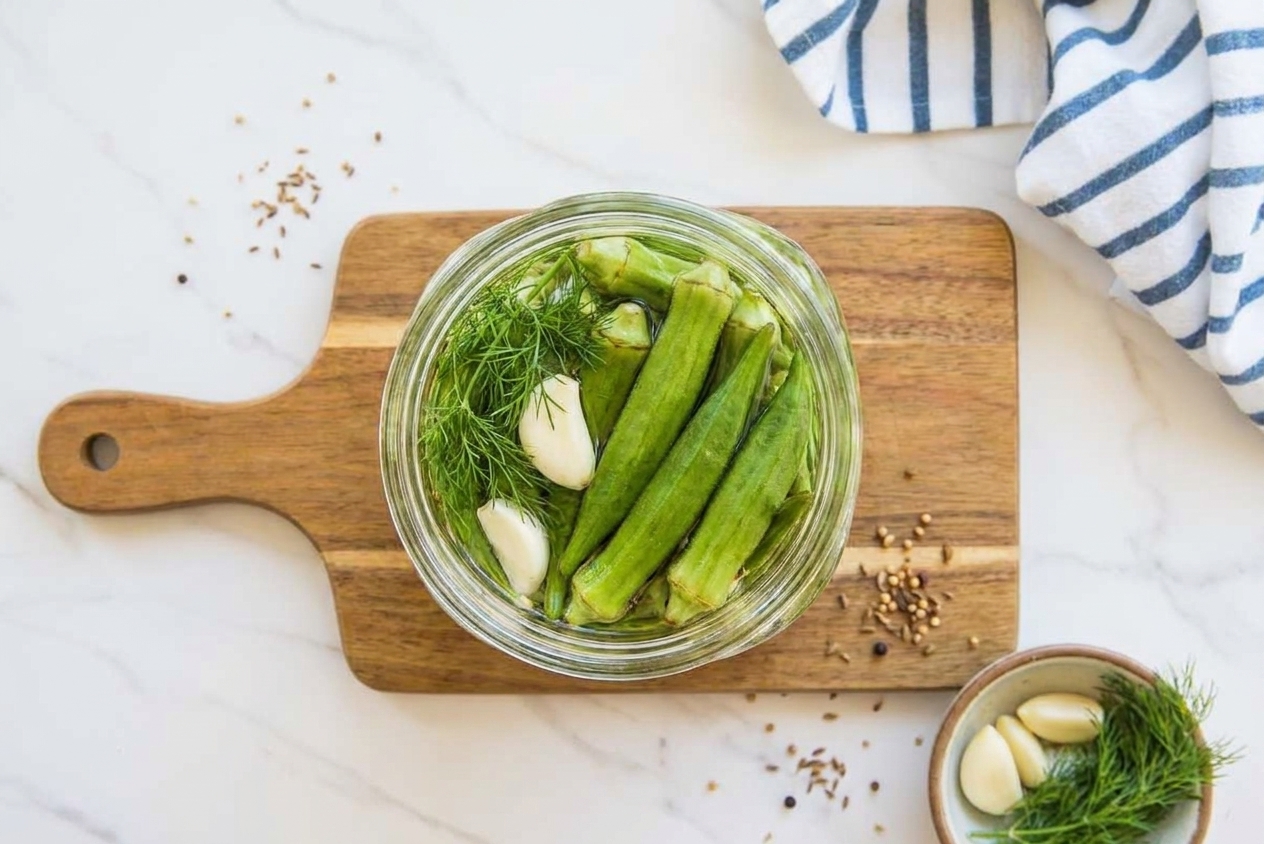
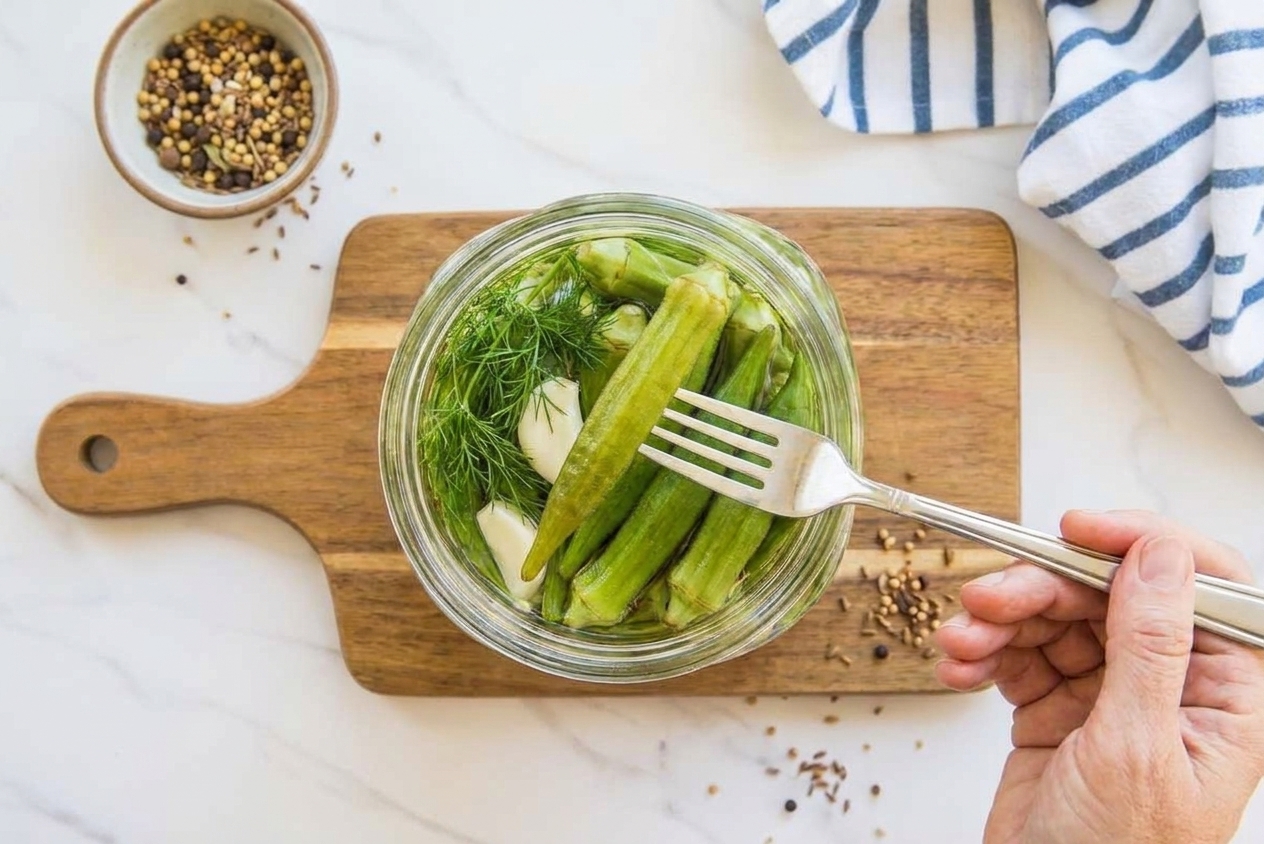
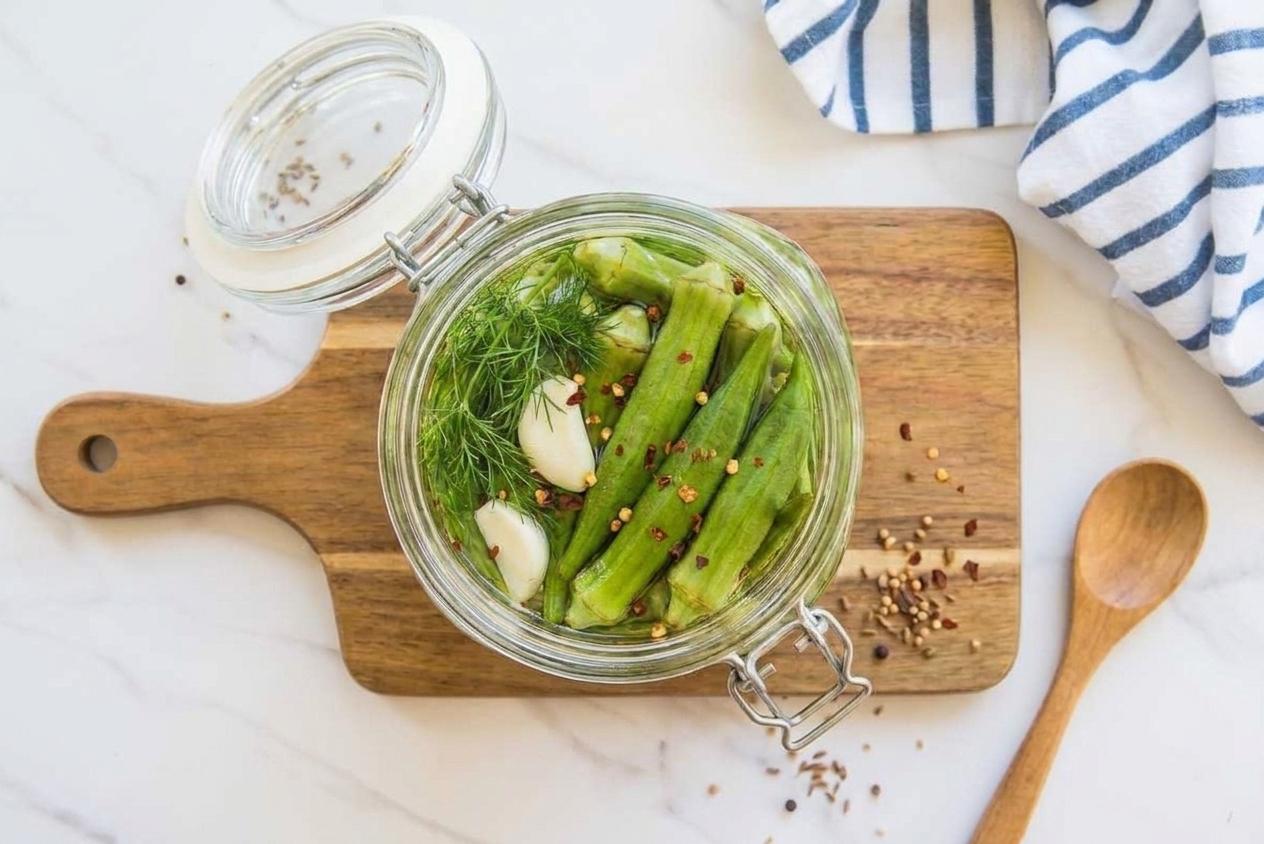
A glass jar filled with bright green pickled okra pods with fresh dill, garlic cloves, and pepper flakes on a kitchen counter.

Pickled okra is one of those love-it pantry moves that makes a random Tuesday dinner feel like you planned ahead. It is tangy, a little grassy in the best way, and wildly good next to anything rich or smoky. The goal here is crunch, not limp, slippery sadness.

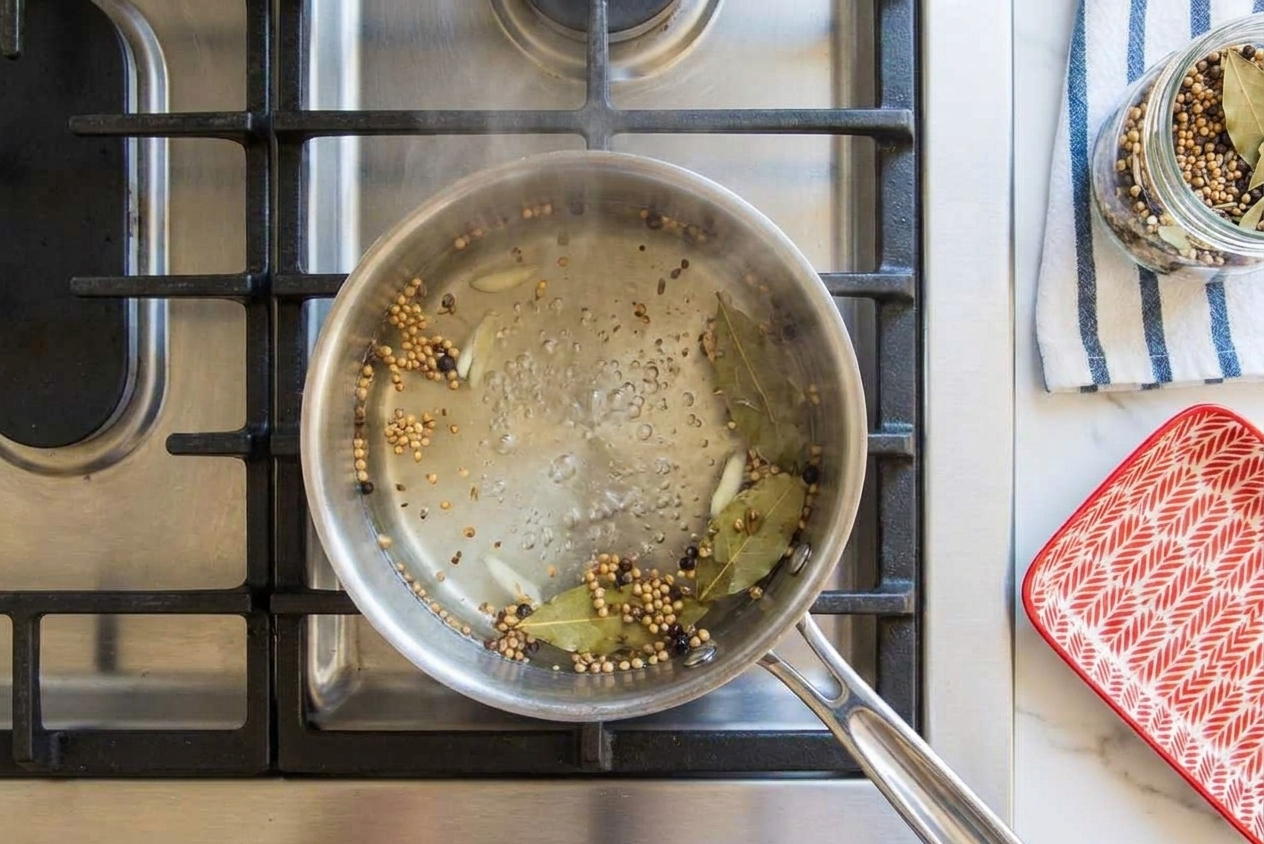
This is a refrigerator pickled okra recipe, which means no pressure, no canning setup, and no complicated gear. We are using a hot brine for flavor, then letting the fridge do the rest. You will get that classic deli style bite with garlic, dill, and an optional chili kick.
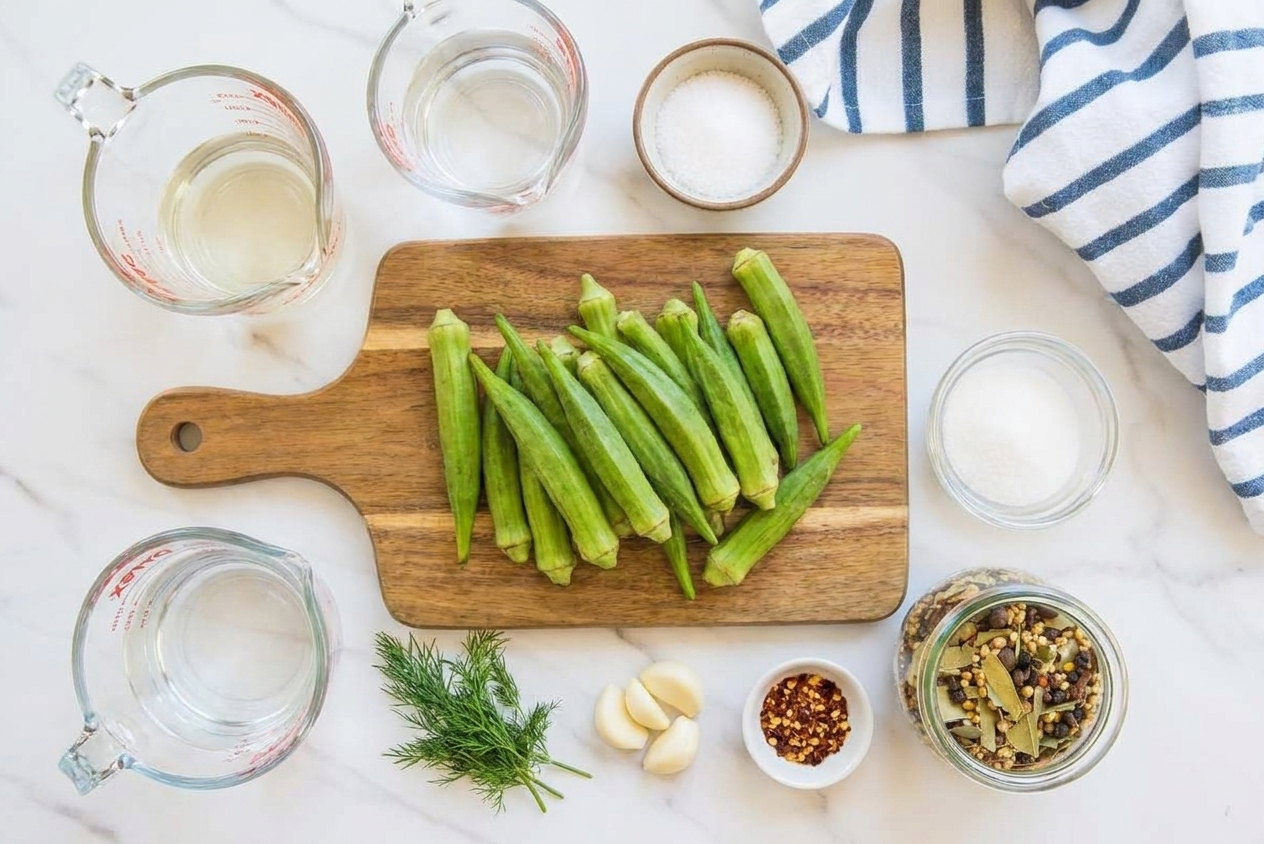
Ingredients for pickled okra arranged on a kitchen counter: fresh okra, vinegar, water, kosher salt, sugar, garlic, dill, mustard seeds, peppercorns, and red pepper flakes.

Why It Works

  • Crisp texture: Small, fresh okra plus a quick hot brine and a chill in the fridge keeps it snappy.
  • Balanced brine: A 1:1 vinegar to water ratio gives bright tang without going full face-pucker.
  • Big flavor, simple ingredients: Dill, garlic, mustard seed, and peppercorns do the heavy lifting. Add heat if you want it.
  • Low drama: No water bath canning required. Make a jar, stash it, snack all week.

Pairs Well With

Storage Tips

Refrigerator: Keep pickled okra in the fridge, fully submerged in brine, in a tightly sealed jar. It is best after 24 to 48 hours and stays tasty for up to 3 to 4 weeks (sometimes longer, but use your senses).

Quick spoilage check: If you notice mold, an off smell, fizzing, or a brine that turns noticeably slimy, toss it.

Keep it crisp: Always use clean utensils when grabbing okra. If any pods are poking above the brine, top off with reserved brine or this mini-brine: 2 tablespoons vinegar + 2 tablespoons water + a pinch of salt.

Do not freeze: Freezing turns the texture mushy and the brine gets weird. This is a fridge pickle situation only.

Brine bonus: The leftover brine is gold in salad dressings, Bloody Marys, and potato salad. Treat it like a tangy seasoning.

Common Questions

Common questions

How do I keep pickled okra from getting slimy?

Start with very fresh, small okra and keep the pods whole. Sliminess ramps up when okra is old, bruised, or cut. The acidic brine helps too, so do not dilute the vinegar beyond the recipe ratio.

Do I need to blanch okra before pickling?

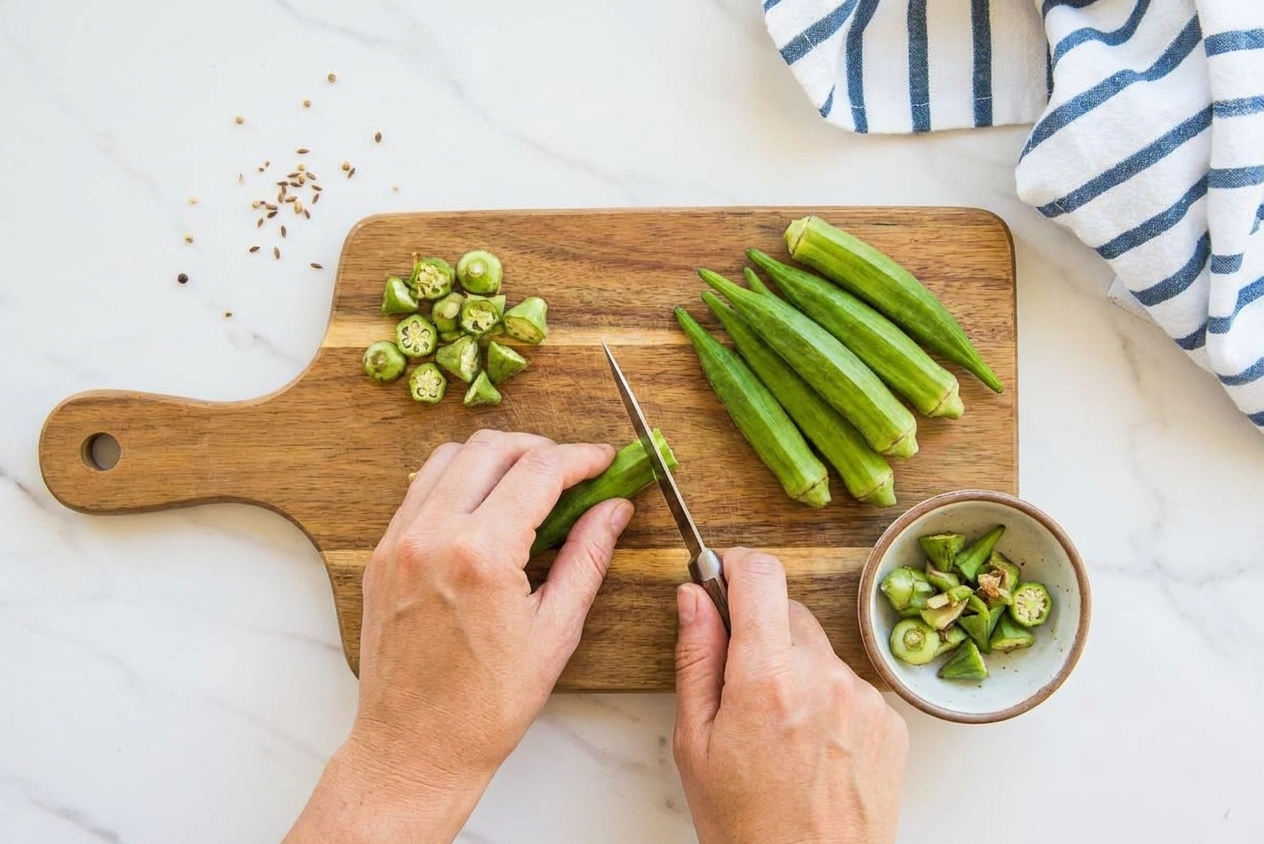
Not for this refrigerator version. Blanching can soften okra, which is the opposite of what we want. Just rinse, dry well, and pack tightly.

Can I use apple cider vinegar instead of white vinegar?

Yes. Apple cider vinegar gives a warmer, slightly sweet tang. Keep it at 5% acidity and use the same amount.

Why is my pickled okra soft?

Usually one of these: the okra was large or older, it got too much heat exposure (boiling brine, or the jar sitting hot too long), or it sat out too long before you refrigerated it. Next time, choose smaller pods, pour brine that is hot but not aggressively boiling, and chill the jar once it is no longer hot to the touch.

When can I eat it?

You can snack after a few hours, but it really clicks after 24 hours. For full flavor, give it 2 to 3 days.

Is this shelf-stable?

No. This recipe is written for the refrigerator. If you want shelf-stable canning, you need a tested canning recipe with proper processing times for your jar size and altitude.

Pickled okra pods served on a small snack board with sliced cheddar, crackers, and a ramekin of mustard on a wooden table.

The first time I fell for pickled okra was not at a fancy restaurant. It was at a cookout where someone slid a cold jar across the table like it was contraband. I popped one straight from the brine and immediately understood the hype. Crunchy, salty, vinegary, and just spicy enough to make you reach for another. Now I keep a jar in my fridge like a secret weapon for sandwiches, snack plates, and those nights when dinner needs one bright, punchy thing to wake it up.