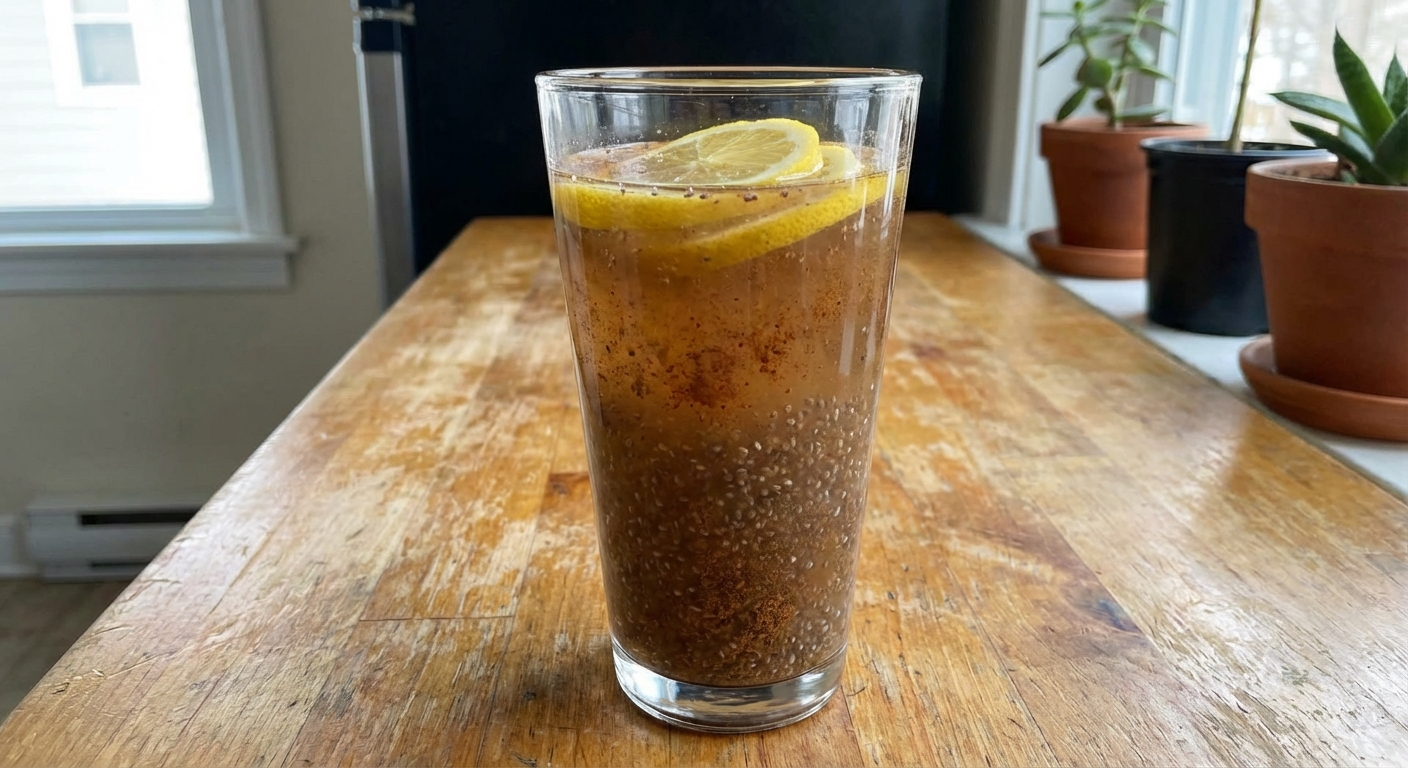
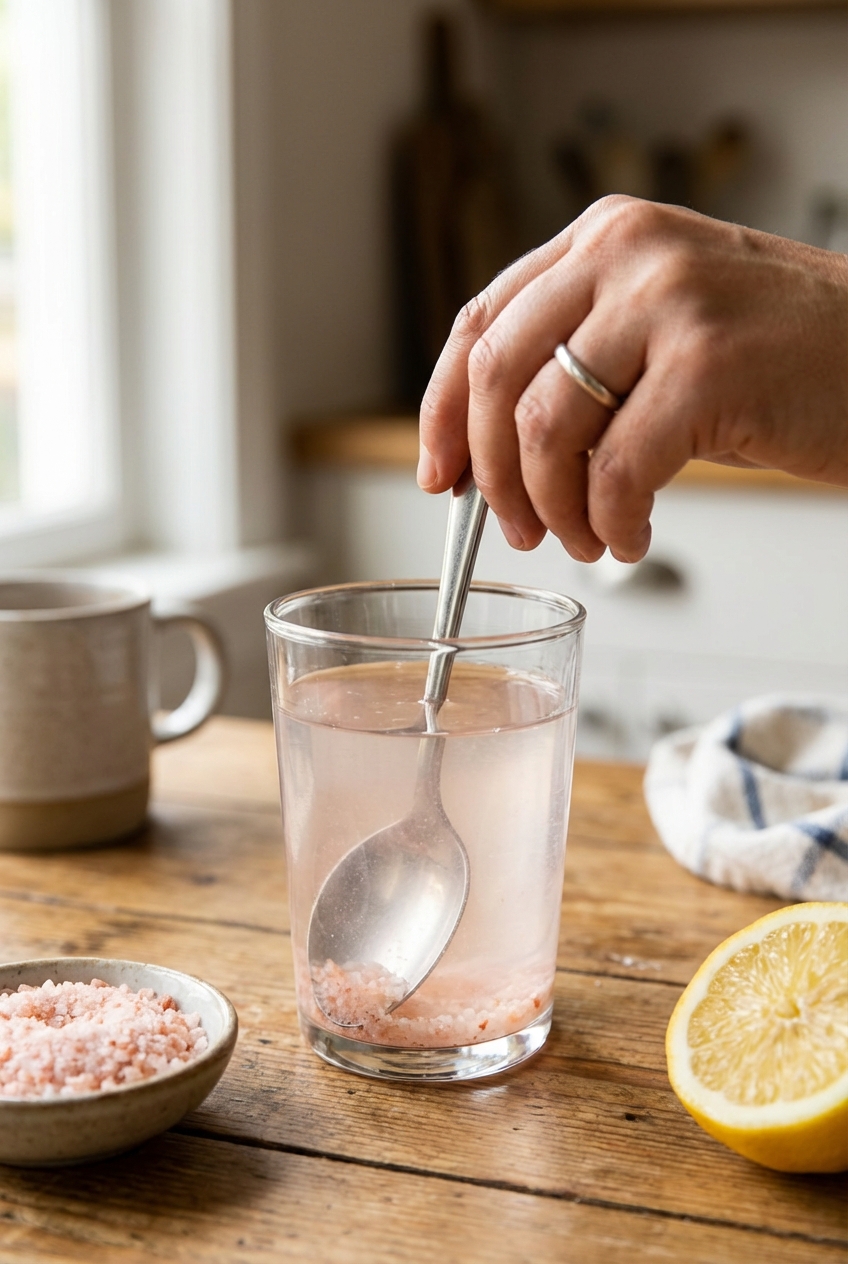
Common Questions
Does pink salt water cause weight loss?
Not directly. There is no strong evidence that pink Himalayan salt water burns fat. What can help is hydration, a consistent morning routine, and replacing sugary drinks. Those habits can support a calorie deficit over time.
Why do people drink it in the morning?
Mostly routine. Some people like starting the day with water that tastes “like something,” which makes them more likely to hydrate early. If it helps you drink water instead of skipping breakfast and then face planting into snacks at 11 a.m., that is a real win, just not a magical one.
Is Himalayan pink salt better than regular salt?
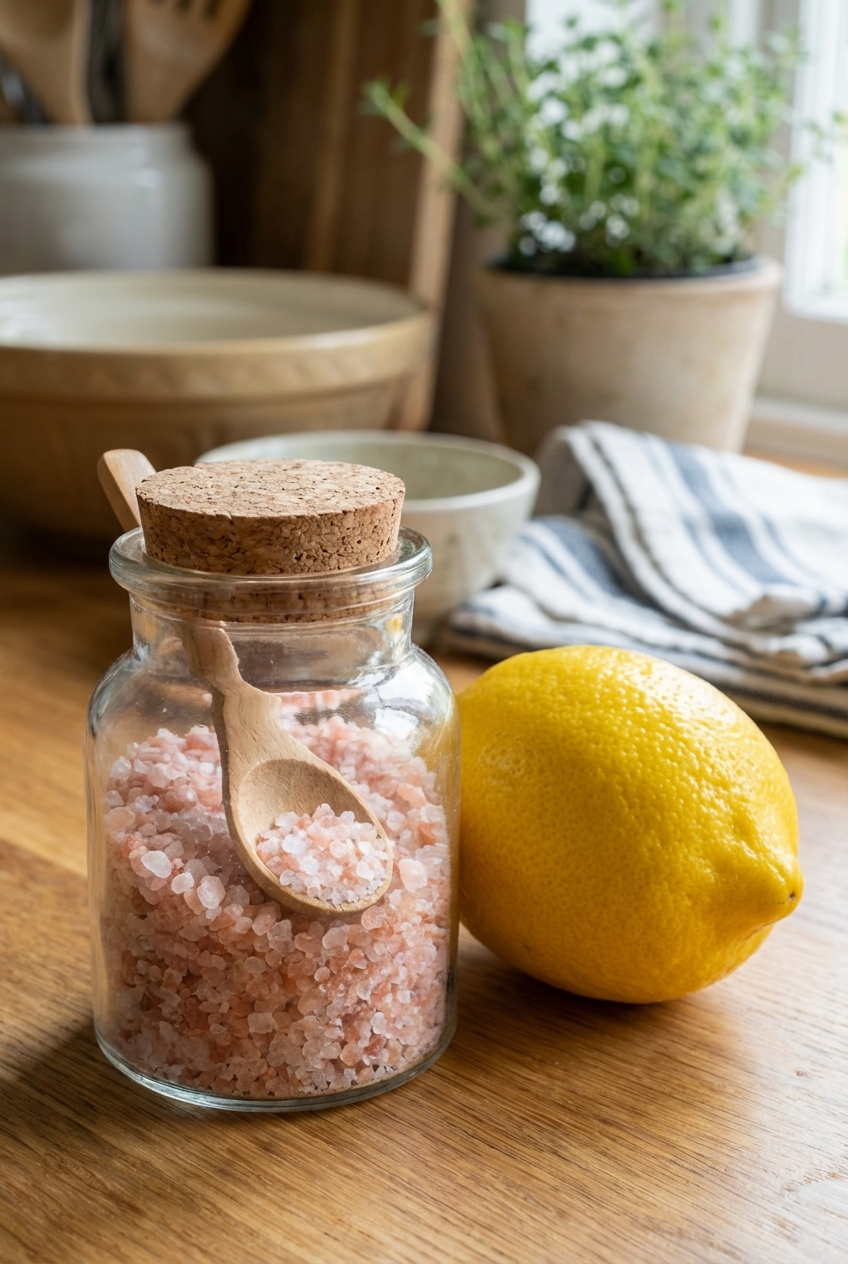
Nutritionally, it is still mostly sodium chloride. The trace minerals are present, but not in amounts that typically change health outcomes. Use it because you like the flavor and the vibe, not because you think it is medicine.
What is “sole,” technically?
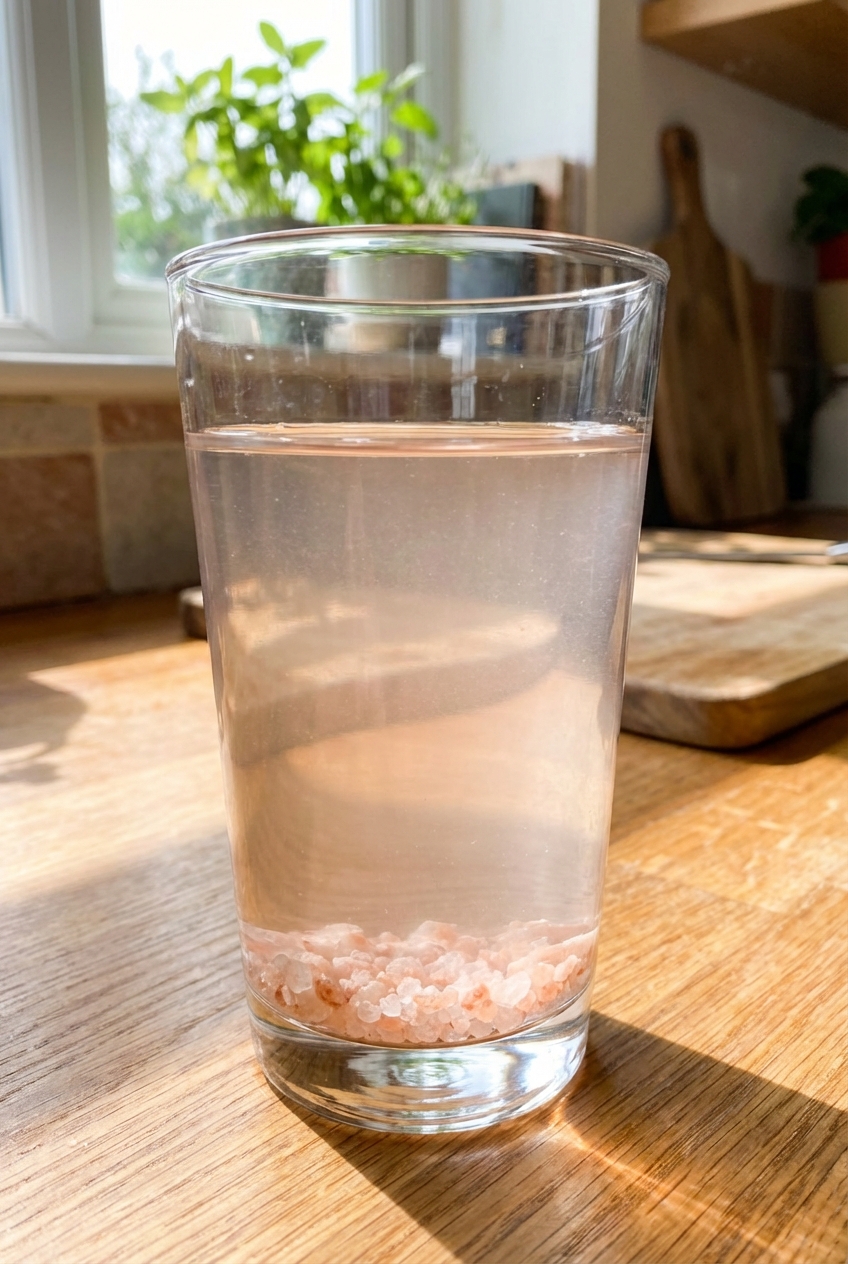
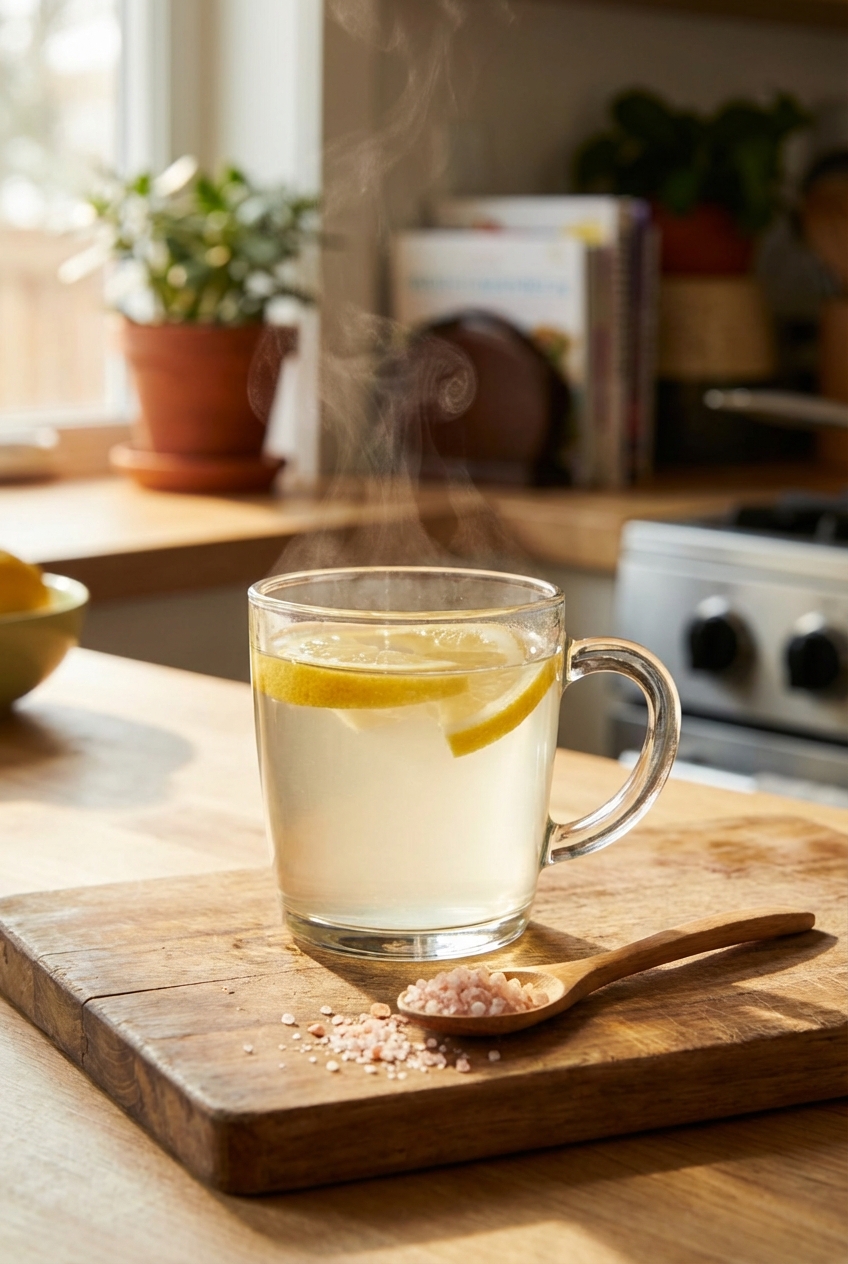
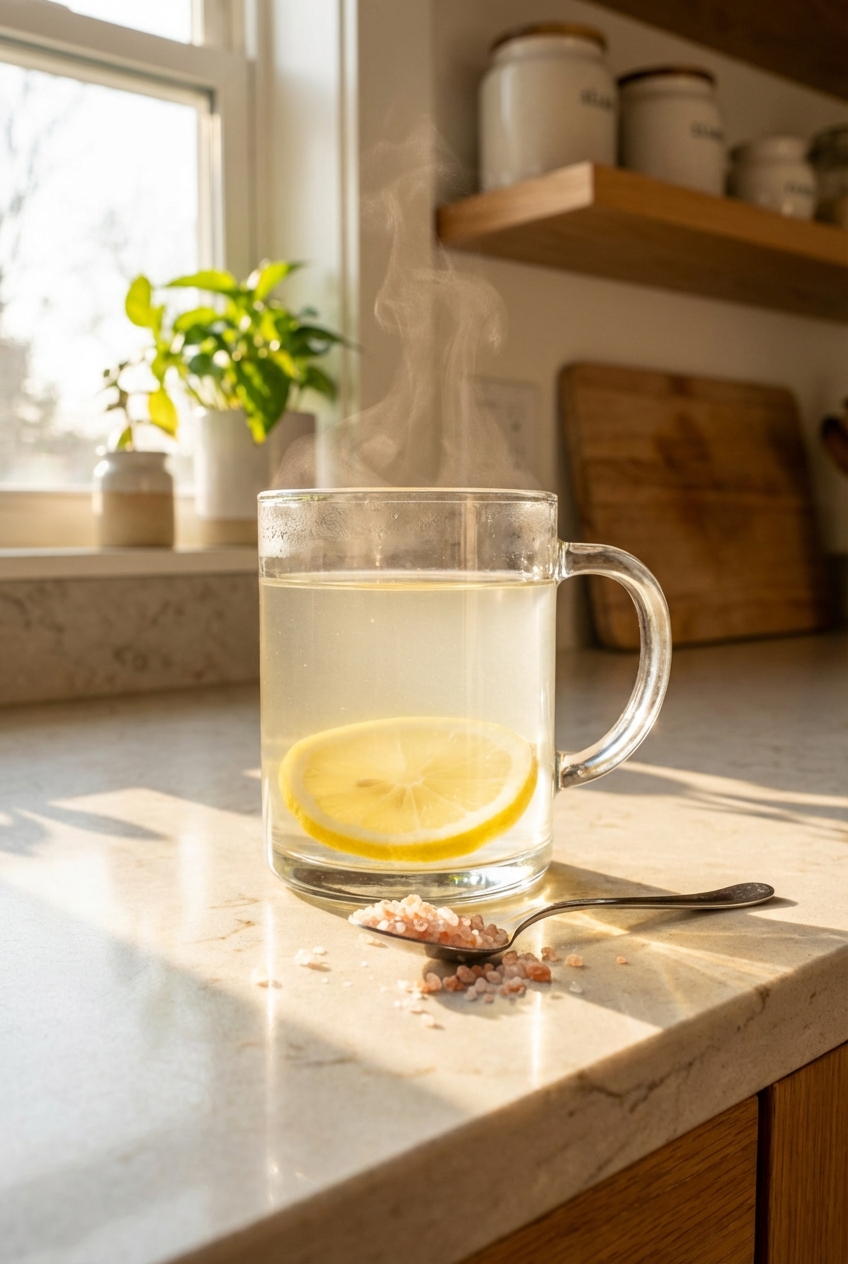
Traditionally, sole refers to a saturated salt water concentrate (a very salty brine). The drink people make in the morning is usually water diluted with a little sole or simply lightly salted water. This recipe is the direct-mix, single-serve version.
Can pink salt water make you retain water?
Yes. More sodium can increase water retention for some people, especially if you jump from low sodium to high sodium fast. If your rings feel tight or you feel puffy, reduce the salt or skip it.
How much salt is safe?
General guidance in the US often frames 2,300 mg sodium per day as an upper limit for many adults, and less for some people. 1/8 teaspoon of salt is roughly 290 to 300 mg sodium (table salt is often in that range), depending on the salt and crystal size. That is why this recipe keeps the salt amount modest.
How often can I drink it?
Start low and slow. Try it 2 to 3 times per week and see how you feel. Daily can be fine for some people, but only if it fits your overall sodium needs and your clinician has not told you to limit salt.
Who should avoid this drink?
Anyone with high blood pressure (especially uncontrolled), kidney disease, heart failure, edema, preeclampsia risk, or a sodium-restricted diet, plus anyone taking medications that affect fluid balance (including diuretics). When in doubt, check with a clinician.
Is this the same as an electrolyte drink?
Not really. This is lightly salted water. For long workouts, heavy sweating, or illness, a balanced electrolyte drink (sodium plus carbs, sometimes potassium) may work better than salt water alone.
Can I add apple cider vinegar?
You can, but keep it small: 1 teaspoon is plenty. Too much can bother your stomach or teeth. If you do it, drink through a straw and rinse your mouth with plain water.
How do I make sole concentrate?
If you want the concentrate method: fill a clean jar about 1/4 to 1/3 with pink salt, then add water to fill. Stir, cover, and let it sit until some salt remains undissolved at the bottom. That undissolved layer is your sign it is saturated. To use, add 1/4 teaspoon of the brine to 12 to 16 ounces water, then adjust to taste.