Mom's Best Recipes
Recipe

Polish Stuffed Cabbage

Tender cabbage rolls stuffed with beef and rice, baked in a tangy tomato sauce until cozy, savory, and weeknight-friendly.

Author By Matt Campbell
4.8
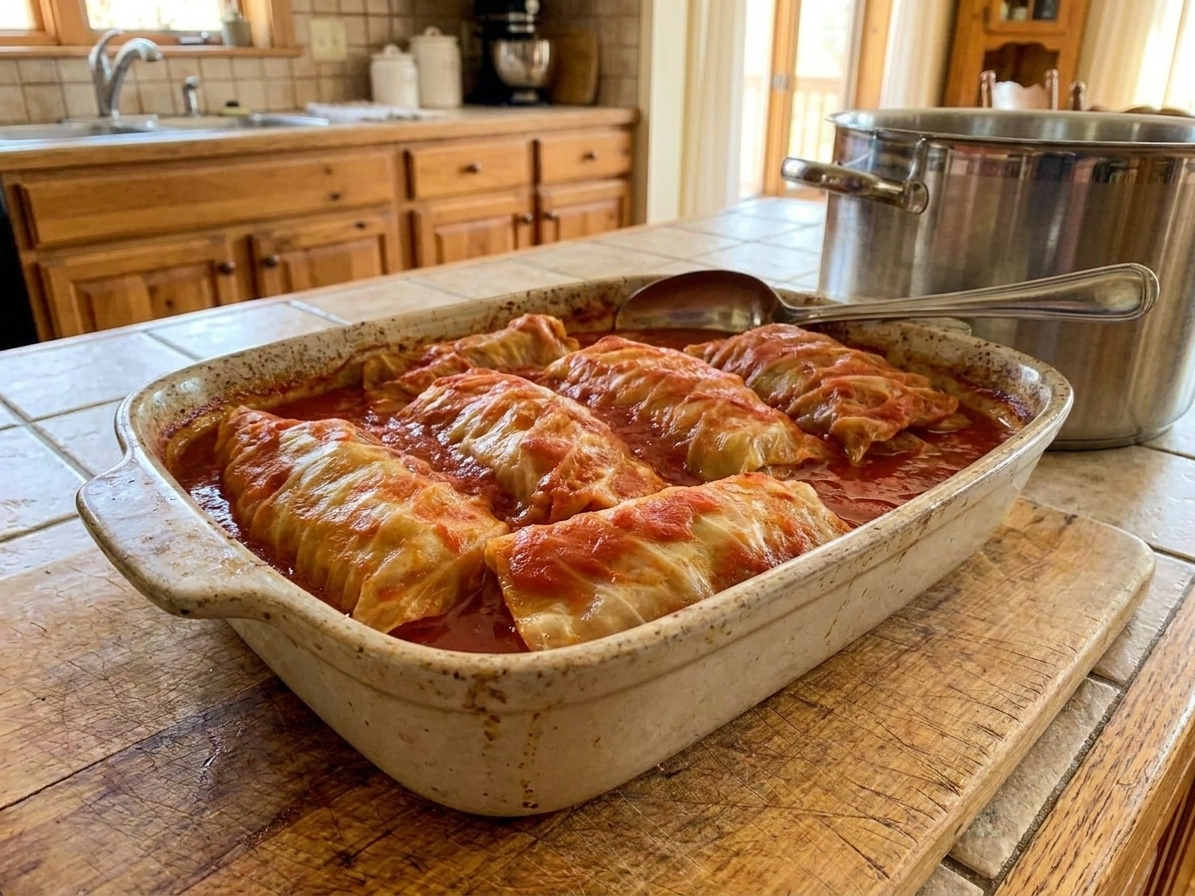
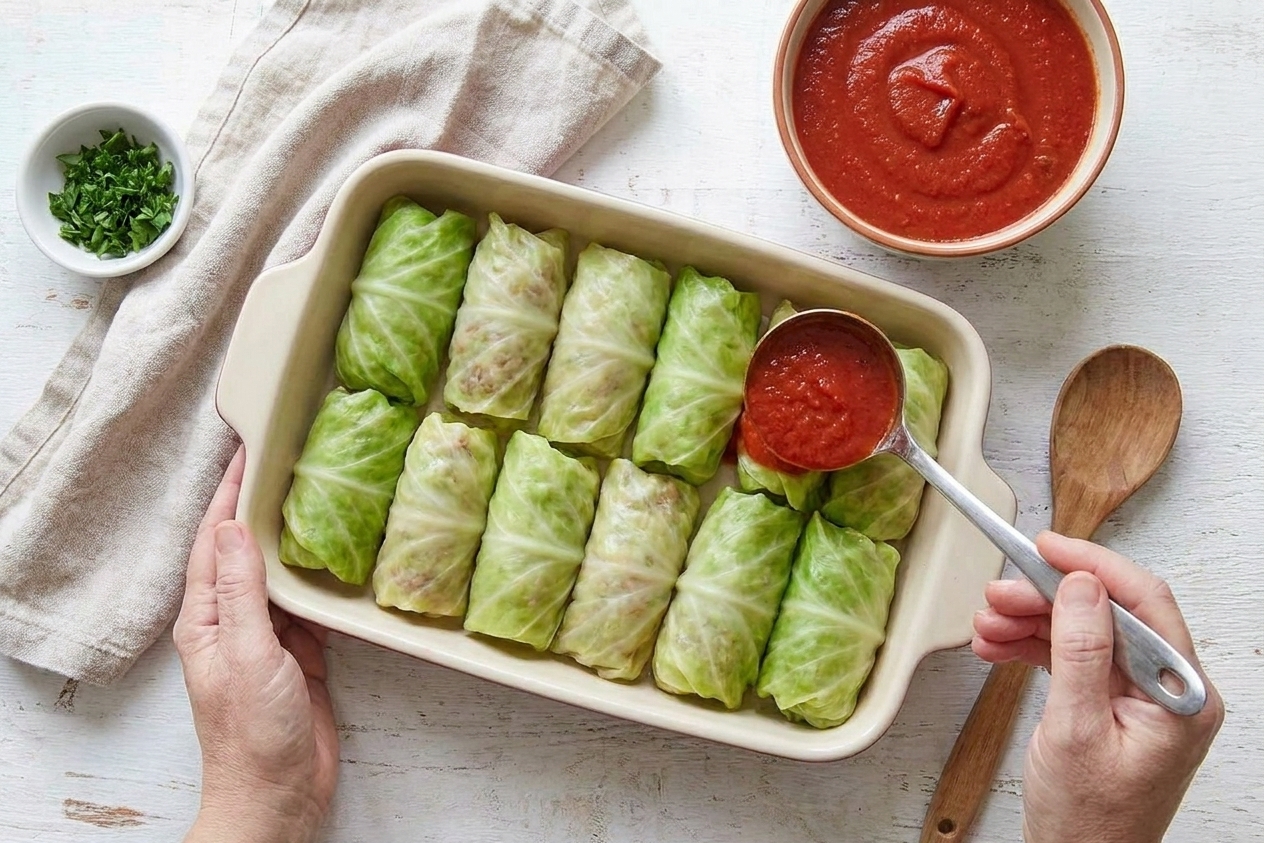
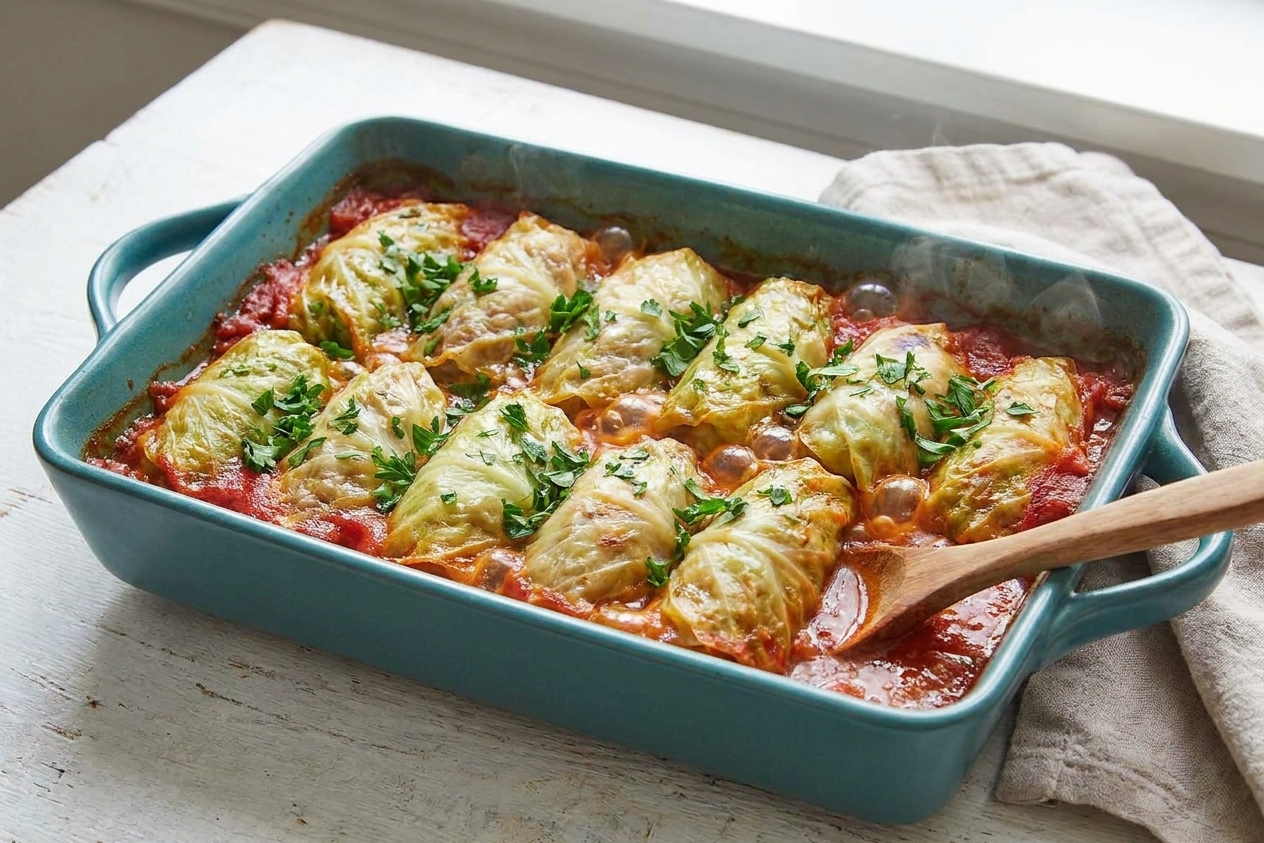
A deep baking dish filled with Polish stuffed cabbage rolls (golabki) nestled in tomato sauce, lightly garnished with chopped parsley on a rustic wooden table under warm kitchen lighting

Polish stuffed cabbage, aka golabki, is one of those meals that makes your kitchen smell like you have your life together. It is cozy, a little tangy, and deeply savory in that old-school way that makes you want a second roll before you have even finished the first.

This version keeps things classic and manageable: tender cabbage leaves wrapped around a simple beef and rice filling, then baked in a bright tomato sauce that soaks into everything. No fussy steps, no hard-to-find ingredients, and yes, you are absolutely allowed to make imperfect little bundles. They still taste incredible.

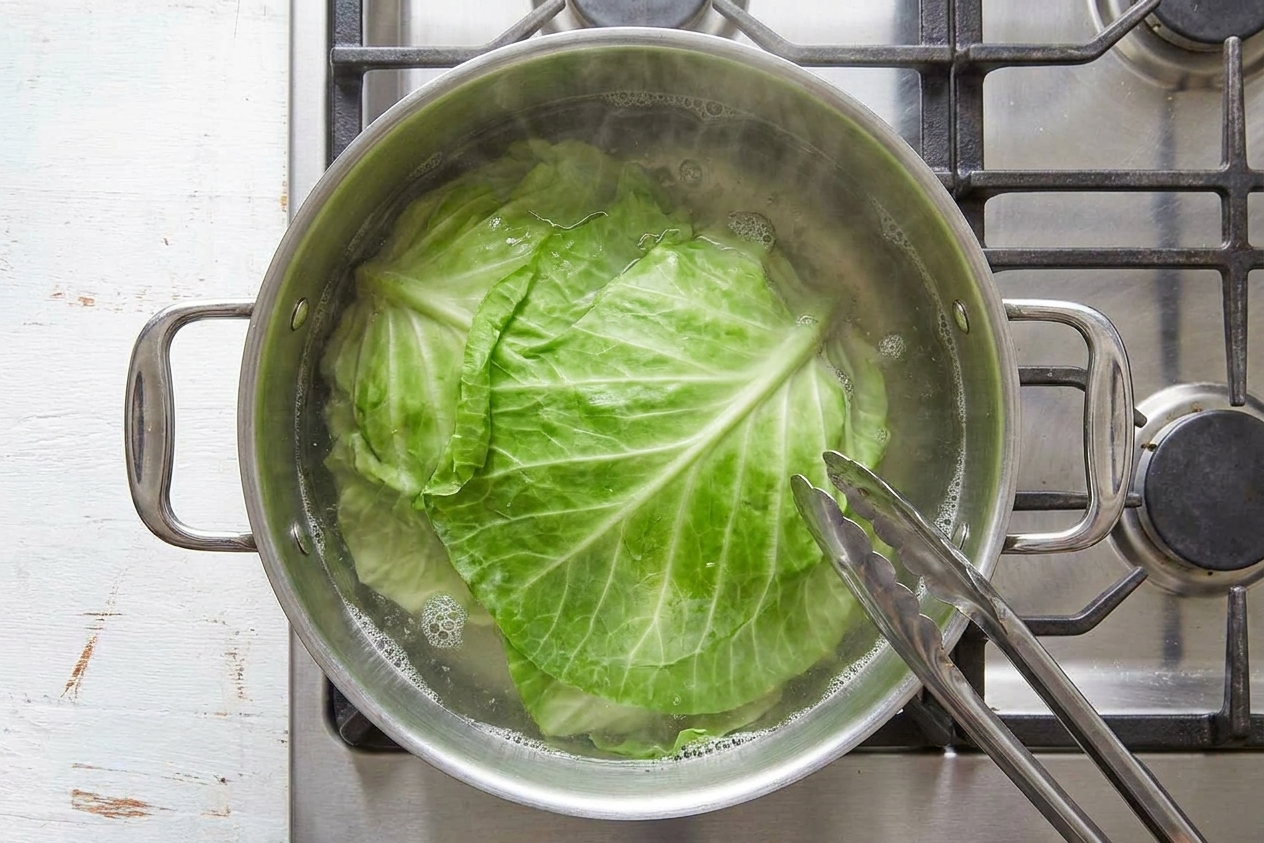
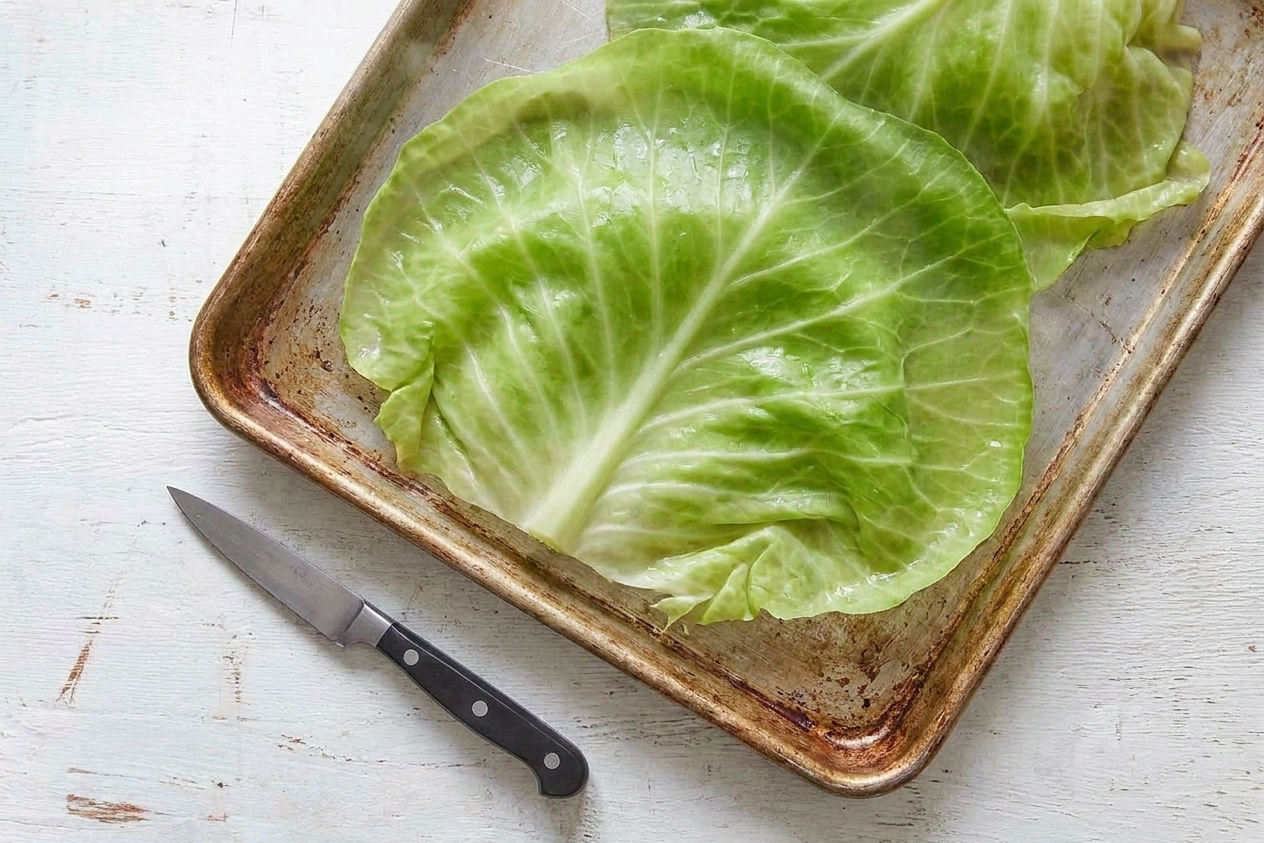
Green cabbage leaves blanching in a large pot of simmering water on a home stove, with tongs resting on the rim

Why It Works

  • Tender, not mushy cabbage thanks to a quick blanch that makes leaves flexible and easy to roll.
  • Juicy filling because the rice and egg hold moisture while the onion and garlic bring the savory base.
  • Bright tomato sauce with a little sweetness to balance the acidity, so every bite tastes rounded and cozy.
  • Make-ahead friendly since these reheat beautifully and honestly taste even better the next day.
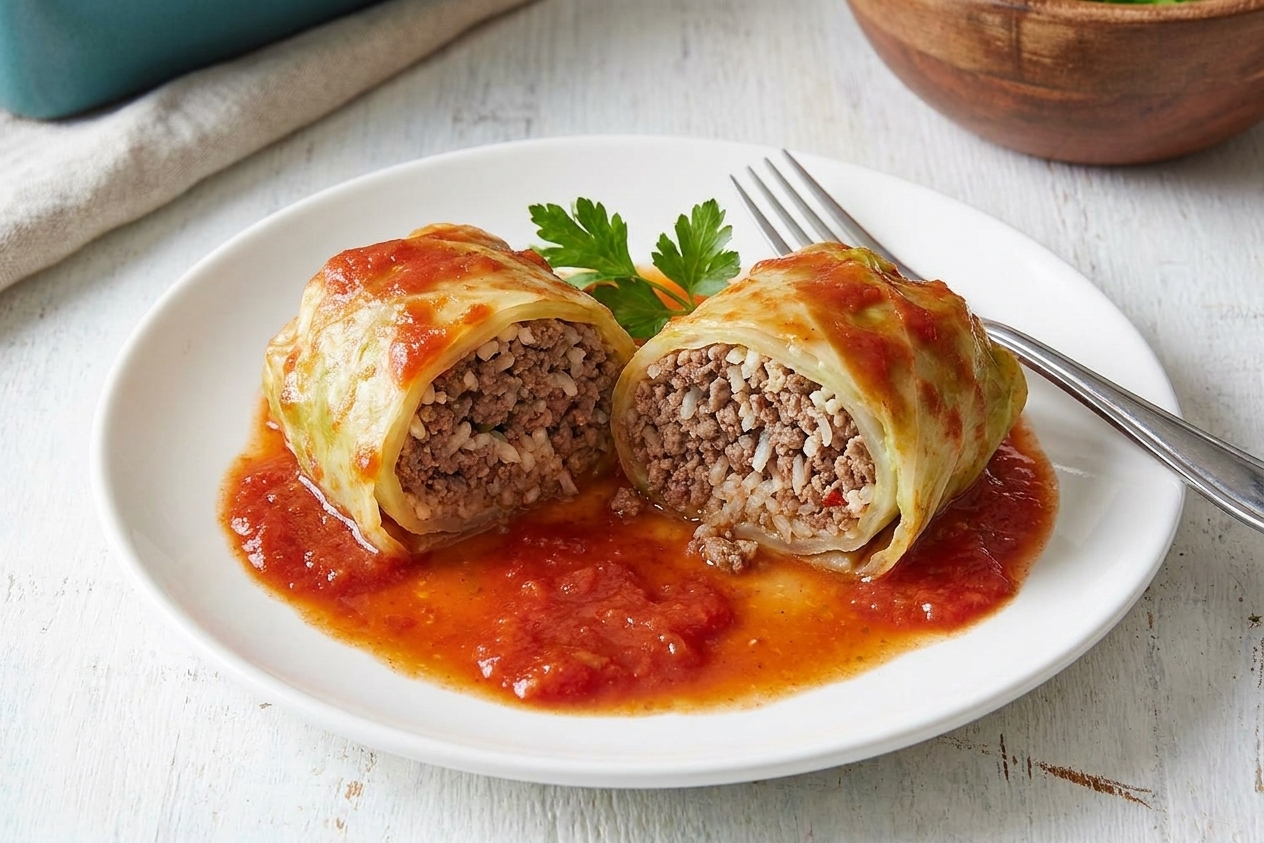
A cabbage roll cut in half on a plate, showing the beef and rice filling inside with tomato sauce pooling around it

Pairs Well With

Storage Tips

How to Store and Reheat

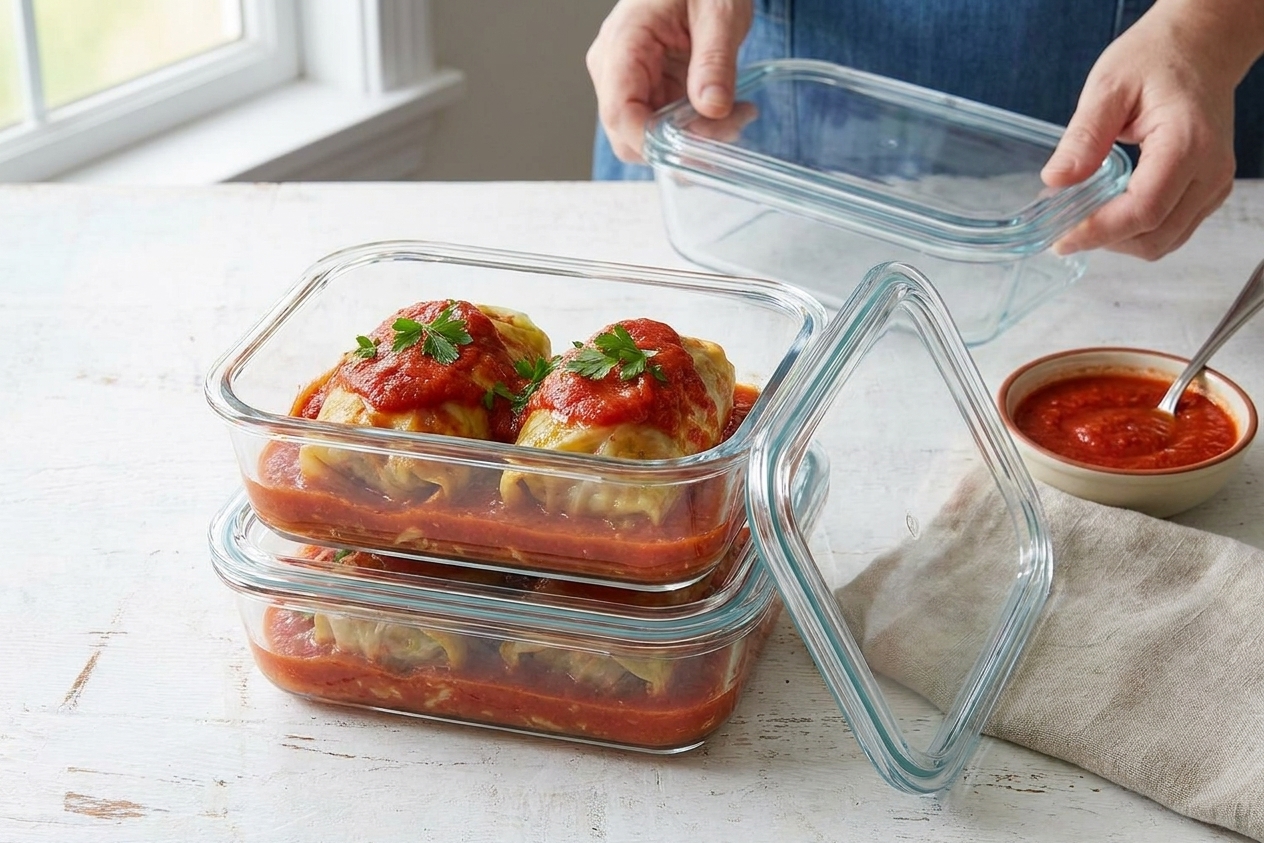
Refrigerate: Let rolls cool, then store in an airtight container with plenty of sauce. They keep well for up to 4 days (typical guidance).

Freeze: These freeze like champs. Arrange cooled rolls in a freezer-safe container, cover with sauce, and freeze up to 3 months for best quality.

Reheat: Warm in a covered saucepan over low heat with a splash of water if the sauce is thick, or reheat in the microwave in short bursts until hot throughout. If reheating a big batch, cover and bake at 350°F until bubbling, about 20 to 30 minutes.

Portioned cabbage rolls in glass meal prep containers with tomato sauce, stacked on a kitchen counter next to a lid

Common Questions

Common Questions

Do I have to use green cabbage?

Green cabbage is the classic choice and rolls easily. Savoy cabbage is also great because it is extra tender and flexible. Napa cabbage works in a pinch but gets softer faster, so keep an eye on bake time.

Can I use cooked rice instead of uncooked?

Yes. If using cooked rice, use 1 1/2 cups cooked and reduce the liquid slightly by skipping the extra water in the filling. The rolls may bake a little faster, too.

My rice is still crunchy. What happened?

This usually comes down to heat and moisture. If the sauce was not very hot when it went on, the dish was not sealed tightly, or the rolls are packed snug, the rice may need more time. Keep baking covered until the rice is tender. Add a splash of water or broth if the pan looks dry. You can also par-cook the rice for 10 minutes next time for extra insurance.

Why are my cabbage leaves tearing?

Usually they need another 30 to 60 seconds in hot water, or you are trying to roll the thick core. Shave down the thick rib from the underside with a knife so the leaf bends without fighting you.

Do I need to sear the rolls first?

Nope. Baking them tucked under sauce does the job. If you like a deeper flavor, you can lightly brown the rolls in a skillet, but it is optional and adds dishes.

What should the internal temperature be?

For ground beef or pork, aim for 160°F in the center of a roll. If you do not have a thermometer, cut one open to check that the meat is fully cooked and the rice is tender.

Can I soften the cabbage without blanching?

Yes. Freeze the whole head of cabbage overnight, then thaw it in the fridge. The leaves turn flexible and easy to peel, no pot required. It is a great make-ahead move.

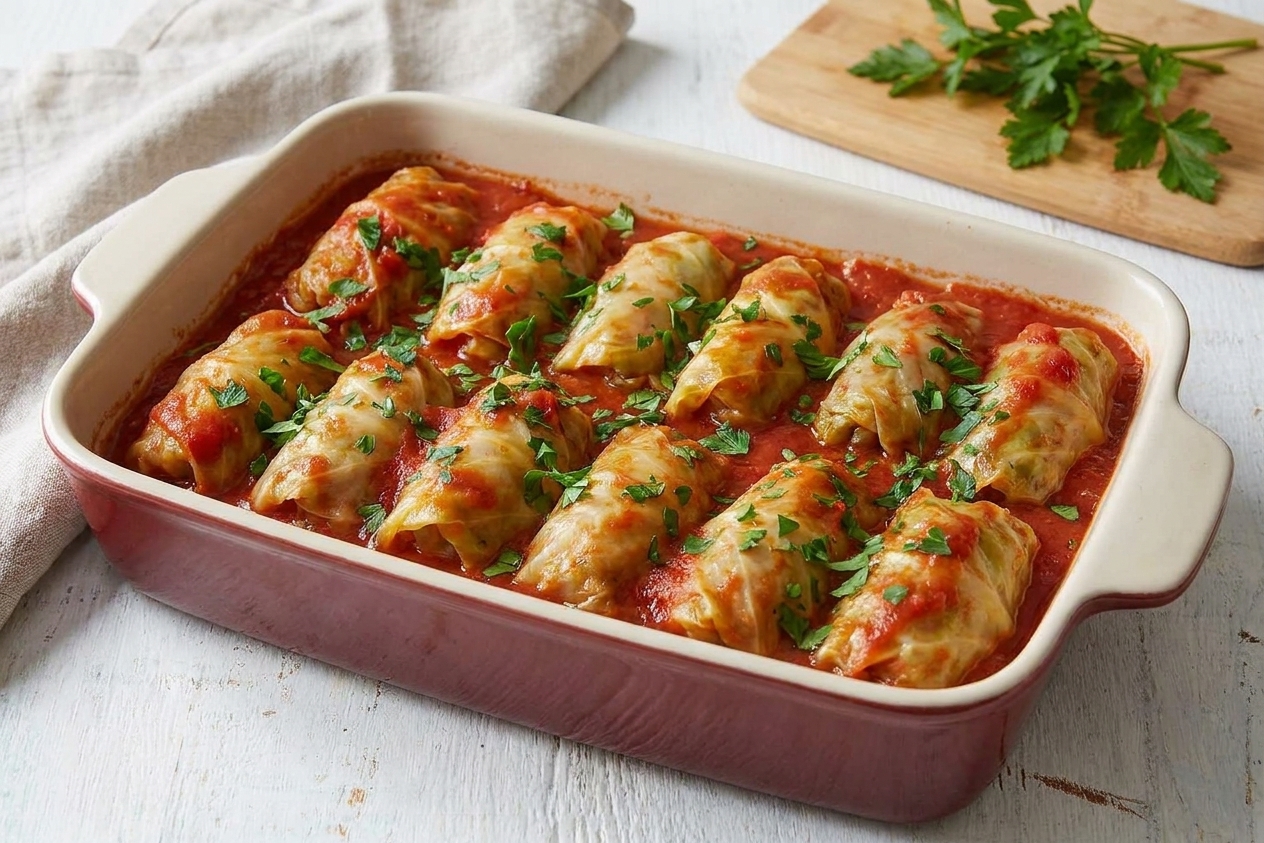
The first time I made golabki, I treated the cabbage like it was a fragile science experiment. I was babying every leaf, measuring every spoon, and still ended up with a few rolls that looked like they had been packed in a hurry. Then I tasted them and realized something important: stuffed cabbage is not a beauty contest. It is comfort food. It is supposed to be a little rustic, a little saucy, and ridiculously satisfying.

Now I cook it the way I like cooking with friends. Music on, sauce simmering, and somebody inevitably sneaking a taste from the spoon. If a roll opens up a bit, great. That just means more sauce gets in.

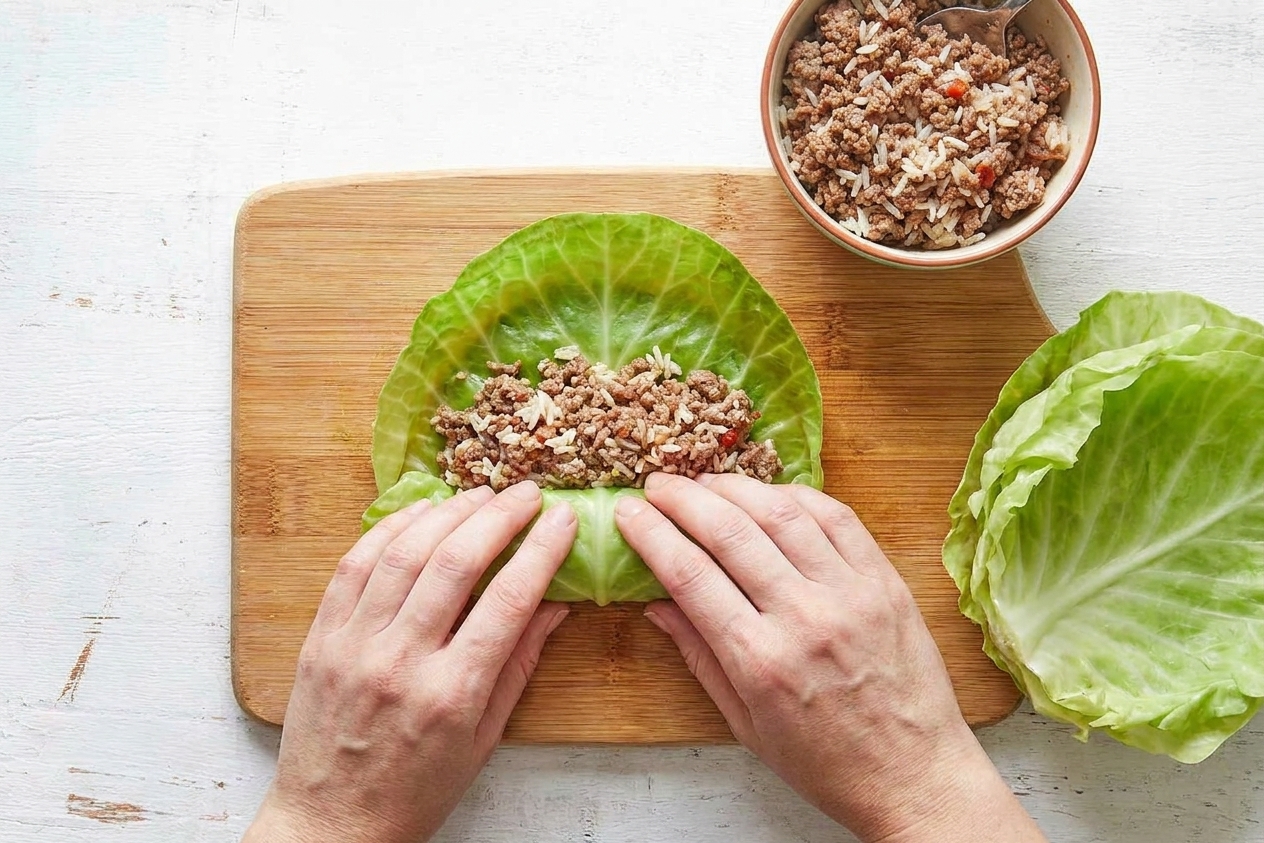
A home cook’s hands rolling a blanched cabbage leaf around a mound of beef and rice filling on a wooden cutting board