Mom's Best Recipes
Recipe

Porchetta-Style Pork Roast

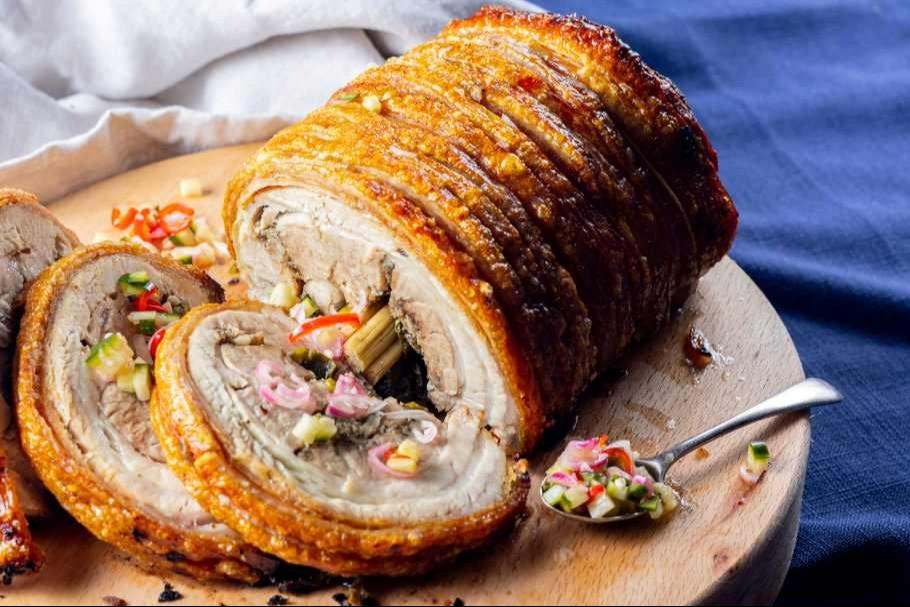
A crispy-skin pork roast with a rosemary-garlic filling, roasted hot for crackling and sliced thin like the best Italian sandwich shop.

Author By Matt Campbell
4.8
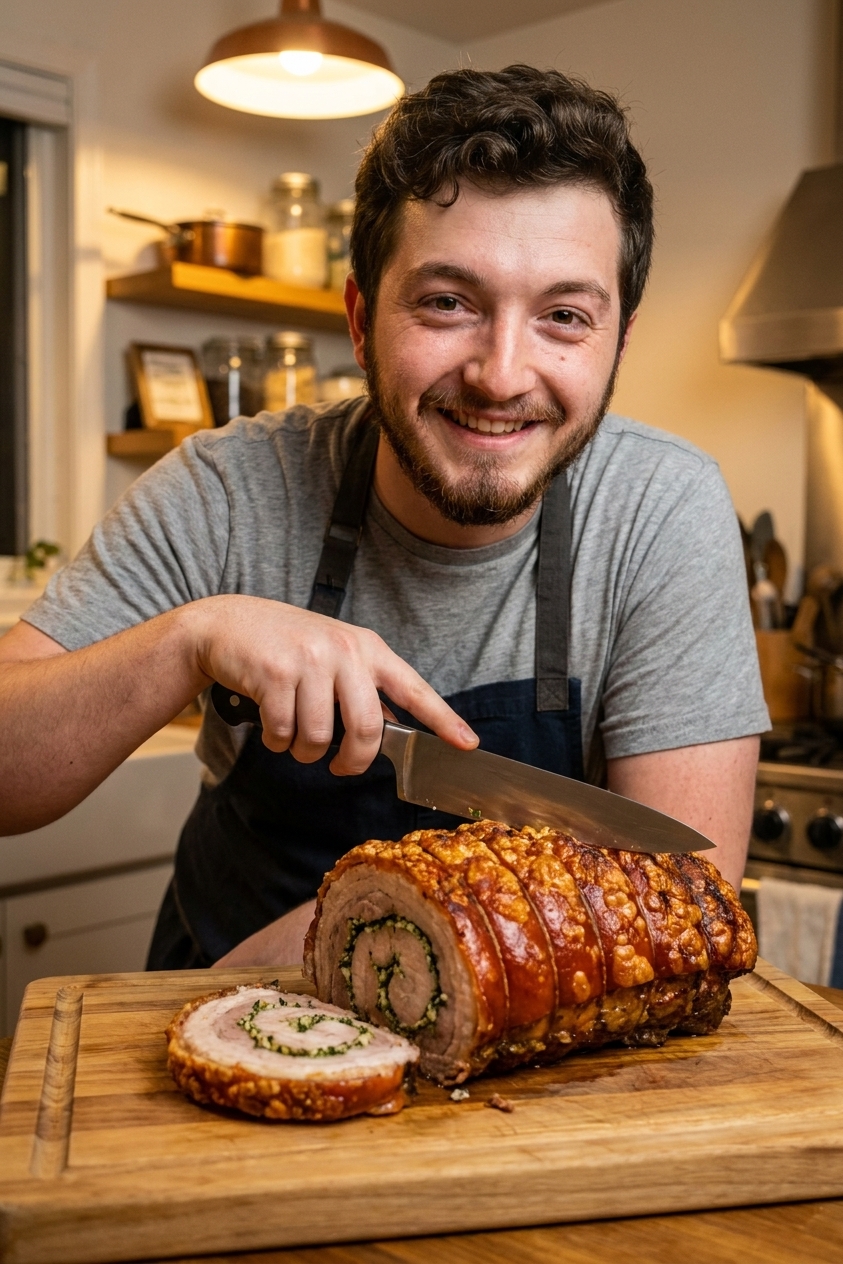
A porchetta-style pork roast with blistered crispy skin and a spiral of herb-garlic filling, resting on a cutting board with a chef's knife nearby, warm kitchen lighting

If you have ever bitten into porchetta and thought, how is the skin that loud and the meat that juicy, welcome. This is the home-kitchen version that still brings the drama: crackly, blistered skin; a garlicky herb layer that perfumes every slice; and that cozy, salty pork thing that makes people hover near the cutting board like it is a campfire.

You can make it two ways: the classic rolled pork belly if you want maximum crackling and rich slices, or a more weeknight-friendly (and budget-friendly) butterflied pork shoulder if you want porchetta vibes with a little more forgiveness. Either way, the big secret is not fancy equipment. It is dry skin, overnight seasoning, and a high-heat finish.
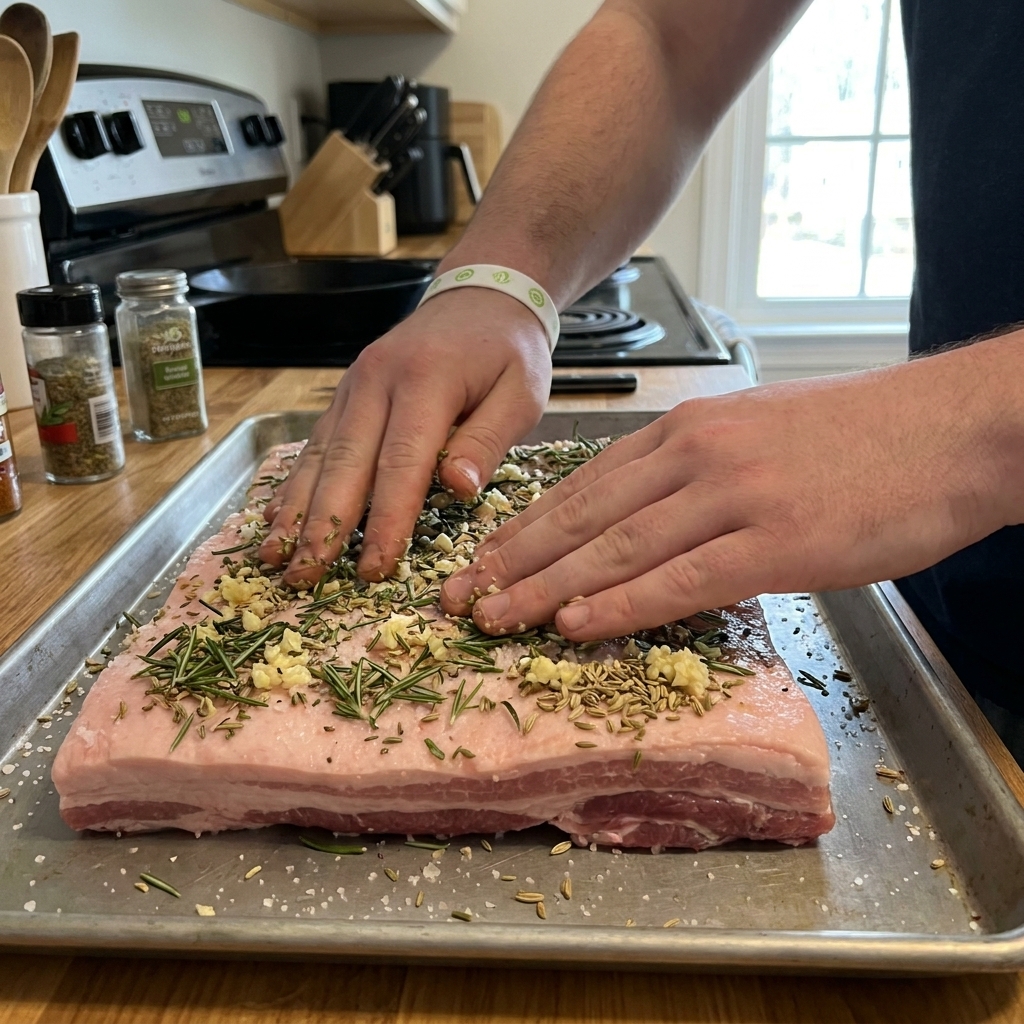
Close-up of hands rubbing a pork belly with chopped rosemary, minced garlic, fennel seeds, and salt on a sheet pan, home kitchen photo

Why It Works

  • Overnight dry brine seasons the meat deeply and dries the skin so it crackles instead of steaming.
  • Herb, garlic, fennel, and citrus zest deliver that classic porchetta flavor without hard-to-find ingredients.
  • Two-stage roasting keeps the interior juicy, then finishes hot to blister the skin.
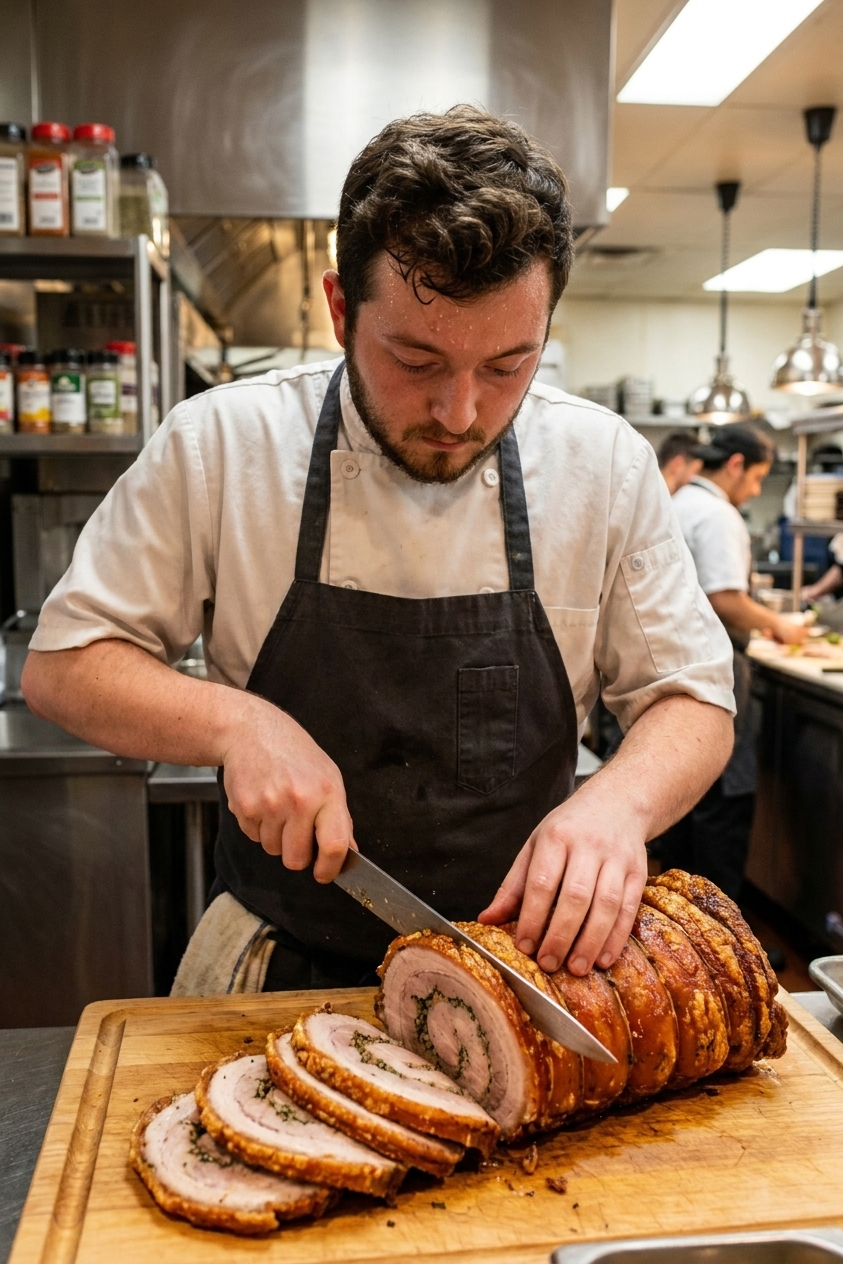
  • Resting and thin slicing give you clean spirals and tender bite, not torn, leaky slices.

Pairs Well With

Storage Tips

Refrigerate: Cool leftovers, then wrap tightly or store in an airtight container for up to 4 days.

Freeze: Slice, wrap portions in plastic wrap, then place in a freezer bag. Freeze up to 2 months. Thaw overnight in the fridge.

Reheat without sadness: For best texture, reheat slices on a sheet pan at 375°F until warmed through, about 8 to 12 minutes. If you want the skin to crisp again, place skin-side up and give it a quick 1 to 3 minutes under the broiler, watching closely.

Leftover idea: Thin slices on toasted rolls with mustard, pickled onions, and a little mayo. Yes, this turns into a problem in the best way.

Common Questions

Do I have to use pork belly?

Nope. Pork belly is the classic move for maximum crackling and rich slices, but a butterflied pork shoulder (Boston butt) works great. It is leaner than belly (but still nicely fatty), stays juicy, and is easier to find. Ask the butcher to butterfly it, or do it yourself with a long knife.

How do I actually get crispy skin?

Three things: dry skin, salt, and high heat. Pat the skin very dry, leave it uncovered in the fridge overnight if you can, and roast hot at the end. Also, avoid letting the skin touch wet filling. Score only the skin and fat, not deep into the meat.

Can I prep this ahead for a dinner party?

Yes. Season and roll it the day before, then roast the next day. Once cooked, porchetta holds well. Let it rest, then loosely tent with foil for up to 45 minutes. Skin is crispiest right after roasting, so time the final high-heat stage close to serving.

What internal temperature should I target?

It depends on the texture you want and the cut.

For sliceable porchetta-style roast: pull at 160 to 165°F in the thickest part, then rest. This gives you juicy, clean slices and enough heat to render a good amount of fat in belly.

For pull-apart shoulder: if you are using pork shoulder and want that shreddable, collagen-melted tenderness, keep roasting until about 190 to 200°F. That is a different vibe, still delicious, just less deli-sliceable.

Either way, remember carryover cooking. The center can climb a few degrees while it rests.

I love recipes that feel a little chaotic in a fun way, like you are building something impressive without needing a culinary degree and a backup plan. Porchetta is exactly that. The first time I made it, I was convinced I would either undercook the middle or burn the skin into pork glass. Turns out, the method is simple: dry it out, season it like you mean it, then let the heat do its thing. Now it is my go-to “I want applause but I also want leftovers” roast.