Mom's Best Recipes
Recipe

Pork Chile Verde

A bright, savory green stew with roasted tomatillos and chiles, simmered until the pork is fork-tender and the sauce turns silky.

Author By Matt Campbell
4.8
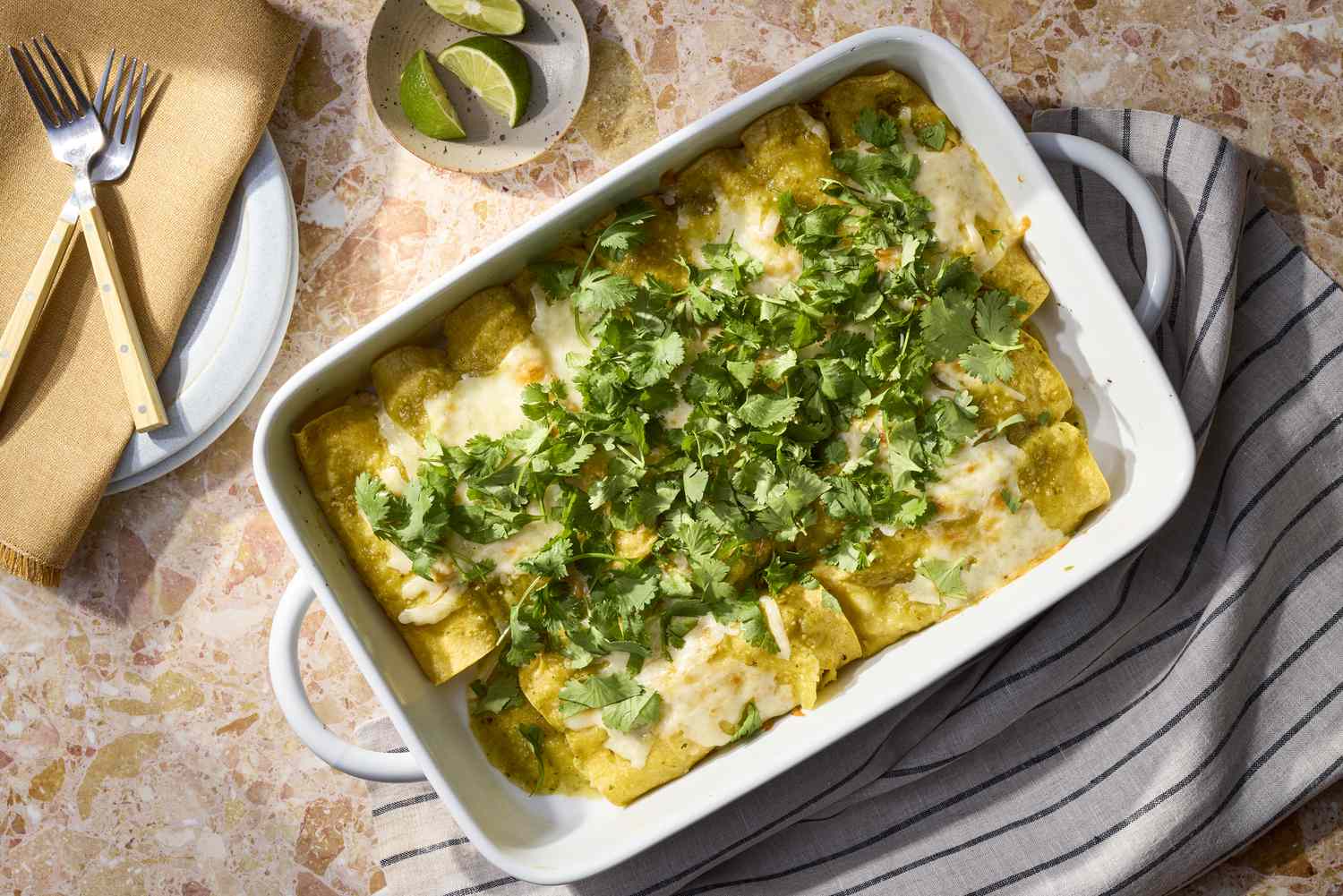
A bowl of pork chile verde with tender chunks of pork in a glossy green sauce, topped with cilantro and diced onion on a neutral-toned kitchen table

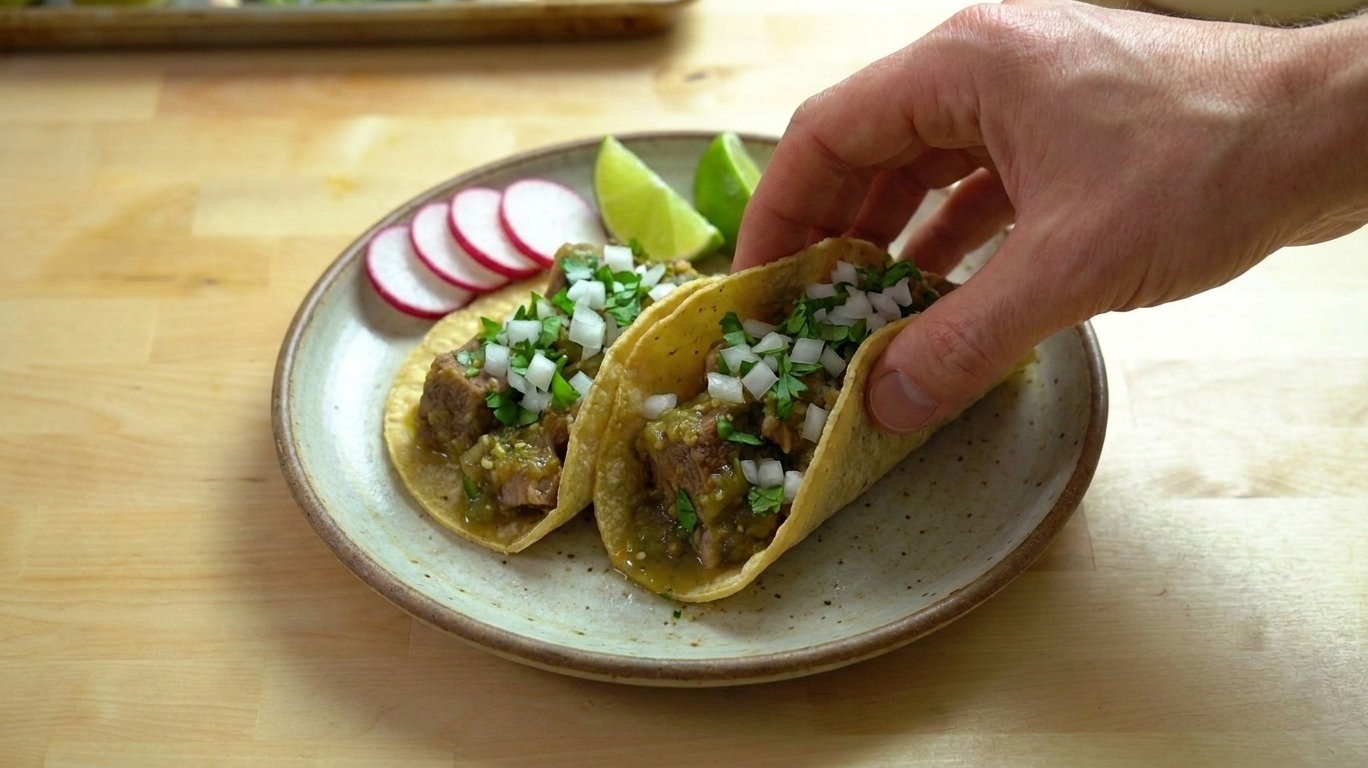
Chile verde is one of those dishes that feels like it should be complicated, like you need a special pot and three hours of spiritual preparation. Nope. This is the version I make when I want bright green chile flavor, tender pork, and a sauce that makes you keep “checking for seasoning” with another tortilla.

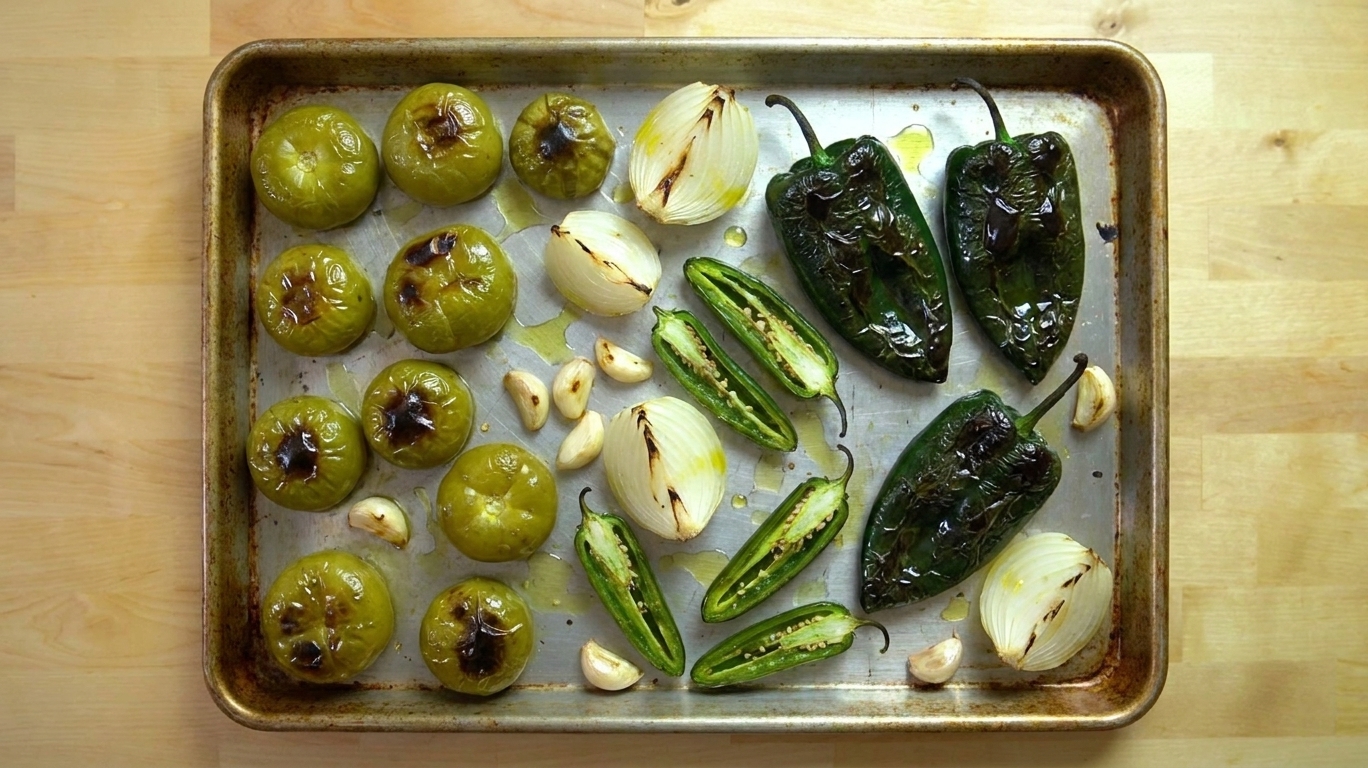
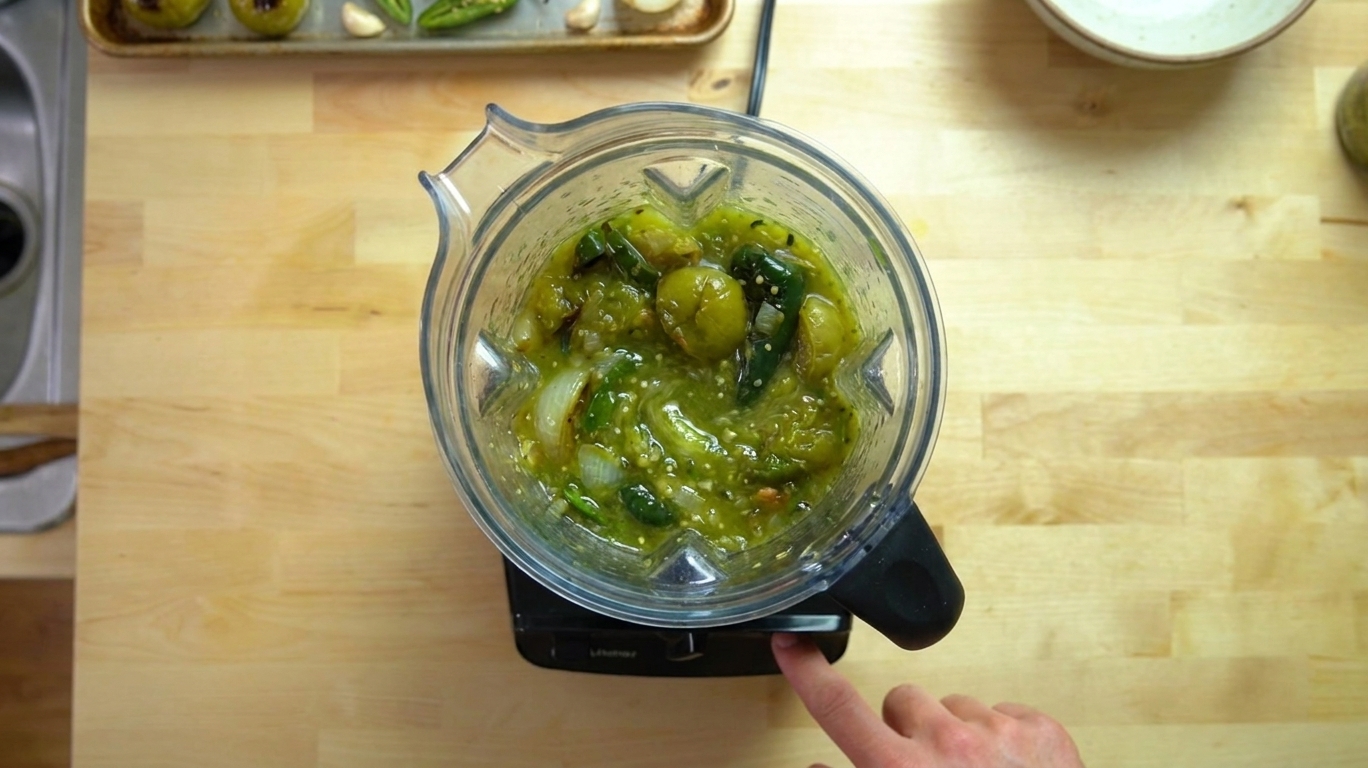
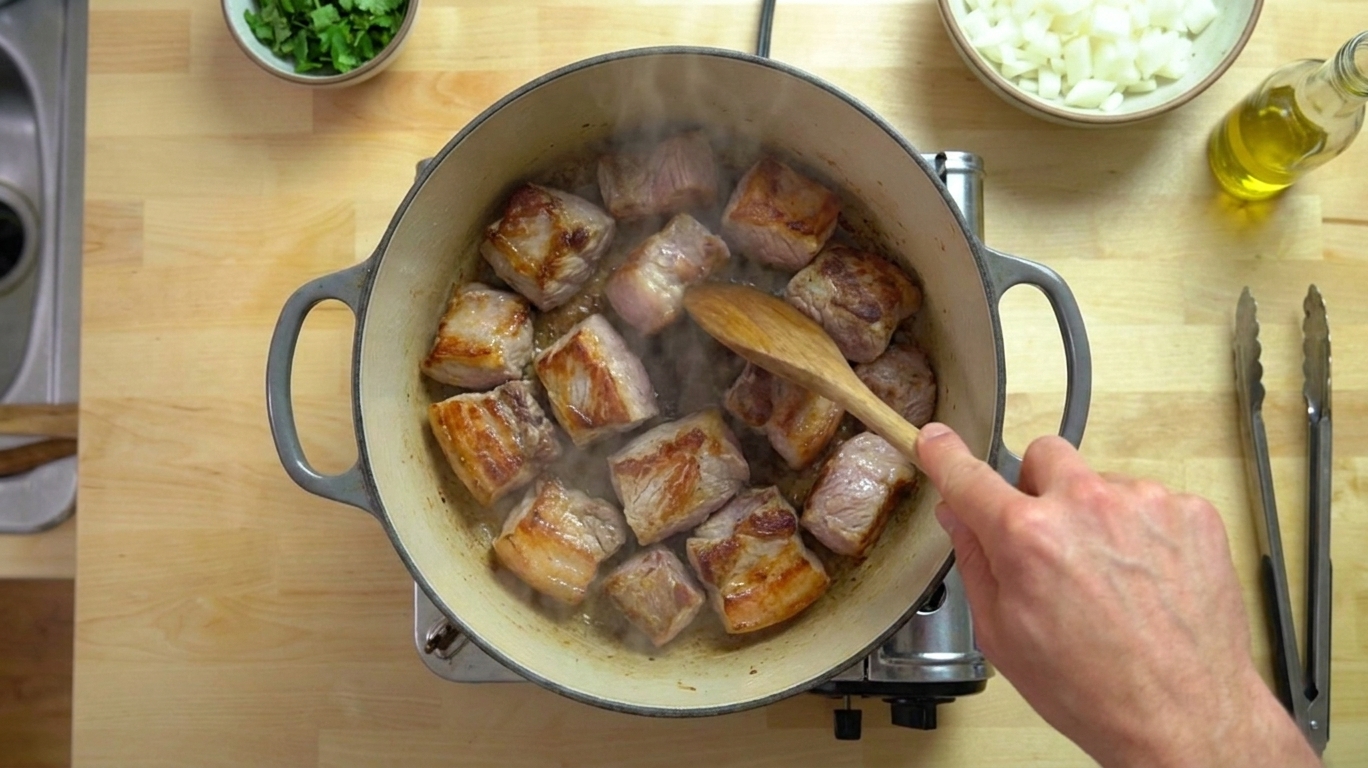
The trick is simple: roast the tomatillos and peppers to build depth, then let the pork take a long, low simmer until it basically gives up and becomes spoon-tender. The result is cozy and rich, but still zingy and fresh, which is exactly my kind of comfort food.

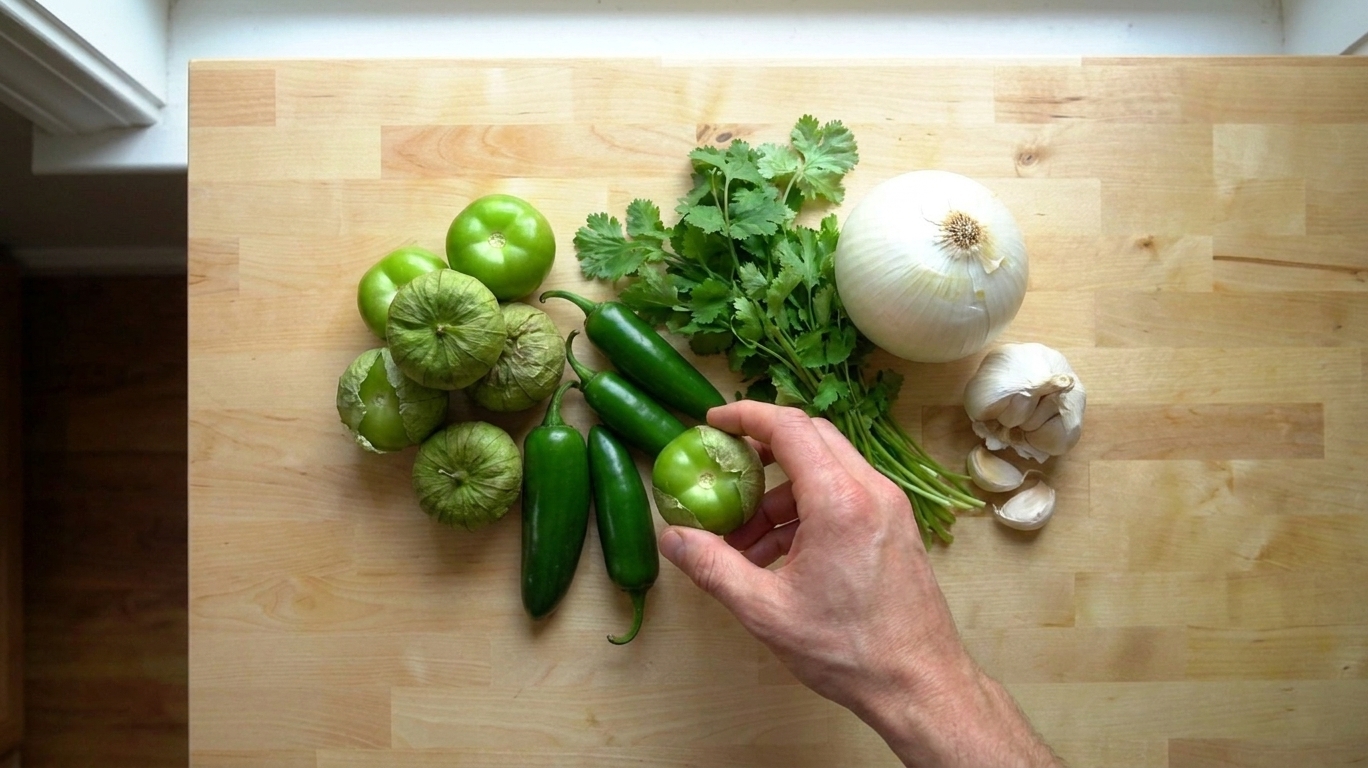
Fresh tomatillos, jalapeños, cilantro, onion, and garlic arranged on a light-colored kitchen counter in natural window light

Why It Works

  • Roasting does the heavy lifting. Tomatillos and peppers char, soften, and concentrate, giving you a deeper, less sharp green sauce.
  • Pork shoulder stays juicy. It has enough fat to stay tender through a long simmer, which is exactly what chile verde wants.
  • Blending creates that restaurant-style sauce. Smooth, spoon-coating, and perfect for clinging to rice, tortillas, or chips.
  • It gets better overnight. The flavors settle in and turn even more savory the next day.

Pairs Well With

Storage Tips

Refrigerator: Cool completely, then store in an airtight container for up to 4 days. The sauce thickens as it chills. Add a splash of broth or water when reheating.

Freezer: Freeze in portioned containers or freezer bags for up to 3 months. Thaw overnight in the fridge, then rewarm gently on the stove.

Reheating: Warm over medium-low heat, stirring occasionally. If the sauce looks tight or sticky, loosen with broth. Taste again at the end and add a pinch of salt or a squeeze of lime to wake it up.

Yield note: You will end up with roughly about 8 cups, depending on how much it reduces.

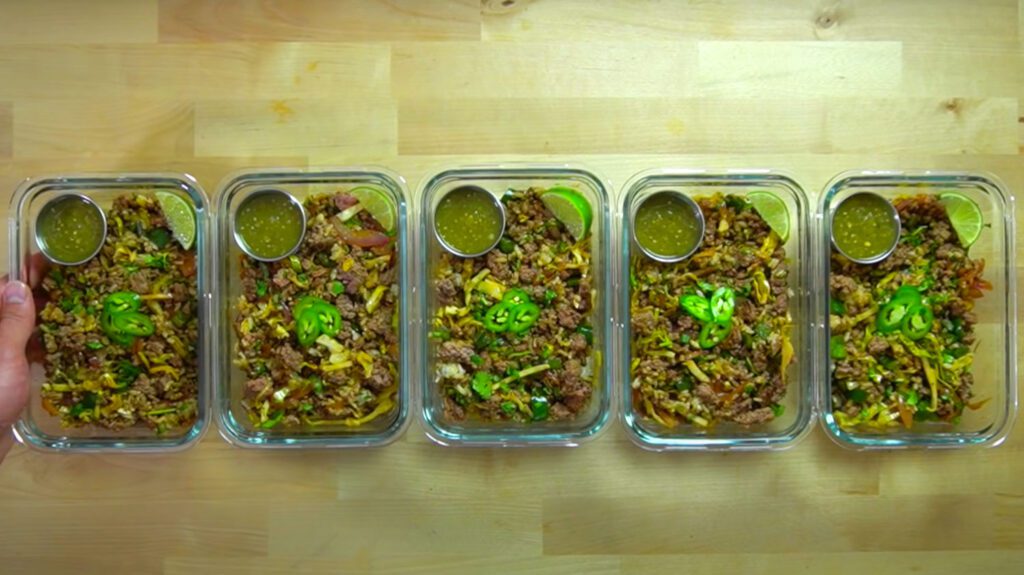
Portioned chile verde in clear glass meal prep containers with lids on a kitchen counter, ready for the refrigerator

Common Questions

What is chile verde?

Chile verde is a stew or braise made with green chiles and usually tomatillos, which give it that signature tangy, bright flavor. It is often made with pork, but chicken is common too.

Is chile verde spicy?

It can be. This recipe lands around medium for a lot of people with 2 jalapeños and 2 poblanos, but pepper heat can be wildly inconsistent. If you want milder chile verde, remove the seeds and ribs and lean more on poblanos. For hotter, swap in a serrano or two.

Can I make chile verde without tomatillos?

You can, but it will taste different. Tomatillos bring a tart, fruity acidity. In a pinch, you can use a mix of green salsa (salsa verde) and a little lime, but the flavor will be less roasted and more straightforward.

Should the sauce be smooth or chunky?

Totally personal. I like a smooth blended sauce for that velvety, restaurant vibe. If you want it chunkier, pulse the blender a few times and leave some texture.

Can I use an Instant Pot or slow cooker?

Yes, and I still recommend roasting and blending the sauce first for the best flavor.

Instant Pot: Brown the pork using Sauté (in batches), then pour in the blended sauce, add bay leaf, and cook on High Pressure for 35 minutes. Let it naturally release for 10 to 15 minutes, then quick release. If the pork is not fork-tender, pressure cook 5 to 10 minutes more. Finish with lime and simmer on Sauté to thicken if needed.

Slow cooker: Brown the pork first if you can (big flavor payoff). Add pork, blended sauce, broth, and bay leaf. Cook on LOW 6 to 8 hours or HIGH 4 to 5 hours, until fork-tender. Finish with lime.

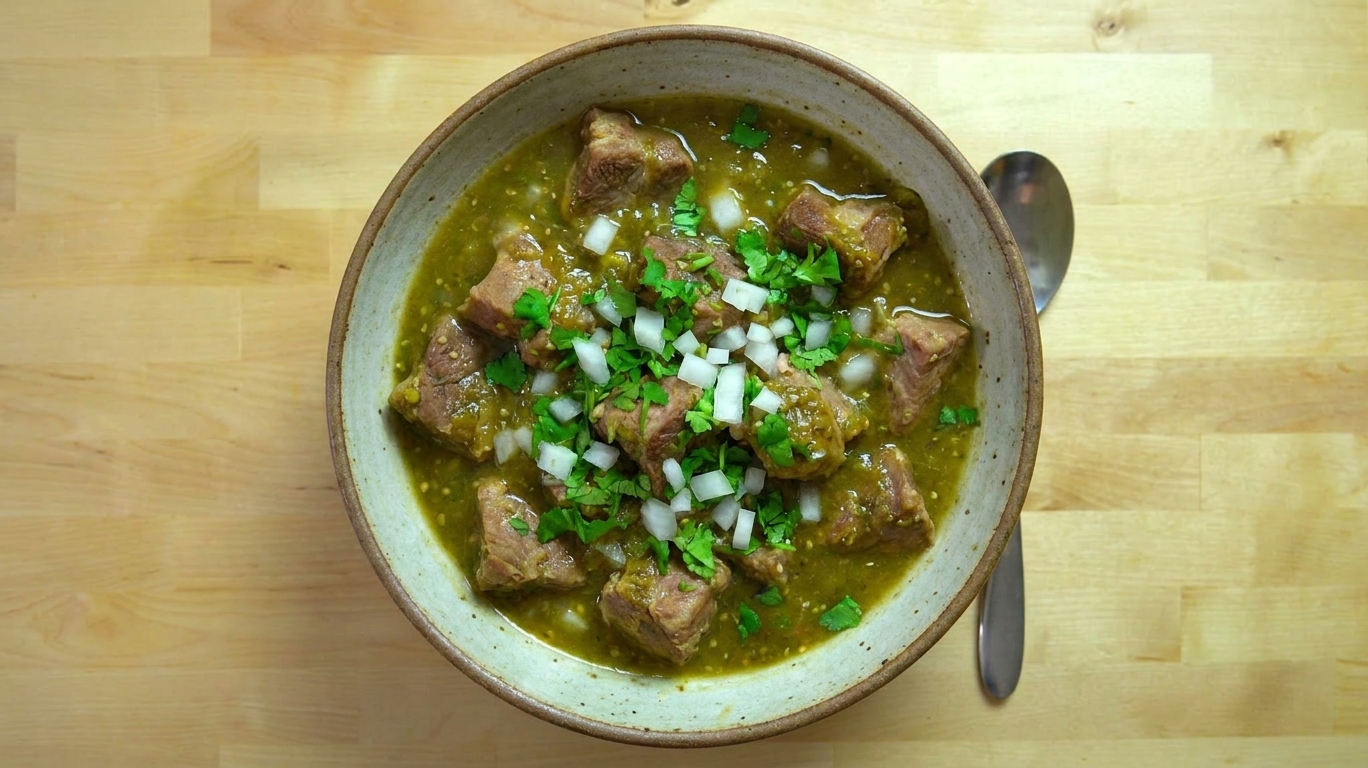
The first time I made chile verde at home, I was aiming for “casual taco night” and accidentally landed on “why are we standing around the pot eating straight from the ladle.” It is one of those recipes that makes the kitchen smell like you did something impressive, even if the real move was just roasting stuff on a pan and letting time do its thing. Now I make it whenever I want a meal that feels like a hug but still has a little spark to it.