Mom's Best Recipes
Recipe

Quaker Oatmeal Cookies

Buttery, cinnamon-warm oatmeal cookies with chewy centers, crisp edges, and that classic Quaker-style bite.

Author By Matt Campbell
4.8
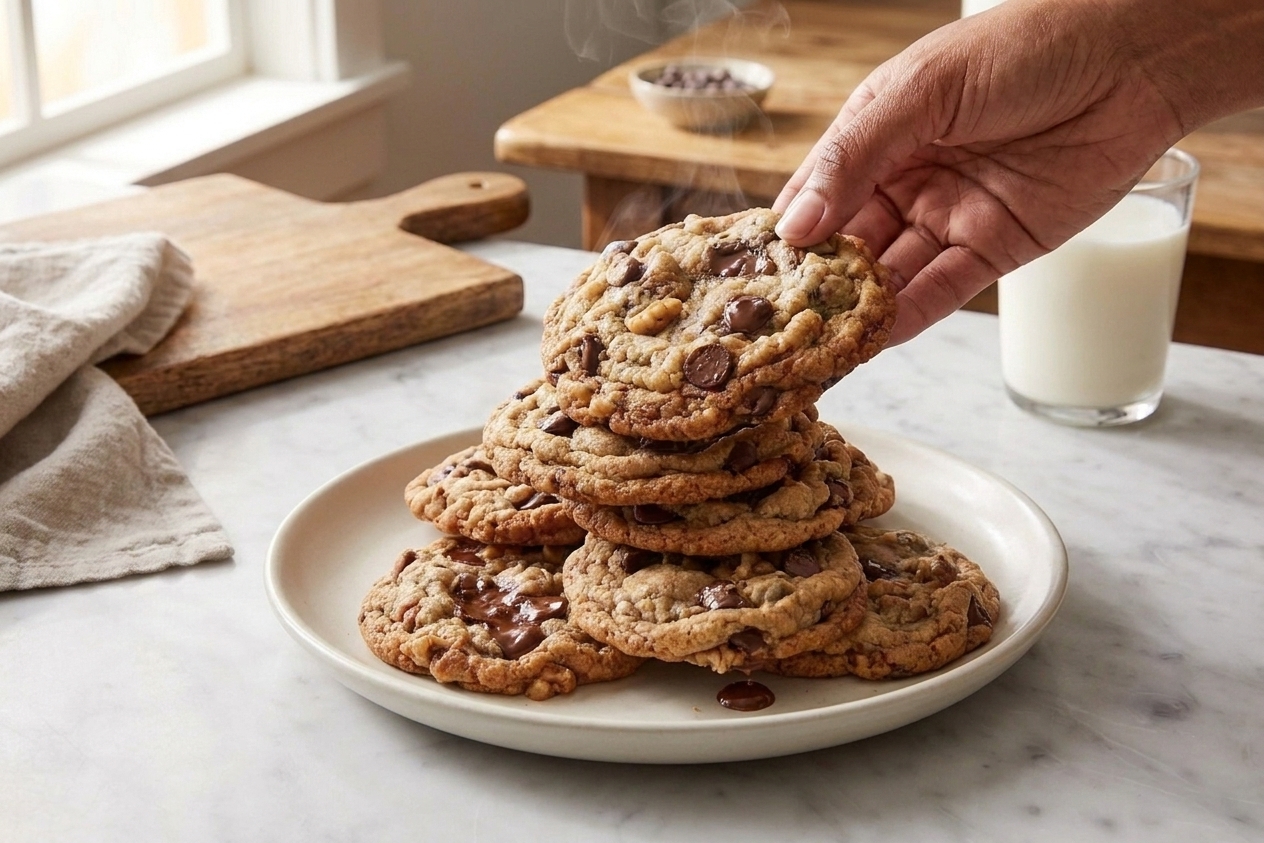
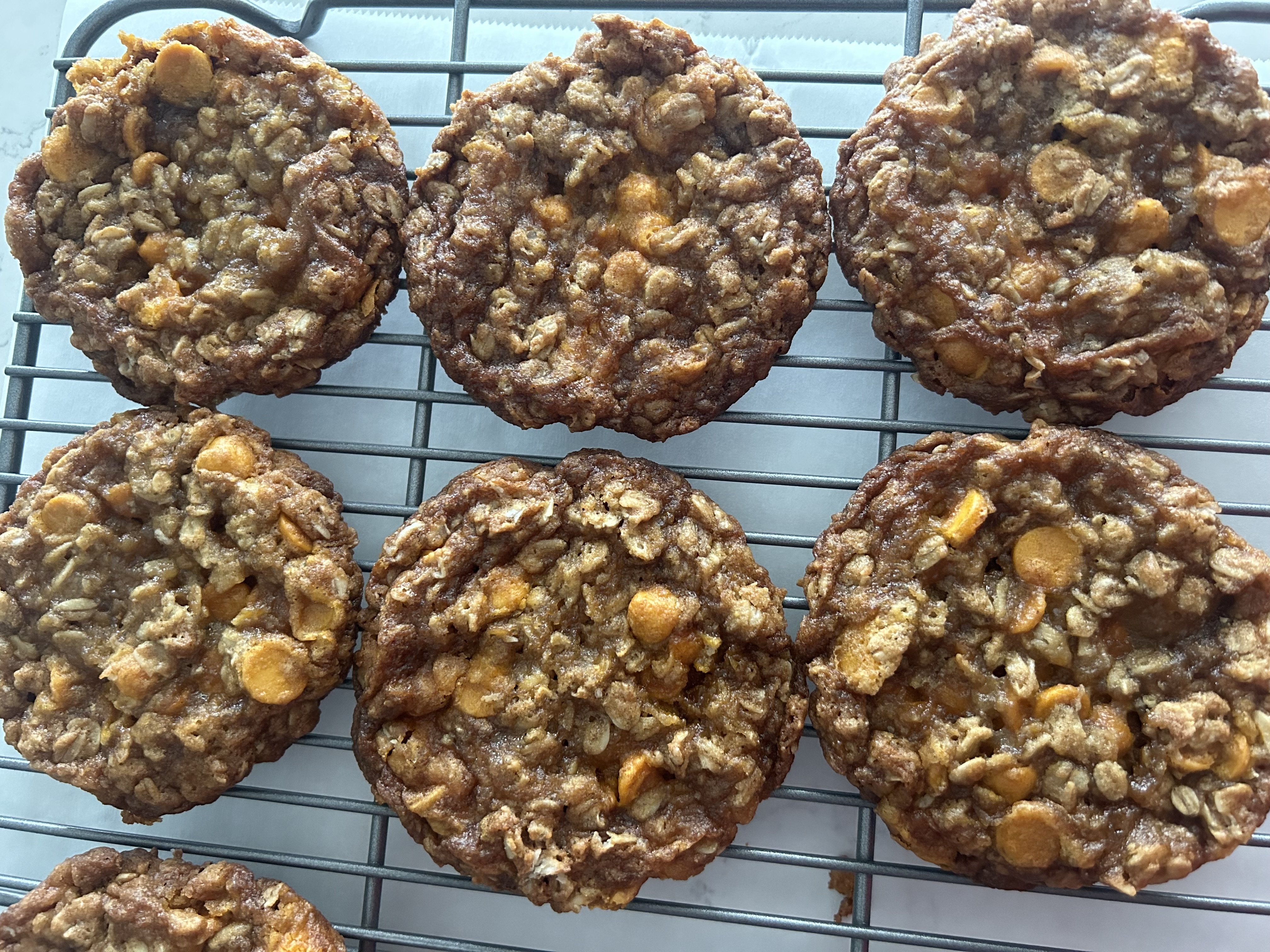
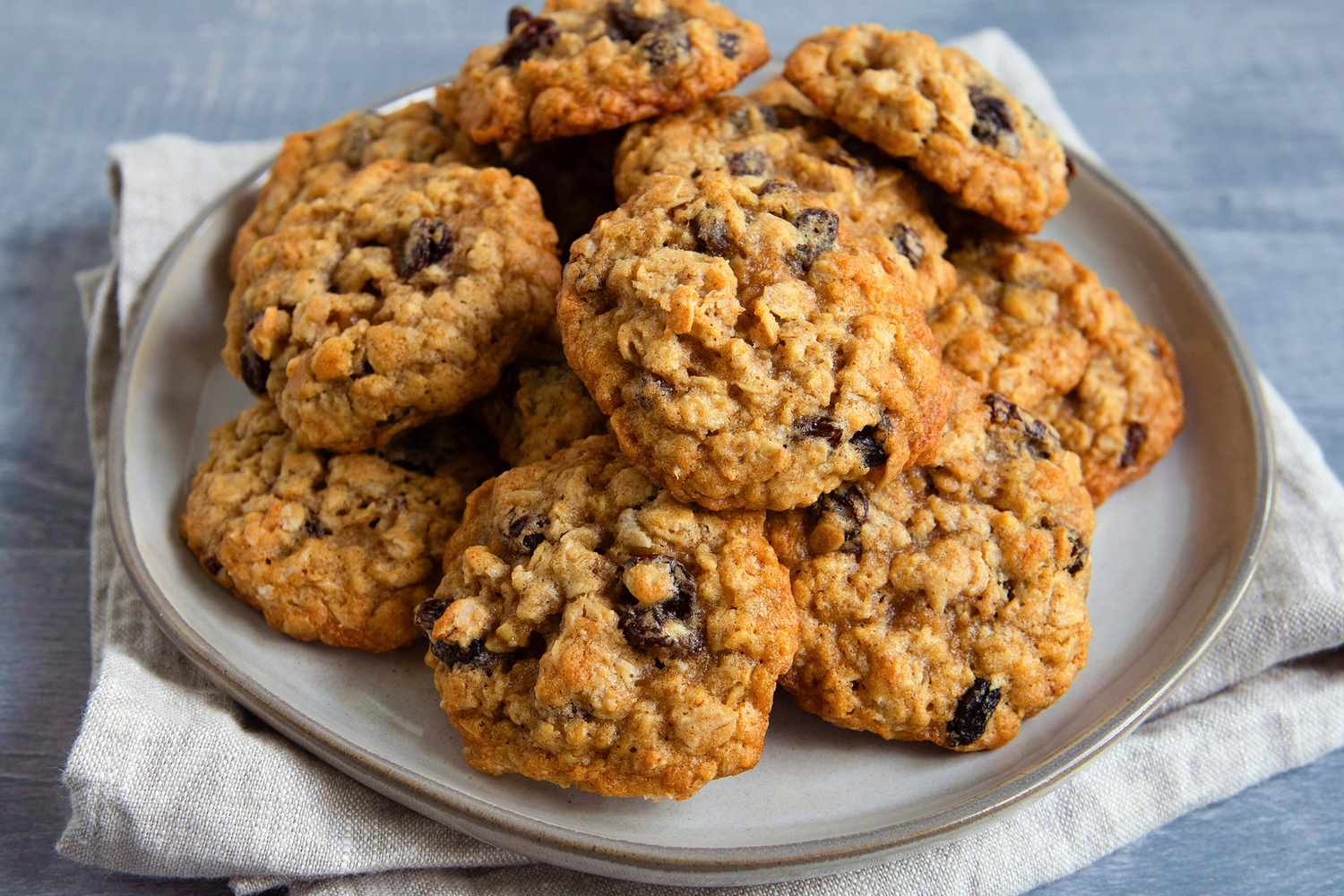
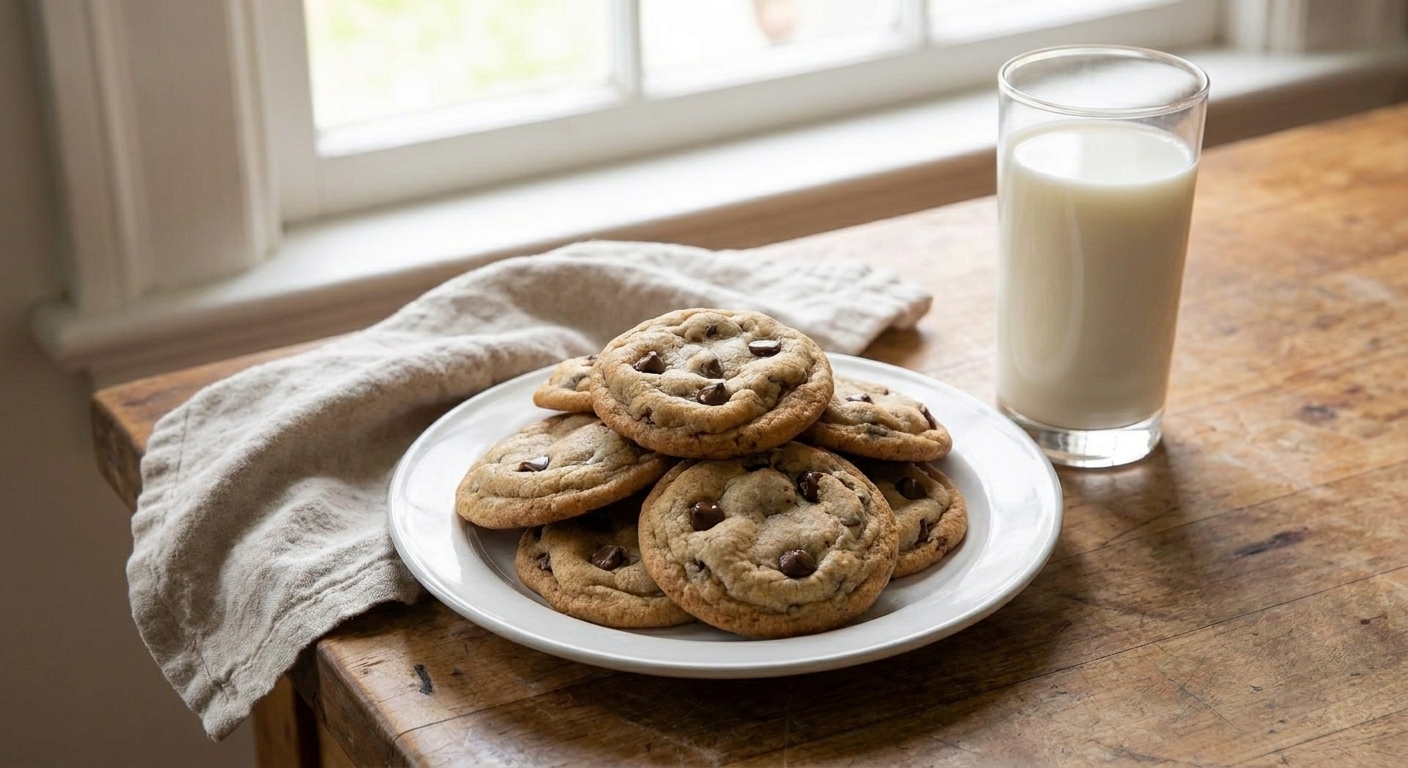
A plate of golden brown oatmeal cookies with visible rolled oats and lightly crisp edges on a wooden kitchen table in warm natural light

These are the oatmeal cookies I make when I want something classic but not boring. You get that cozy, cinnamon-y smell, a chewy middle that stays friendly for days, and crisp edges that give your teeth a little high five.

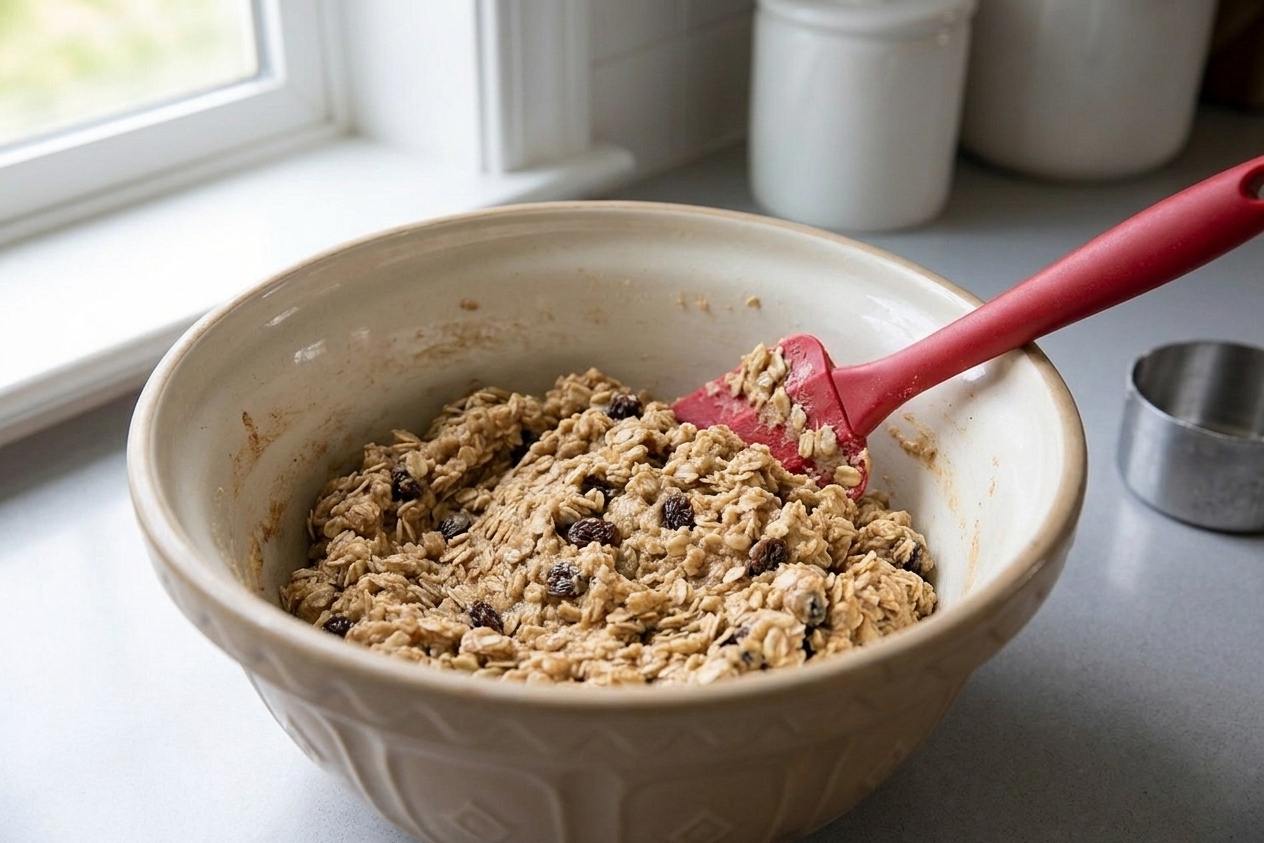
They are Quaker-style in the best way: simple ingredients, dependable results, and plenty of room to make them your own. Raisins? Chocolate chips? Chopped walnuts? Choose your adventure. And yes, the dough smells incredible, but for food-safety reasons, let that be your motivation to bake the batch and snag the first warm cookie as your quality control step.
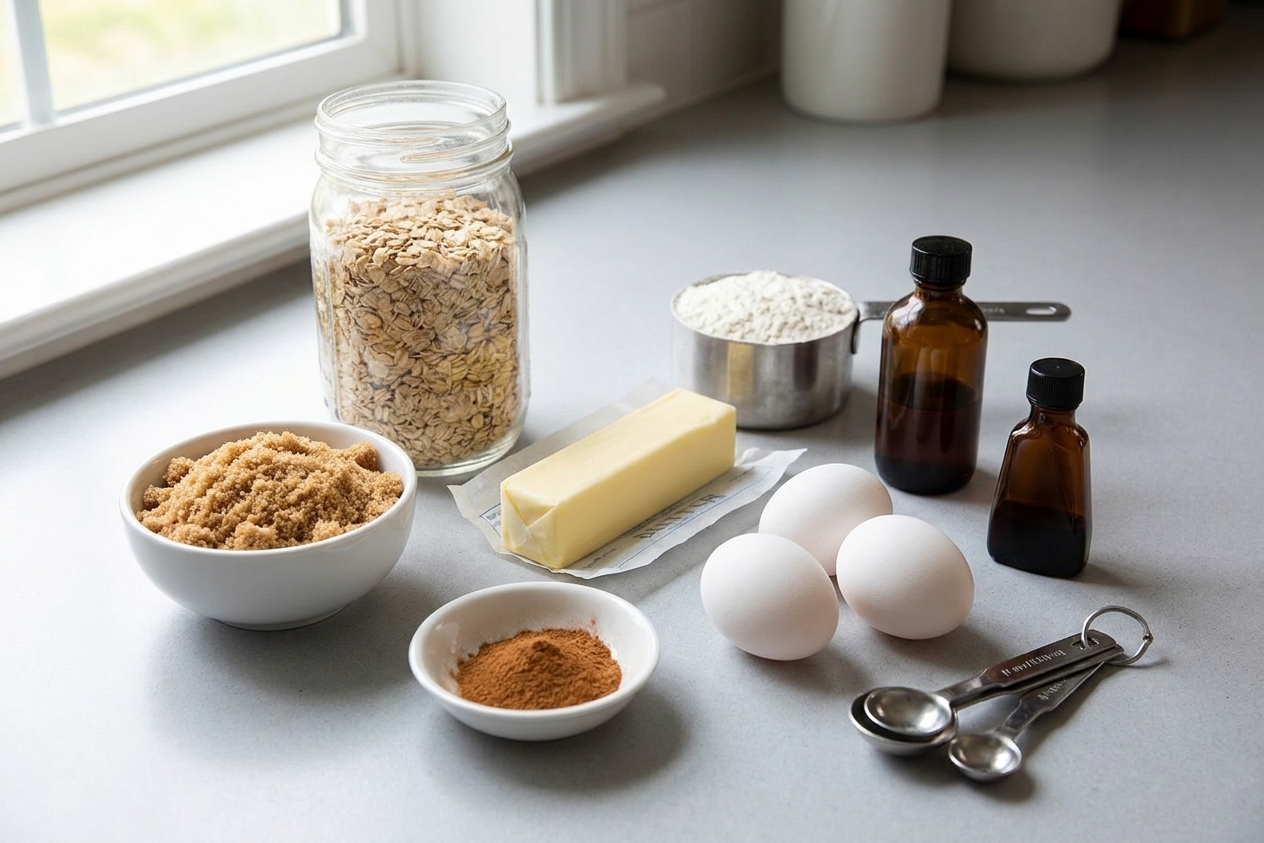
Rolled oats, brown sugar, butter, flour, cinnamon, eggs, and vanilla arranged on a light kitchen counter with measuring spoons nearby in natural window light

Why It Works

  • Chewy, not cakey: A balanced mix of brown sugar and butter keeps the center soft without turning puffy.
  • Crisp edges, reliably: A properly preheated oven and a short bake give you golden rims while the middle stays tender.
  • That classic oatmeal texture: Using old-fashioned rolled oats (Quaker works perfectly) gives bite and structure.
  • Flexible mix-ins: This dough happily takes raisins, chocolate chips, nuts, or a mix.

Pairs Well With

Storage Tips

Keep them chewy

Store cooled cookies in an airtight container at room temperature for up to 5 days. If you want them extra soft, tuck a small piece of sandwich bread into the container. The cookies steal the moisture, the bread takes the hit.

Freeze baked cookies

Freeze fully cooled cookies in a freezer bag (press out air) for up to 3 months. Thaw at room temp, or warm in a 300°F oven for 5 minutes to bring back the edges.

Freeze the dough (my favorite move)

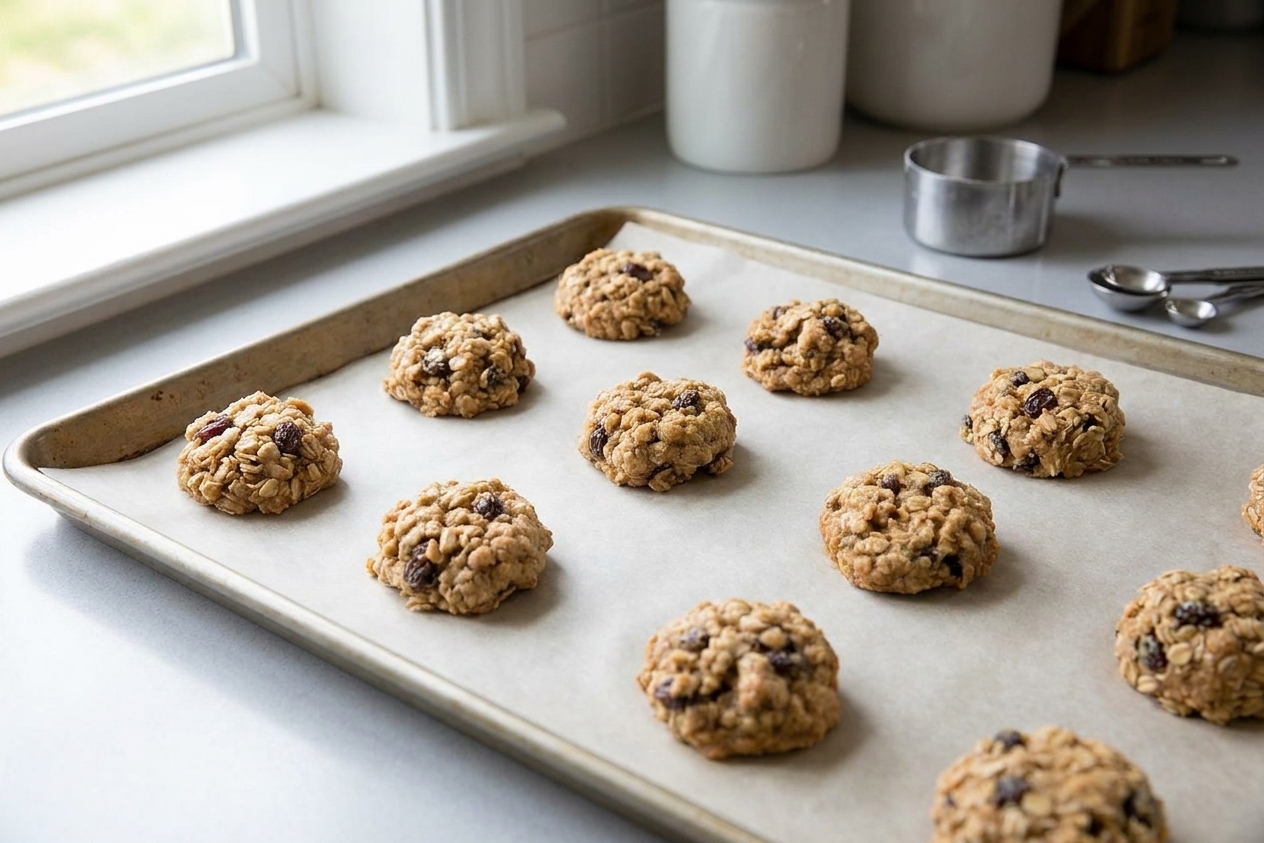
Scoop dough into balls, freeze on a sheet pan until firm, then transfer to a bag. Bake from frozen, adding 1 to 2 minutes to bake time.

Common Questions

Should I use old-fashioned oats or quick oats?

Old-fashioned rolled oats give the best classic oatmeal cookie chew and texture. Quick oats work in a pinch, but the cookies come out a bit more uniform and less hearty. I do not recommend steel-cut oats here.

Why did my cookies spread too much?

Most common culprits: butter was too soft or melted, dough was warm, or the baking sheet was hot from a previous batch. Chill the dough for 20 to 30 minutes and bake on cool sheets lined with parchment.

How do I make them thicker?

Chill the dough, scoop slightly taller mounds, and do not flatten. You can also reduce the sugar by 2 tablespoons (less melt) or add 1 to 2 tablespoons more flour if your kitchen is extra warm.

Can I reduce the sugar?

Yes. You can cut each sugar (granulated and brown) by 2 tablespoons without wrecking texture. If you cut a lot more, they will be less chewy and more dry.

Raisins or chocolate chips?

Both. If you want peak nostalgia, go raisins and walnuts. If you want "why are these so good" energy, do chocolate chips and a pinch of flaky salt on top right after baking.

Are these gluten-free?

Not as written. To make them gluten-free, use a 1:1 gluten-free baking flour and certified gluten-free oats. Texture can vary by blend, so if the dough seems a little soft, let it rest or chill for 20 to 30 minutes before baking.

Oatmeal cookies are my “feed people without a speech” dessert. They feel like you tried, even when you just raided the pantry and called it a plan. I started making this version when I realized I wanted the Quaker classic vibe but with my own little upgrades: a touch more vanilla, enough cinnamon to actually notice, and the reminder that the edges deserve to be crispy. If your kitchen gets a little chaotic while you bake them, you are doing it right.