Mom's Best Recipes
Recipe

Quick and Easy Rib Rub Recipe

A sweet, smoky, brown-sugar-forward rib rub that melts in, then sets into a soft, chewy bark. Mix in minutes, works on pork or beef, and plays nice with oven, grill, or smoker.

Author By Matt Campbell
4.8
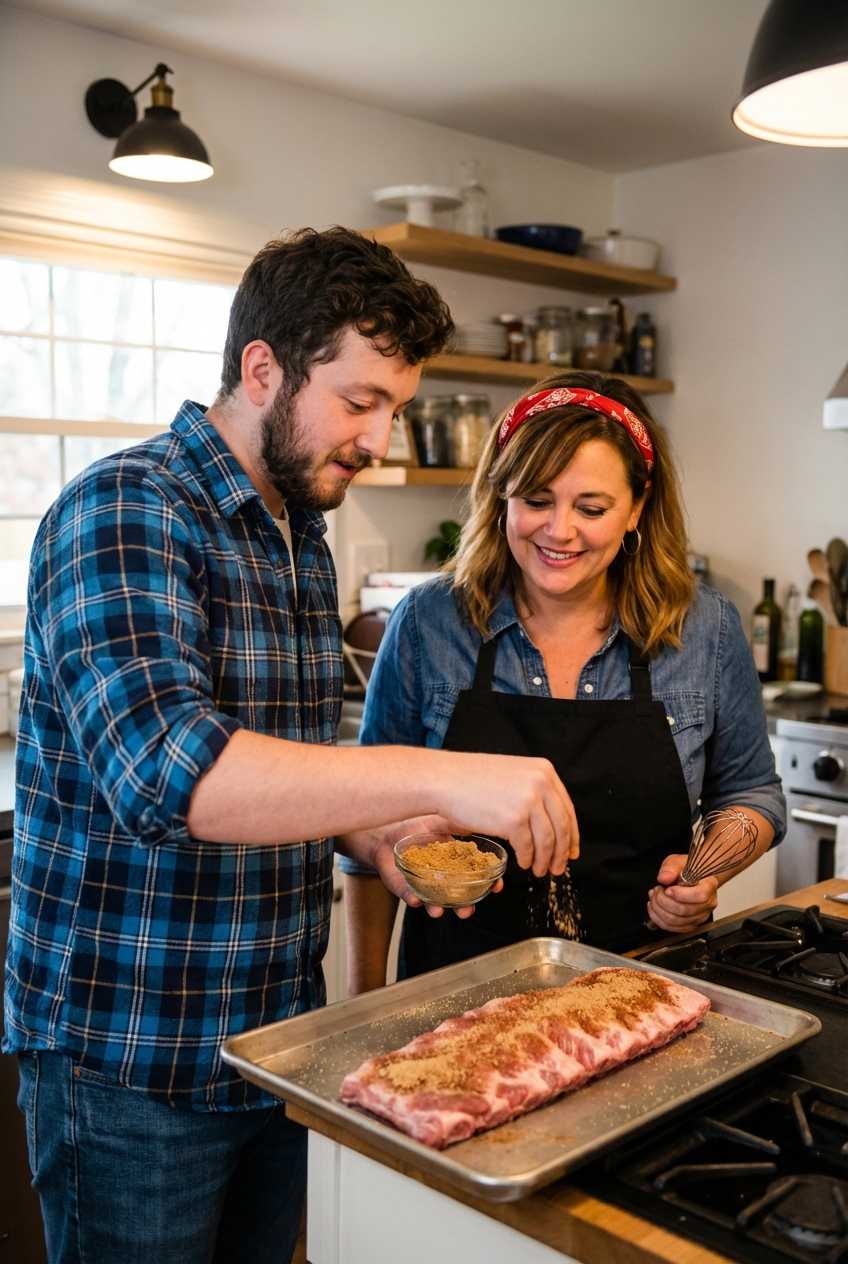
Raw pork ribs on a sheet pan being sprinkled with a brown sugar and spice dry rub

If you have ever bitten into ribs and thought, I want that soft, chewy crust that clings to the meat, this is the rub. It is sweet, a little smoky, and just spicy enough to keep things interesting without turning dinner into a five-alarm situation.

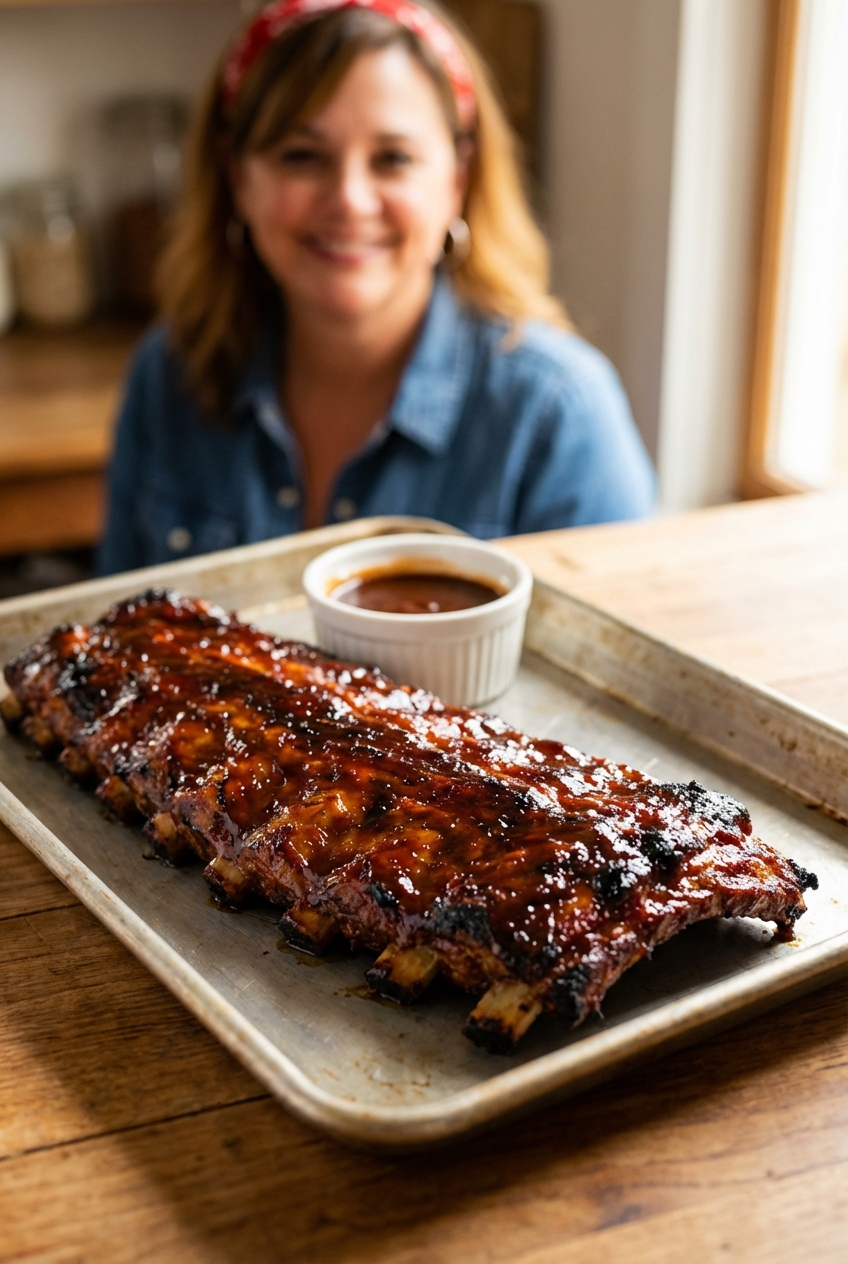
This blend leans hard into brown sugar and warm spices so it melts, then sets as the ribs cook, creating that sticky, snacky bark you keep “taste-testing” off the edge of the rack. It is quick, it is pantry-friendly, and it is flexible. Whether you are baking ribs on a Tuesday or babysitting a smoker on the weekend, this rub shows up and does its job.

Soft and chewy note: This rub is designed for a tender bark, not a crunchy crust. For the best texture, cook at moderate heat and avoid blasting the ribs with very high heat for long stretches.
Why It Works

  • Brown sugar helps build that chewy bark: It dissolves into the meat juices and fat, then helps create a sticky set as it cooks.
  • Two kinds of paprika: Sweet paprika rounds things out, smoked paprika gives you that “been outside all day” flavor even if you are in the oven.
  • Balanced salt: Enough to season deeply without making the finished ribs taste like a salt lick.
  • A little cornstarch option: Optional, but it can help the rub cling and set into a more even, soft bark.
  • Plays well with sauces: It is flavorful on its own, but it will not fight your favorite BBQ sauce.

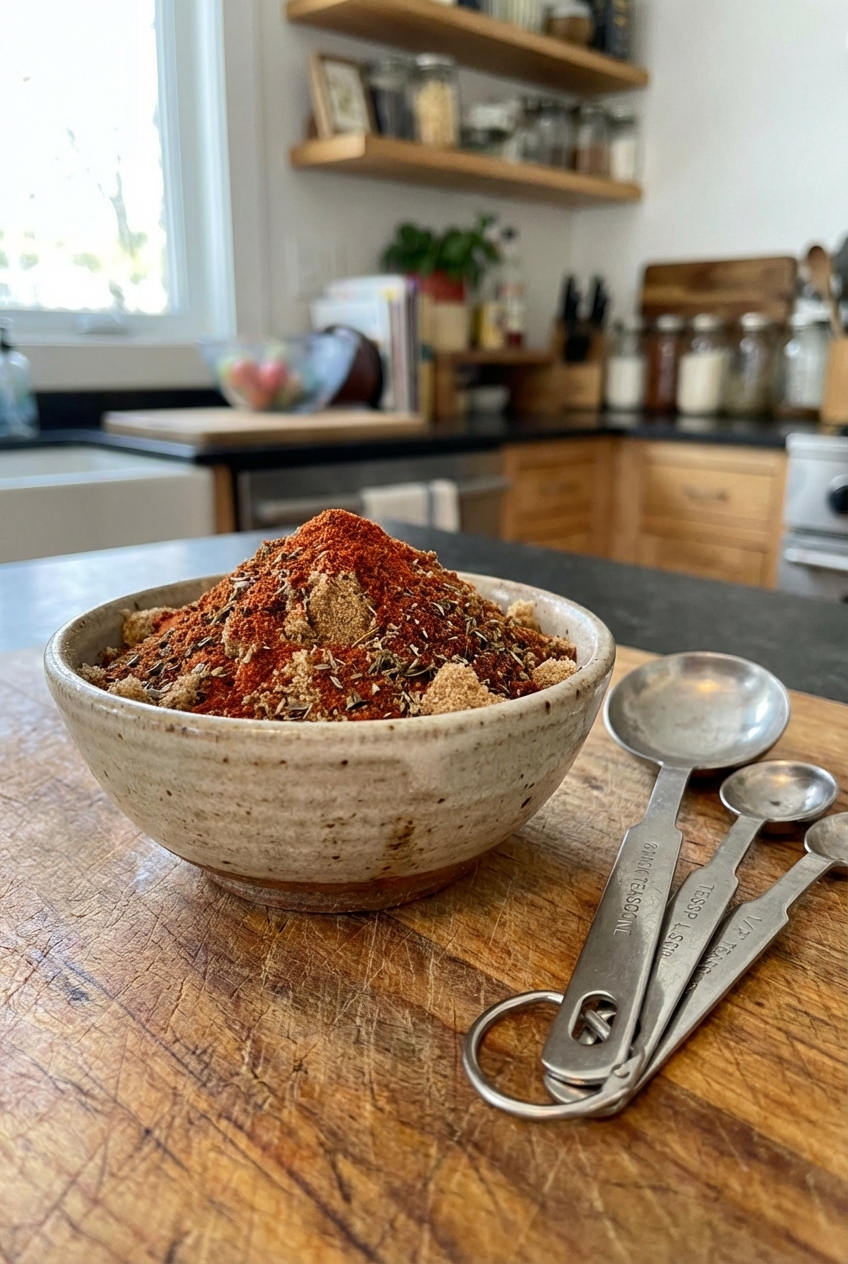
A small bowl of homemade rib rub on a wooden cutting board with measuring spoons nearby

Pairs Well With

  • Baked pork ribs on a sheet pan with foil crimped around the edges

    Oven Baked Baby Back Ribs

  • Creamy coleslaw in a white bowl with a serving spoon

    Classic Creamy Coleslaw

  • Cast iron skillet cornbread with a golden top and a slice removed

    Skillet Cornbread

  • Crispy roasted potato wedges on a baking tray

    Crispy Potato Wedges

Storage Tips

Keep It Fresh

Dry rub (mixed, unused): Store in an airtight jar in a cool, dark pantry for up to 6 months for best flavor. It can last longer if kept dry, but spices fade over time.

Already applied to ribs: If you rub the ribs and plans change, wrap well and refrigerate up to 24 hours. Longer will season more deeply and can change the texture.

Leftover cooked ribs: Refrigerate in an airtight container up to 4 days. Reheat gently to keep that soft bark.

Reheating for soft, chewy bark

  • Oven: Wrap ribs in foil with a splash of apple juice or water. Heat at 300°F until warmed through.
  • Air fryer (best for edges): 325°F for a few minutes. Watch closely so the sugar does not over-darken.
  • Microwave: Works in a pinch. Cover and use lower power to avoid toughening the meat.

Quick tip: Keep the rub dry. If moisture gets into the jar and it clumps or smells off, toss it and mix a fresh batch.

Common Questions

Common Questions

Why does this rub make ribs soft and chewy instead of crunchy?

A bark like this is a team effort: brown sugar dissolves into surface moisture and rendered fat, then helps create a sticky set as the ribs cook. Dehydration and browning also play a big role. Cooking at moderate heat and keeping ribs from drying out helps that bark stay tender and chewy.

Can I use this rub on beef ribs?

Absolutely. For beef, I like adding an extra 1 teaspoon black pepper and another 1 teaspoon smoked paprika to lean into that classic peppery BBQ vibe.

Do I need yellow mustard as a binder?

No, but it helps the rub stick and it disappears in the cook. You can also use a thin coat of oil, mayo, or even hot sauce. If you want the purest dry rub vibe, skip the binder and press the rub in firmly.

How much rub should I use per rack?

For a standard rack of baby backs, plan on 2 to 3 tablespoons of rub. For larger spare ribs, 3 to 4 tablespoons. You want an even coat with no bald spots, but you should still be able to see the meat underneath.

Is this spicy?

It is more warm than spicy. If cooking for spice-sensitive people, use the lower cayenne amount or skip it. If you like heat, bump cayenne to 1 teaspoon.

Can I make it without sugar?

You can, but the texture will change. Sugar is one of the big reasons the bark turns soft and chewy. If you need lower sugar, try cutting the brown sugar in half and replacing the rest with erythritol brown style sweetener, knowing the bark will be a little drier and less sticky.

When should I add BBQ sauce?

If you are saucing, do it near the end so the sugars do not burn. Think last 10 to 20 minutes, and keep an eye on hotspots or direct heat.

I used to think “good ribs” meant you had to own a smoker, a cooler full of craft beer, and the patience of a saint. Then I started chasing what I actually wanted: that soft, chewy bark that makes you pick up a rib like it is a snack and suddenly half the rack is gone.

This rub came out of a very real home-cook moment. I had ribs, an oven, and exactly zero desire to measure fifteen different spices. So I built a blend around brown sugar, paprika, and garlic, then kept adjusting until the crust tasted like BBQ had its act together. Now it is my weeknight shortcut to ribs that feel like a weekend project.