Is this the same as real buttermilk?
Not exactly. Traditional buttermilk is cultured, thicker, and has a deeper tang. This substitute gets you the acidity (and plenty of flavor) most recipes are really counting on, even if the texture is a bit lighter.
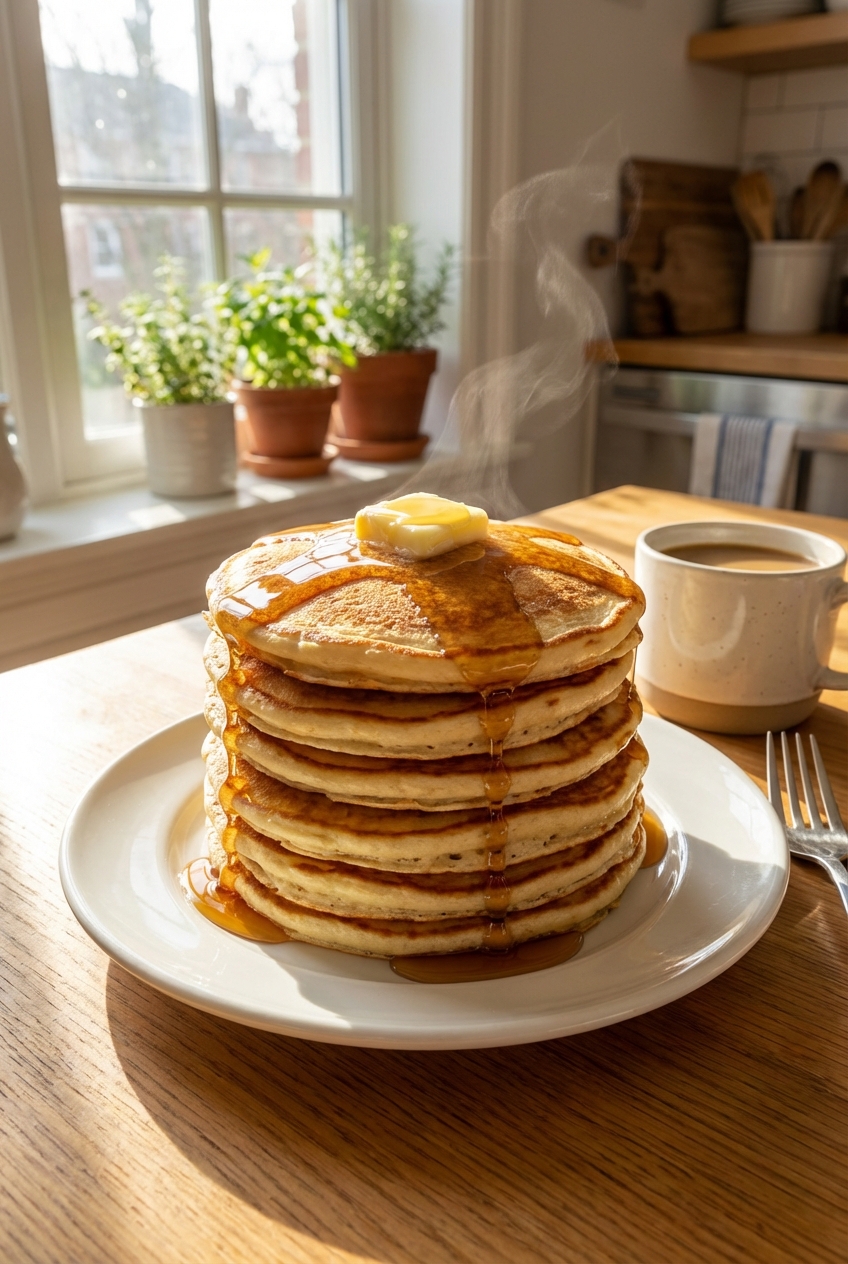
Can I use this in biscuits and pancakes?
Yes, absolutely. It is excellent in pancakes, waffles, quick breads, muffins, biscuits, and cakes.
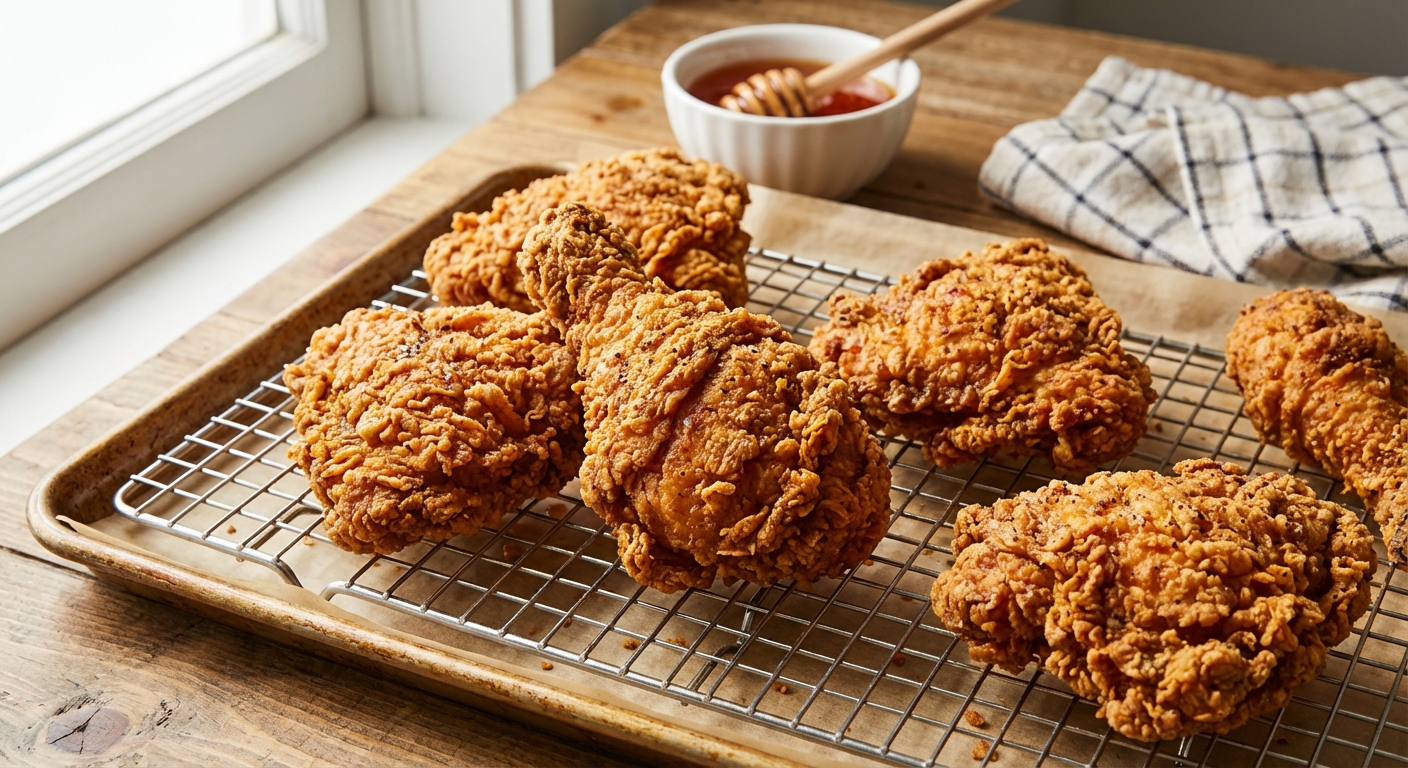
Can I use it for fried chicken or other marinades?
Yes. It works well as a quick marinade base. For the closest vibe to cultured buttermilk, use whole milk and let it sit 5 to 10 minutes before adding spices. Quick note: longer soaks can soften the outside of some cuts, so if you are going overnight, keep an eye on texture.
Should I use lemon juice or vinegar?
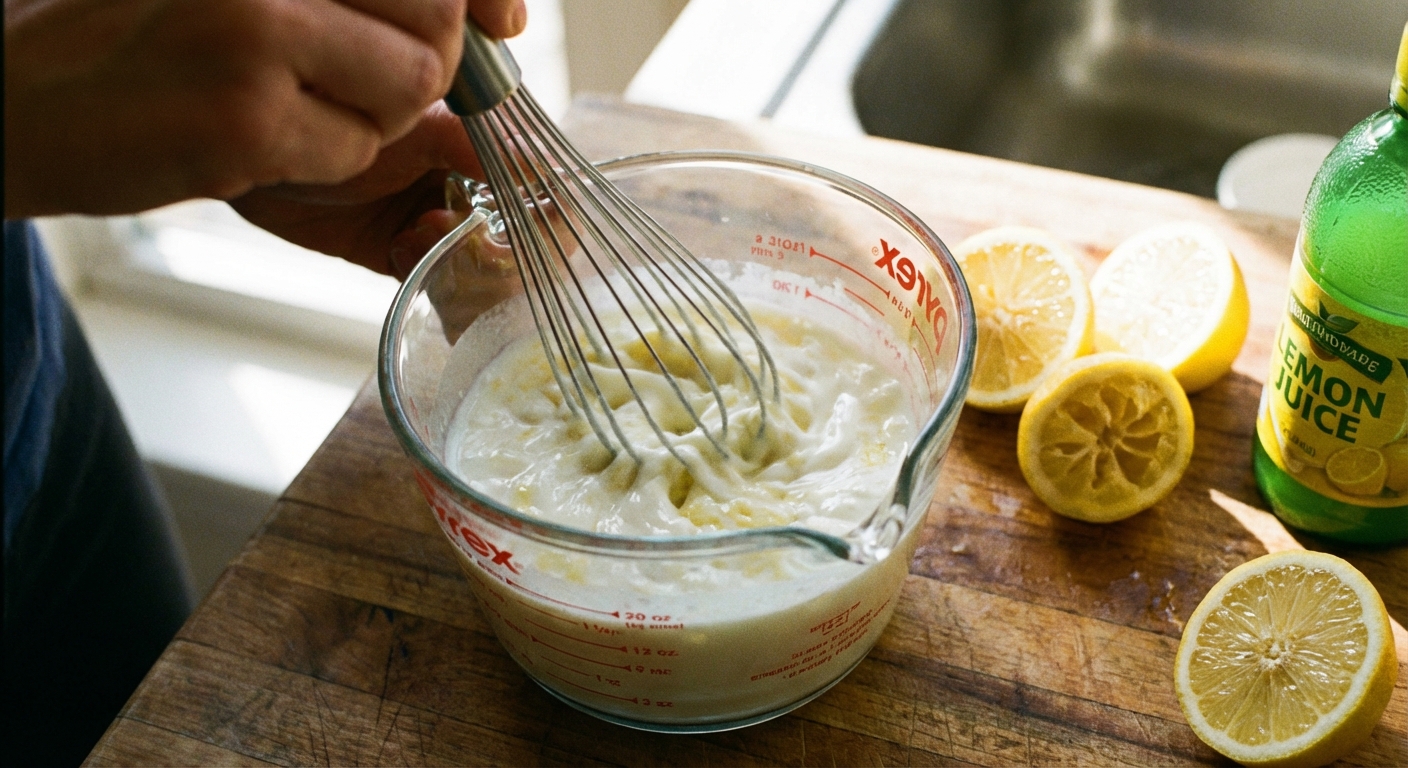
Either one works. Lemon juice gives a slightly brighter flavor. White vinegar is neutral and clean. Apple cider vinegar adds a gentle fruity note that is great in pancakes and quick breads.
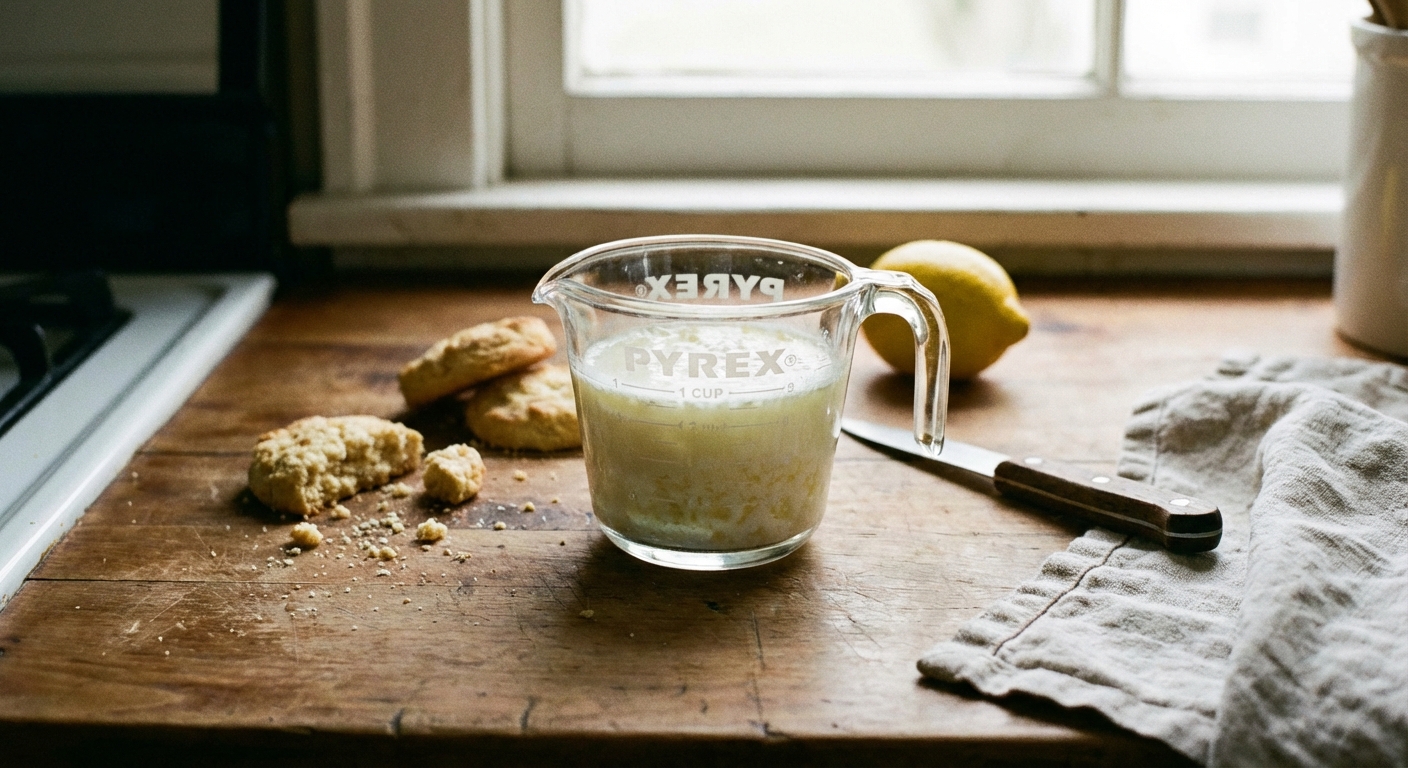
What if my milk does not look curdled?
Totally fine. Some milks, especially ultra-pasteurized, do not visibly curdle much. As long as you added the acid and let it sit a few minutes, you are good.
Can I make it dairy-free?
Yes. Use unsweetened soy milk for the closest results. Oat milk works in a pinch, but it may curdle less and can be a little sweeter depending on the brand. Avoid vanilla or sweetened options unless you want that flavor in the final recipe.
Is it 1:1 in recipes?
For baking, yes: swap it 1:1 for buttermilk. For dressings, dips, or anything where buttermilk’s thickness is the whole point, you may miss the body.