Mom's Best Recipes
Recipe

Raspberry Almond Linzer Cookies

Buttery almond sandwich cookies with jam centers, snowy powdered sugar, and crisp, golden edges.

Author By Matt Campbell
4.8
A single real photograph of raspberry almond Linzer sandwich cookies stacked on a plate, dusted with powdered sugar, with bright raspberry jam peeking through heart-shaped cutouts, natural window light

Linzer cookies are the holiday cookie that looks fancy, tastes like a bakery, and still plays nice with a normal home kitchen. You get a buttery, almond scented dough that bakes up crisp at the edges and tender in the middle, plus that little jam window that makes people hover near the cookie tin like it is their job.

This version keeps it classic with raspberry jam and a powdered sugar finish. I will also give you a few tight, non-distracting swaps in case you are dealing with allergies or pantry reality, because the goal is still Linzer energy: delicate cutouts, jammy centers, and cookies that stay crisp, not soggy.

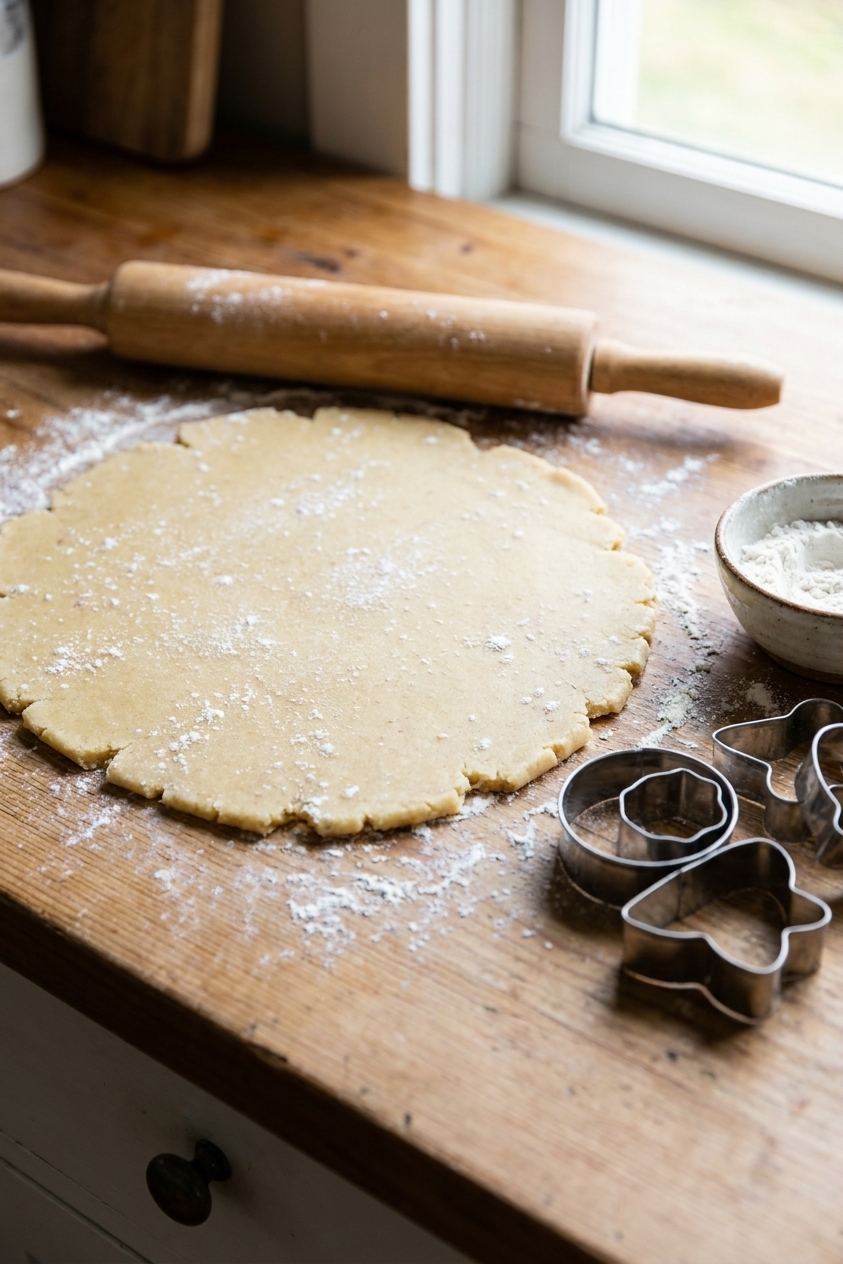
A single real photograph of almond cookie dough rolled out on a lightly floured countertop with a rolling pin, with Linzer cookie cutters and a small bowl of flour nearby

Why It Works

  • Buttery texture with structure: A mix of almond flour and all-purpose flour gives tenderness, while chilling keeps the cutouts sharp.
  • Crisp edges, not dry cookies: A short bake at moderate heat sets the shape and keeps the centers delicate.
  • Jam that stays put: Warming and straining the jam makes it spreadable and smooth, so you do not tear the cookies.
  • Powdered sugar that looks clean: Sugar goes on the top cookies only, before assembly, so the jam window stays bright.

Pairs Well With

Storage Tips

Linzer cookies have two competing needs: the cookies want to stay crisp, and the jam wants to soften everything it touches. Here is how to keep the magic going.

Short term storage

  • Best texture (my pick): Store the baked cookies unfilled at room temperature in an airtight container for up to 5 days. Fill within a few hours of serving.
  • Already assembled: Store at cool room temperature in a single layer (or layered with parchment) for 2 to 3 days. They will gradually soften.

Freeze for later

  • Freeze baked, unfilled cookies: Layer with parchment in an airtight container and freeze up to 2 months. Thaw at room temperature, then dust tops with powdered sugar and assemble.
  • Freeze dough discs: Wrap tightly and freeze up to 2 months. Thaw overnight in the fridge before rolling.

Keeping them crisp

  • Let cookies cool completely before storing, even a little warmth makes trapped steam.
  • In humid kitchens, crispness is easier to protect than to “fix.” Keep them unfilled as long as you can, and use truly airtight storage. If you want a quick, optional trick, a small piece of plain bread can help absorb moisture in the container for a few hours, but it can also soften cookies if left too long, so use it in a pinch and remove it promptly.

Common Questions

Why did my cutouts spread and lose their shape?

Usually the dough got too warm. Chill the dough before rolling, and chill the cut cookies on the sheet for 10 to 15 minutes before baking. Also make sure your butter was softened, not melty.

Do I have to strain the jam?

No, but it makes assembly smoother and helps the jam sit in a neat layer. If you like seeds, skip straining and just warm it a bit so it spreads without tearing the cookie.

My cookies feel soft, not crisp. What happened?

They might be slightly underbaked, or they absorbed moisture during storage. Bake until the edges are light golden and the tops look set and matte, then cool fully on a rack. For storage, keep them airtight and consider keeping them unfilled until close to serving.

Can I use a different jam?

Yes. Raspberry is classic, but apricot, cherry, strawberry, and blackberry all work. Choose a jam that is thick, not runny.

Any tight allergen swaps that still feel like Linzer cookies?

  • Nut-free: Replace almond flour with the same amount of all-purpose flour by weight. Note: almond flour adds fat and tenderness, so the dough will be a little less rich without it. For a closer texture, consider using oat flour for part of the swap (it tends to bake up a bit more tender than straight all-purpose flour), or add 1 to 2 teaspoons milk if the dough feels dry and crumbly. Skip almond extract and use vanilla. Flavor will be less “Linzer,” but the cookie still works.
  • Dairy-free: Use a good plant-based butter that is made for baking. Chill the dough well since some vegan butters soften fast.
  • Gluten-free: Use a 1:1 gluten-free baking flour blend (with xanthan gum) in place of all-purpose flour. Keep the almond flour. Roll between parchment to prevent cracking.


The first time I made Linzer cookies, I treated the dough like it was invincible. I rolled it, rerolled it, held it in my warm hands way too long, and then acted surprised when my “cute little windows” turned into abstract art. Now I do what the dough wants: chill, roll, cut, chill again. The payoff is immediate. You pull a tray from the oven and the cutouts are crisp, the edges are golden, and suddenly you are assembling cookies that look like you planned your life.