Mom's Best Recipes
Recipe

Red Sangria

A bright, fruit-forward pitcher with citrus, berries, and a fizzy finish that is easy to make ahead.

Author By Matt Campbell
4.8
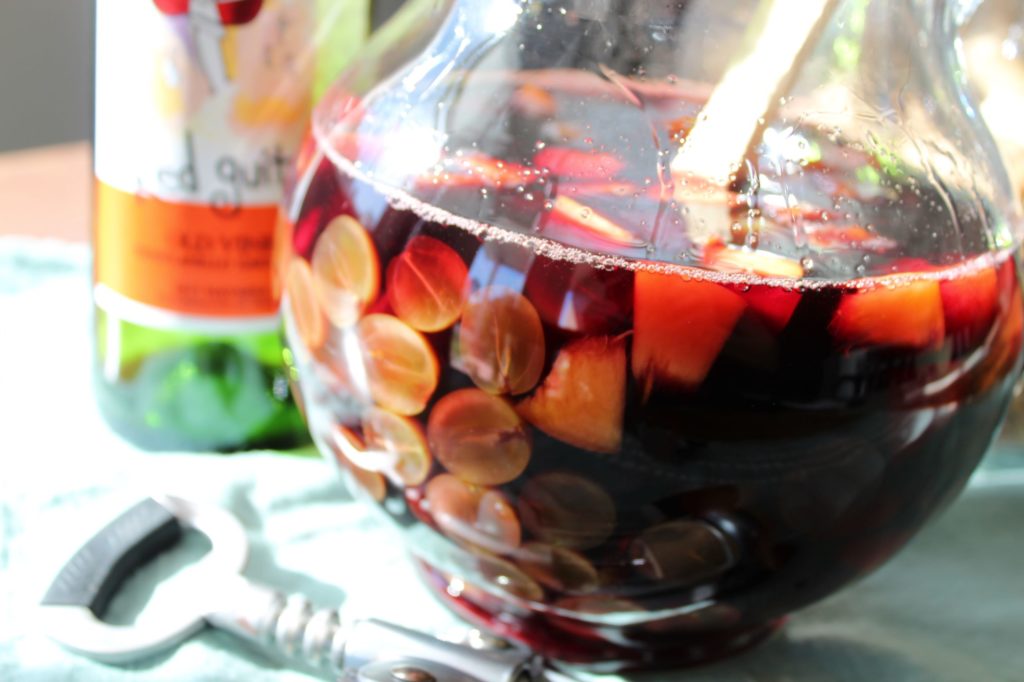
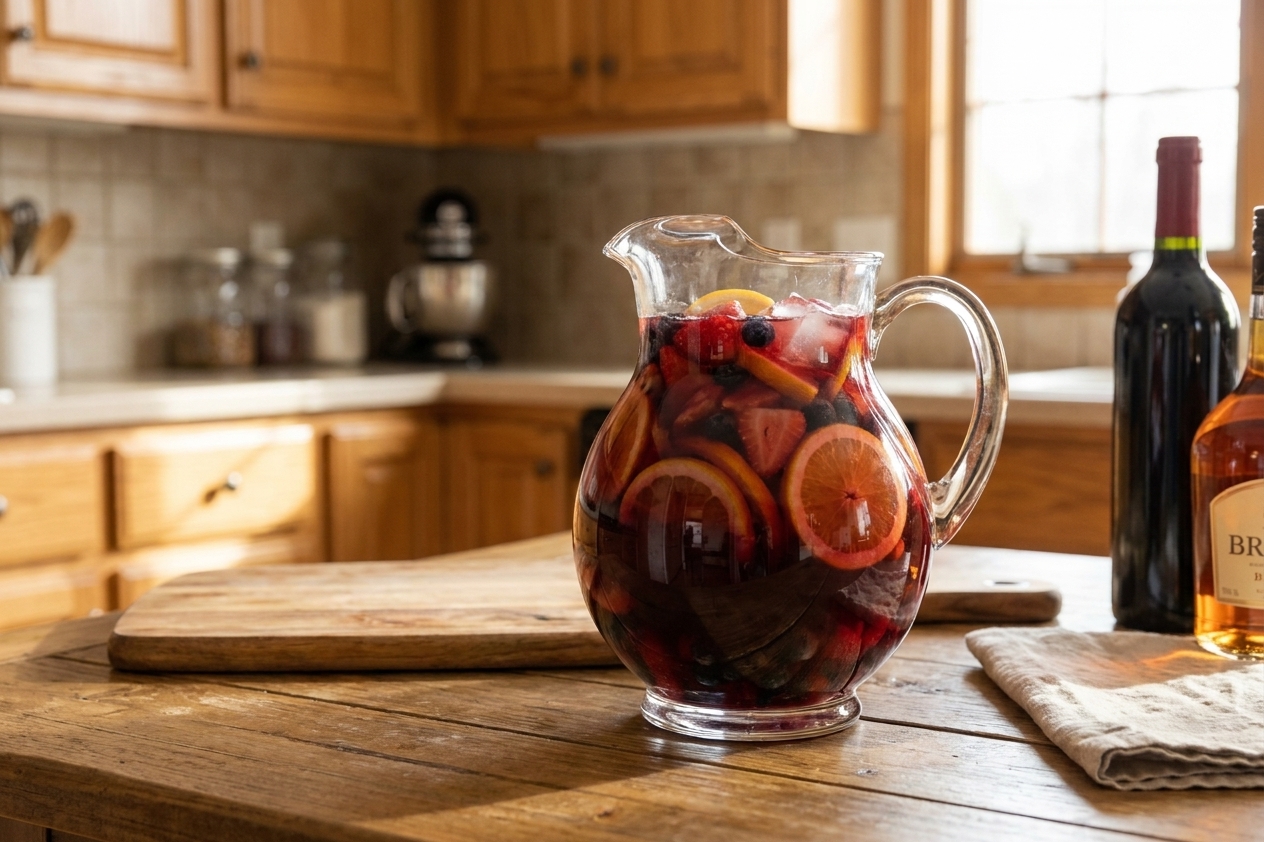
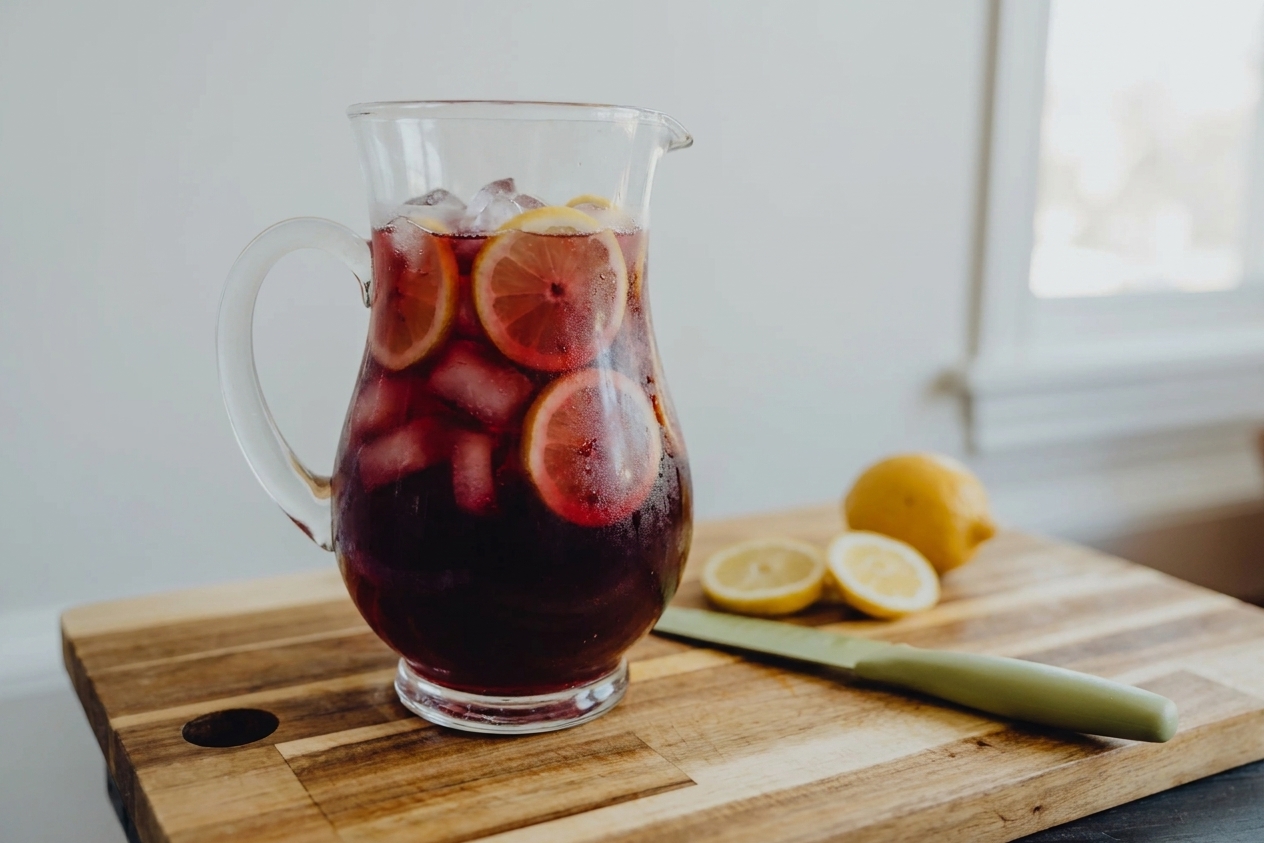
A clear glass pitcher filled with deep red sangria, orange and lemon slices, berries, and ice on a bright kitchen table with sunlight

Red sangria is my favorite kind of low-drama hosting. You toss fruit in a pitcher, pour in wine, add a little something extra for depth, and suddenly it tastes like you’ve been casually perfect all day. The trick is letting the fruit and citrus hang out in the wine long enough to share their flavor, then adding bubbles right before serving so it stays bright and lively.

This version keeps ingredients easy to find and the instructions even easier to follow. It is sweet-tart, super sippable, and forgiving if you have to swap fruit based on what is looking good at the store.
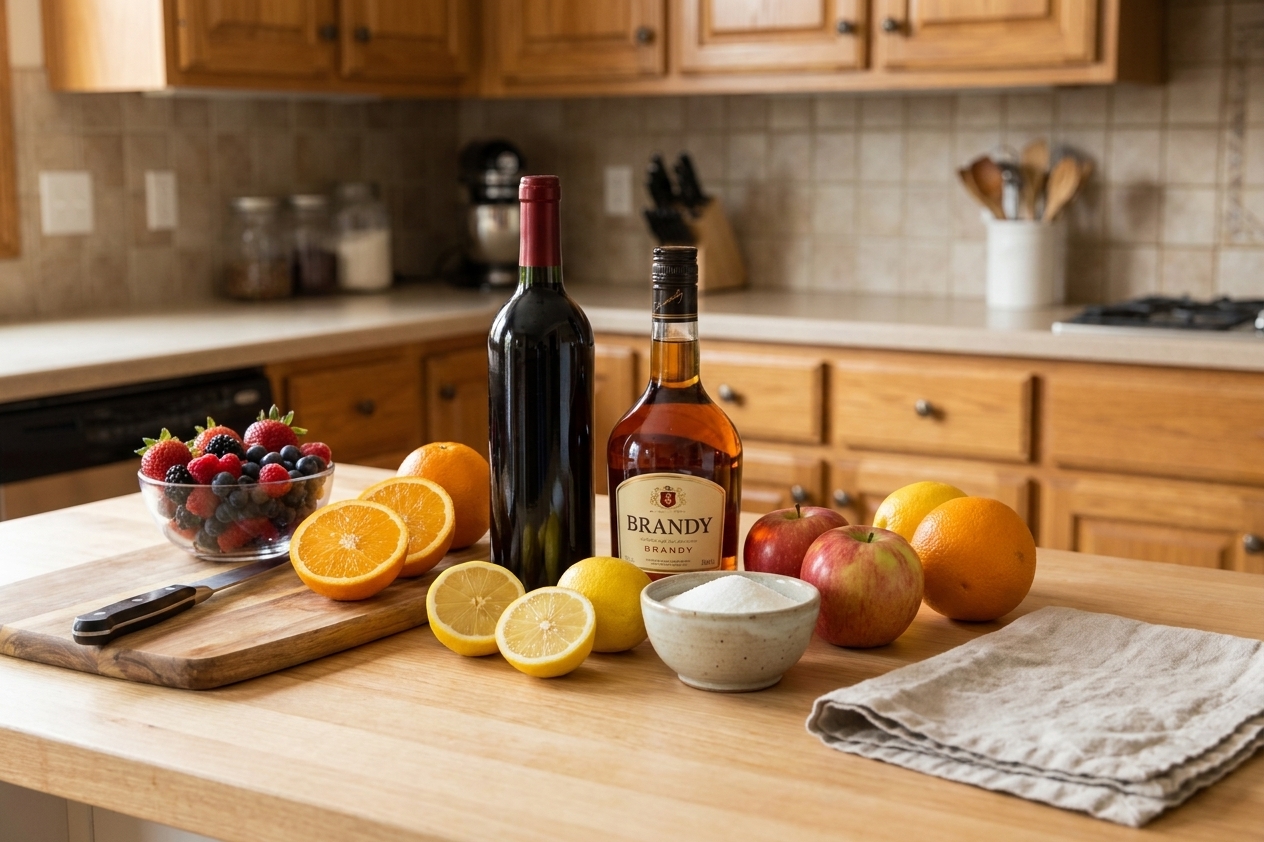
Bottles of red wine, brandy, orange, lemon, apples, berries, and a small bowl of sugar arranged on a clean kitchen counter

Why It Works

  • Big flavor with minimal effort: The fruit does most of the work while it chills.
  • Balanced, not syrupy: Start with 2 tablespoons sweetener and adjust, so it stays refreshing instead of punchy.
  • Make-ahead friendly: Mix the base earlier in the day, then add ice and bubbles when guests show up.
  • Easy to customize: Swap fruit, adjust sweetness, or use different bubbly depending on what you have.

Pairs Well With

Storage Tips

Refrigerate: Store leftover sangria in a covered pitcher or jar in the fridge. It is best within 1 to 2 days for the freshest flavor. The fruit will continue to soften and the citrus can get a little more intense over time.

Know the bubbles will fade: Carbonation does not hold long. If you want it fizzy later, add sparkling water by the glass instead of to the whole pitcher.

Strain if needed: After day 1, I like to strain out the fruit so the sangria stays fresh-tasting and not overly bitter from citrus pith.

Common Questions

What red wine is best for red sangria?

Go with a fruity, medium-bodied red you like to drink. Spanish-style options like tempranillo or garnacha work great, and an easy merlot is also a solid choice. I usually skip super oaky or very tannic reds if I want a brighter, fruitier sangria.

How long should sangria sit before serving?

At least 2 hours in the fridge, and 4 to 8 hours is even better. Overnight can be great too, but I find citrus can start to taste a little bitter after 8 to 12 hours, so I will pull out the slices if I am making it far ahead.

Can I make red sangria less sweet?

Yes. Start with 2 tablespoons sugar or honey, then stop there (or skip it entirely) if you like it drier. You can also add a little extra fresh lemon juice right before serving to sharpen it up.

Can I make this alcohol-free?

You can. Use a non-alcoholic red wine, swap the brandy for extra orange juice, and top with sparkling water. If you want a little more “grown-up” depth, add a splash of grape juice or a few dashes of non-alcoholic bitters.

Should I add ice to the pitcher?

Only right before serving. Ice dilutes fast. For a party, freeze some fruit (grapes or berries) and use that as “ice” in glasses.

I started making sangria when I was in my practical-skills era of cooking, the season of life where you learn the fastest ways to make people happy with food and drinks. Sangria felt like a cheat code. It is casual, colorful, and it forgives you if the fruit isn’t perfectly diced or the measurements are a little “eh, close enough.” Now it is my go-to when I want something that tastes festive without turning my kitchen into a full-time job.