Mom's Best Recipes
Recipe

Restaurant-Style Tangy Sweet Bok Choy

Crisp-tender bok choy in a glossy, garlicky sauce that hits sweet, tangy, and savory all at once. Fast enough for weeknights, bold enough to steal the spotlight.

Author By Matt Campbell
4.8
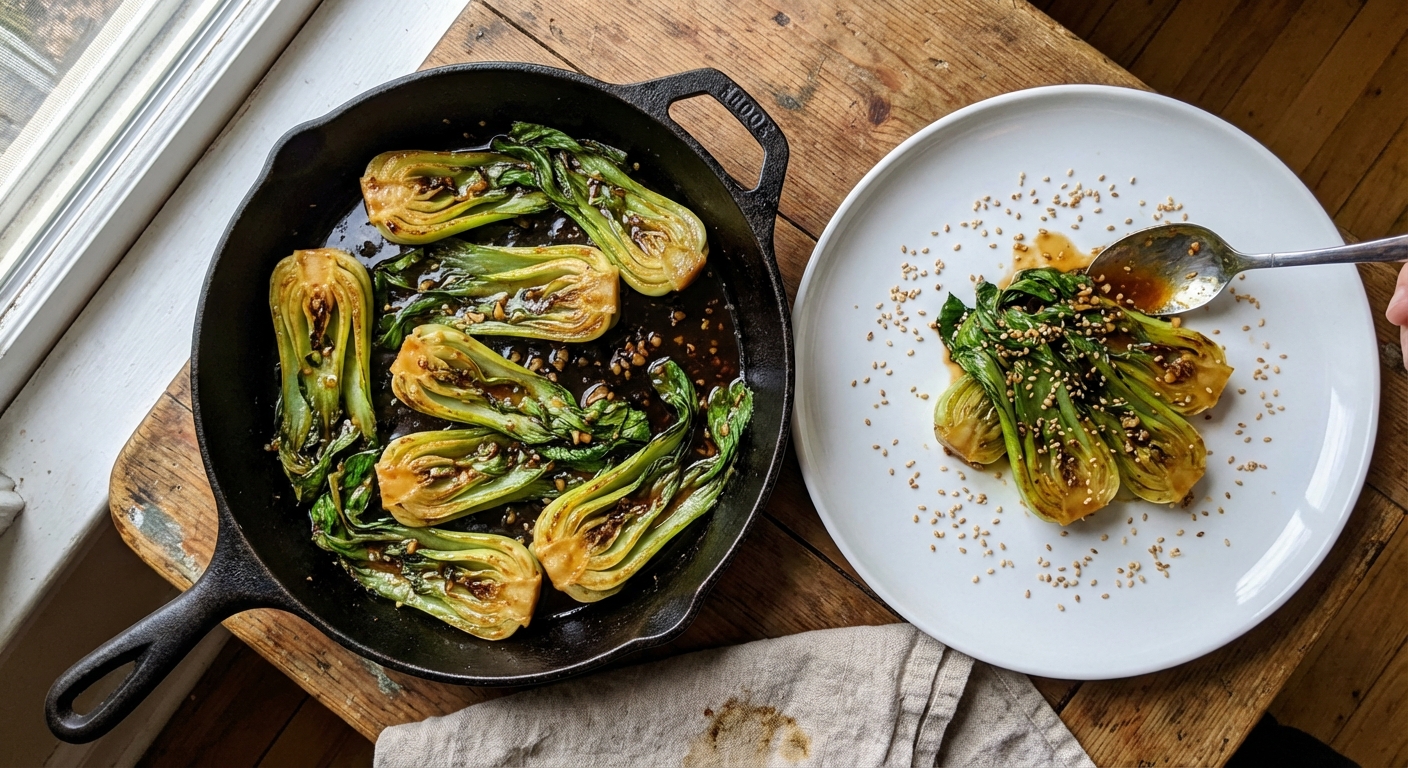
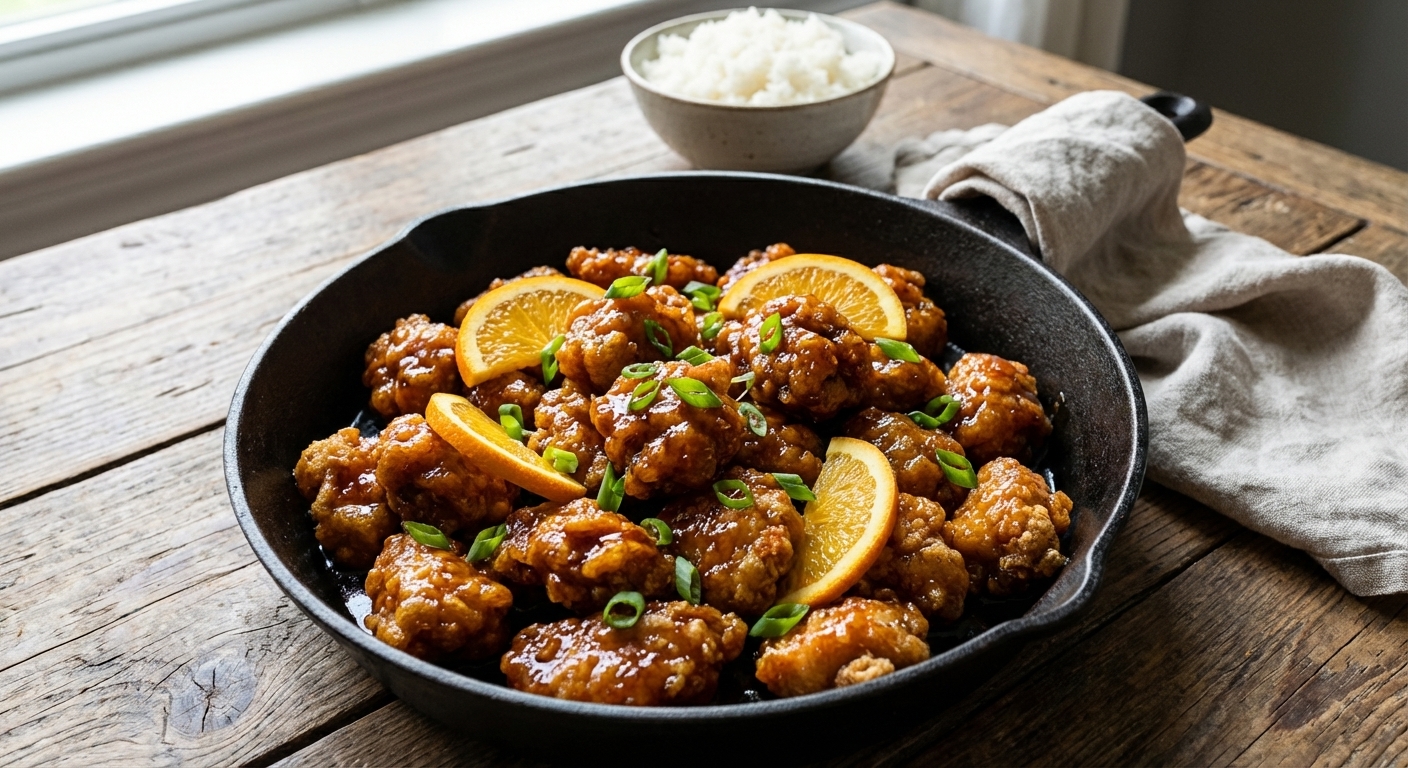
A skillet of glossy bok choy with garlic and a tangy sweet sauce, lightly charred edges, served on a white plate with sesame seeds

Bok choy is one of those vegetables that looks delicate but cooks like a champ. Give it high heat, a quick sauce, and a little respect, and it turns into a side dish that feels like it came from your favorite neighborhood Chinese spot. This version is tangy and sweet with plenty of garlic, a salty backbone from soy sauce, and a shiny finish that clings to every rib and leafy edge.

I love it because it is low drama. The prep is basically rinse, chop, whisk, go. And the payoff is huge: crisp stems, silky greens, and that sauce that makes you want to spoon the last bit over rice like it is your job.
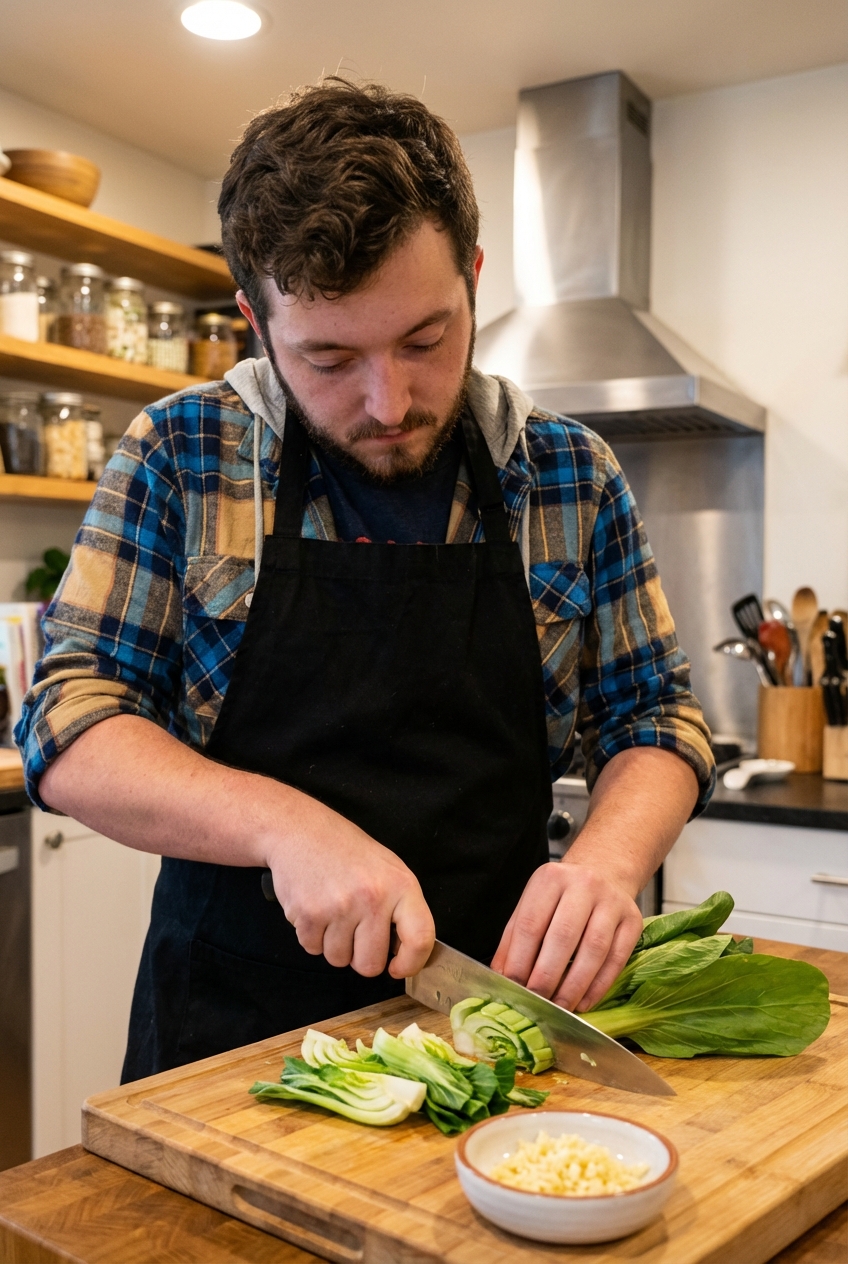
Fresh bok choy on a cutting board being trimmed and sliced, with a small bowl of minced garlic nearby

Why It Works

  • Real stir-fry texture: hot pan, quick cook, crisp stems, tender leaves.
  • Balanced sauce: rice vinegar brings the tang, brown sugar and hoisin bring the cozy sweetness, soy sauce keeps it grounded.
  • Glossy, restaurant-style finish: a small cornstarch slurry thickens fast so the sauce coats instead of pooling.
  • Flexible: works with baby bok choy or regular bok choy, and you can add tofu, shrimp, or chicken without rewriting your life.

Pairs Well With

Storage Tips

Fridge: Store in an airtight container for up to 3 days. Bok choy will soften as it sits, but the flavor stays great.

Reheat: Best in a skillet over medium heat with a splash of water to loosen the sauce, about 2 to 3 minutes. Microwave works too, but keep it short so it does not go limp.

Prep ahead tip: Wash and dry the bok choy up to 2 days ahead. Keep it wrapped in a paper towel inside a bag or container so it stays crisp.

Freezing: Not my favorite here. The stems can get watery after thawing.

Common Questions

Is this recipe actually authentic?

It is based on classic Chinese stir-fry techniques and pantry flavors you will see often: soy sauce, vinegar, aromatics, and a quick cornstarch-thickened glaze. “Authentic” can mean a lot of things across regions and families, so think of this as a restaurant-style, Chinese-inspired tangy-sweet bok choy that uses traditional methods and a familiar flavor profile.

Can I use regular bok choy instead of baby bok choy?

Yes. If you use larger bok choy, slice the thick stems into bite-size pieces and keep the leafy tops in bigger sections. Start the stems first, then add the leaves near the end so nothing overcooks.

Why is my bok choy watery?

Usually it is one of two things: the bok choy was not dried well after washing, or the pan was not hot enough. Dry the leaves and stems thoroughly and use a hot skillet or wok. Cook in batches if your pan is crowded.

What can I substitute for rice vinegar?

Apple cider vinegar works in a pinch. Start with a little less since it can be sharper. White vinegar works too, but it is more intense, so use it carefully.

Can I make it gluten-free?

Yes. Use tamari or gluten-free soy sauce and a gluten-free hoisin. Cornstarch is naturally gluten-free, but always check labels if you are sensitive.

The first time I cooked bok choy at home, I treated it like spinach and wondered why it turned into a sad, squeaky puddle. The fix was simple: dry it well, hit it with real heat, and stop babysitting it. Now it is one of my favorite “I need a vegetable but I also need a win” sides. The tangy-sweet sauce happened on a night I was craving takeout, had zero patience for delivery, and wanted something that tasted loud without needing a dozen ingredients. It worked, and it has been in the rotation ever since.