
Mom's Best Recipes
Recipe

Reverse-Seared Steak

A foolproof method for thick-cut steak: gentle oven heat, a quick rest, then a cast iron sear for a deep crust and rosy center.

Author By Matt Campbell
4.8
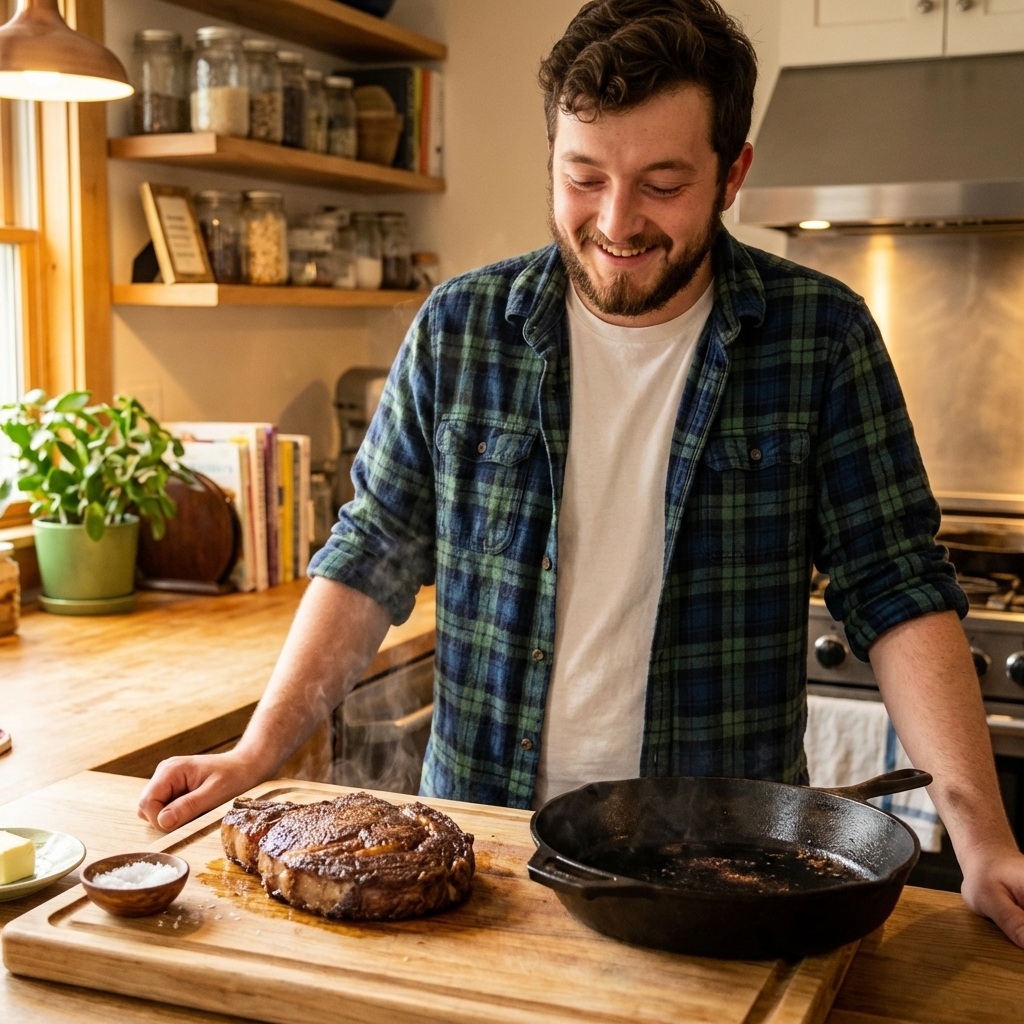
A thick ribeye steak with a deep brown crust resting on a cutting board beside a hot cast iron skillet, with flaky salt and a pat of butter nearby, warm kitchen lighting

If you have ever cooked a thick steak and ended up with a gray band and a sad center, reverse sear is your new best friend. It is exactly what it sounds like: you cook the steak gently first (so the inside comes up to temp evenly), then you finish with a quick, high-heat sear that builds the crust.

This method is weeknight friendly if you plan just a little. You can prep sides while the steak hangs out in the oven, then you do a fast cast iron finish that makes your kitchen smell like a steakhouse in the best way. Bonus: it is way less stressful than guessing when the middle is done.
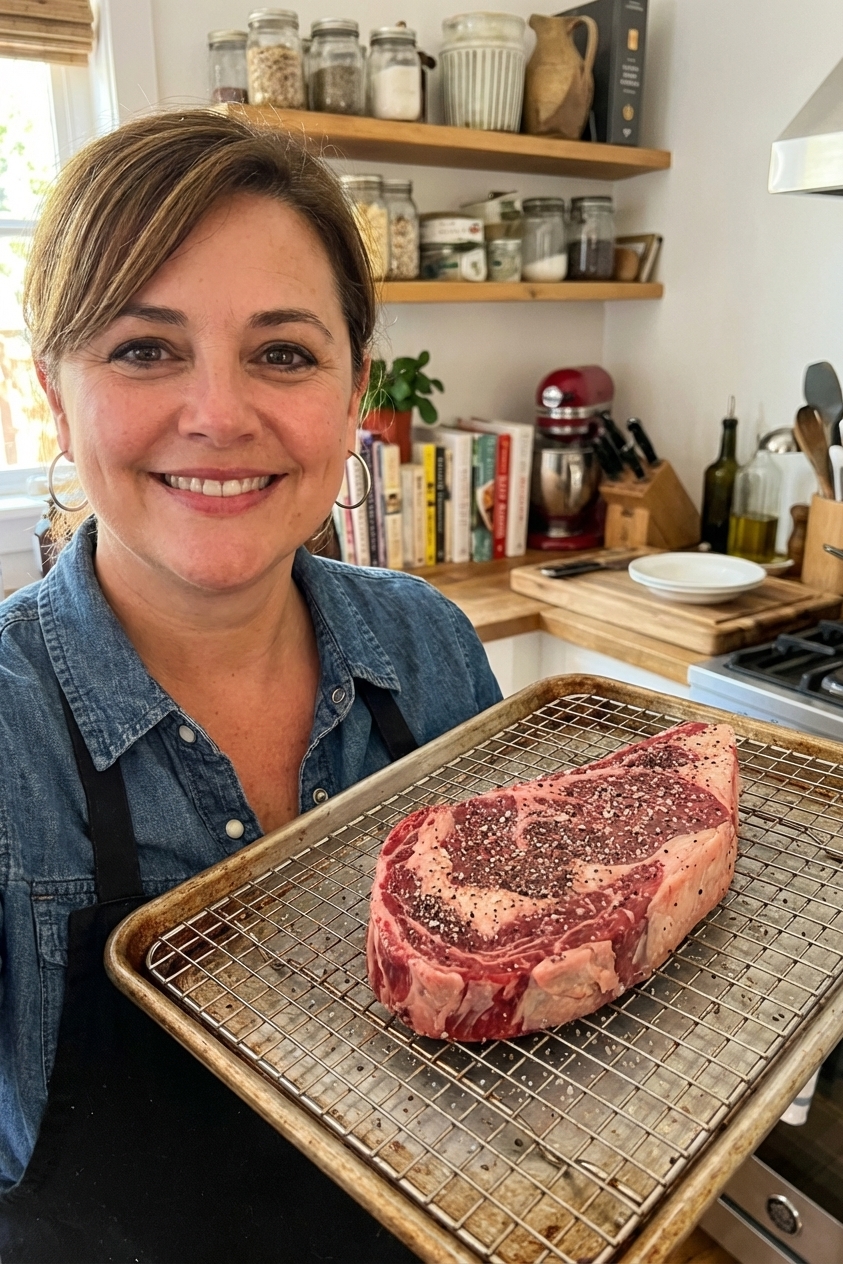
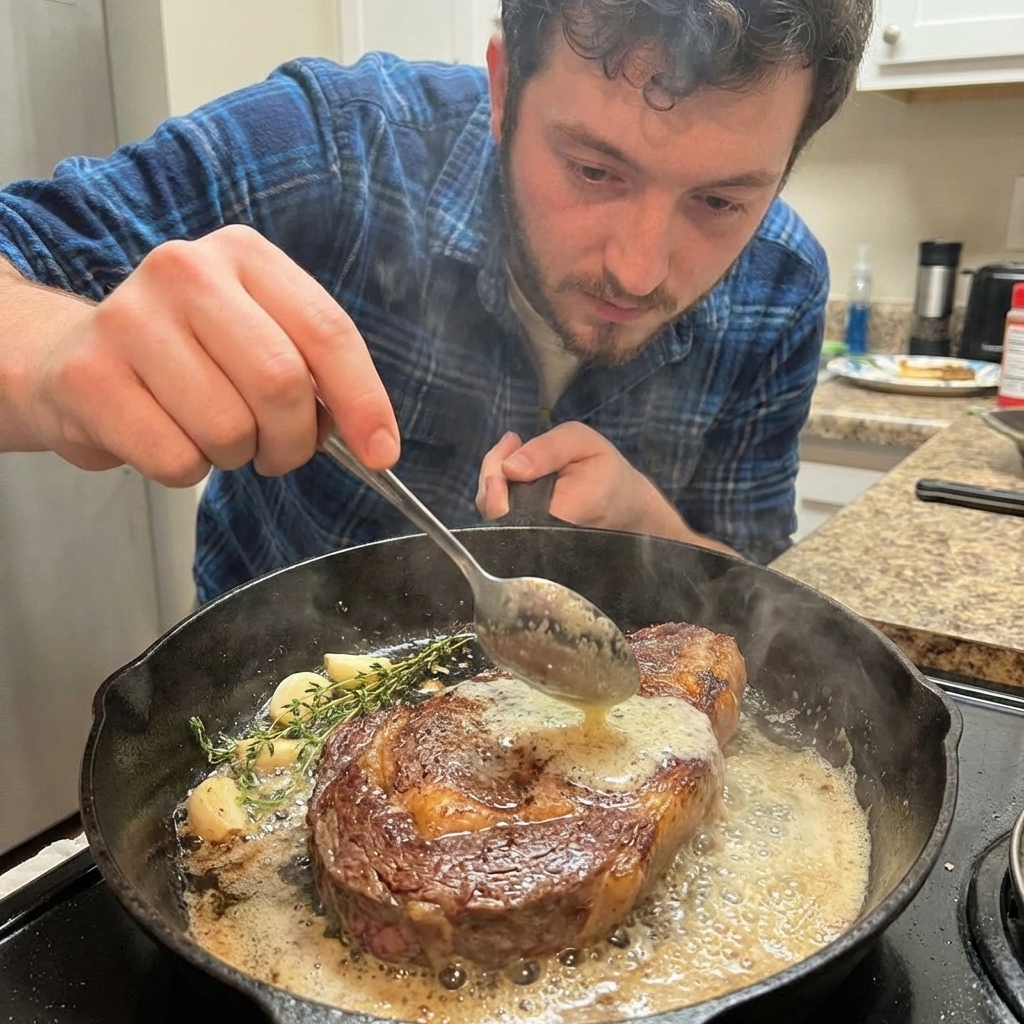
A thick-cut steak seasoned with salt and pepper sitting on a wire rack over a rimmed baking sheet, ready to go into the oven

Why It Works

  • Even doneness from edge to center: the low oven stage slowly warms the steak so you get that rosy center without a harsh overcooked ring.
  • Better crust: the surface dries a bit in the oven, which helps the final sear brown faster and deeper.
  • More control: you pull the steak based on temperature, not vibes.
  • Flexible finishing: cast iron sear, butter baste, or a quick herb and garlic situation if you are feeling fancy.

Pairs Well With

Storage Tips

How to Store Leftover Steak

  • Cool fast: let steak cool at room temp for about 20 to 30 minutes, then refrigerate.
  • Refrigerate: store in an airtight container for up to 3 to 4 days.
  • Freeze: wrap tightly (plastic wrap plus a freezer bag) and freeze up to 2 months for best texture.
  • Reheat without overcooking: warm slices gently in a covered skillet over low heat with a splash of broth or water, or reheat whole pieces in a 250°F oven until just warm, then optional quick sear.
  • Leftover move: slice cold steak thin and make a steak salad, sandwich, or quick fried rice.

Common Questions

Doneness Temperatures

Use an instant-read thermometer and pull the steak from the oven 10 to 15°F below your final target, since the hot sear finishes the job.

  • Rare: pull at 110°F, finish to 120 to 125°F
  • Medium-rare: pull at 115°F, finish to 130 to 135°F
  • Medium: pull at 125°F, finish to 140 to 145°F
  • Medium-well: pull at 135°F, finish to 150 to 155°F
  • Well: pull at 145°F, finish to 160°F+

Do I have to rest the steak?

Yes, but here is the twist: reverse sear gives you two mini rests. First, a short rest after the oven (about 5 to 10 minutes) so the surface steam chills out before searing. Then a quick rest after searing (about 5 minutes) so juices settle before slicing.

What is the best steak for reverse searing?

Thick cuts do best: ribeye, strip, porterhouse, T-bone, filet. Aim for 1.5 to 2 inches thick. Thin steaks cook too fast to benefit.

What oven temperature should I use?

250°F is the sweet spot. You can go as low as 225°F if you have time, or up to 275°F if you are in a hurry. Lower temps give you more forgiveness.

Why is my steak not getting a crust?

  • Your pan is not hot enough. Preheat cast iron until it is very hot, usually 3 to 5 minutes.
  • The surface is wet. Pat the steak dry before searing.
  • Too crowded. Sear one or two steaks max, depending on skillet size.
  • Not enough fat. Use a high smoke point oil (avocado, canola, grapeseed).

Why did my steak overcook during the sear?

  • You pulled it from the oven too close to the final temp. Next time, pull 10 to 15°F early.
  • Your sear took too long. Make sure the pan is ripping hot and keep the sear short.
  • Your steak is thinner than 1.5 inches. For thin steaks, use a traditional sear-then-finish method.

Can I reverse sear on a grill?

Absolutely. Cook the steak over indirect heat first, then finish over the hottest part of the grill for the sear.

I used to cook thick steaks like I was defusing a bomb. Sear, flip, poke it, panic, slice to check, overcook it, then pretend I meant to do medium-well. Reverse sear fixed that spiral for me because it turns the whole thing into two simple jobs: get the inside right, then get the outside loud and crusty. Now when a steak comes out perfect, I do the only reasonable thing. I stand at the counter, take a bite, and nod like I just solved a small but important problem.