Mom's Best Recipes
Recipe

Reverse-Seared Tomahawk Steak

Low-cook in the oven or smoker, rest, then sear hard for a deep crust and juicy center, finished with garlic herb butter.

Author By Matt Campbell
4.8
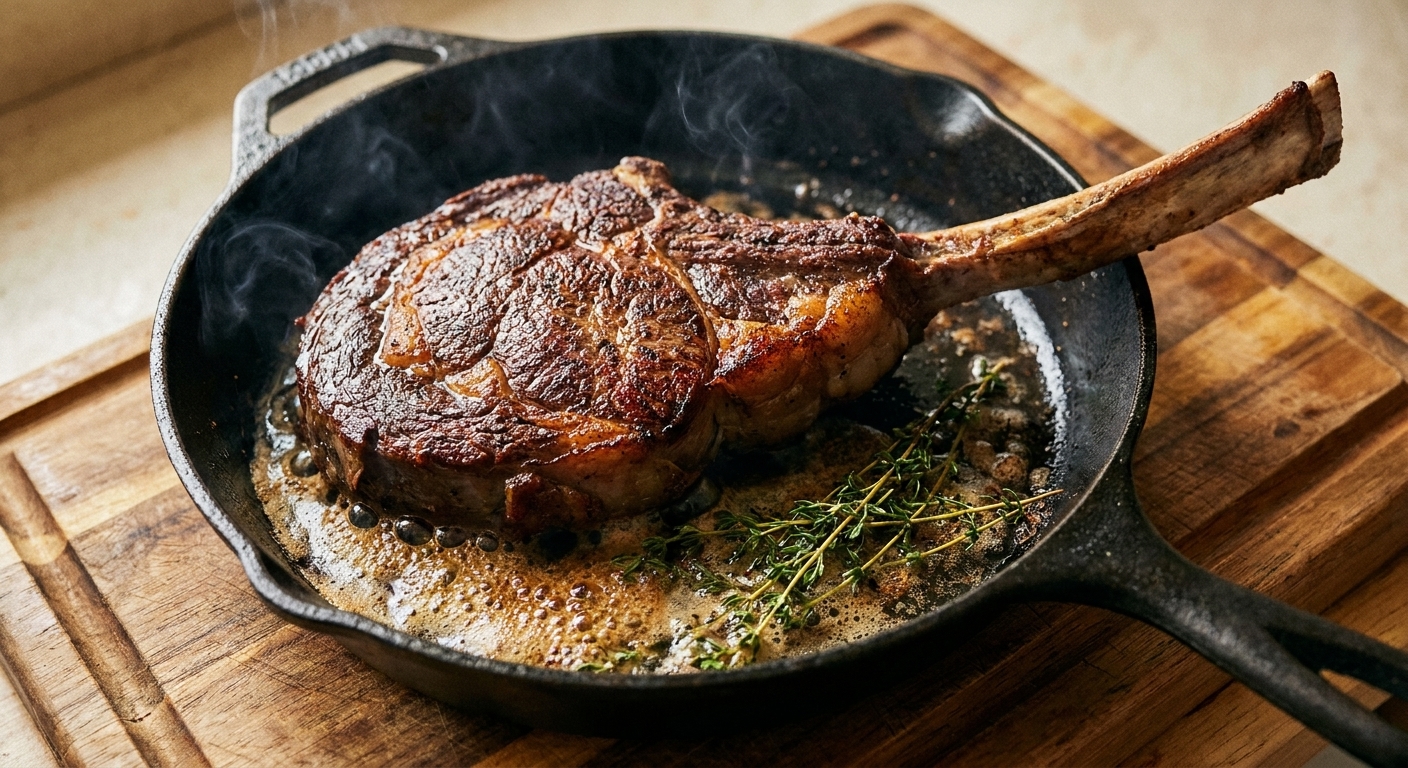
A thick tomahawk ribeye steak with a long bone being seared in a cast iron skillet with browned butter and thyme, close-up food photography

Tomahawk steaks are pure main-character energy. That long bone is dramatic, sure, but the real flex is the reverse sear: you gently bring the steak up to temp in the oven or smoker, then finish with a fast, high-heat sear that builds a crust you can hear.

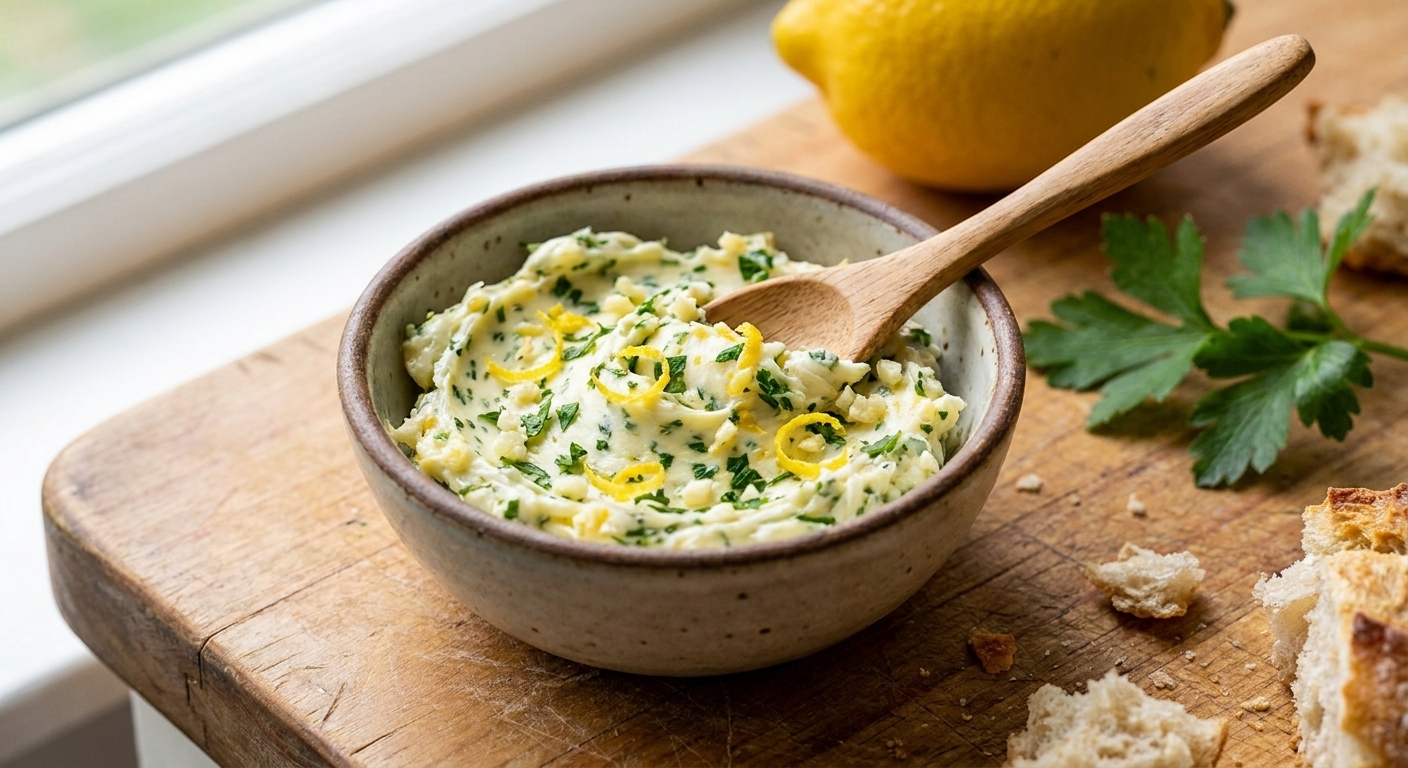
This method is my favorite for thick steaks because it keeps the inside evenly rosy instead of turning into a gray bullseye. Add a swipe of garlic herb compound butter on top, and you have the kind of bite that makes everyone stop talking for a second. Tasting as you go is encouraged, but try not to eat all the butter with a spoon.

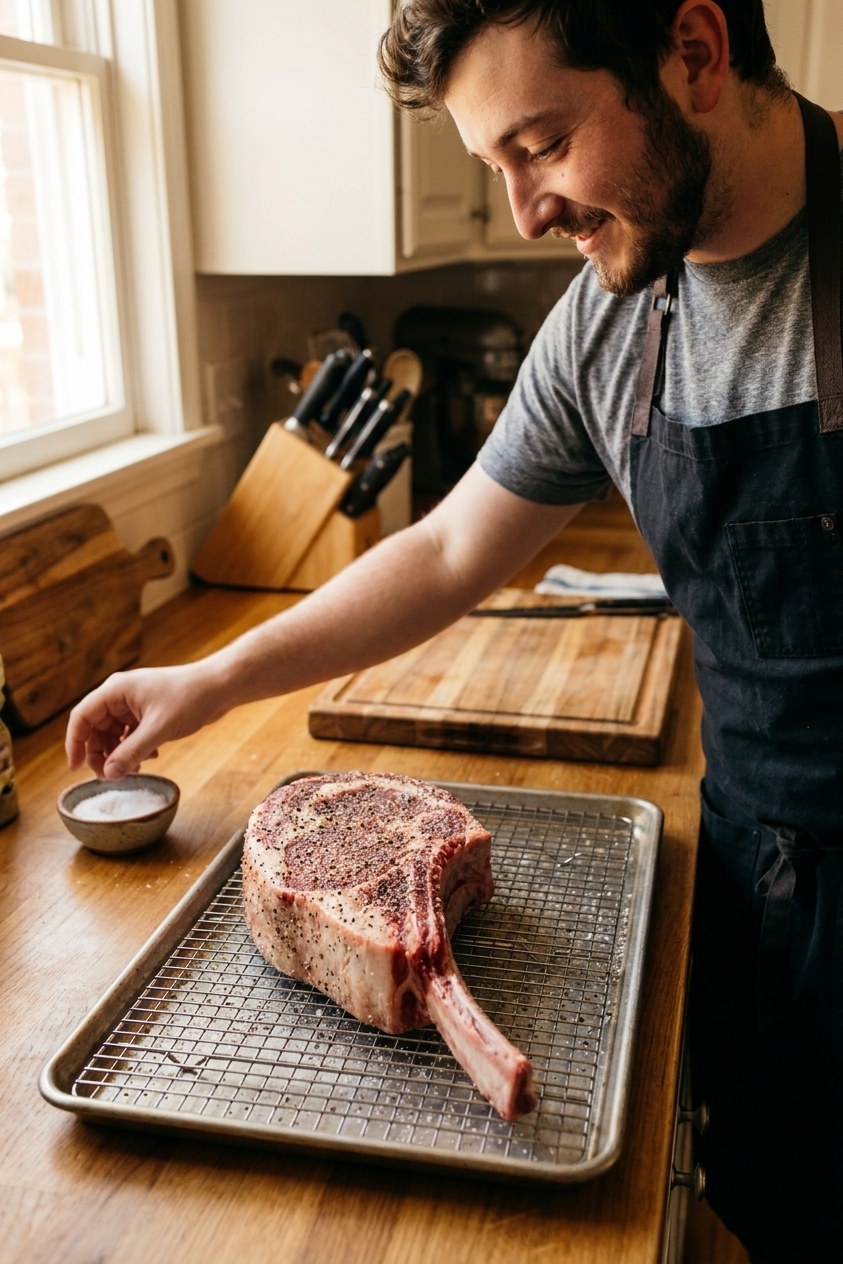
A raw tomahawk steak seasoned with salt and pepper resting on a wire rack set over a baking sheet in a home kitchen

Why It Works

  • Even doneness, edge to edge: The low cook warms the steak gently, so you get a thick band of perfect pink instead of overcooked edges.
  • Better crust with less stress: Because the interior is already near your target temp, the final sear is quick, hot, and focused on browning.
  • Resting helps: A short rest after the low cook gives you timing wiggle room and helps the surface dry slightly, which can take the sear from good to steakhouse-level.
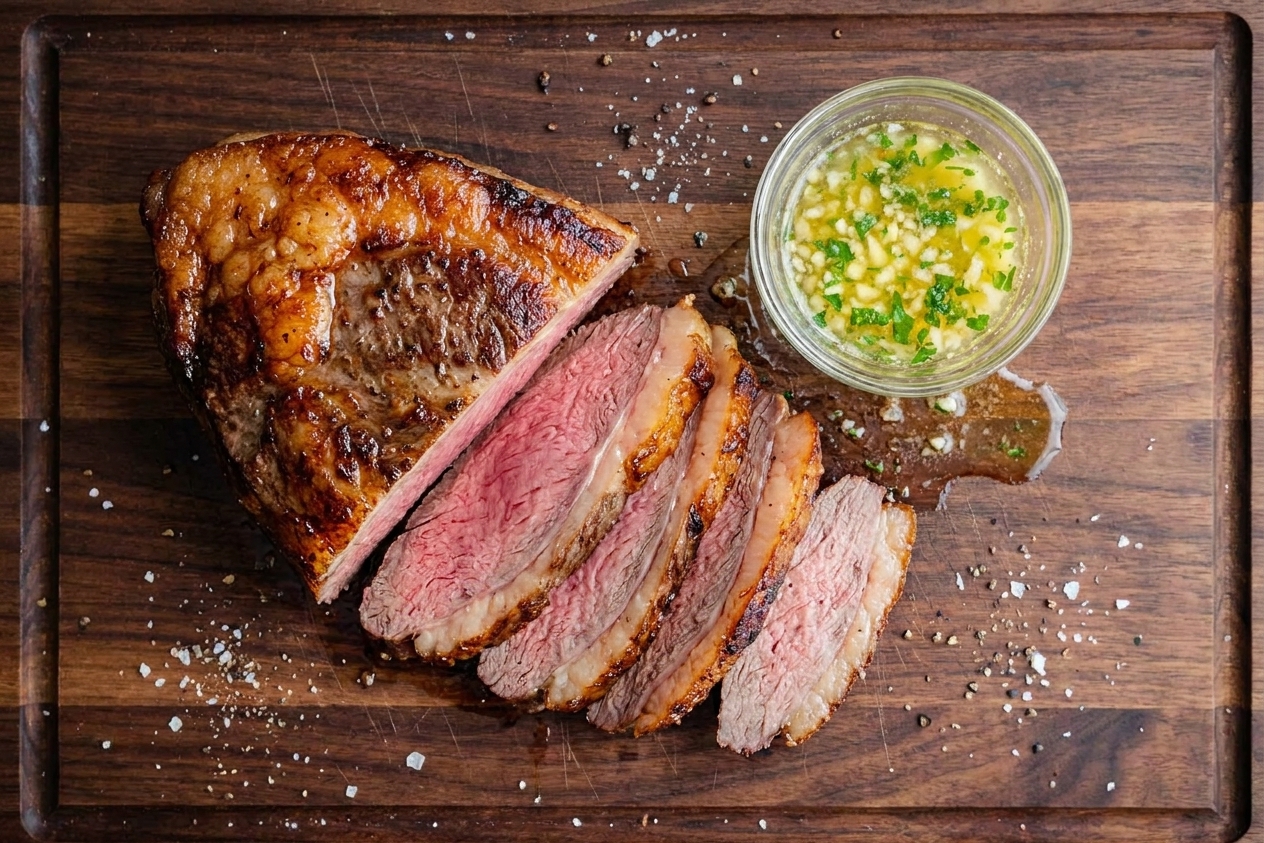
  • Garlic butter finishes the job: The compound butter melts into the crust and adds instant shine, aroma, and richness without complicated sauces.

Pairs Well With

Storage Tips

Refrigerate: Cool leftover steak, then wrap tightly or store in an airtight container for up to 3 to 4 days.

Freeze: Slice first (it thaws faster), then wrap portions well and freeze up to 2 months (quality is best within 2 to 3 months). Thaw overnight in the fridge.

Reheat without wrecking it: Warm slices gently in a skillet over low heat with a splash of beef broth or water and a lid, just until heated through. Or place on a sheet pan, cover loosely with foil, and warm in a 250°F oven for about 10 to 15 minutes. Save the hard sear for the first day.

Leftover garlic butter: Keep it refrigerated for up to 1 week or freeze for 2 months. It is excellent on potatoes, toast, and basically any vegetable that wants to be taken seriously.

Common Questions

What internal temperature should I cook a tomahawk steak to?

For reverse sear, pull the steak from the oven or smoker at 10 to 15°F below your final target since the sear will raise it. How much it rises depends on your sear time, pan heat, and where your thermometer is placed, so use this as a guide, not a law.

  • Rare: pull at 110 to 115°F, finish at 120 to 125°F
  • Medium-rare: pull at 115 to 120°F, finish at 130 to 135°F
  • Medium: pull at 125 to 130°F, finish at 140 to 145°F
  • Medium-well: pull at 135 to 140°F, finish at 150 to 155°F
  • Well-done: pull at 145 to 150°F, finish at 160°F+

Reminder: The USDA recommends 145°F plus a 3-minute rest for whole cuts of beef. Many people prefer steak at lower temps for tenderness. Choose what works for your table.

Where do I probe temp on a tomahawk?

Probe the thickest part of the ribeye, aiming for the center. Avoid touching the bone and skip obvious fat pockets, since both can throw off the reading. If you are unsure, take two readings in nearby spots and go with the lower one.

Oven or smoker for the low cook?

Both work great. The oven is consistent and easy. The smoker adds that subtle wood flavor that makes the whole neighborhood wander over “just to say hi.” Keep it low, around 225 to 250°F either way.

Do I need to bring the steak to room temperature first?

Not really. With reverse sear, the steak spends plenty of time warming gently. I do like to season it and let it sit uncovered for 20 to 40 minutes while the oven heats (or up to 40 minutes) so the surface dries a bit for better browning.

Can I salt it ahead of time?

Yes, and thick steaks love it. For best results, season with kosher salt and refrigerate uncovered 8 to 24 hours on a rack (a dry brine). It boosts seasoning throughout and helps the surface dry out for a better crust. If you do this, you may need slightly less salt right before cooking.

What is the best way to sear it at the end?

Cast iron on the stove is the easiest, most intense sear. A ripping hot grill also works and keeps smoke outside. Either way, dry the surface, use a high-heat oil, and keep the sear short so you do not overcook the center. Turn on your hood, because this is the part that can smell like victory and set off your smoke alarm.

How do I carve a tomahawk steak along the bone?

Stand the steak so the bone is your guide. Run a sharp knife parallel to the bone to remove the ribeye in one big piece. Then slice against the grain into thick strips. If you want bonus points, cut the ribeye cap section into its own slices because it is absurdly tender.
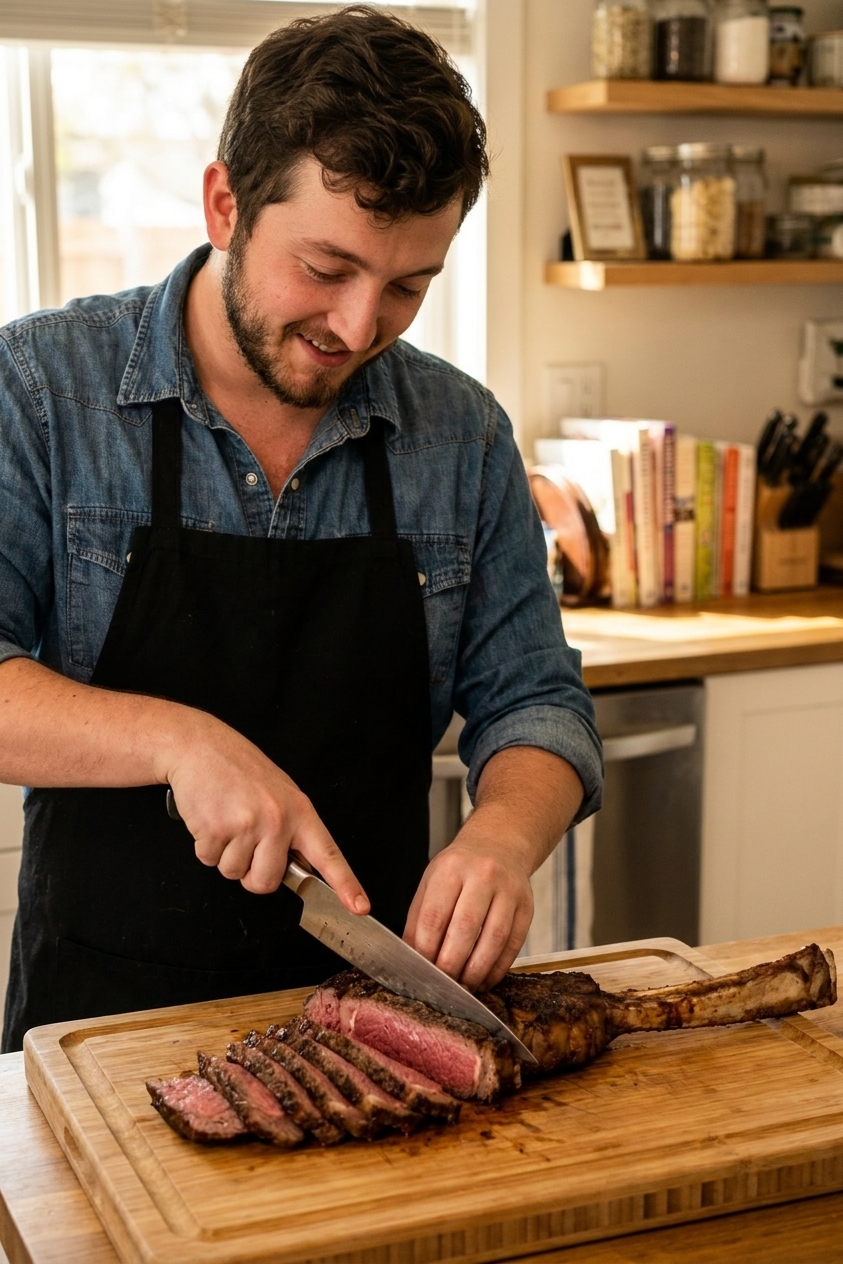

A cooked tomahawk steak on a wooden cutting board being carved with a chef's knife, slices fanned out beside the long bone

The first time I cooked a tomahawk at home, I was equal parts confident and slightly terrified. It is a big, expensive, caveman-looking steak, and you do not want to be the person who turns that into leather. Reverse sear is what made it click for me. It turns a “special occasion” cut into a calm, repeatable process. Low and slow, quick rest, then a hot sear that smells like victory. The garlic butter is the part that feels like cheating, in the best way, because it makes the whole thing taste like you had a plan all along.