Mom's Best Recipes
Recipe

Rich Homemade Cheese Sauce

Silky, clingy, big-flavor cheese sauce in 15 minutes. Perfect for mac, nachos, broccoli, fries, and any “oops, we need dinner” situation.

Author By Matt Campbell
4.9
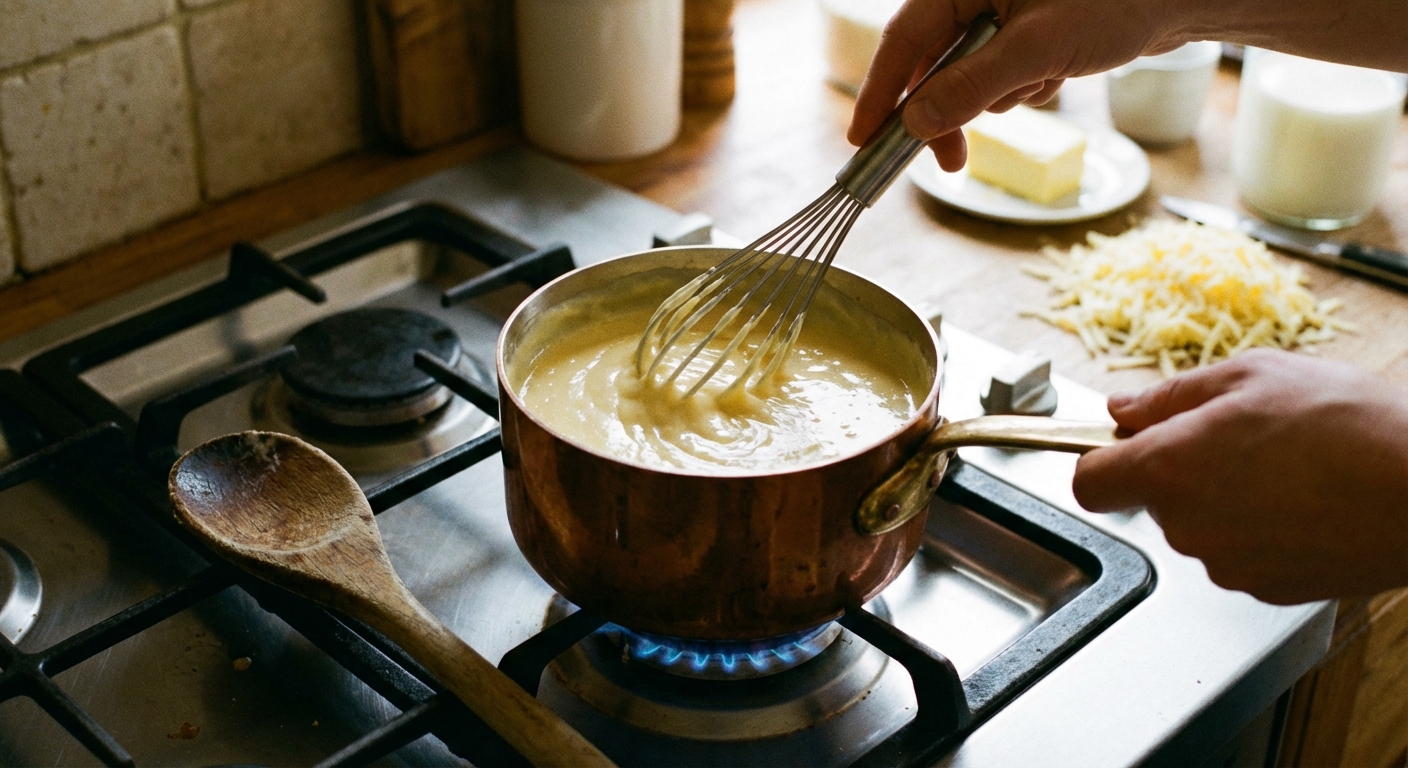
A small saucepan of glossy homemade cheese sauce being whisked on a stovetop with a wooden spoon nearby

There are two kinds of cheese sauce in this world: the grainy one that tastes like regret, and the glossy one that makes you hover over the pot with a spoon like a cartoon raccoon guarding treasure.

This is the glossy one. It is rich, smooth, and unapologetically cheesy, built on a quick roux (butter + flour) and finished with real cheese, a little mustard for zip, and optional heat if you are feeling spicy and powerful.

Use it for mac and cheese, nachos, baked potatoes, steamed broccoli, soft pretzels, fries, or as a blanket for anything you want to turn into a “wow, okay” moment on a regular Tuesday.

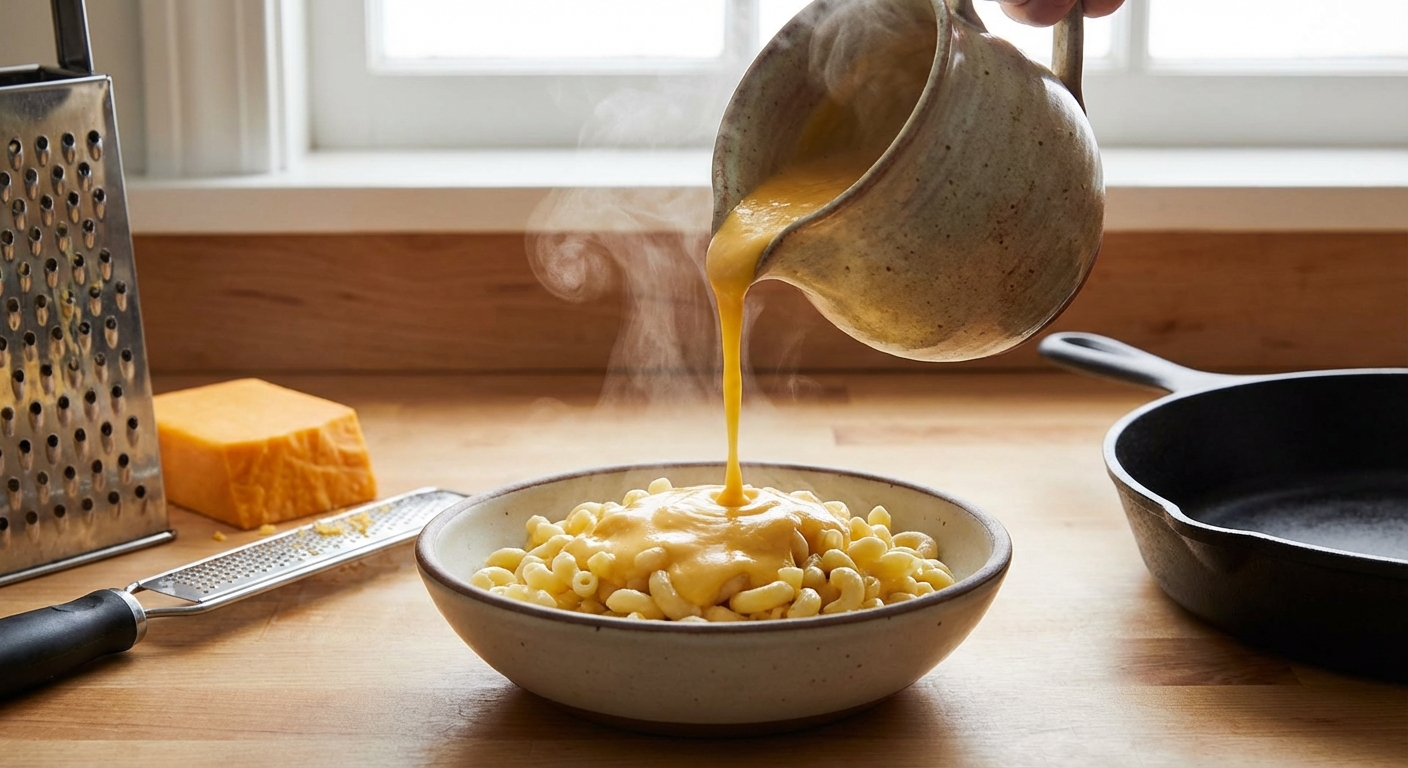
Warm cheese sauce being poured over a bowl of cooked macaroni on a kitchen counter

Why It Works

  • Roux = stability. Butter and flour thicken the sauce gently, so you get body without relying on processed cheese.
  • Low heat protects the texture. Cheese can seize and go grainy if it gets too hot. We take it off the heat before adding the cheese, then melt slowly.
  • Freshly shredded melts better. Bagged shredded cheese is convenient, but it is often coated with starch/cellulose to prevent clumping, which can sometimes make melting a little less smooth.
  • Flavor boosters do real work. Dijon, a tiny splash of hot sauce, and paprika make the cheese taste cheesier without adding a bunch of one-use ingredients.

Quick serving guide: Use the full batch for 12 ounces pasta, about 1/2 cup for a big bowl of broccoli, or 1 to 1 1/2 cups for a sheet pan of nachos depending on your cheese-to-chip values.

Storage Tips

How to Store and Reheat

Cheese sauce keeps well, but it thickens as it cools. That is normal. It is not mad at you, it is just setting up.

Fridge

  • Cool, then store in an airtight container for up to 4 days (standard fridge guidance, assuming normal safe handling and prompt refrigeration).
  • Press a piece of parchment or plastic wrap directly on the surface to reduce a “skin” on top.

Reheat (best method)

  • Warm in a saucepan over low heat, stirring often.
  • Add 1 to 3 tablespoons milk (or water in a pinch) to loosen it back to silky.

Microwave (fast method)

  • Heat in 20 to 30 second bursts, stirring each time.
  • Add a splash of milk as needed.

Freezing

You can freeze it, but dairy sauces sometimes separate after thawing. If you do freeze: cool completely, freeze up to 2 months, thaw overnight in the fridge, then reheat gently with a splash of milk and whisk until smooth.

Common Questions

Common Questions

Why did my cheese sauce turn grainy?

Usually one of these: the heat was too high, the sauce was boiling when the cheese went in, or it got overheated after the cheese was added. Other common culprits: very aged cheddar (it can split more easily), not enough liquid, or using pre-shredded cheese that has starch/cellulose coatings that can sometimes make melting less smooth.

Fix: Take the pot off the heat. Whisk in a splash of warm milk and keep stirring gently until it smooths out. Next time, keep it at a gentle simmer (not a hard boil), then add cheese off heat and melt slowly.

What is the best cheese for a rich sauce?

For maximum melt and flavor, use a combo: sharp cheddar for punch and Gruyere (or Monterey Jack) for a smoother melt. All cheddar works too, just keep the heat low and consider the stability tip below.

Can I make it without flour?

You can, but the texture will be thinner and more prone to breaking. If you need gluten-free, swap the all-purpose flour for a 1:1 gluten-free blend, or use cornstarch.

Cornstarch method: Whisk 1 tablespoon cornstarch into 2 tablespoons cold milk until smooth. Make the sauce without flour: warm the remaining milk and cream with seasonings, then whisk in the slurry. Bring to a gentle simmer (do not boil hard) and cook 1 to 2 minutes to activate the cornstarch. Remove from heat and add cheese as directed.

How do I make it spicy?

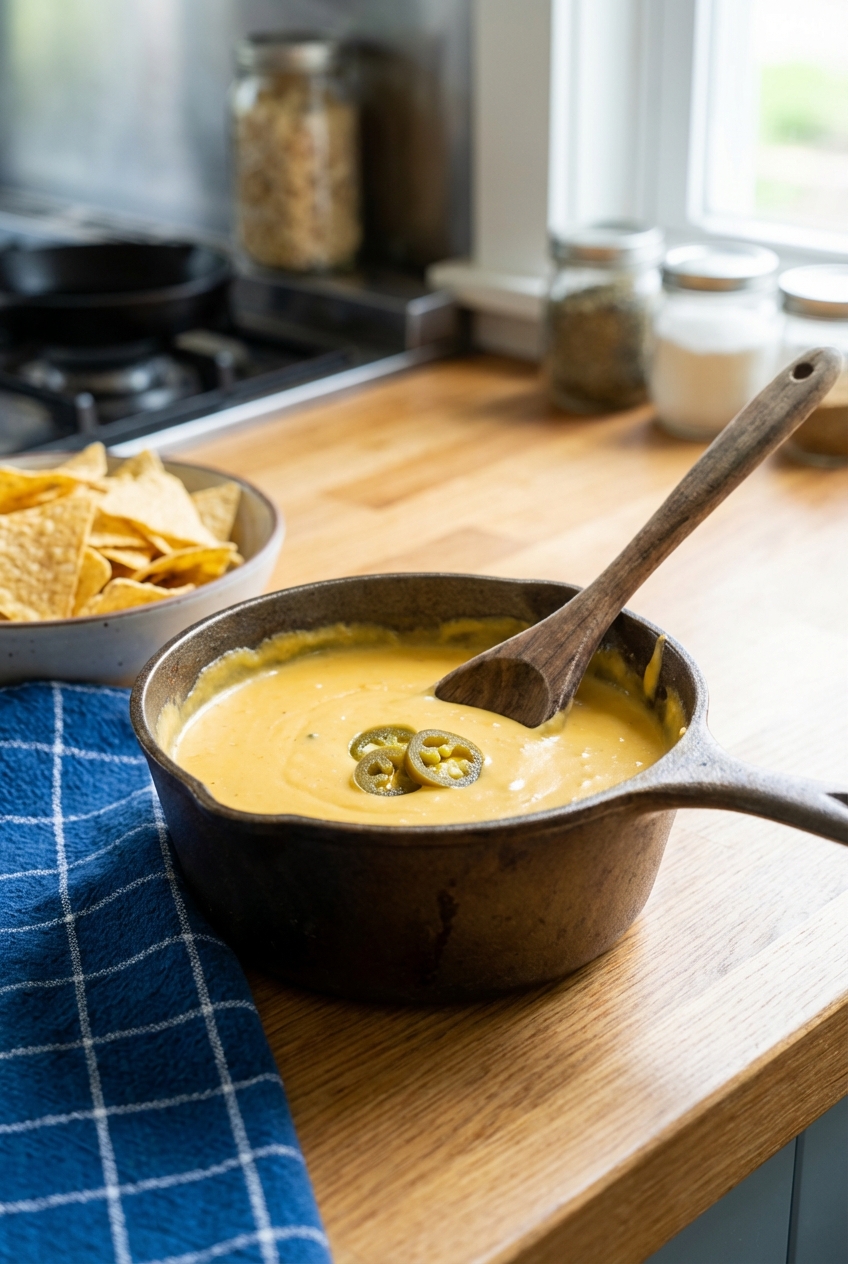
Add 1/4 to 1/2 teaspoon cayenne, a few shakes of hot sauce, or stir in minced pickled jalapenos. You can also swap part of the cheese for pepper jack.

Can I use this for mac and cheese?

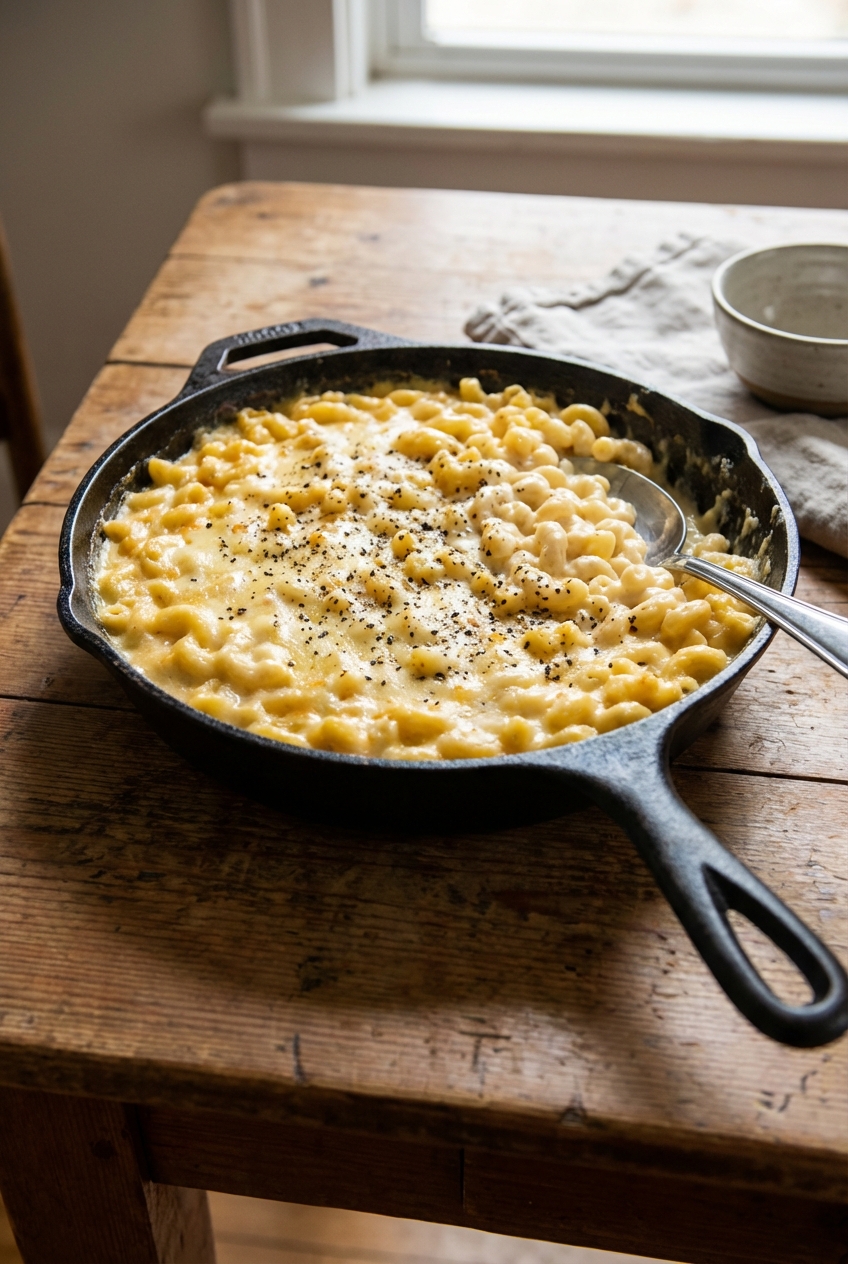
Yes. This batch is enough for 12 ounces cooked pasta for a saucy mac. If it feels too thick, loosen with a splash of pasta water. For baked mac: stir in pasta, top with buttered breadcrumbs, and bake at 375°F until bubbly.

Any tips for extra smooth, extra stable sauce?

If you want restaurant-level smoothness, swap the milk for evaporated milk (same amount) or add 1/2 teaspoon sodium citrate with the warm milk. Both help the sauce stay emulsified, especially with an all-cheddar situation.
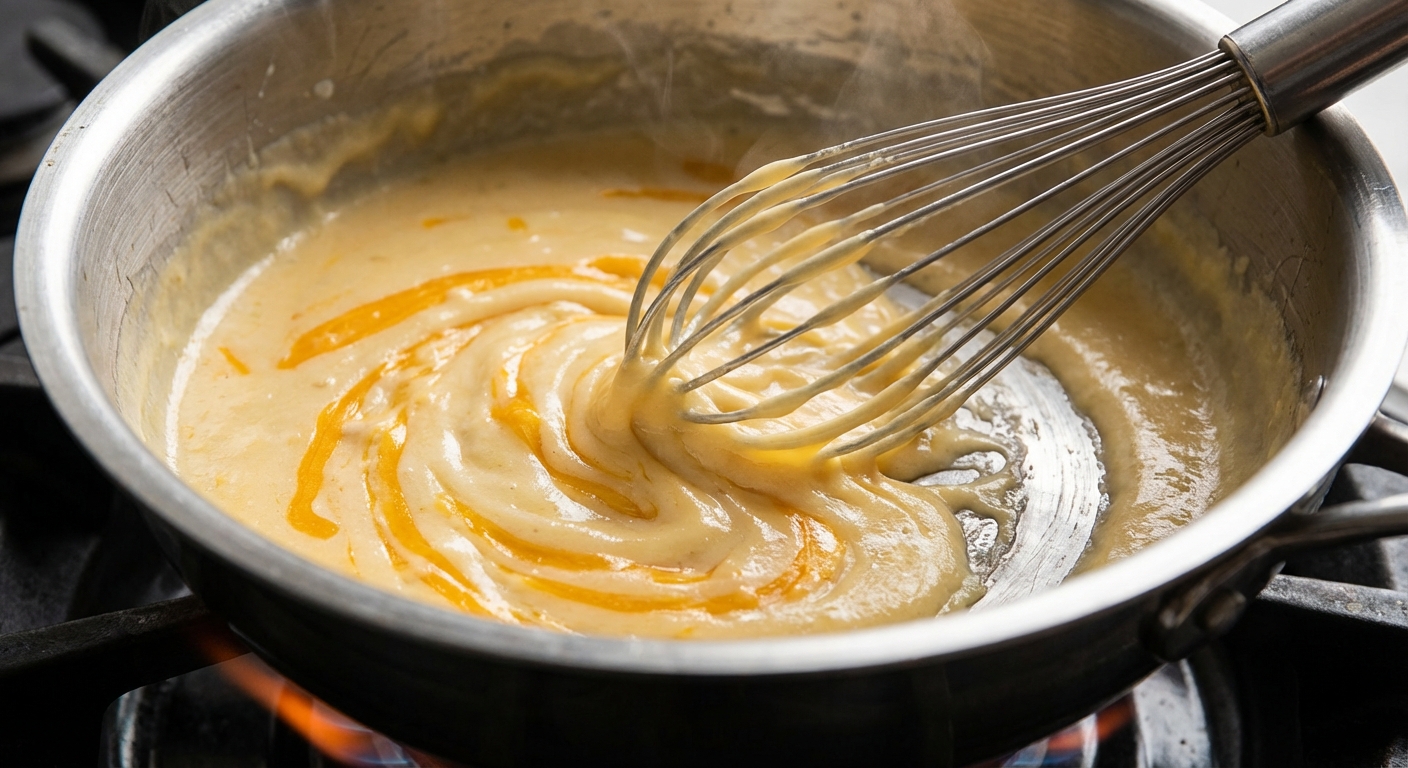

Close-up of a whisk stirring smooth cheese sauce in a stainless steel pot

I started making homemade cheese sauce because I was tired of paying restaurant money for nachos that show up wearing a sad drizzle of cheese like it is embarrassed. The first time I nailed the silky texture at home, I immediately started putting it on everything in the fridge. Roasted broccoli. Leftover potatoes. A tortilla chip I found in the bottom of a bag. No regrets.

Now it is my weeknight secret weapon: make sauce, roast something, boil pasta, and suddenly dinner looks like I planned ahead. I did not. I just know how to whisk with confidence.