Mom's Best Recipes
Recipe

Roast Pork Fillet

Tender, juicy pork fillet with a thyme-forward garlicky crust and a quick lemon Dijon pan sauce.

Author By Matt Campbell
4.8
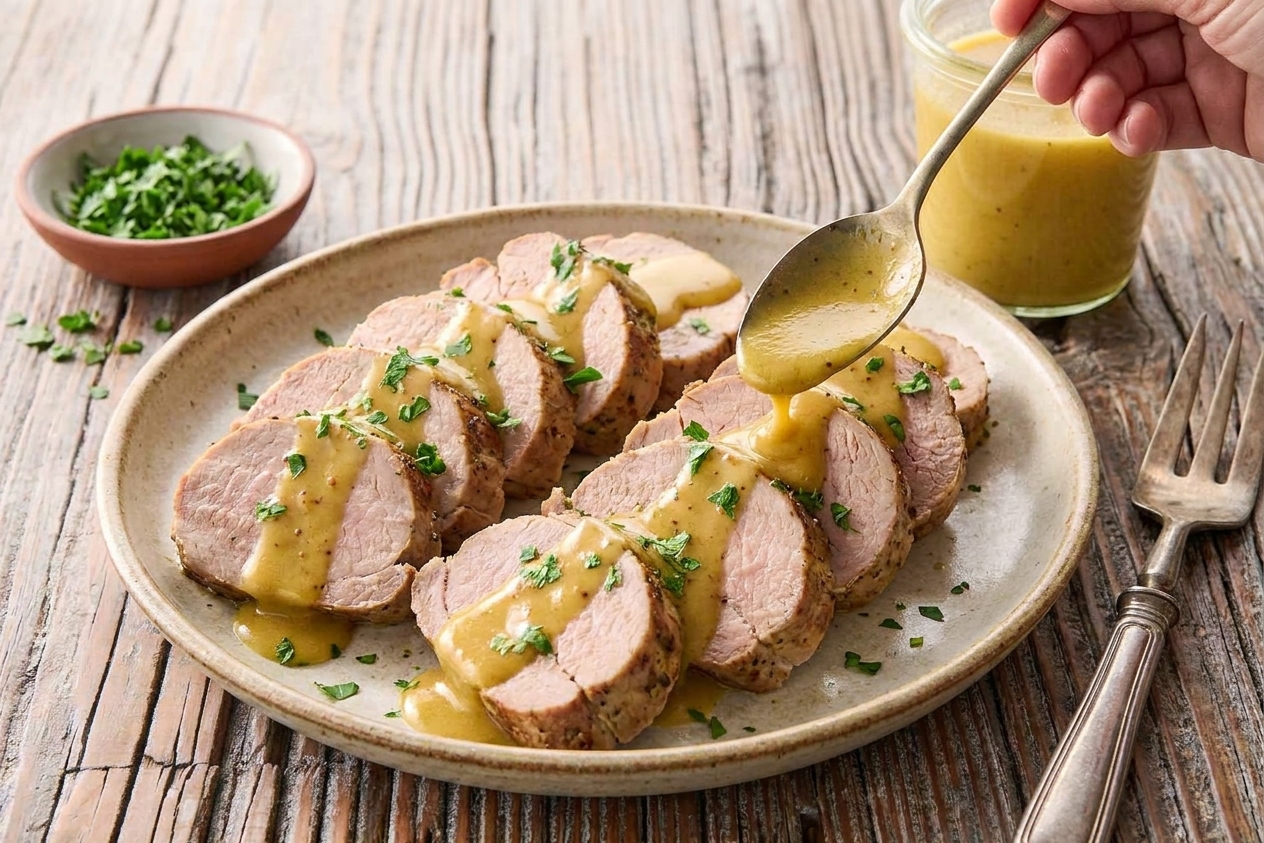
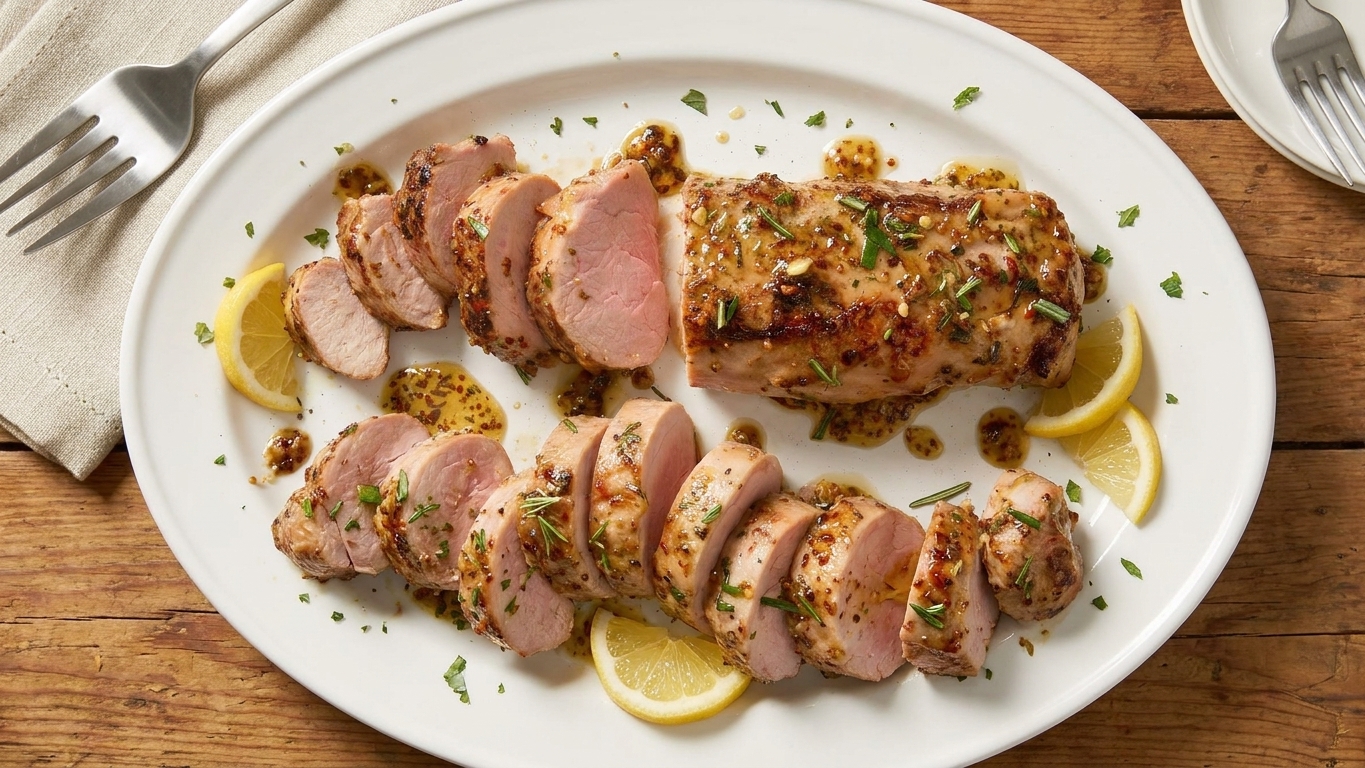
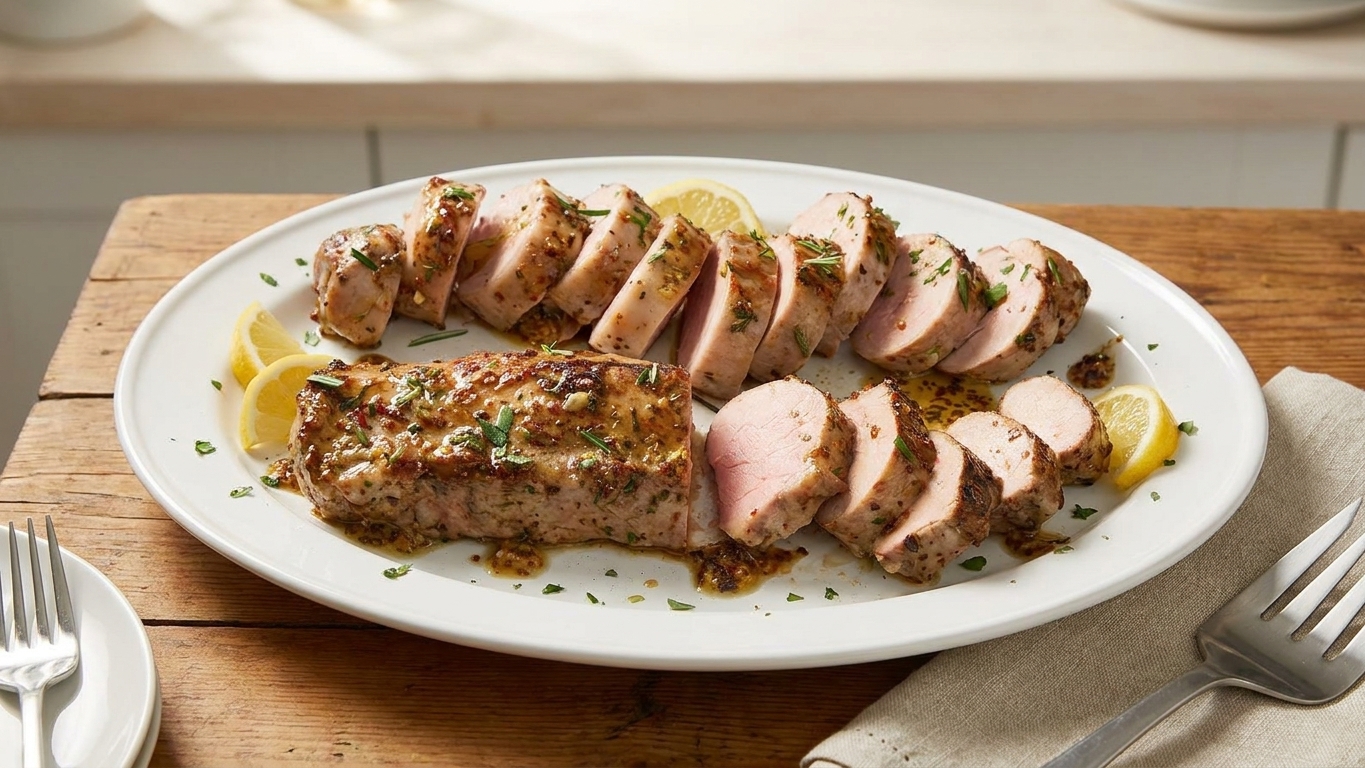
Sliced roast pork fillet arranged on a serving platter with herb flecks, pan juices, and lemon wedges on a warm kitchen table

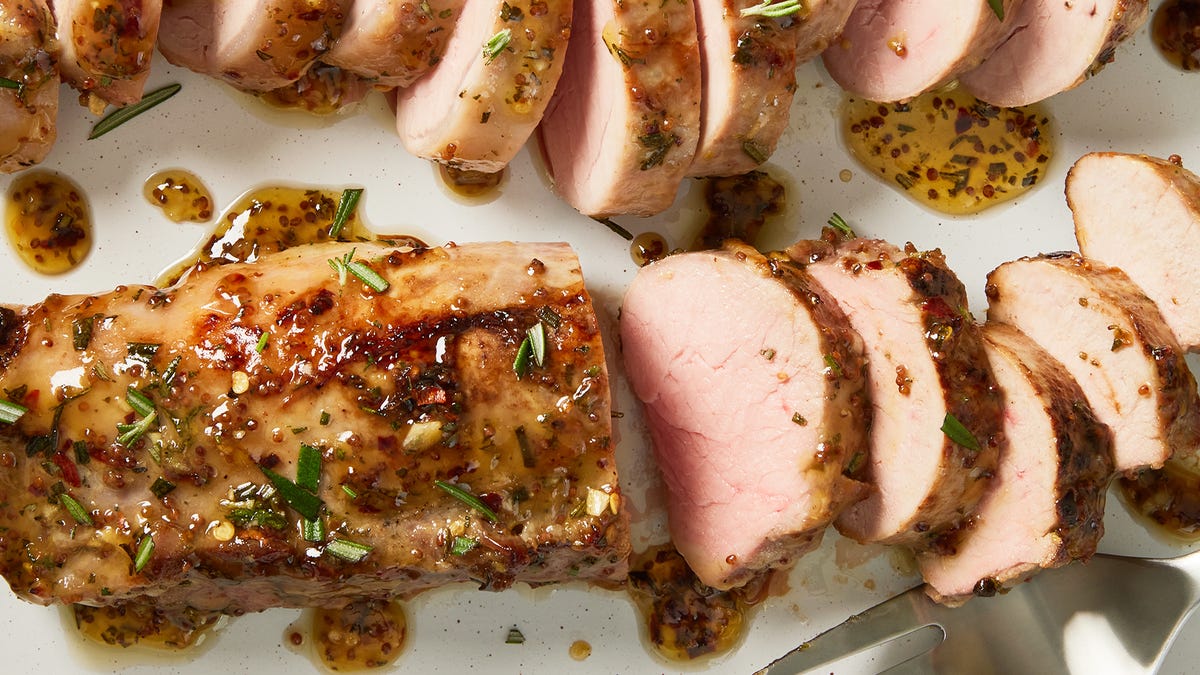
Roast pork fillet is one of those dinners that feels a little fancy, but it is basically: season aggressively, sear hard, roast fast, and then let it rest while you pretend you planned everything. The result is tender pork with crisp edges and a juicy center, plus a quick pan sauce that tastes like you know what you are doing.

I am keeping this one intentionally low-drama. No weird ingredients, no 12-step marinade, no culinary gymnastics. Just a garlic and thyme rub, a hot oven, and a couple smart temperature targets so you do not accidentally turn a lean cut into pork jerky.
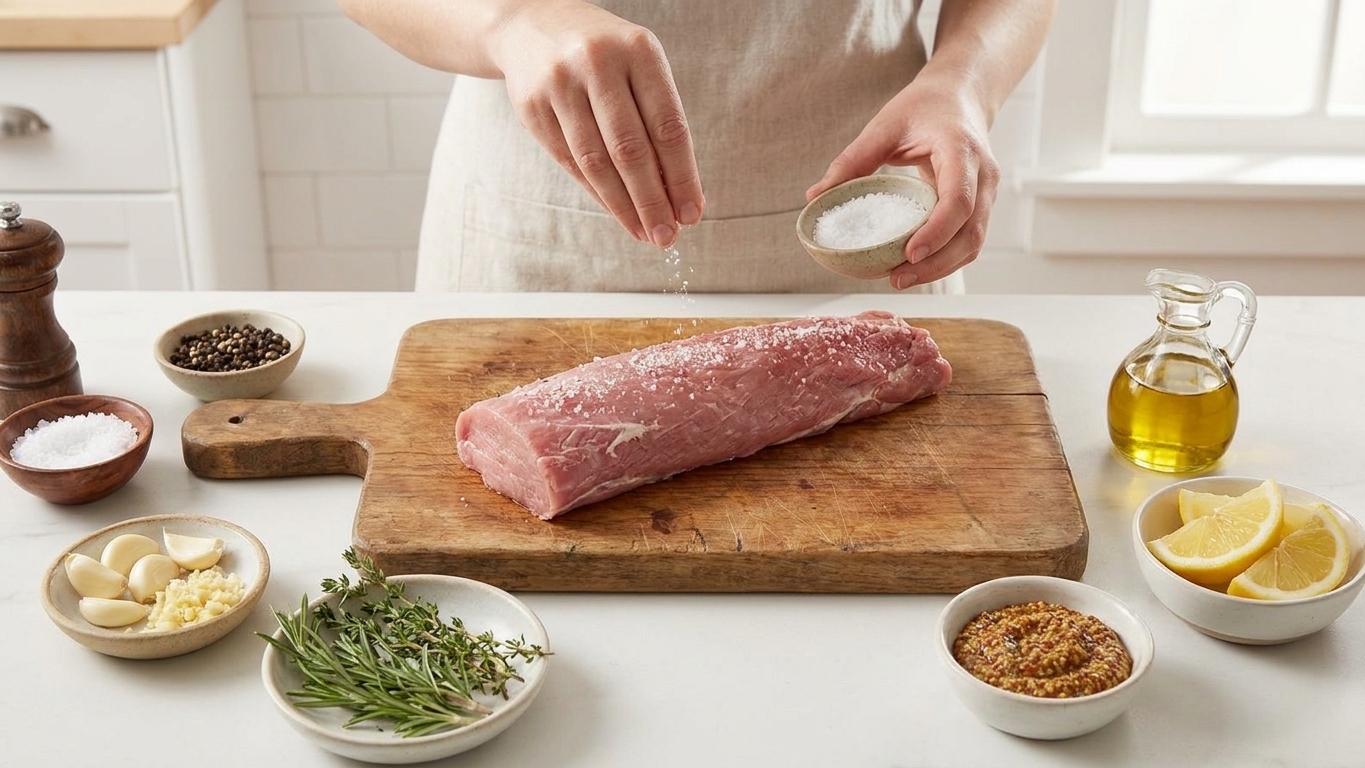
Raw pork fillet on a cutting board with small bowls of salt, pepper, garlic, herbs, lemon, mustard, and olive oil on a bright kitchen counter

Why It Works

  • Juicy, not dry: Pork fillet is lean, so we use a quick sear plus a just-right oven finish, then rest to lock in juices.
  • Big flavor with basic pantry stuff: Garlic, thyme, lemon, and Dijon do the heavy lifting.
  • Weeknight-friendly timing: The whole thing is typically under 40 minutes, including resting time.
  • Optional pan sauce that upgrades everything: Uses the same skillet, takes about 3 minutes, and turns any side dish into a good decision.

Pairs Well With

Storage Tips

Refrigerate: Cool leftovers, then store in an airtight container for up to 3 to 4 days.

Freeze: Slice or leave whole, wrap tightly, and freeze up to 2 months. Thaw overnight in the fridge.

Reheat without drying it out: Add a splash of broth or water, cover, and warm gently in a skillet over low heat until just heated through. Or microwave at 50% power in short bursts. Pork fillet goes from perfect to dry fast, so take it slow.

Leftover move: Thinly slice and make a sandwich with mayo, mustard, pickles, and something crunchy like shredded cabbage or arugula. Cold pork is underrated.

Common Questions

Is pork fillet the same as pork tenderloin?

Often, yes, but labels are not always consistent. In many stores, “pork fillet” refers to pork tenderloin, the long, narrow, very lean cut. It is not the same as pork loin, which is wider, thicker, and cooks differently. Quick check: tenderloin is usually 1 to 1 1/4 pounds and shaped like a long cylinder.

What temperature should roast pork fillet be cooked to?

For tender results, pull it from the oven when the thickest part hits 145°F, then rest 5 to 10 minutes. Resting brings the temperature up slightly and keeps the juices in the meat.

Is it okay if pork fillet is a little pink?

Yes. At 145°F, pork tenderloin can still be slightly pink in the center and that is normal. Doneness is about temperature, not color.

Why is my pork fillet dry?

Usually one of three things: it cooked past 145°F, it did not rest, or the fillet was very small and overcooked quickly. A meat thermometer fixes almost all of this.

Can I roast it without searing?

You can, but searing adds flavor and gives you browned bits for the pan sauce. If you skip the sear, still roast to 145°F and consider making a quick sauce with broth, Dijon, and a squeeze of lemon.

What if my fillet has a “silver skin”?

That tough, shiny strip does not break down much. Slide a knife tip under it and trim it off before seasoning. It takes 30 seconds and makes slicing nicer.

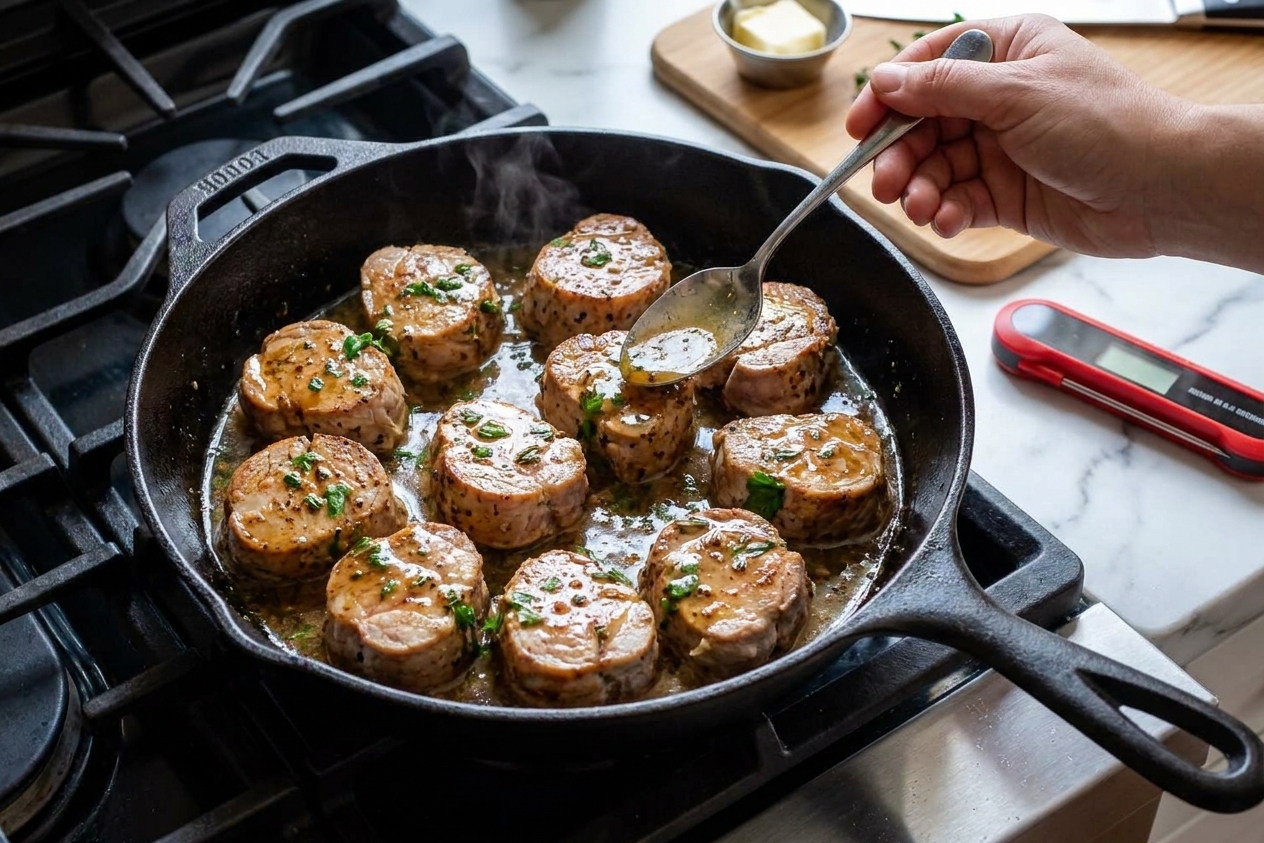
This is the dinner I make when I want the house to smell like I tried harder than I did. Pork fillet is basically my “calm flex” protein. You get that sizzling sear, the quick roast, then the resting moment where you clean up like a responsible adult while quietly sneaking a taste of the pan sauce with a spoon. It is relaxed cooking with just enough chaos to keep it fun.