Mom's Best Recipes
Recipe

Roasted Pork Tenderloin with Herbs

Juicy, herb-crusted pork tenderloin with browned edges and a bright pan sauce. A weeknight-friendly roast that tastes like you had a plan.

Author By Matt Campbell
4.8
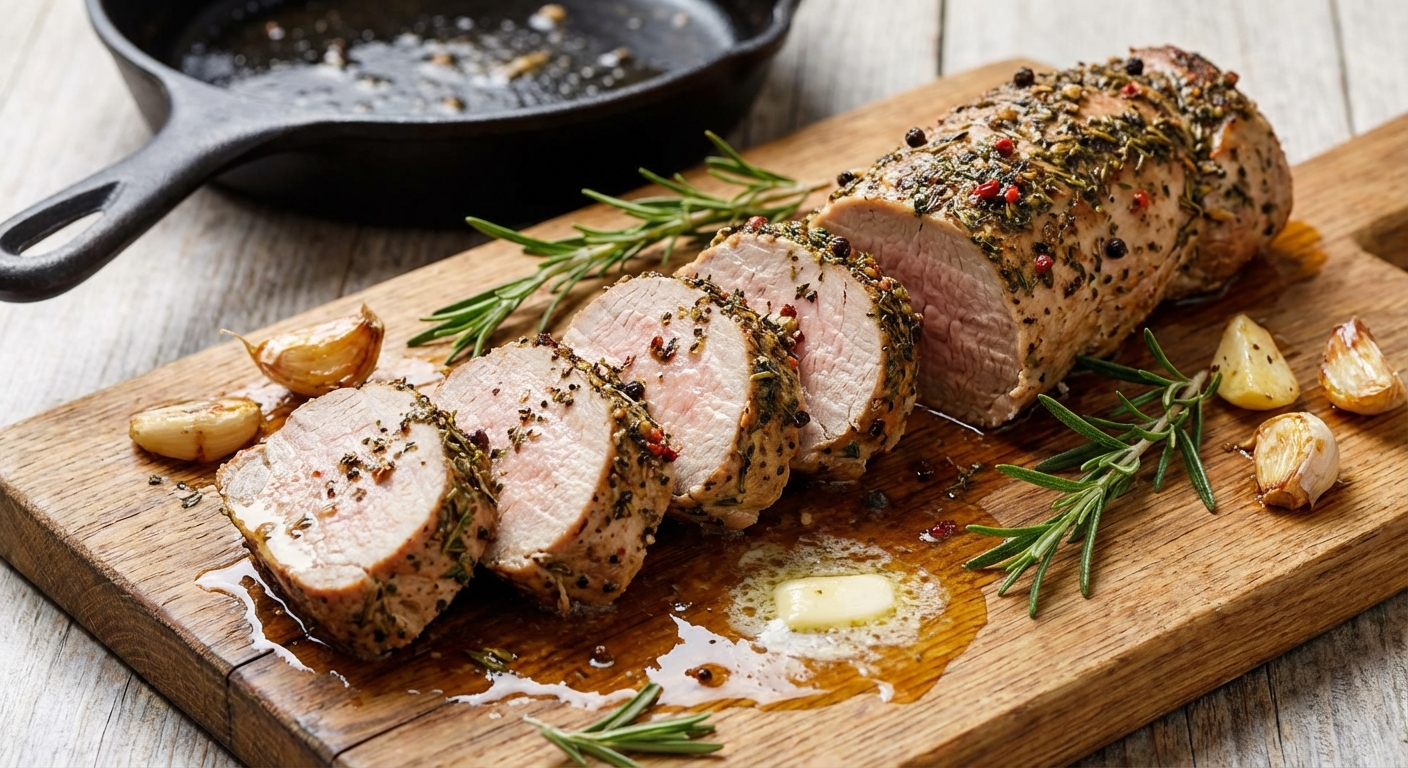
Sliced herb-crusted roasted pork tenderloin on a cutting board with pan juices and fresh rosemary

Pork tenderloin is the overachiever of the meat case. It cooks fast, stays tender when you treat it right, and loves herbs the way I love a clean cutting board, which is to say: passionately, and not always realistically.

This roasted pork tenderloin with herbs is built for real life. You sear it simply with salt and pepper for browned edges, then brush on the garlic, lemon, Dijon, and herbs after the sear before it goes into the oven. The best part is the quick pan sauce that happens while the pork rests, because resting is not optional, it is how we keep dinner from turning into “why is it dry” group therapy.
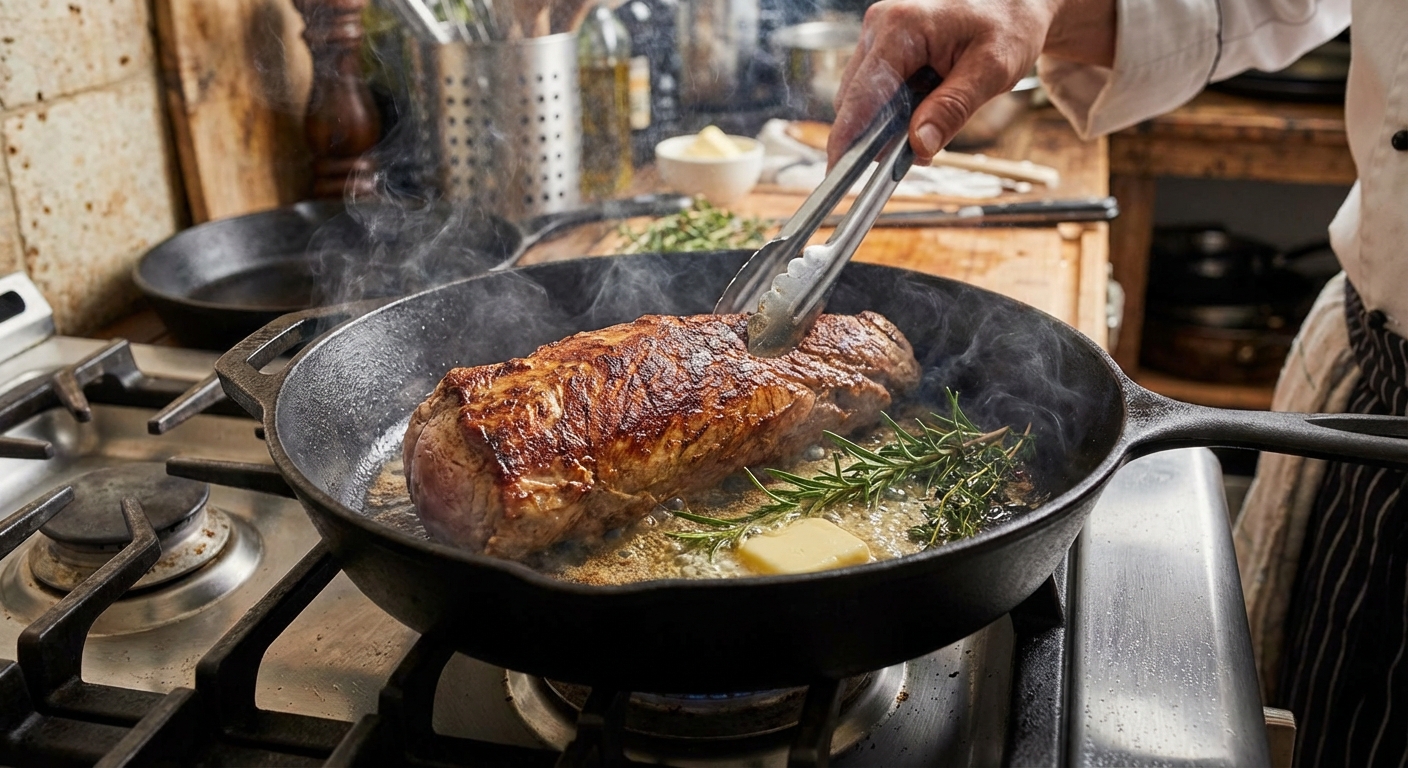

A pork tenderloin being seared in a skillet until golden brown

Why It Works

  • Fast but fancy energy: Tenderloin roasts quickly after a short sear, so it fits a weeknight without tasting like one.
  • Herb crust, browned edges: Searing builds flavor first, then the herb coating finishes it in the oven without burning the garlic.
  • Juicy, not guessy: Pulling at 145°F and resting gives you slices that stay moist.
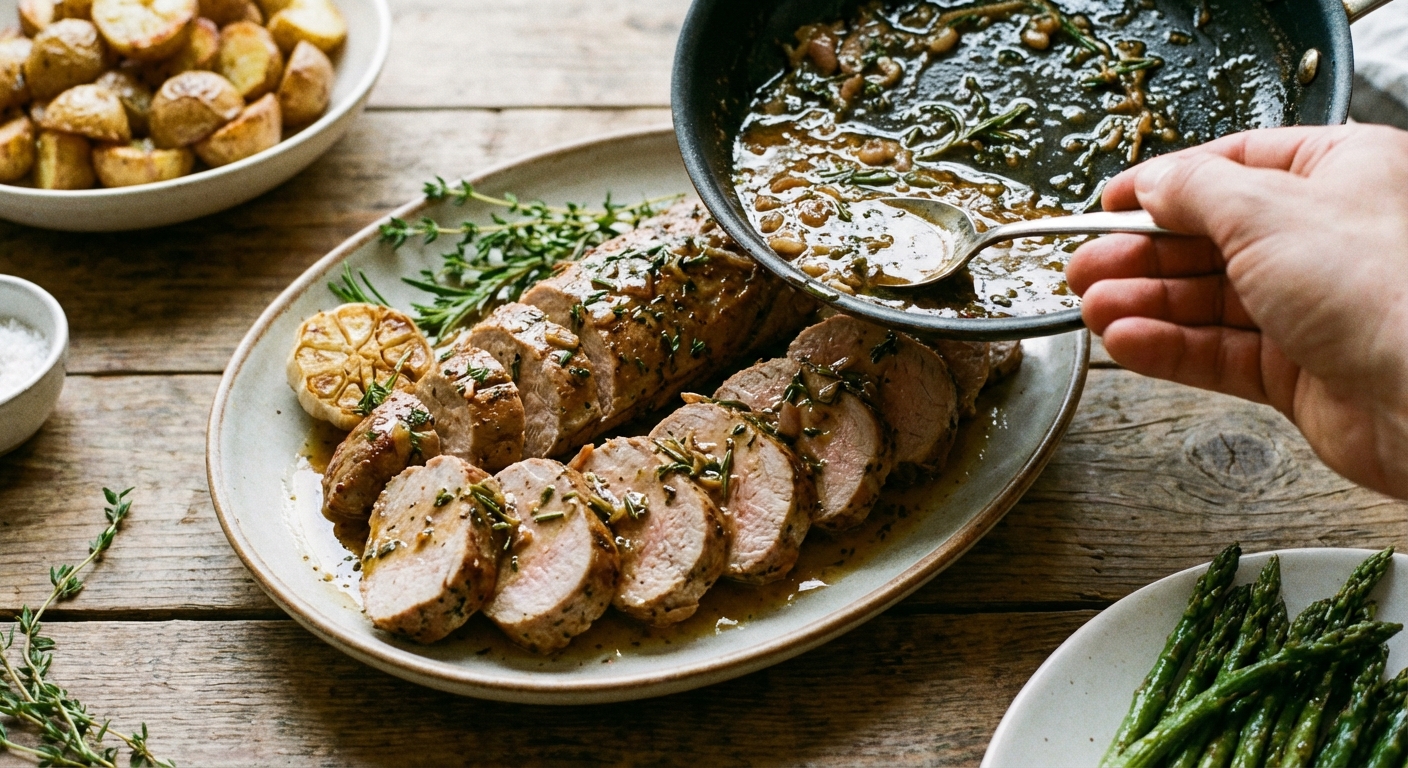
  • Built-in sauce: Deglazing the pan with broth (or wine) turns the browned bits into a glossy sauce, then a little lemon brightens it up at the end.

Storage Tips

How to Store Leftovers

Refrigerate: Cool pork within 2 hours. Store sliced pork (and sauce, if you have any left) in an airtight container for up to 4 days.

Freeze: Wrap tightly or freeze in a freezer bag with as much air removed as possible. Freeze up to 3 months. Thaw overnight in the fridge.

Reheat without drying it out: Warm slices gently in a covered skillet with a few spoonfuls of broth or leftover sauce over low heat, just until heated through. The microwave works too, but use 50% power and a splash of liquid.

Leftover glow-up ideas:

  • Slice thin for sandwiches with mustard and arugula.
  • Chop and toss into fried rice with peas and a scrambled egg.
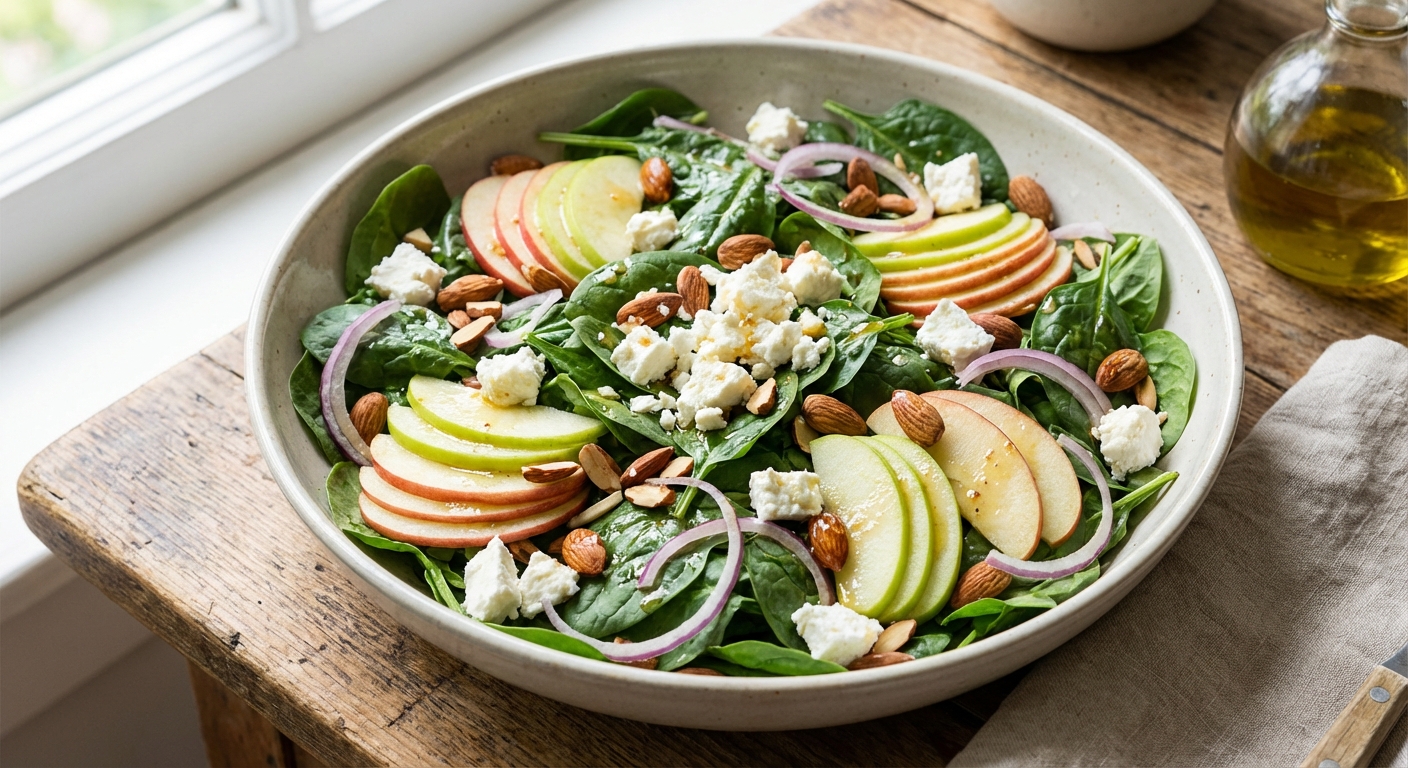
  • Make a “suspiciously impressive” salad with apples, walnuts, and a sharp vinaigrette.

Common Questions

FAQ

Is pork tenderloin the same as pork loin?

Nope. Pork tenderloin is a small, very tender cut (usually 1 to 1.25 pounds). Pork loin is larger, wider, and cooks longer. Do not swap 1:1 unless you want a very long evening.

What internal temperature should I cook pork tenderloin to?

For juicy pork, cook to an internal temperature of 145°F in the thickest part, then rest for at least 3 minutes (I like 5 to 10 minutes for easier slicing and better juice logistics). This is USDA-recommended for whole cuts and keeps it tender.

Why did my tenderloin turn out dry?

Most often: it overcooked. Tenderloin is lean and does not forgive. Use a thermometer and pull it at 145°F. Also, slice after resting so the juices stay put.

Can I use dried herbs instead of fresh?

Yes. Use about 1 teaspoon dried for every 1 tablespoon fresh. Dried thyme and rosemary work especially well here.

Can I prep this ahead?

You can mix the herb rub up to 3 days ahead and keep it in the fridge. You can also season the pork with salt and pepper and refrigerate it (covered) for up to 24 hours before cooking. If you do, let it sit at room temp for 20 minutes before searing so it cooks more evenly. You can also mix the garlic, herbs, lemon, and Dijon paste ahead, but brush it on after the sear so the garlic does not go bitter.

I started making this pork tenderloin on nights when I wanted “roast dinner vibes” but had the energy budget of a houseplant. The first time, I threw herbs at it like a confused garden gnome and hoped for the best. What came out was genuinely good, like pause-mid-bite good, and suddenly I was the person making pan sauce on a Tuesday.

Now it is my go-to when I need dinner to feel a little special without turning my kitchen into a cautionary tale. Also, the leftovers have a habit of becoming midnight sandwiches, which is both the problem and the solution.