Mom's Best Recipes
Recipe

Roasted Purple Kumara Wedges

Crispy-edged purple kumara with smoky spice and a bright lime yogurt dip.

Author By Matt Campbell
4.8
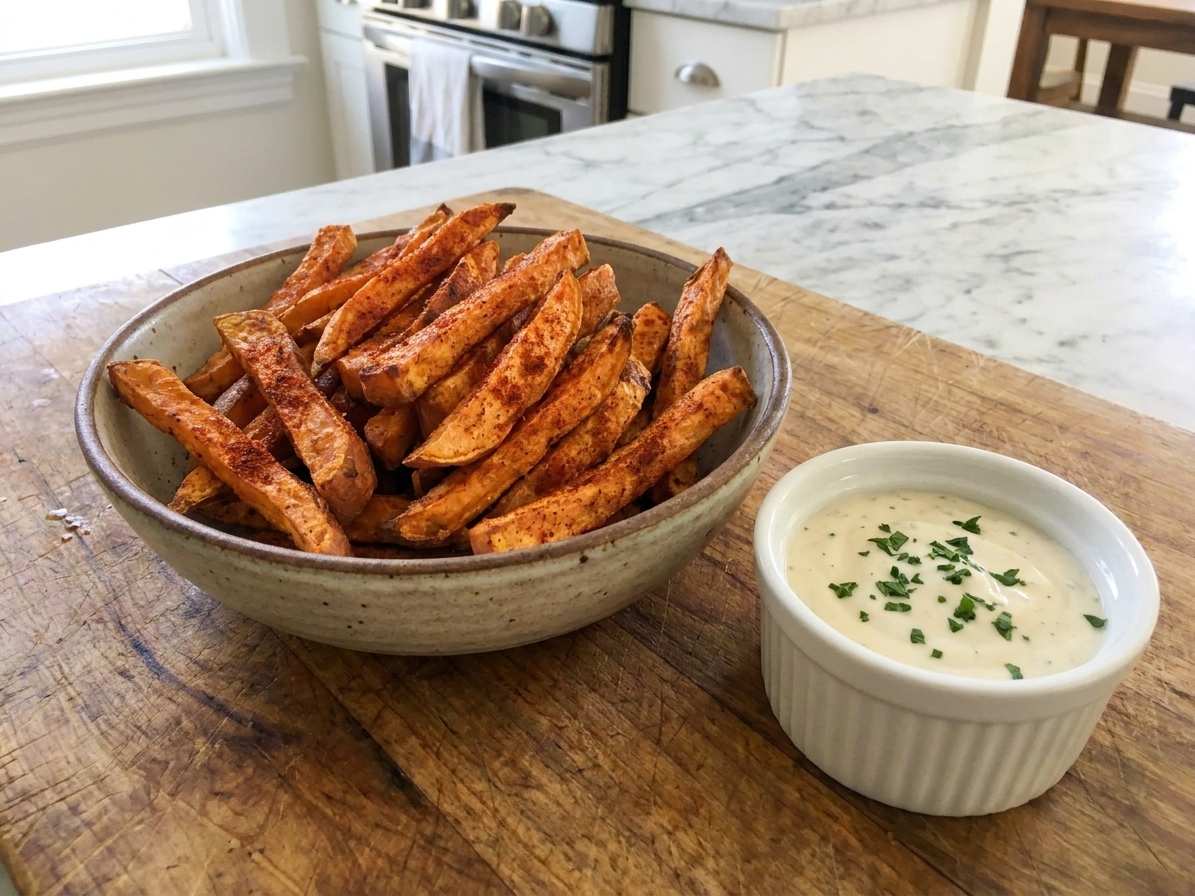
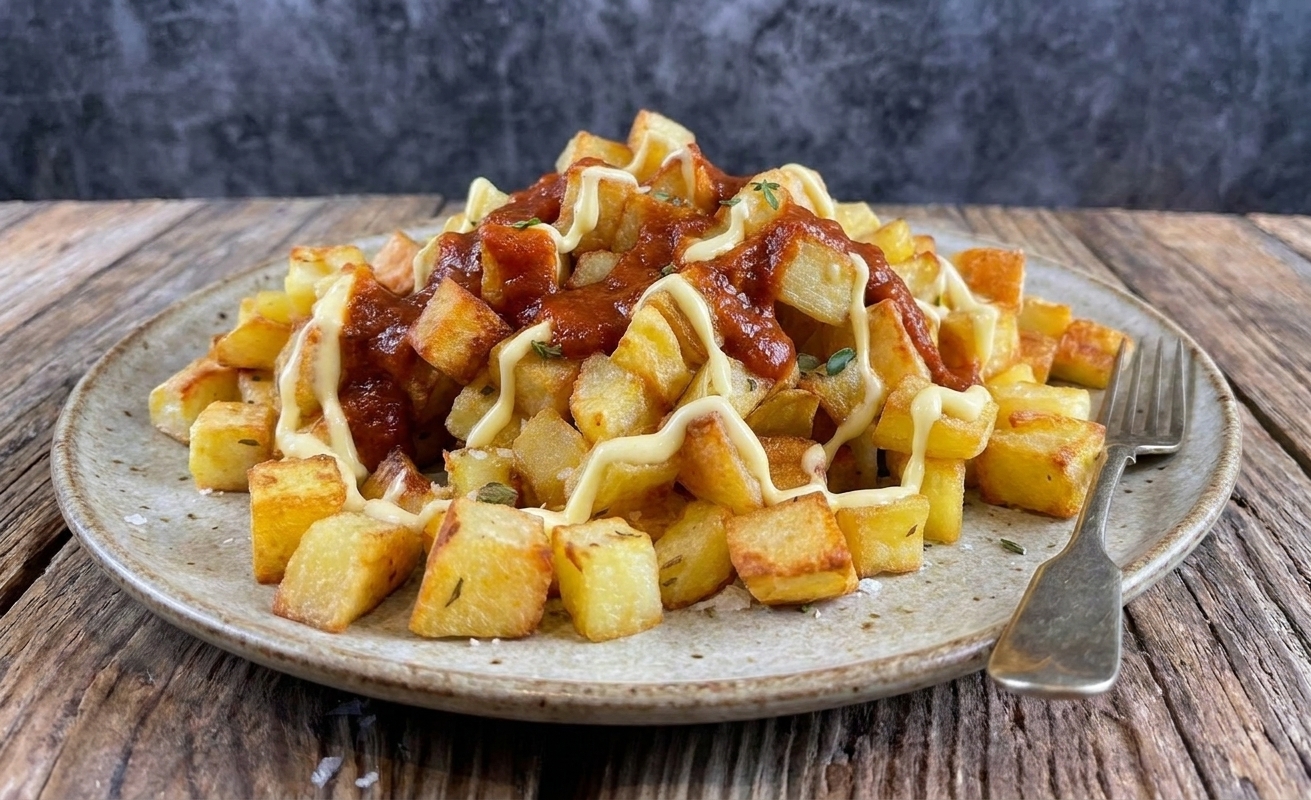
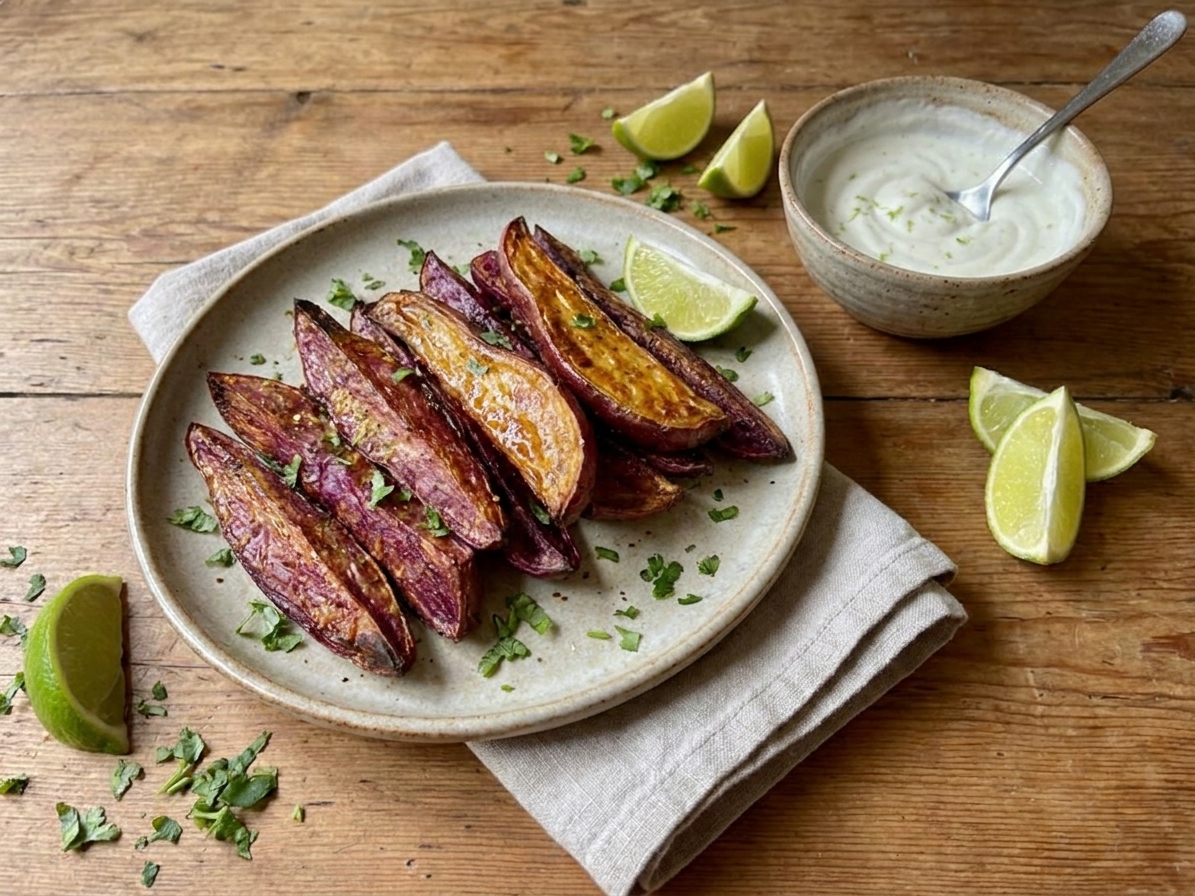
A platter of roasted purple kumara wedges with crisp browned edges, sprinkled with flaky salt, served with a small bowl of lime yogurt sauce on a warm kitchen table

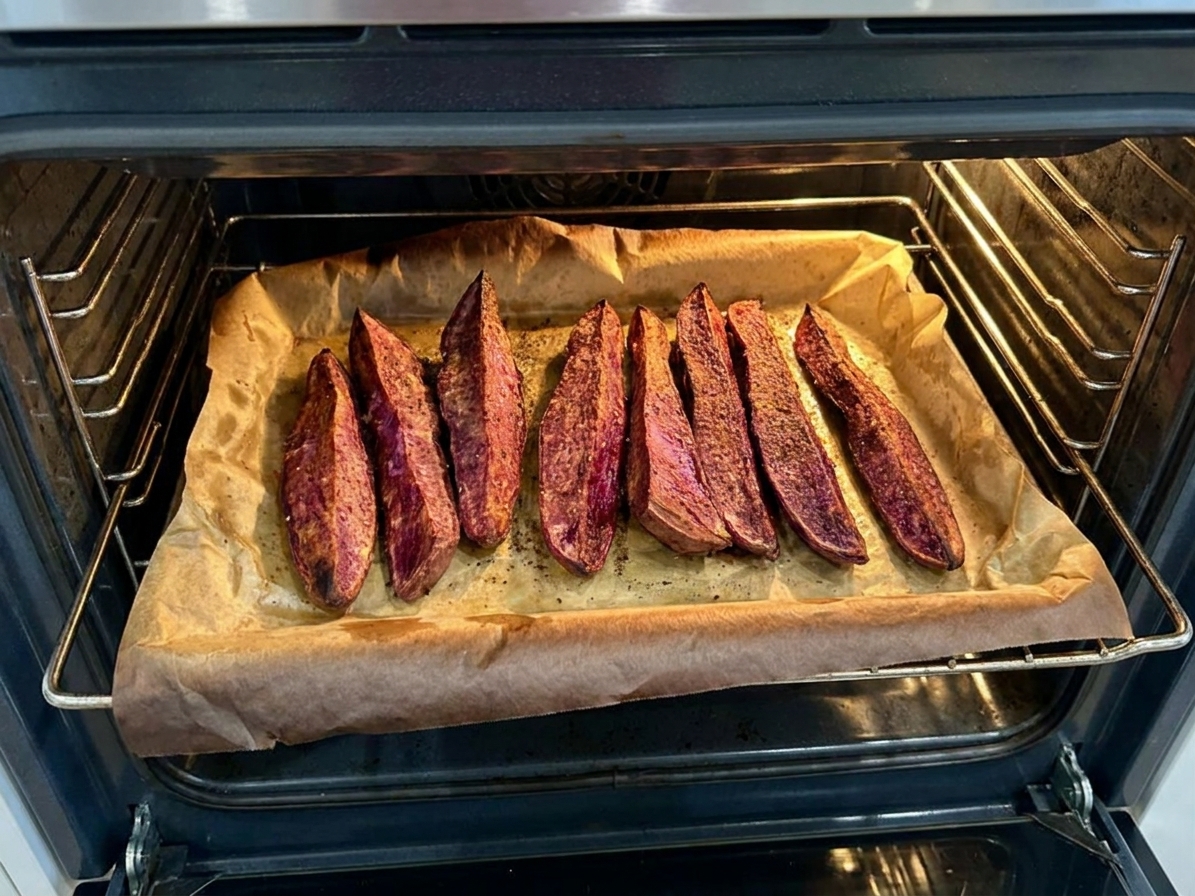
Purple kumara is one of those ingredients that makes a normal weeknight dinner feel like you did something special. It roasts up with crisp edges, a creamy center, and that deep violet color that looks fancy even if you were cooking in sweatpants.

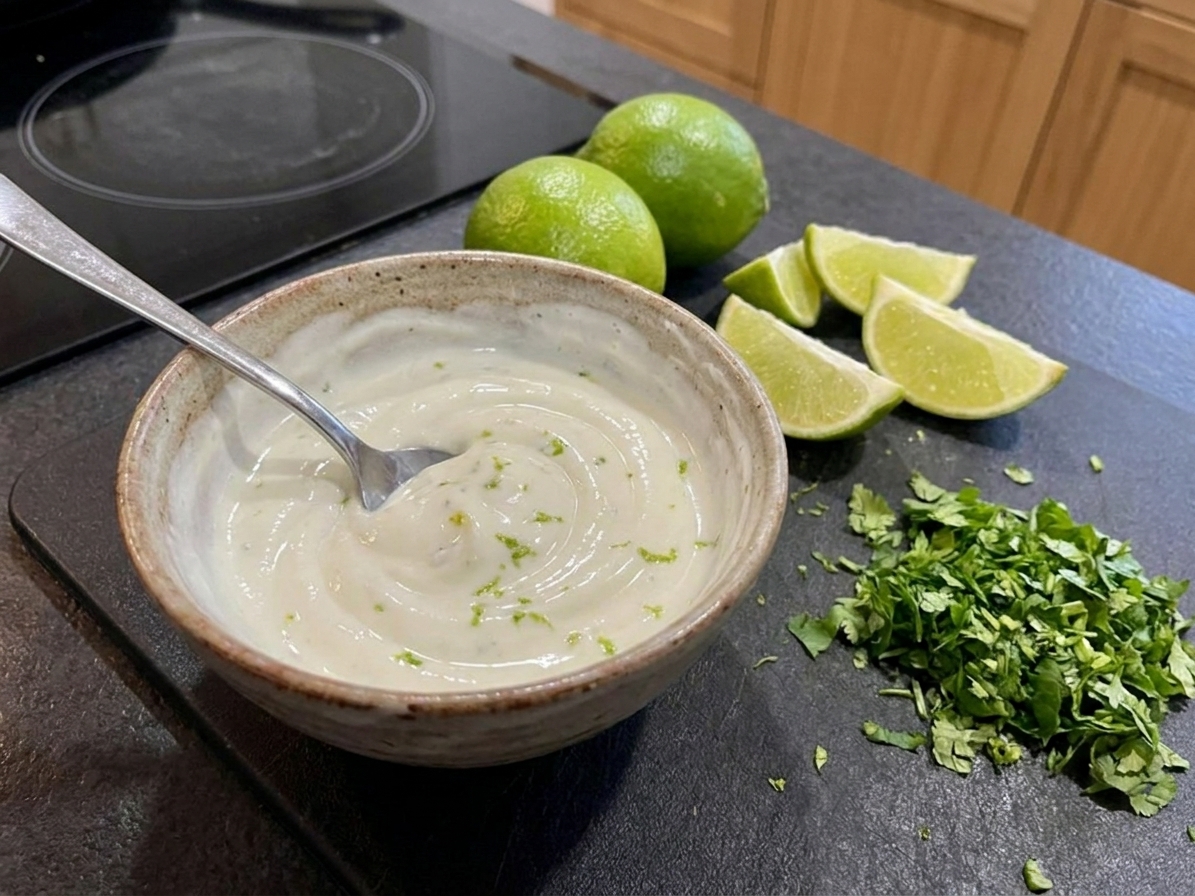
This recipe is my go-to: wedges (more surface area equals more crunch), high heat, and a quick lime yogurt sauce that brings the whole thing into bright, salty, tangy territory. It is a side dish, a snack, and if you add a fried egg on top, it is suddenly dinner.

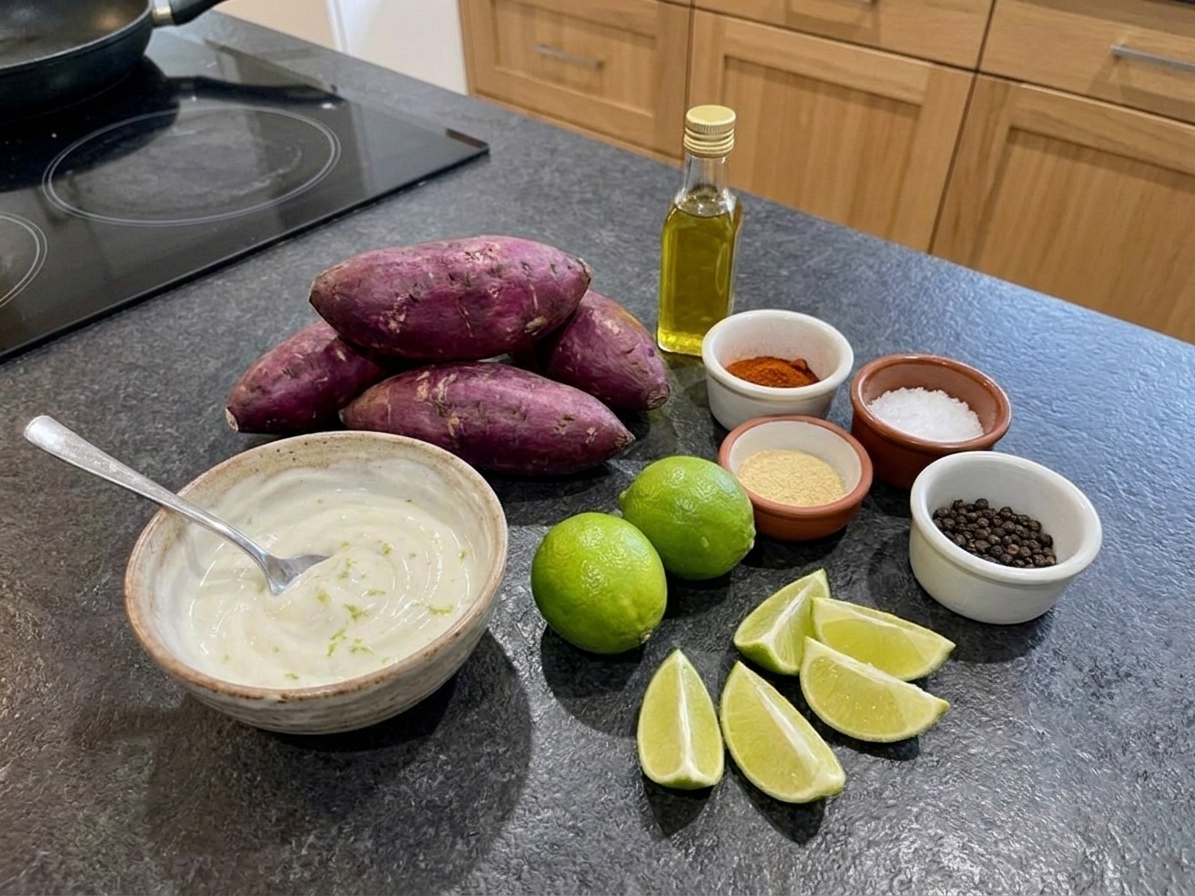
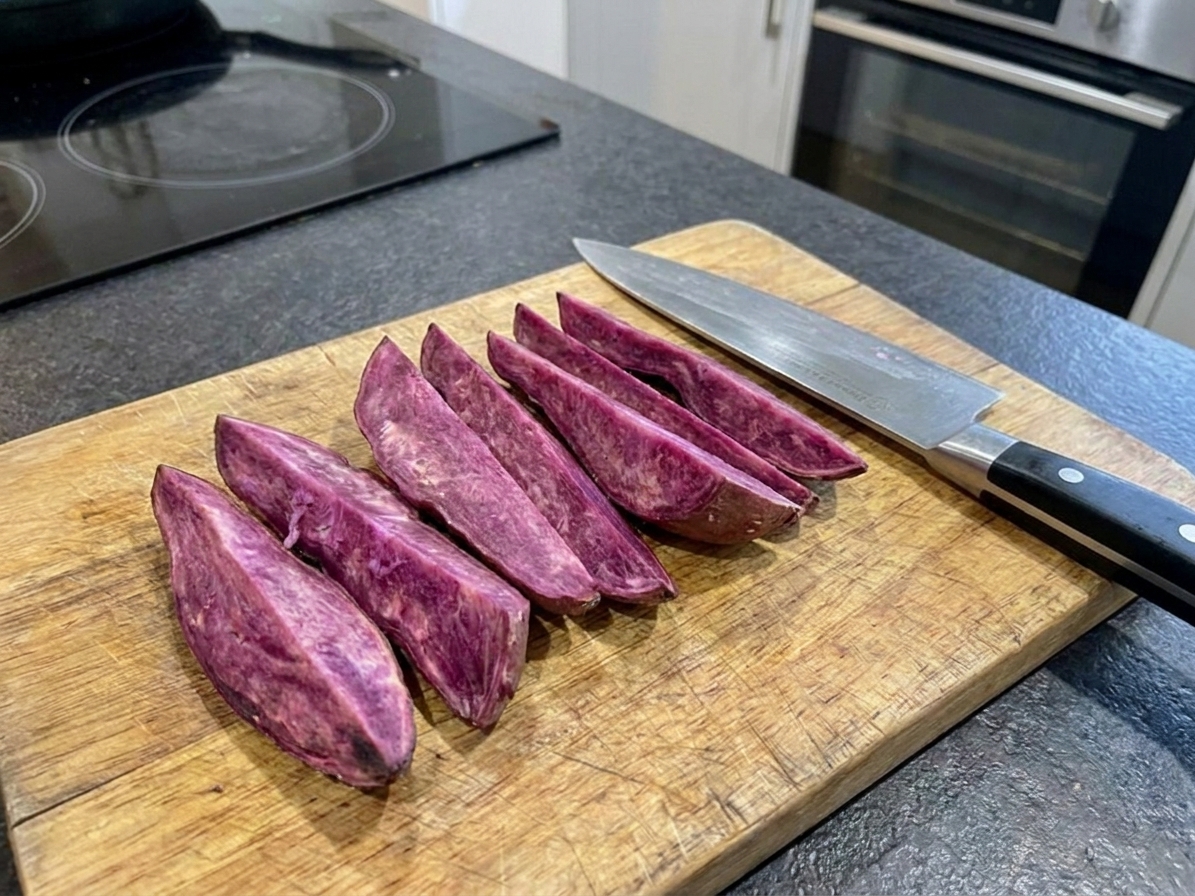
Whole purple kumara, olive oil, smoked paprika, garlic powder, salt, pepper, limes, and a bowl of Greek yogurt arranged on a bright kitchen counter

Why It Works

  • Crisp edges, creamy center: Wedges plus high heat means maximum caramelization without drying out the inside.
  • Bold flavor with pantry spices: Smoked paprika and garlic make it taste like you planned ahead.
  • A bright sauce that wakes it up: Lime yogurt cuts the sweetness and keeps each bite interesting.
  • Flexible: Works as a side for chicken, fish, burgers, or as a snack plate.

Pairs Well With

Storage Tips

Refrigerate: Store cooled kumara wedges in an airtight container for up to 4 days. Keep the lime yogurt sauce separate for best texture.

Reheat for crisp edges: Use a 425°F oven (or air fryer at 390°F) for 6 to 10 minutes until hot and re-crisped. Microwaving works, but you lose the crunch.

Freeze: You can freeze roasted wedges on a sheet pan, then transfer to a freezer bag for up to 2 months. Reheat straight from frozen in a hot oven until crisp and steaming.

Common Questions

What is purple kumara, exactly?

Purple kumara (often written kūmara) is a purple-fleshed sweet potato. The name is most strongly associated with New Zealand, and you will also see it used in parts of the Pacific. Depending on the variety, the flesh can range from lavender to deep purple.

Do I need to peel purple kumara?

Nope. If the skin is clean and unblemished, I usually leave it on. The skin helps the wedges hold together and adds a little extra chew and crisp. If the skin feels thick or you prefer a smoother bite, peel it.

Why are my wedges not crispy?

The big three culprits are crowding the pan, not enough heat, and too much moisture. Spread wedges in a single layer with space, roast at 425°F, and pat the cut wedges dry if they seem wet. Also, do not skip preheating the sheet pan if your oven runs cool.

Is purple kumara the same as ube?

No. Ube is a purple yam (Dioscorea alata) with a different flavor and texture, often used in desserts. Purple kumara is a sweet potato (Ipomoea batatas) and leans more savory-friendly, though it can absolutely do sweet. Labels vary by region, so if you are shopping, look for “purple-fleshed sweet potato” or “purple kumara.”

Can I make this dairy-free?

Yes. Swap the Greek yogurt for a thick dairy-free yogurt or a quick lime tahini sauce (tahini, lime juice, water, salt, garlic).

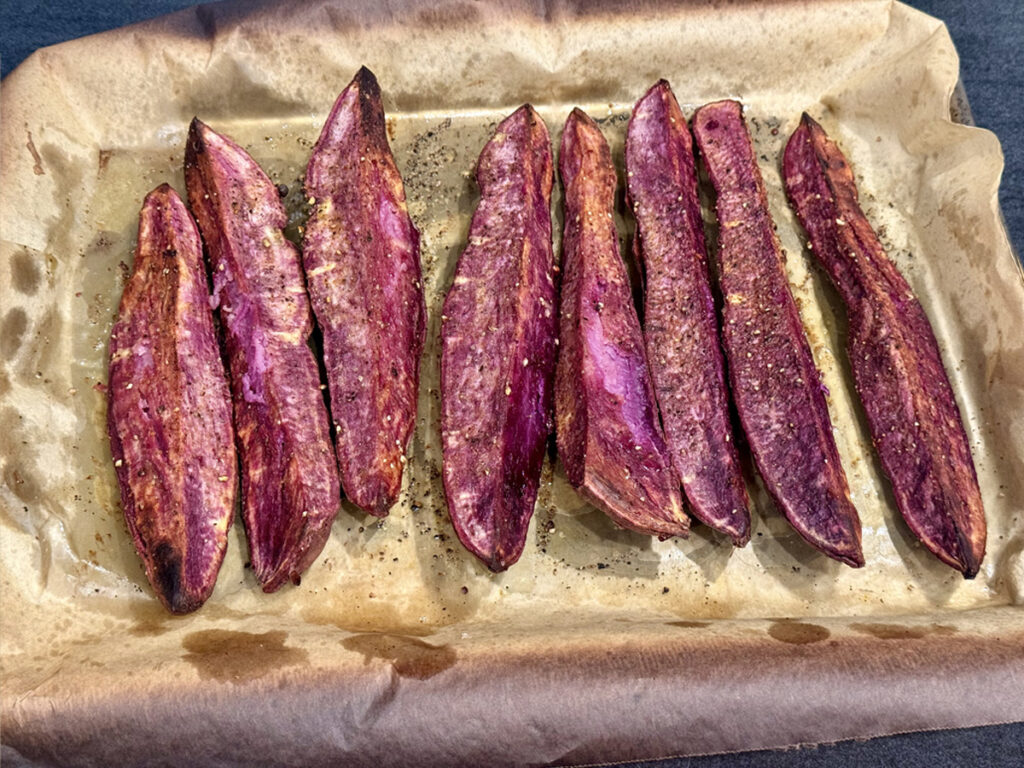
The first time I cooked purple kumara at home, I treated it like a regular sweet potato and expected the same results. It was good, but not great. Then I cut it into wedges, cranked the heat, and got those browned, crisp corners that make you keep “taste testing” off the tray. The lime yogurt happened because I needed something bright and I had a lime rolling around in the fridge. Now it is non-negotiable. If there is purple kumara, there is a sauce.