
Mom's Best Recipes
Recipe

Rustic Artisan Bread

A crackly, golden boule with a soft, chewy crumb and deep flavor, thanks to a slow rise and a ripping-hot Dutch oven. Big bakery vibes, zero fancy equipment required.

Author By Matt Campbell
4.8
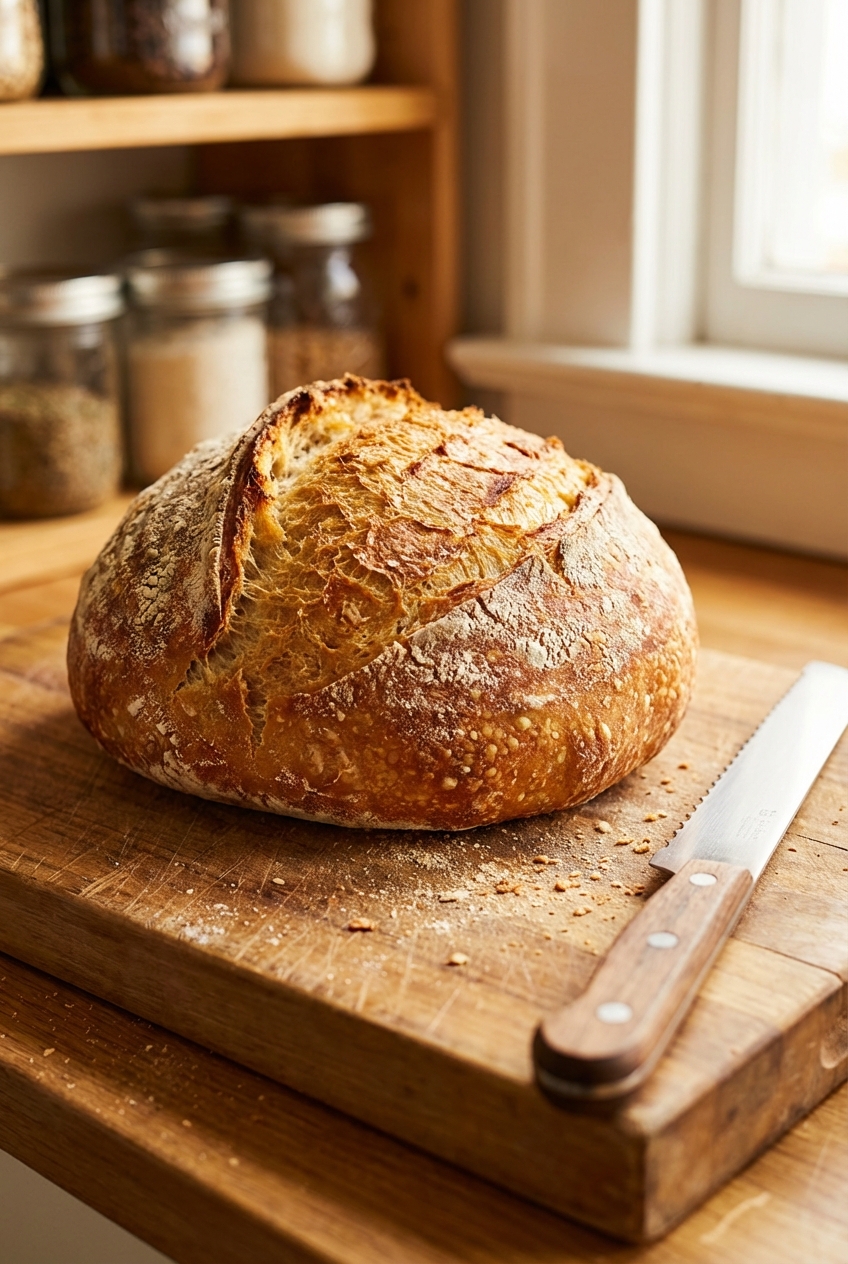
A golden rustic artisan bread boule on a wooden cutting board with a serrated knife and a few crumbs, warm kitchen light

There are two kinds of bread days: the ones where you measure everything like a lab tech, and the ones where you want ridiculously good bread with minimal drama. This is the second kind.

This rustic artisan loaf is my favorite way to get that indulgent bakery energy at home: a shatter-crisp crust, a tender chewy middle, and those glossy, irregular holes that make you feel like you definitely know what you are doing. The secret is not secret at all. We use a wet dough, a long rise, and a preheated Dutch oven that turns your oven into a tiny bread furnace.

If you can stir, wait, and heat a pot, you can pull this off. And if your loaf looks a little “rustic,” congrats. That is the point.
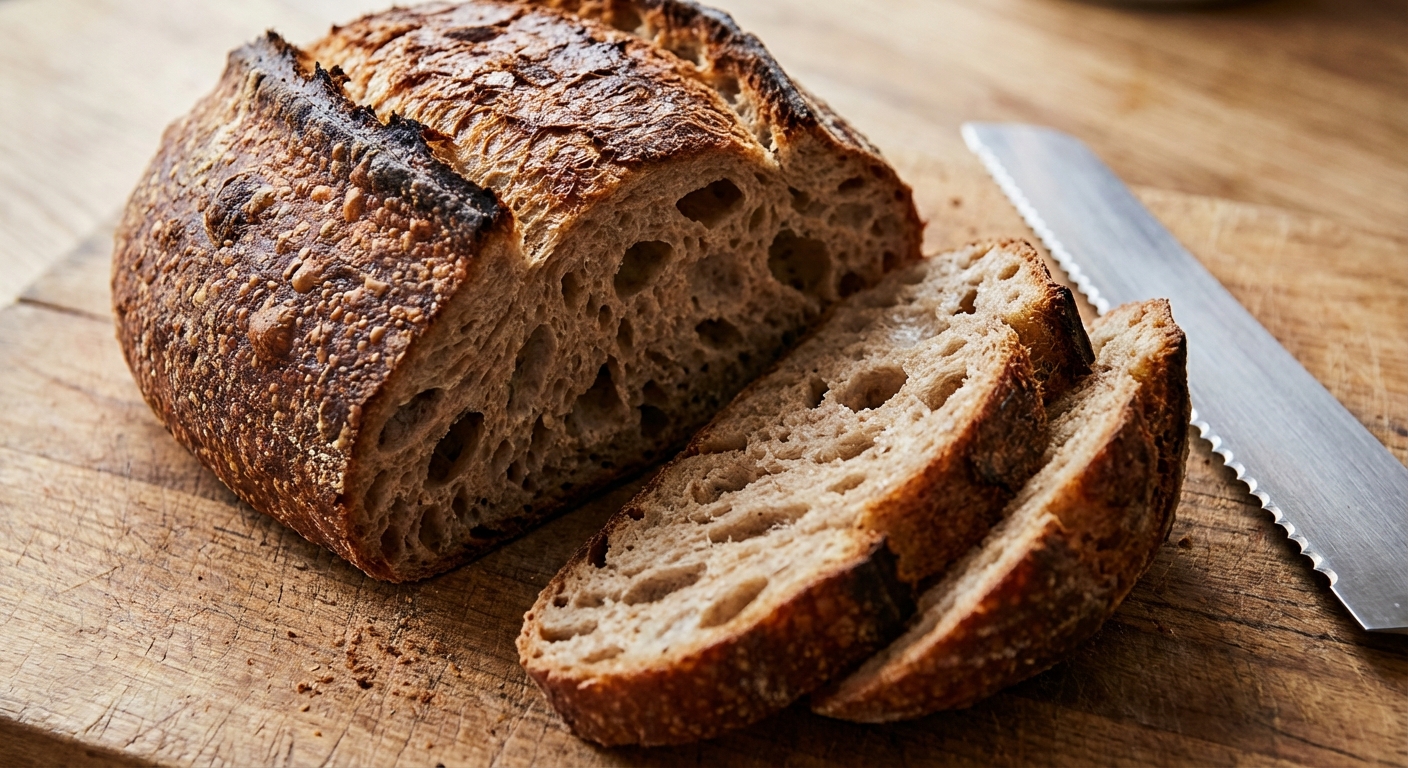
A close-up of a sliced artisan bread loaf showing an airy crumb and crisp crust on a cutting board

Why It Works

  • Crackly, caramelized crust: Baking in a screaming-hot Dutch oven traps steam, which keeps the surface flexible early on so the loaf can spring, then crisps up into that deep golden shell.
  • Big flavor without a starter: A long, slow fermentation gives the yeast time to develop complexity, like a shortcut to sourdough vibes without the commitment.
  • Chewy, tender crumb: Higher hydration dough bakes up with an open, glossy interior that stays soft for days.
  • Low effort, high reward: No kneading required. Just folds. The dough does the heavy lifting while you live your life.

Pairs Well With

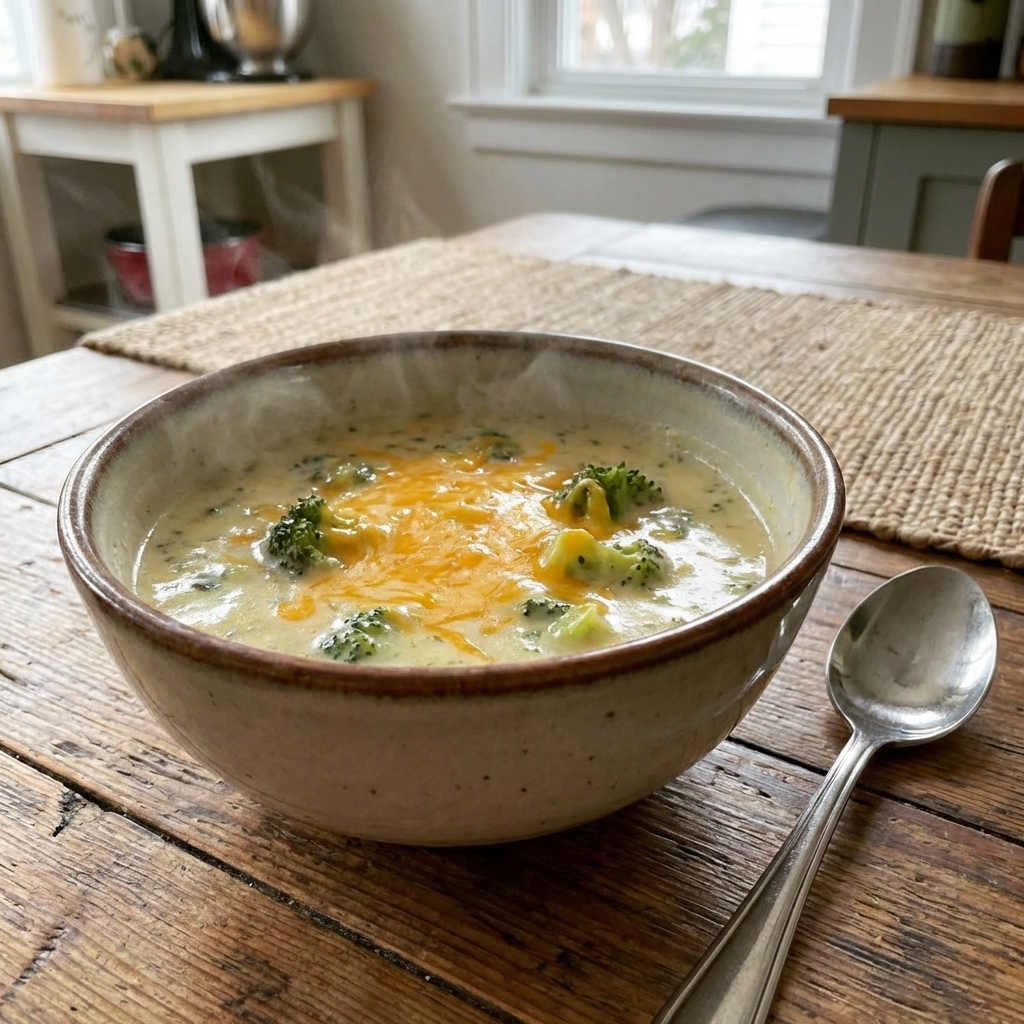
  • A bowl of tomato soup with basil and a swirl of cream on a wooden table

    Classic creamy tomato soup

  • A board with soft butter, flaky salt, and a small dish of honey beside sliced bread

    Salted butter and warm honey

  • A plate of olive oil and balsamic vinegar with cracked pepper, ready for dipping

    Olive oil, balsamic, and black pepper dip

  • A skillet of garlicky white beans with herbs and olive oil

    Garlicky white beans and herbs

Storage Tips

Keep It Crisp

Fresh bread is a short-lived miracle, but you can stretch the magic with a few smart moves.

  • Day 1 to 2: Store the loaf cut-side down on a cutting board or tuck it into a paper bag. Avoid airtight plastic at room temp unless you like a soft crust.
  • Day 3 and beyond: Slice the loaf, then freeze in a zip-top bag. Grab slices as needed and toast straight from frozen.
  • To re-crisp the crust: Mist the outside lightly with water, then bake at 375°F for 8 to 12 minutes. Let it cool 10 minutes before slicing.
  • What to do with “stale” bread: Cube it for croutons, blitz for breadcrumbs, or tear into chunks for panzanella. Stale bread is just bread with a plan.

Common Questions

Common Questions

Do I have to use a Dutch oven?

It is the easiest way to get pro-level crust, but you have options. You can bake on a preheated sheet pan or pizza stone and place a sturdy metal pan on the lower rack to create steam. Right after the bread goes in, carefully pour in about 1 cup hot water. Watch for the steam burst, and avoid using glass for this. The crust will be slightly less dramatic, still delicious.

Why is my dough so sticky?

That is correct behavior. This dough is meant to be tacky, then it smooths out as it rests. Use wet hands for folds and a bench scraper for shaping if you have one.

Can I make it with whole wheat flour?

Yes. Start with swapping in 20 to 30% whole wheat flour. Whole wheat absorbs more water, so if the dough feels tight or dry during mixing, add 1 to 2 tablespoons water.

How do I know it is fully baked?

The loaf should be deeply browned and sound hollow when tapped. For the most reliable check, use a thermometer. Aim for 205°F to 210°F in the center.

Why did my bread split weirdly on the side?

Usually it needed a deeper score, more steam, or it was slightly under-proofed. Next time, score with a confident slash (about 1/4 inch, a bit deeper for very wet dough) and make sure your Dutch oven is fully preheated.

Can I use active dry yeast?

Yep. You can usually mix it in directly like instant yeast. If you want extra insurance, dissolve it in the warm water for 5 minutes before mixing.

I went to school thinking I needed the whole culinary degree setup to make great food, but bread taught me the opposite. The first time I pulled a real crackly loaf out of my home oven, it felt like I’d unlocked a cheat code: flour, water, salt, time. That’s it. Now this is the loaf I make when I want the house to smell like comfort and confidence at the same time. Also, it is the best excuse to keep salted butter on the counter like a very responsible adult.