Mom's Best Recipes
Recipe

Rustic Cabbage

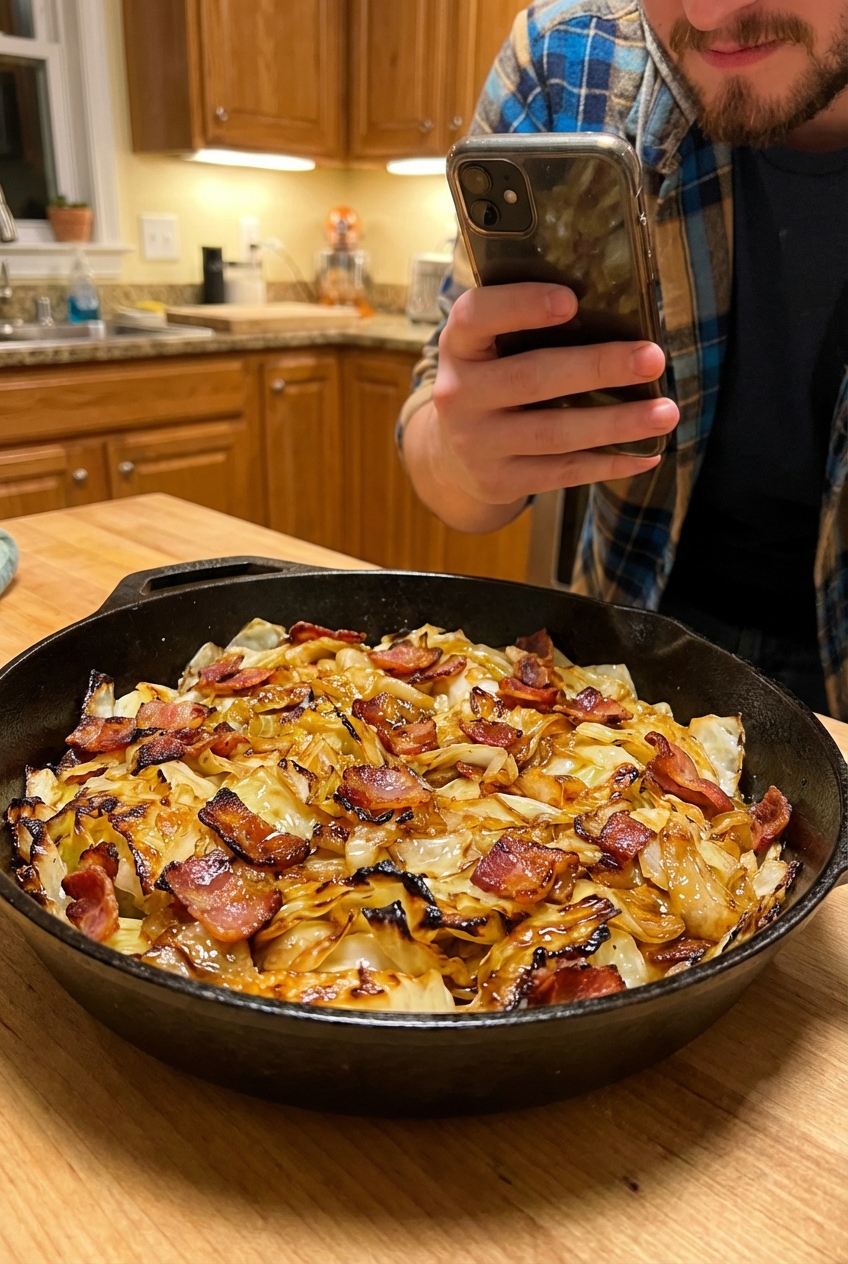
Silky, caramelized cabbage with crispy edges, smoky bacon, and a splash of vinegar for brightness. Cozy enough for Sunday dinner, easy enough for Tuesday.

Author By Matt Campbell
4.8
A cast iron skillet filled with caramelized cabbage and bacon, golden brown at the edges with a glossy finish

If cabbage has ever felt like the sad side dish you eat out of politeness, this is your redemption arc. We are taking humble green cabbage and treating it like it deserves a little luxury: browned butter vibes, smoky bacon, slow caramelization, and one punchy finish that makes everything taste alive.

This is rustic cooking at its best. Nothing fussy, nothing hard to find. Just a big skillet, a little patience, and a few smart moves that turn a cheap vegetable into something you keep “taste testing” straight from the pan.
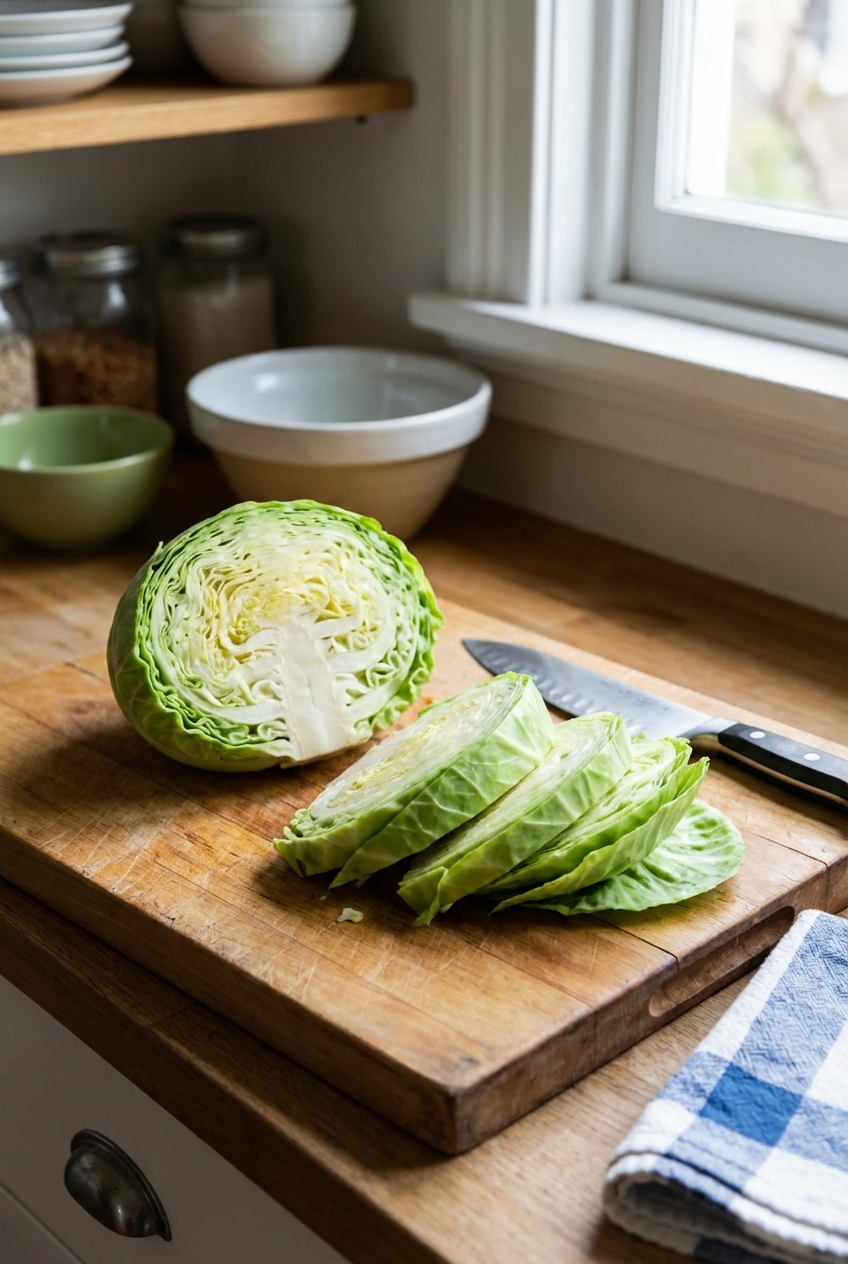
A cutting board with a halved green cabbage, thick wedges cut and ready to cook

Why It Works

  • Deep flavor with minimal ingredients: Caramelizing cabbage concentrates its natural sweetness, while bacon and onions bring savory depth.
  • Texture you actually want: You get soft, jammy strands plus crisp, browned edges. That contrast is the whole point.
  • Brightness at the end: A little vinegar cuts the richness so it tastes indulgent, not heavy.
  • Flexible: Use sausage instead of bacon, add apples for sweetness, or keep it vegetarian with mushrooms and smoked paprika.

Pairs Well With

Storage Tips

How to Store Leftovers

Refrigerate: Cool completely, then store in an airtight container for up to 4 days.

Reheat (best method): Warm in a skillet over medium heat with a splash of water or broth. Let it sit undisturbed for a minute or two so it re-crisps in spots.

Microwave: Totally fine for speed. Cover loosely and heat in 30-second bursts, stirring once.

Freeze: You can freeze it up to 2 months, but the cabbage will soften more. Still great for tossing into soups, fried rice, or a quick egg scramble.

Common Questions

FAQ

What kind of cabbage should I use?

Green cabbage is the classic here because it caramelizes beautifully and stays a little meaty. Savoy works too and gets extra silky. Red cabbage is delicious but will turn the whole pan purple and tastes a bit more peppery.

How do I keep cabbage from getting watery?

Use a wide pan, keep the heat at medium to medium-high during the browning stages, and do not salt heavily at the beginning. Salt draws out water. We salt in layers, but the bigger seasoning happens after the cabbage starts taking on color.

Can I make this without bacon?

Yes. Swap bacon for 2 tablespoons olive oil plus 2 tablespoons butter. For smoky depth, add 1 teaspoon smoked paprika and 1 tablespoon soy sauce or Worcestershire (check labels for vegetarian versions).

How do I know when it is caramelized enough?

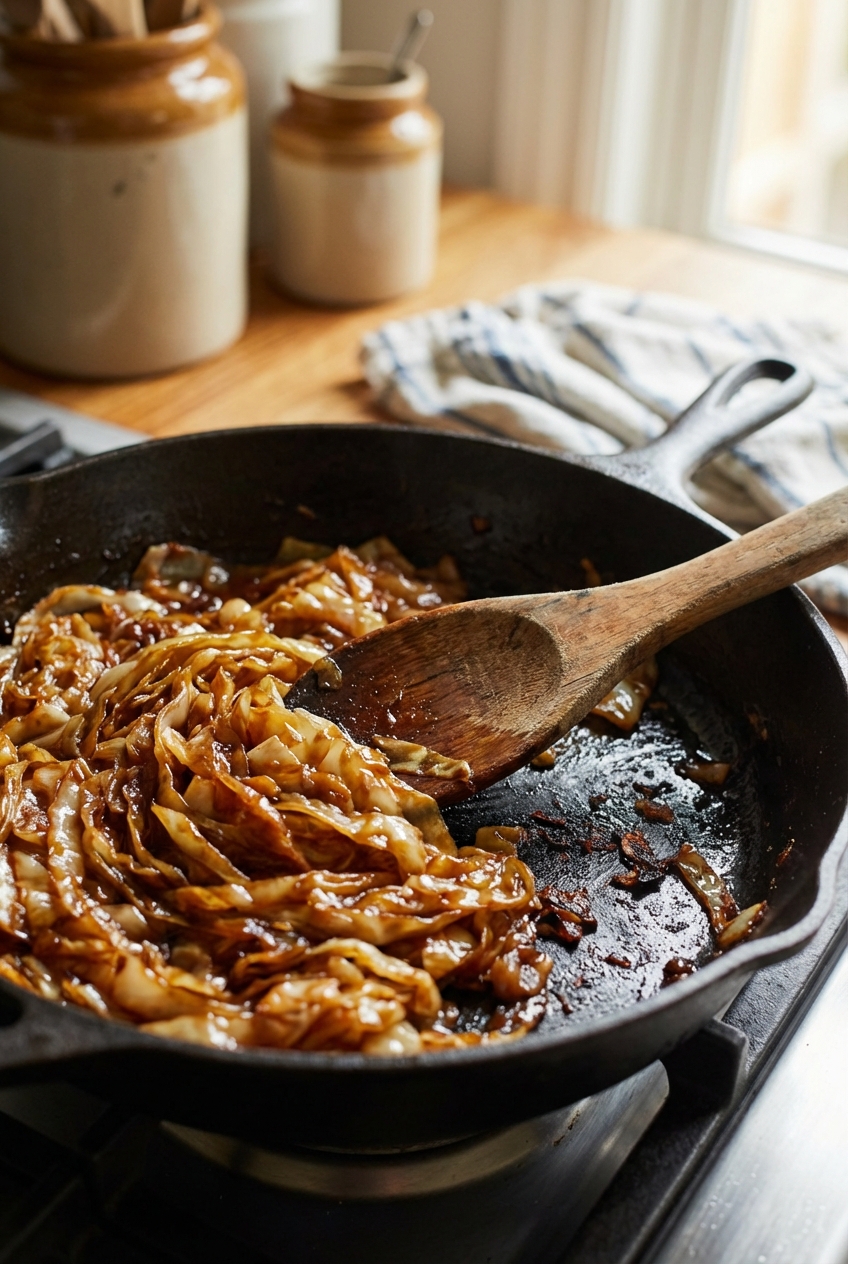
Look for golden brown edges and a noticeably smaller volume in the pan. The cabbage should be tender, glossy, and sweet-smelling, not sharp and raw.

Is this the same as fried cabbage?

Same family, different vibe. This version leans more “slow sauté and caramelize,” with a rich finish and a bright splash to balance it.

I started making cabbage like this when I was in my “learn practical skills” era, which is a polite way of saying I was hungry and had twelve dollars to last the week. Cabbage was cheap, forgiving, and somehow always there at the store looking a little too proud of itself.

The first time I let it really brown, not just steam, it clicked. Cabbage can taste like comfort food, not compromise. Now I make it whenever I want something cozy without committing to a whole production. Also, it makes the kitchen smell like someone knows what they are doing, which is a fun illusion to maintain.