Do I need a pizza stone or steel?
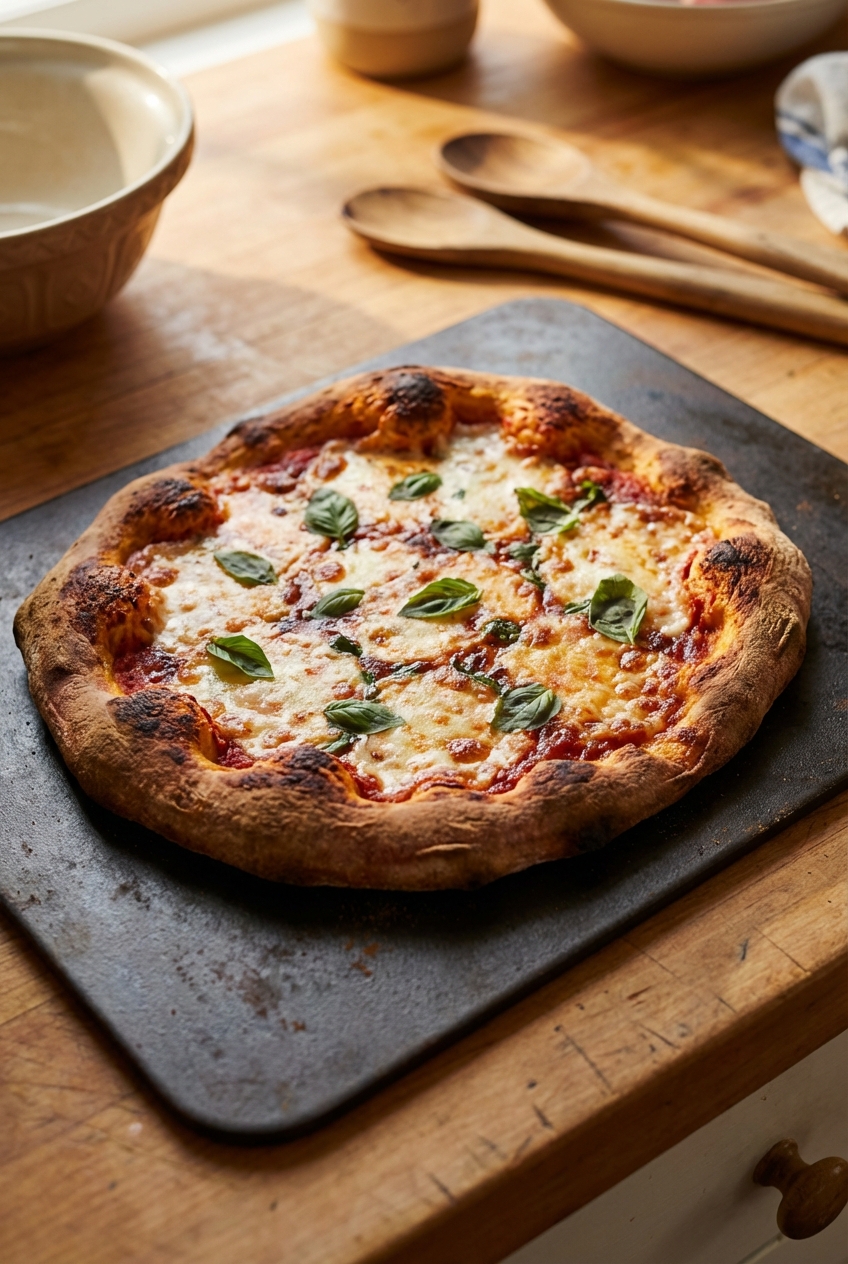
No, but it helps. A preheated sheet pan or cast iron skillet still gives you a solid crisp. If you own a stone or steel, use it and enjoy your moment.
Why psyllium husk?
Psyllium acts like the glue and stretch that gluten usually provides. It keeps the crust from crumbling and makes it easier to slice and pick up. Use whole husk if you can. If you only have powder, use less. It is much more potent.
Whole husk vs powder: what is the swap?
Use 1 tablespoon whole psyllium husk or about 1 teaspoon psyllium husk powder. If your dough turns into a stiff putty after resting, you likely used powder at the full amount. Add warm water 1 teaspoon at a time until it is tacky and pressable.
Can I make this dairy free and egg free?
The crust is naturally egg free and dairy free. Just choose dairy free cheese or toppings if needed.
My dough feels sticky. Did I mess up?
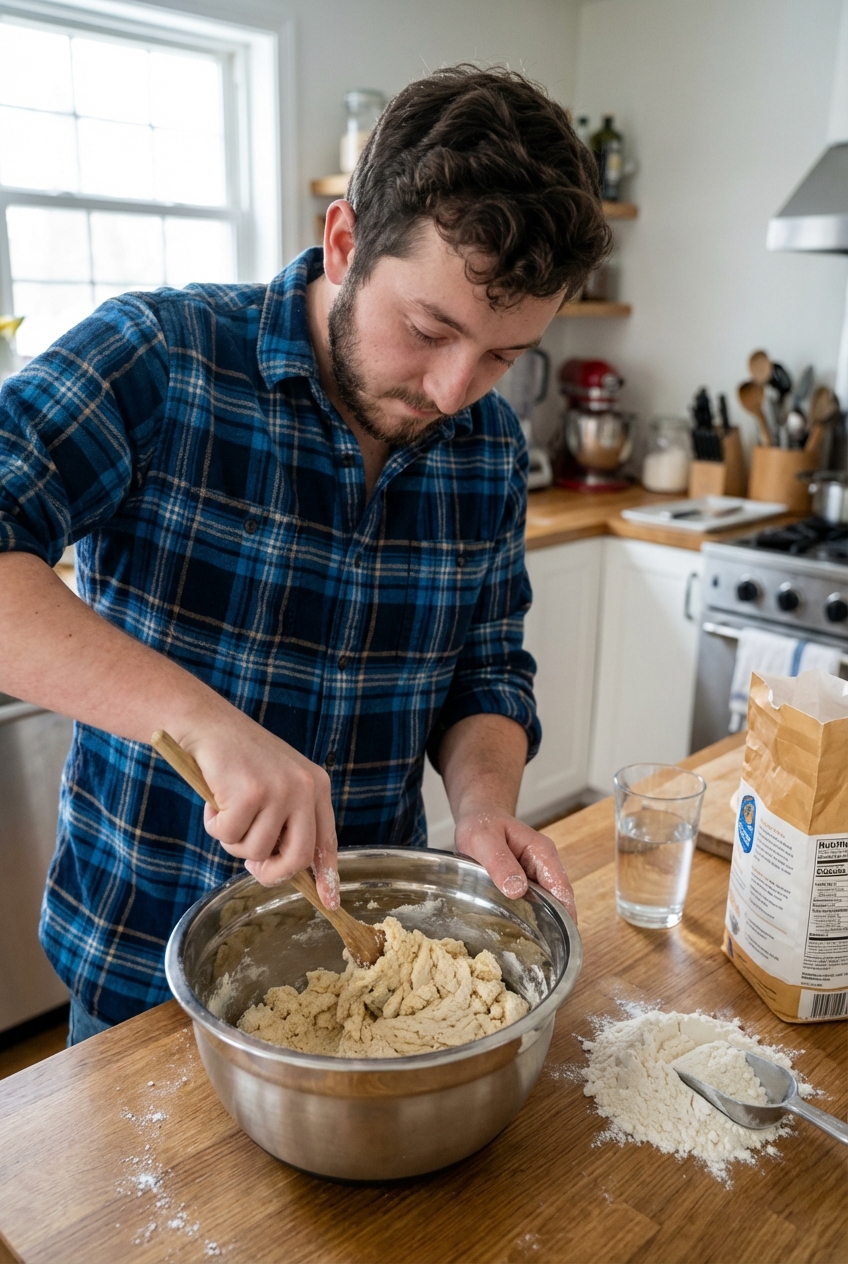
Probably not. Gluten free dough is more like a thick, sticky batter-dough hybrid. After the rest it should feel tacky but cohesive and hold together when pressed. Wet your hands, press it out, and trust the rest time. If it is truly loose and pourable, add 1 to 2 tablespoons more flour and wait 5 minutes.
How do I get crisp edges?
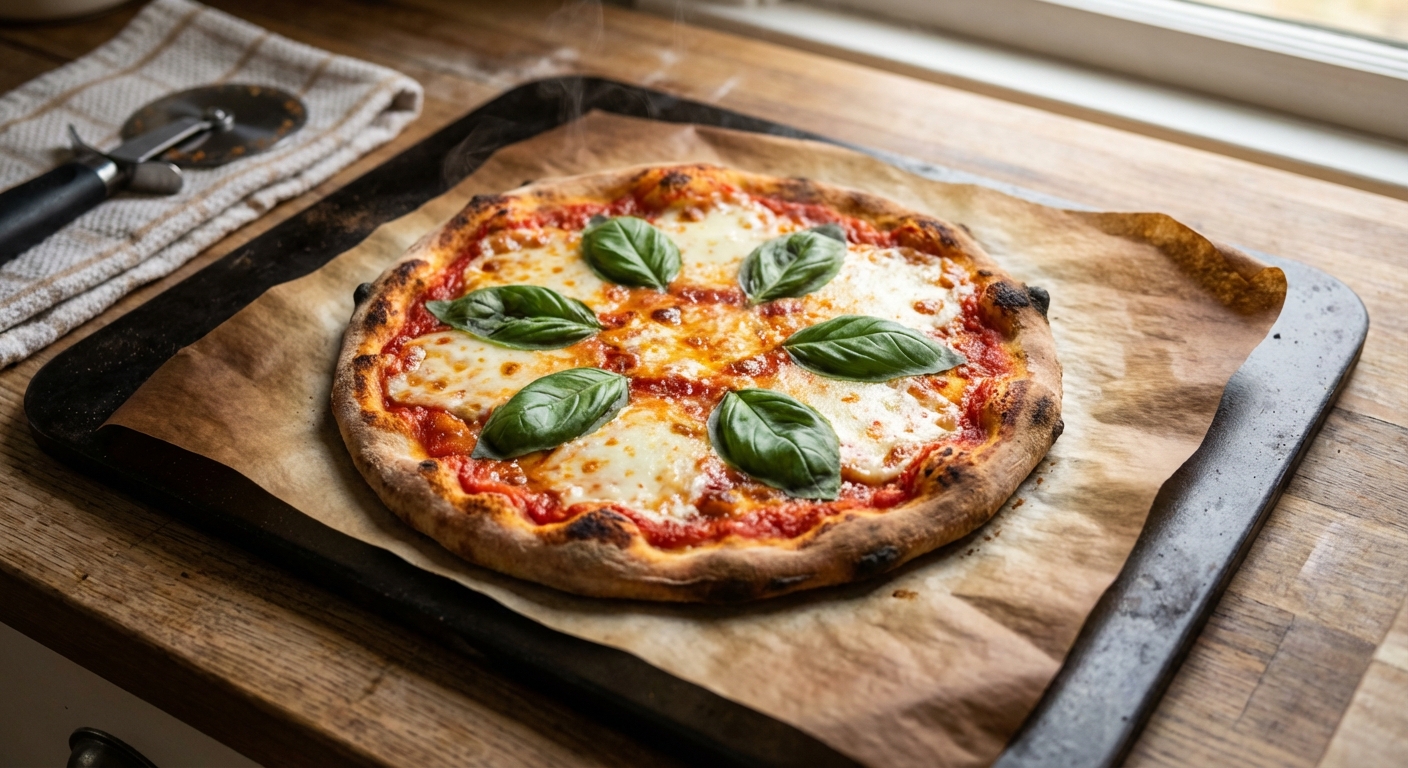
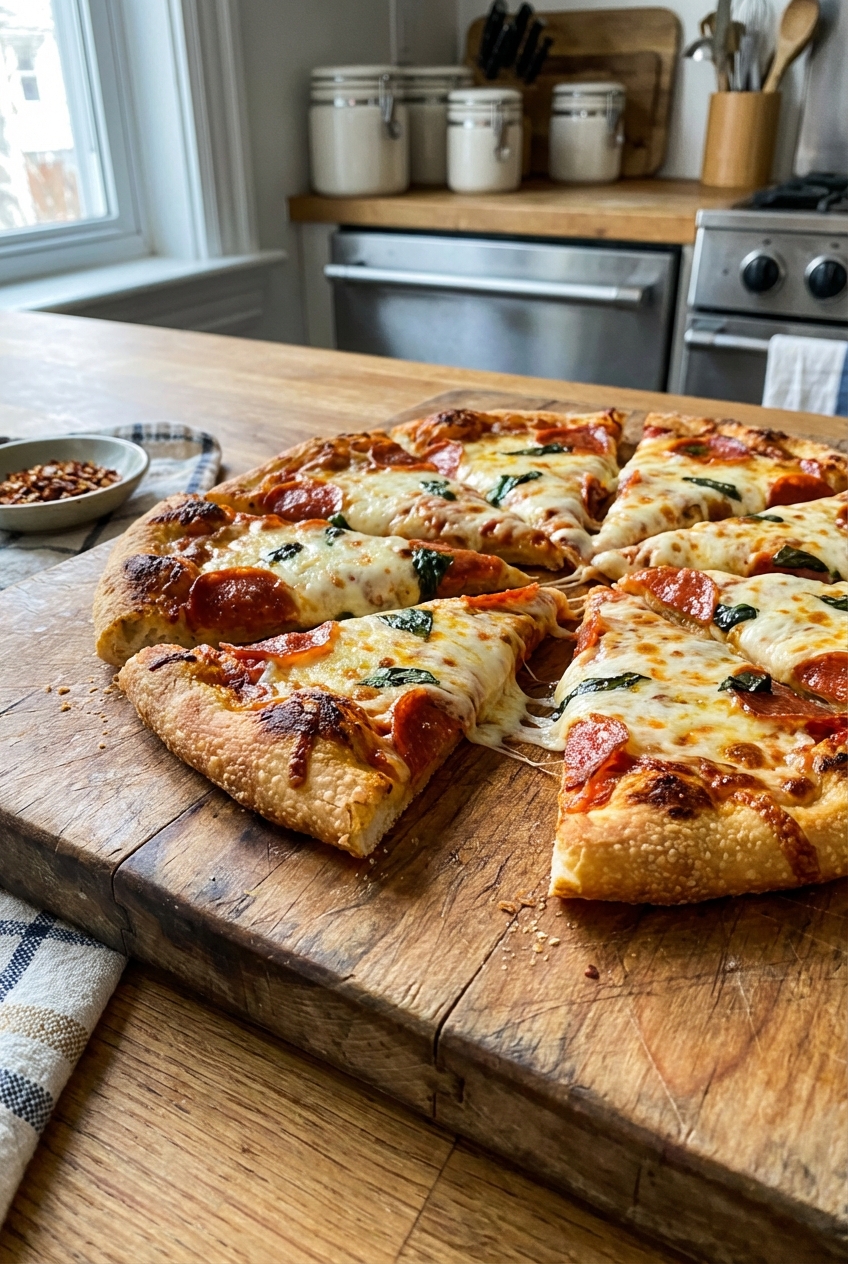
Use a hot pan, a thin layer of oil, and do a par-bake before toppings. Also, go lighter on sauce near the rim.
What gluten free flour blend works best?
Use a gluten free all-purpose blend meant for 1:1 baking (often rice-based and already containing starches). Absorption varies by brand, so aim for the texture notes in the recipe. If your blend is very starchy, you may need a splash more water. If it is very whole-grain-heavy, it may need an extra minute or two to hydrate.
Is the 15-minute rest a full rise?
Nope. This is mainly a hydration rest so the psyllium and flours can do their thing. Expect a little puff, not a dramatic wheat-dough rise.