Mom's Best Recipes
Recipe

Rustic Quiche Lorraine

A decadent, golden quiche with crisp bacon, silky custard, and a buttery crust that actually stays flaky.

Author By Matt Campbell
4.8
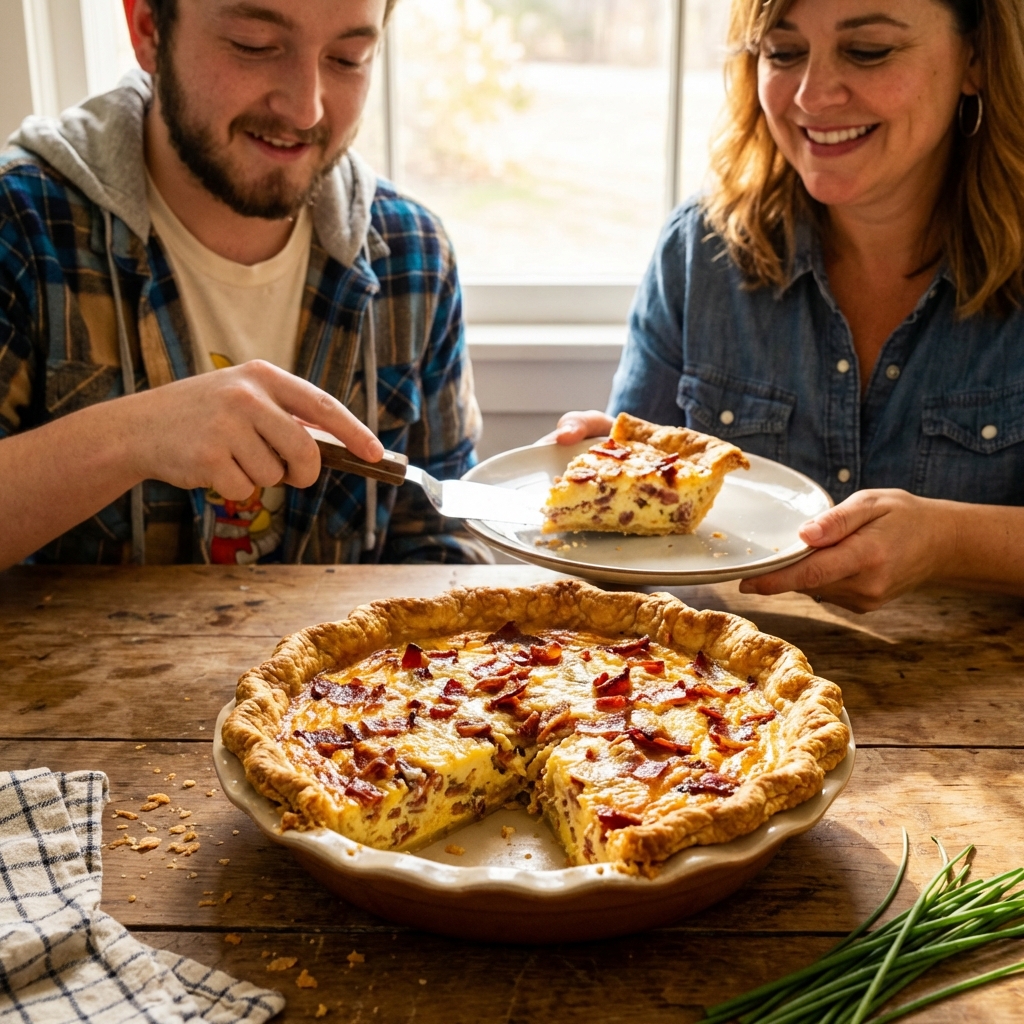
A rustic Quiche Lorraine in a ceramic pie dish with a golden, craggy crust and crisp bacon on top, sliced on a wooden table in warm natural light

Quiche Lorraine is one of those dishes that feels like you put on a linen apron and suddenly know what you are doing. In reality, it is just a few humble ingredients, treated with a little respect: crisp bacon, a creamy custard, and a crust that goes shatter-flaky at the edges.

This version is intentionally rustic. We are not chasing perfection or bakery symmetry. We are chasing deeply savory, buttery, and rich, with enough structure to slice cleanly and enough tenderness to make you sneak a second piece “for later.”
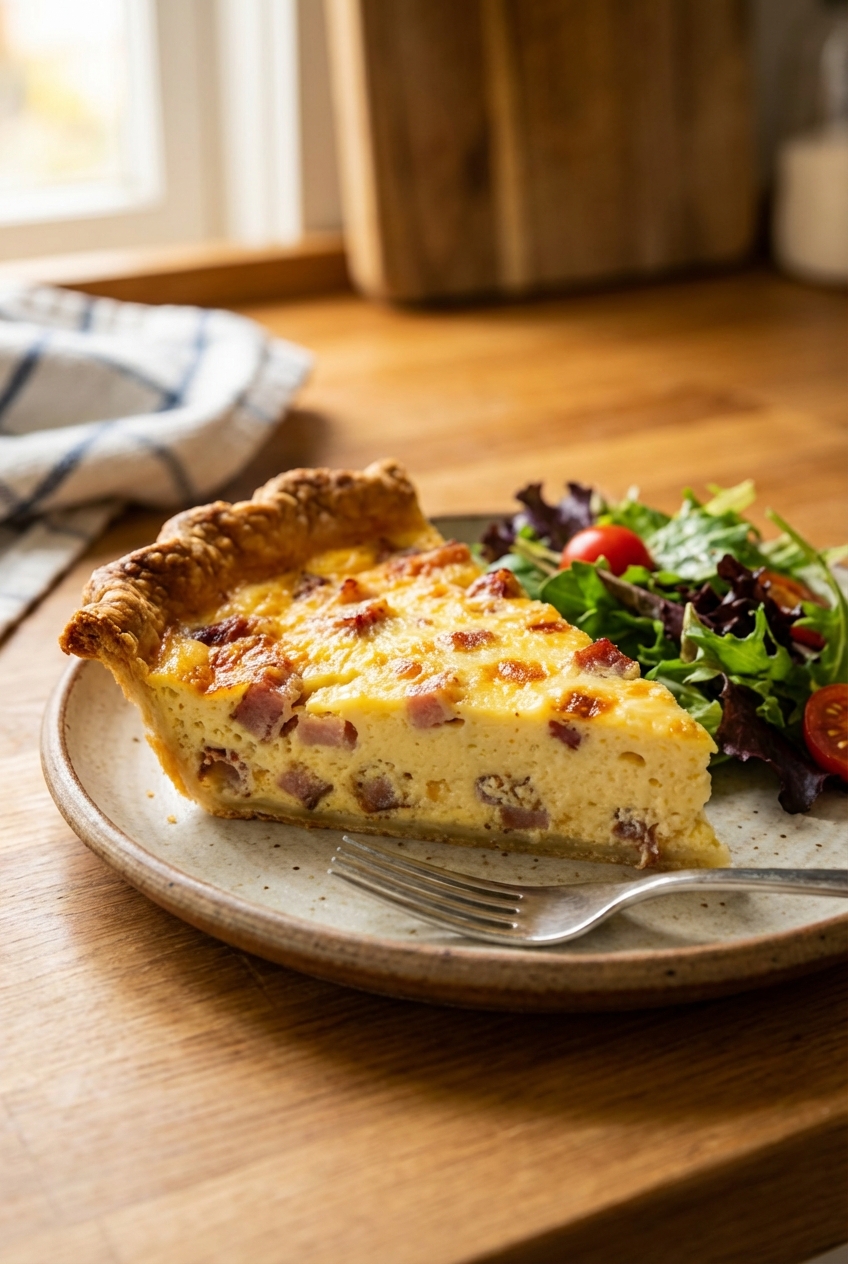
A single slice of Quiche Lorraine on a plate showing creamy custard with bacon pieces and a flaky crust edge

Why It Works

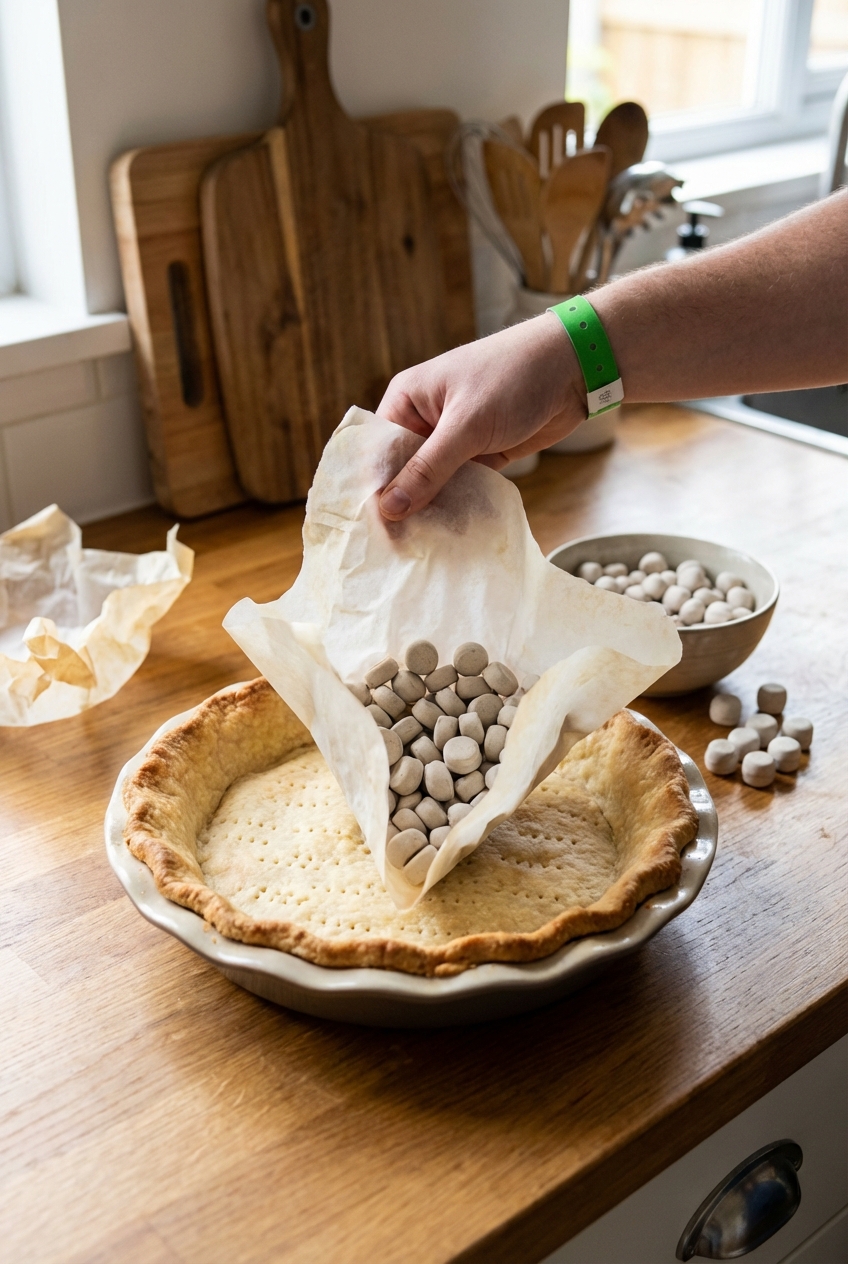
  • Crisp crust, not soggy. Blind baking plus a quick egg white seal keeps the bottom flaky.
  • Custard that sets silky. This recipe’s 4 eggs to 2 cups dairy ratio gives you creamy slices, not scrambled eggs.
  • Big flavor with simple ingredients. Bacon drippings, a touch of nutmeg, and a good cheese do the heavy lifting.
  • Rustic and forgiving. No stress if your crust looks a little “handmade.” That is the charm.

Pairs Well With

Storage Tips

How to Store Leftover Quiche

  • Refrigerate: Cool completely, then cover and refrigerate up to 4 days.
  • Freeze: Wrap individual slices in plastic wrap, then foil. Freeze up to 2 months. Thaw overnight in the fridge for best texture.
  • Reheat (best method): Warm in a 325°F oven until heated through, about 12 to 18 minutes for slices. This keeps the crust crisp.
  • Microwave (quick method): Works in a pinch, but the crust will soften. If you do it, finish the slice in a toaster oven or skillet to bring back some crisp.

Common Questions

Common Questions

What makes Quiche Lorraine “Lorraine”?

At its core, it is a savory tart from the Lorraine region of France, built around bacon and a rich egg custard. Traditionally, it is often cited as originally without cheese (and sometimes without onion). This recipe is a modern, very common version with Gruyère and onion because it is wildly delicious and deeply savory.

Why did my quiche puff up, then sink?

Totally normal. Eggs expand as they cook and relax as they cool. A gentle bake and letting it rest before slicing helps it set neatly.

How do I know when the quiche is done?

The edges should be set and the center should have a slight jiggle, like Jell-O, not like a wave. If you insert a knife about 1 inch from the center, it should come out mostly clean. If you want a very clear “yes,” aim for about 165°F in the center on an instant-read thermometer.

Can I use milk instead of heavy cream?

You can, but it will be less indulgent and slightly more prone to weeping. If you want a lighter option that still behaves well, use half-and-half or do 1 cup half-and-half + 1 cup whole milk.

Do I have to blind bake the crust?

If you want a crisp bottom, yes. Skipping this is the fastest route to sad, soft, underbaked crust. If you truly cannot be bothered, bake on the lower rack and accept that the bottom will be more “tender” than “shatter-flaky.”

The first time I made Quiche Lorraine on purpose, I was trying to prove that “breakfast for dinner” could still feel like a real meal. I had bacon, eggs, and exactly one pie crust worth of confidence. What I learned fast is that quiche is basically a cozy kitchen magic trick: you sauté a few things, whisk a custard, and suddenly you have something that looks like it belongs at brunch with people who own matching mugs.

Now it is my go-to when I want decadent without chaos. It is also the dish I make when I need a reminder that tasting as you go is allowed, and that a slightly messy crust edge is not a mistake. It is a signature.