Mom's Best Recipes
Recipe

Red Snapper Recipe

A rustic, homestyle red snapper dinner with blistered tomatoes, briny olives, and a lemony pan sauce that tastes like you tried way harder than you did.

Author By Matt Campbell
4.8
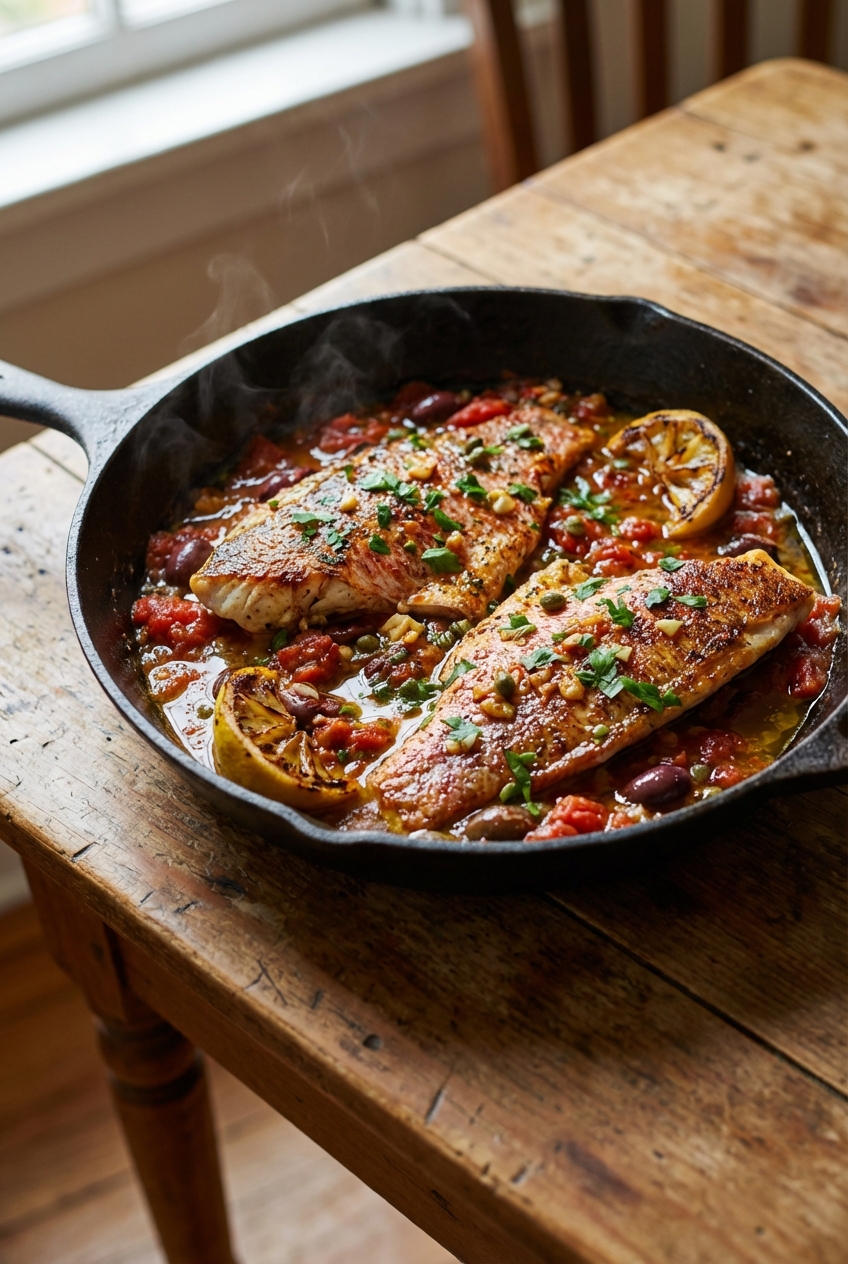
A cast iron skillet holding seared red snapper fillets in a rustic tomato and olive pan sauce with lemon wedges and parsley on a wooden table

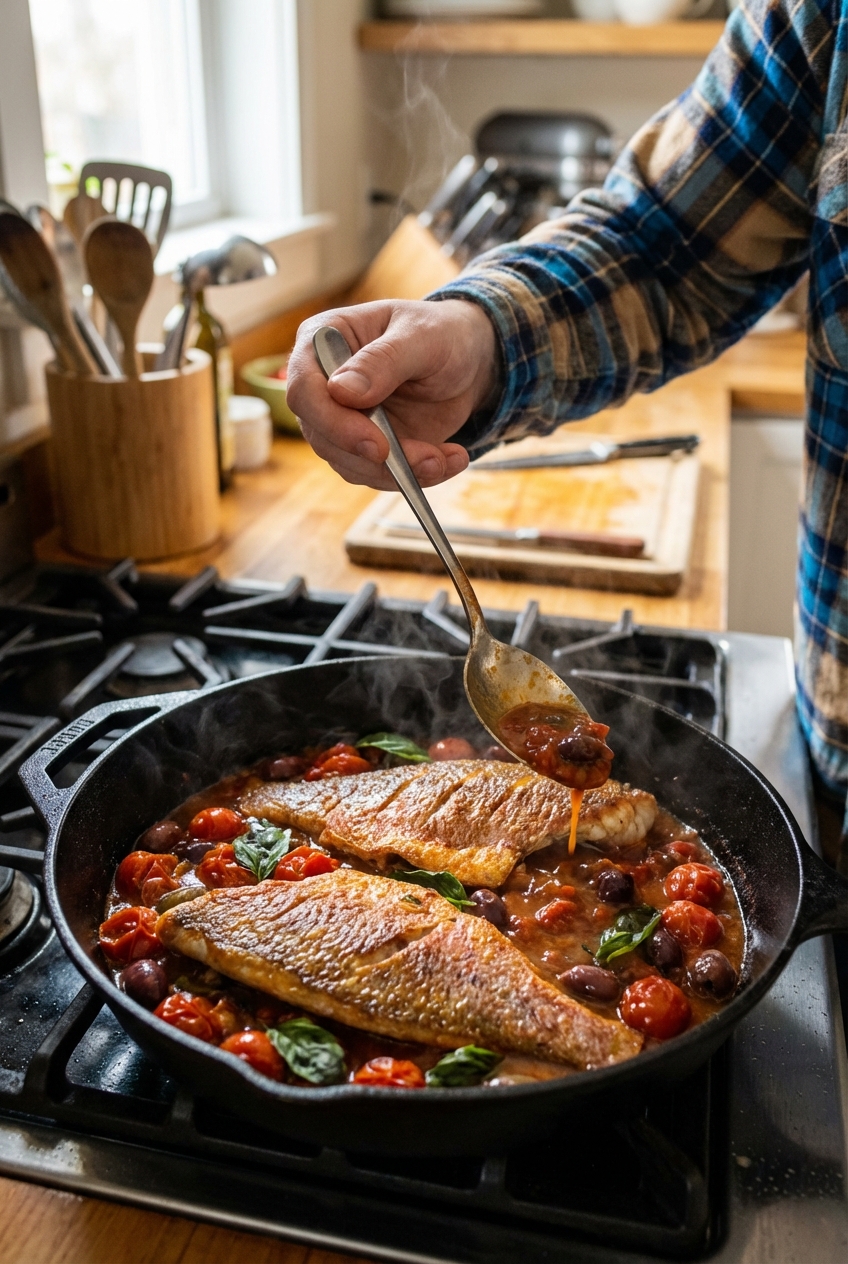
Red snapper is one of those fish that can feel “restaurant-only,” but it is actually perfect for real-life home cooking. It is mild, a little sweet, and it cooks fast, which means weeknight-friendly. The trick is treating it like you would a great chicken cutlet: dry it well, season it like you mean it, then give it a hot pan so the edges go crisp.

This rustic, homestyle version leans into pantry staples. Cherry tomatoes get blistered until jammy, garlic turns fragrant, olives bring that salty pop, and a quick splash of broth plus lemon makes a bright pan sauce that practically begs for bread. No fussy steps, no rare ingredients, and yes, you should taste as you go. That is not cheating, that is cooking.
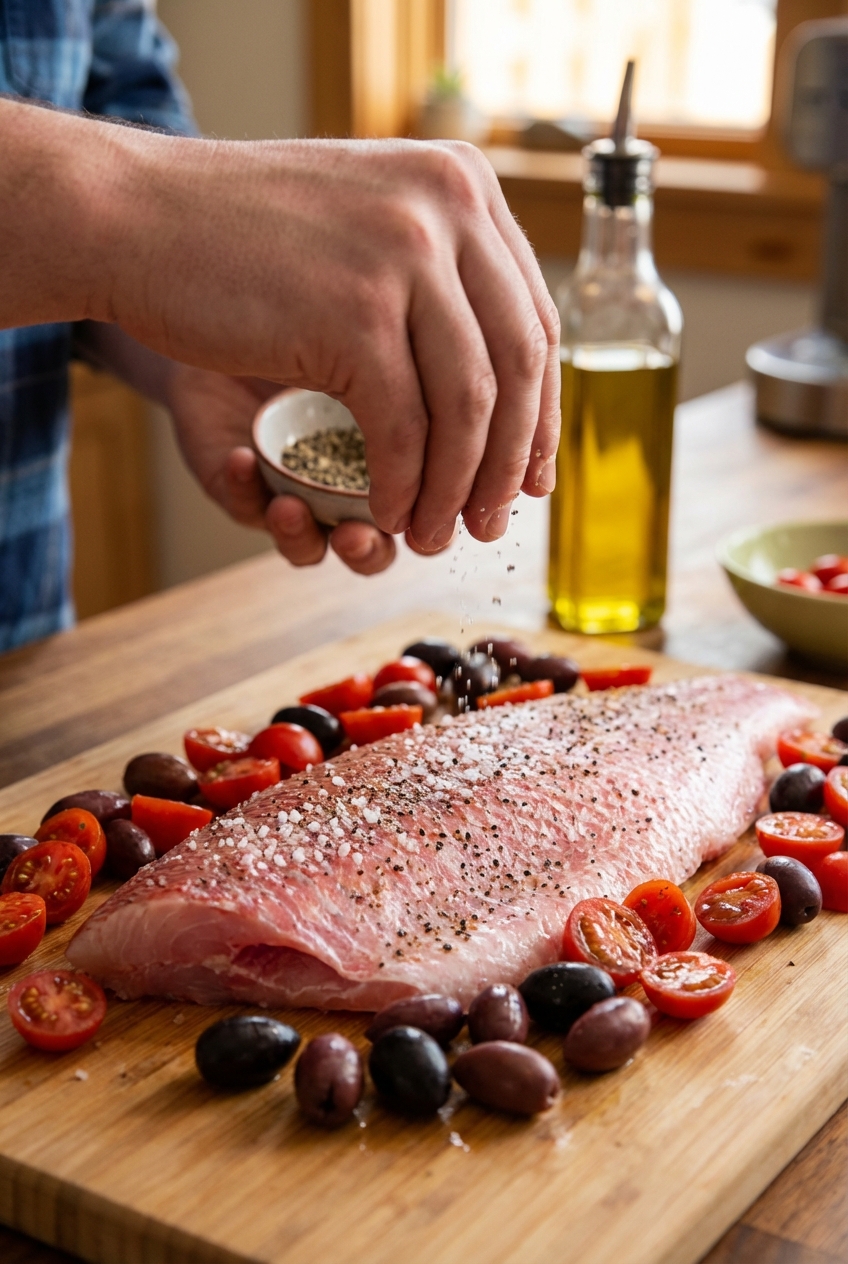
A close-up photo of a red snapper fillet being seasoned with salt and pepper on a cutting board next to cherry tomatoes and olives

Why It Works

  • Crisp skin and tender fish: A quick sear gives you that golden edge while keeping the snapper juicy.
  • Big flavor from simple ingredients: Tomatoes, olives, garlic, and lemon build a sauce that tastes bright, briny, and cozy at the same time.
  • One pan, low drama: Everything happens in the same skillet, so cleanup stays reasonable.
  • Flexible and forgiving: Swap herbs, adjust heat, or use what you have without losing the point of the dish.

Pairs Well With

  • A shallow bowl of creamy polenta topped with grated parmesan and cracked black pepper on a kitchen counter

    Creamy Parmesan Polenta

  • A rustic loaf of crusty bread sliced on a wooden board with a small dish of olive oil

    Crusty Bread for Dipping

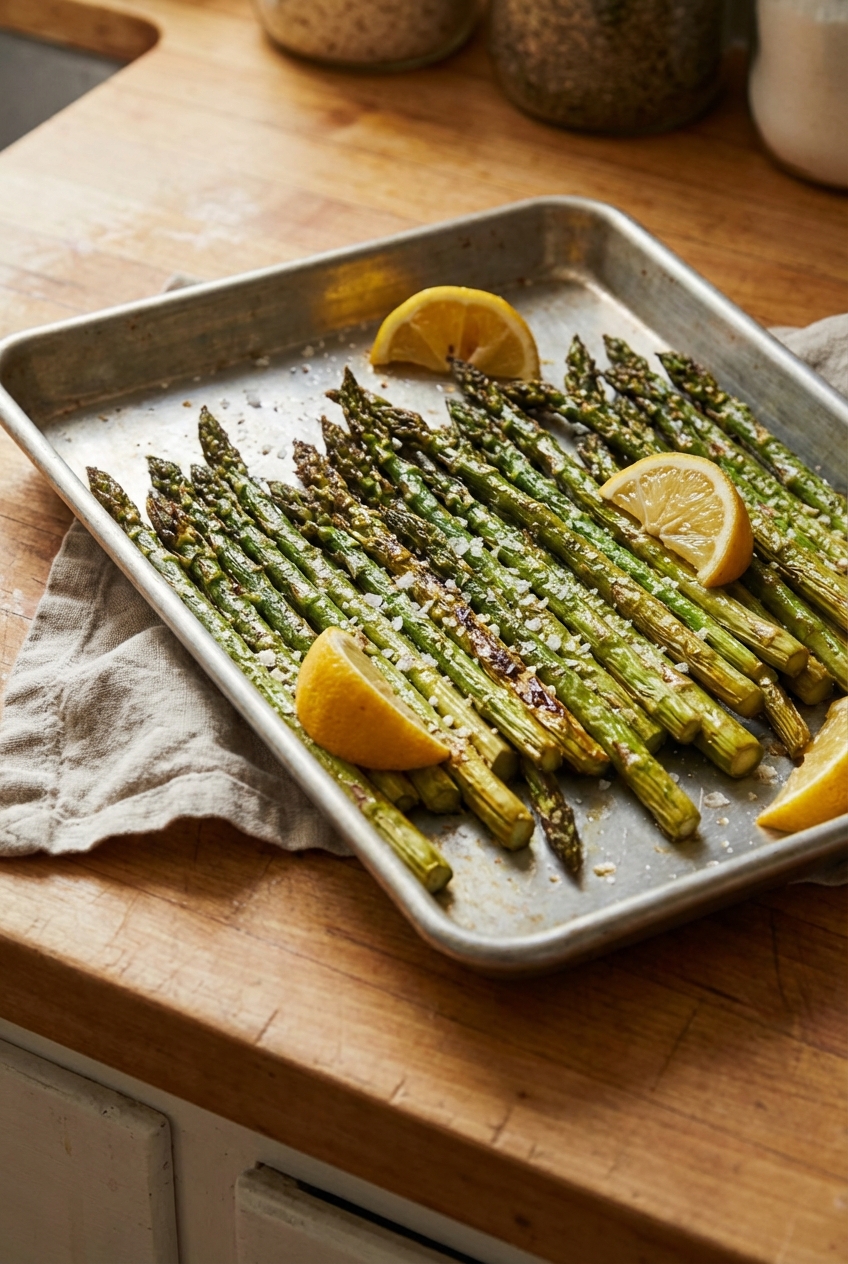
  • A sheet pan of roasted asparagus with lemon slices and olive oil

    Lemon Roasted Asparagus

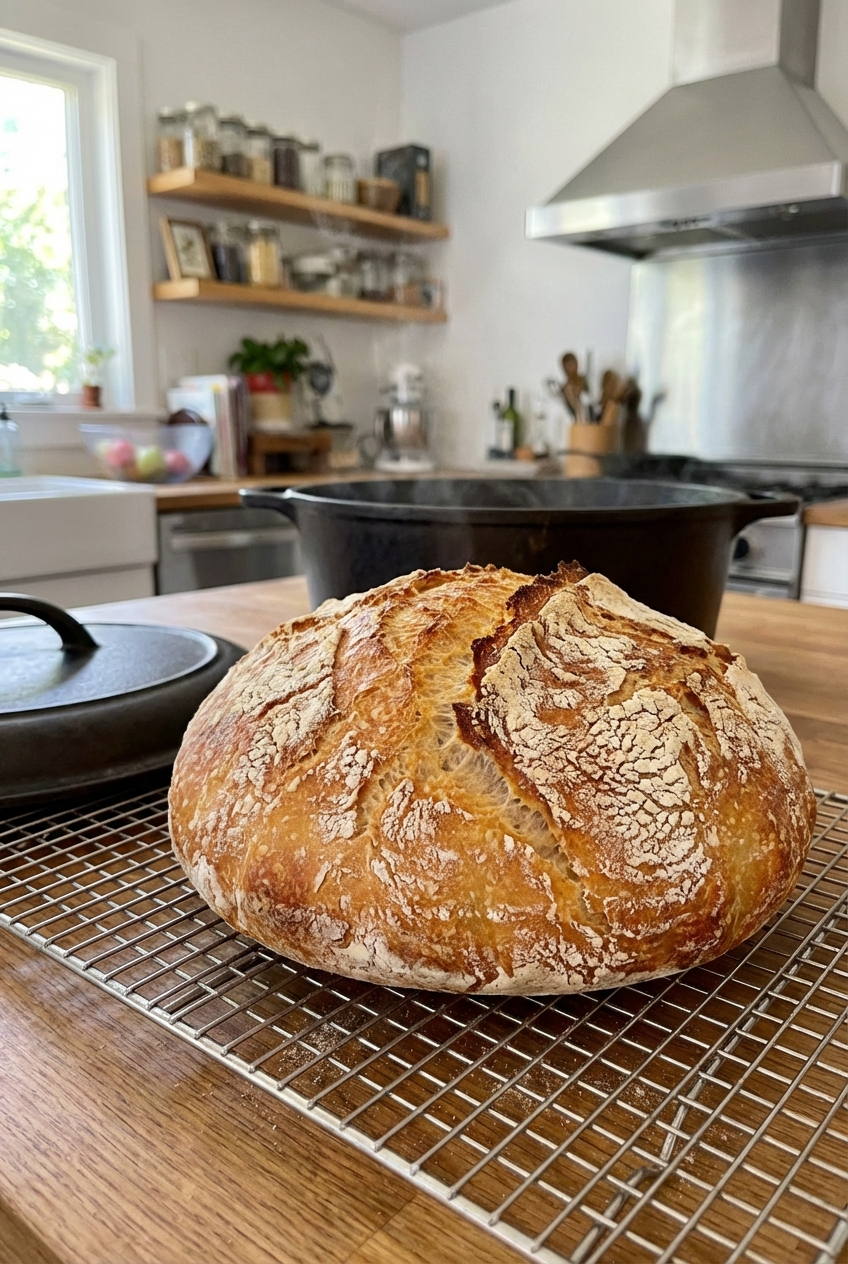
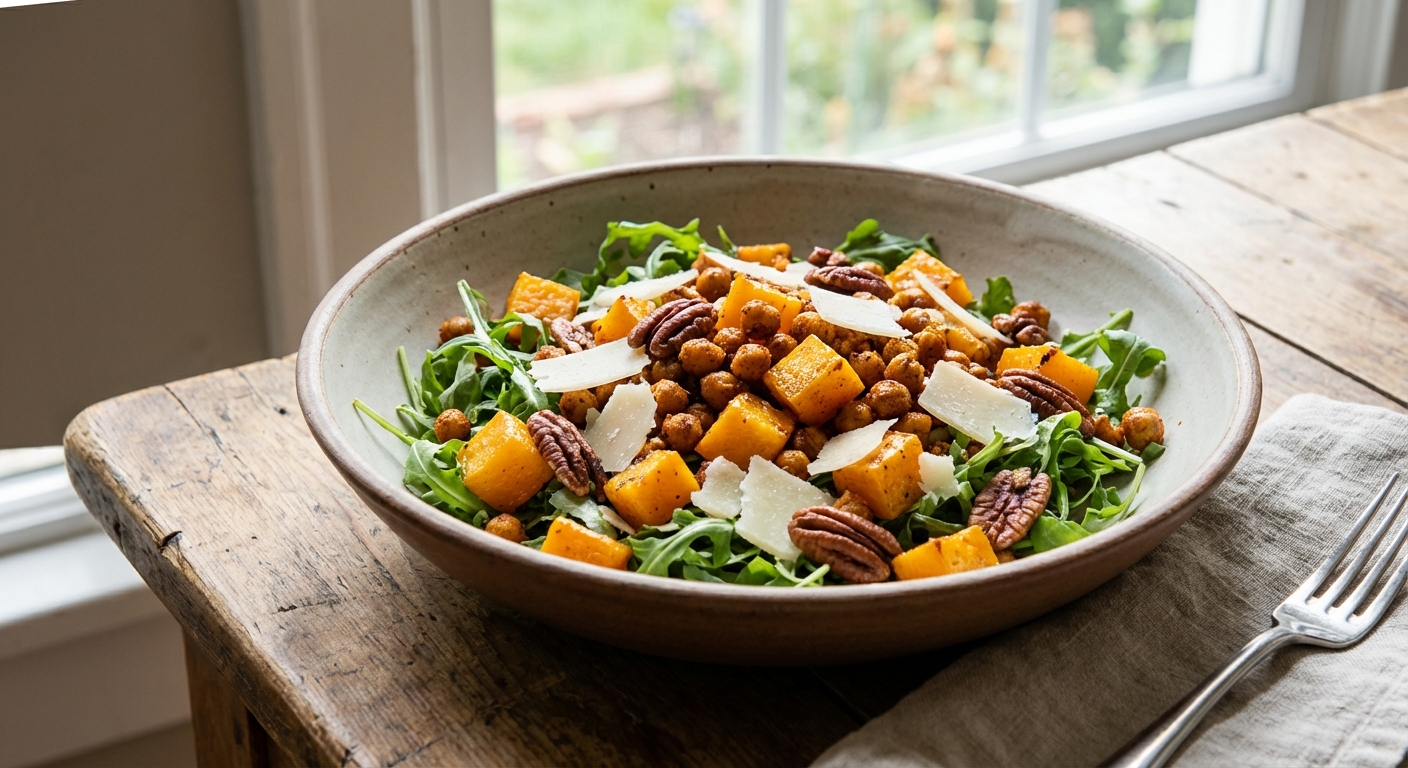
  • A bowl of simple arugula salad with shaved parmesan and lemon vinaigrette

    Arugula Salad with Lemon Vinaigrette

Storage Tips

Fish leftovers can be great, as long as you treat them gently.

Refrigerator

  • Cool leftovers within 2 hours, then store snapper and sauce together in an airtight container.
  • Eat within 2 days for best texture and flavor.

Reheating

  • Stovetop (best): Warm the sauce in a small skillet over low heat. Add the fish and cover for 2 to 4 minutes, just until heated through.
  • Microwave (okay): Use 50 percent power in short bursts. Fish goes from perfect to dry in about 30 seconds, so stay alert.

Freezing

  • I do not love freezing cooked snapper because the texture can turn flaky in a sad way. If you must, freeze up to 1 month and reheat gently in sauce.

Leftover move: Flake cold snapper into a salad or tuck it into a warm pita with the tomato olive sauce and a little yogurt.

Common Questions

Can I use frozen red snapper?

Yes. Thaw it overnight in the fridge, then pat it very dry before seasoning. Extra moisture is the enemy of crisp edges.

What if my snapper does not have skin on?

No problem. You will still get great browning. Just sear it a touch less time, since skinless fillets can overcook faster.

How do I know when the fish is done?

It should flake easily and look opaque, but still juicy. If you like numbers, you have two good options: pull it at 135°F to 140°F for a juicy, restaurant-style finish (it will carry over as it rests), or cook to 145°F if you want to follow the more conservative food-safety guideline for finfish.

Either way, use the look-and-feel check too: opaque at the edges, and it flakes with gentle pressure.

Are olives mandatory?

They are the salty backbone here, but you can swap in capers, chopped artichoke hearts, or even a pinch of extra salt plus a splash of pickle brine if you are improvising.

Can I make the sauce ahead?

Yes. Make the tomato olive sauce up to 2 days ahead, refrigerate, then rewarm and cook the fish fresh right before serving.

I started cooking fish more seriously when I realized most “I do not like fish” takes are really “I do not like overcooked fish.” This dish is my go-to for proving the point. It is rustic, a little briny, and it makes the kitchen smell like something good is happening, even if you are still in sweatpants. The tomato olive pan sauce is the kind of move that makes you feel like you have a secret, and honestly, the secret is just letting tomatoes cook until they get jammy and tasting the sauce until it makes you pause mid-bite.