Mom's Best Recipes
Recipe

Rustic Salmon Recipe

Crisp-edged salmon with a decadent brown butter Dijon pan sauce, blistered tomatoes, and a lemony herb finish. Restaurant vibes, weeknight effort.

Author By Matt Campbell
4.8
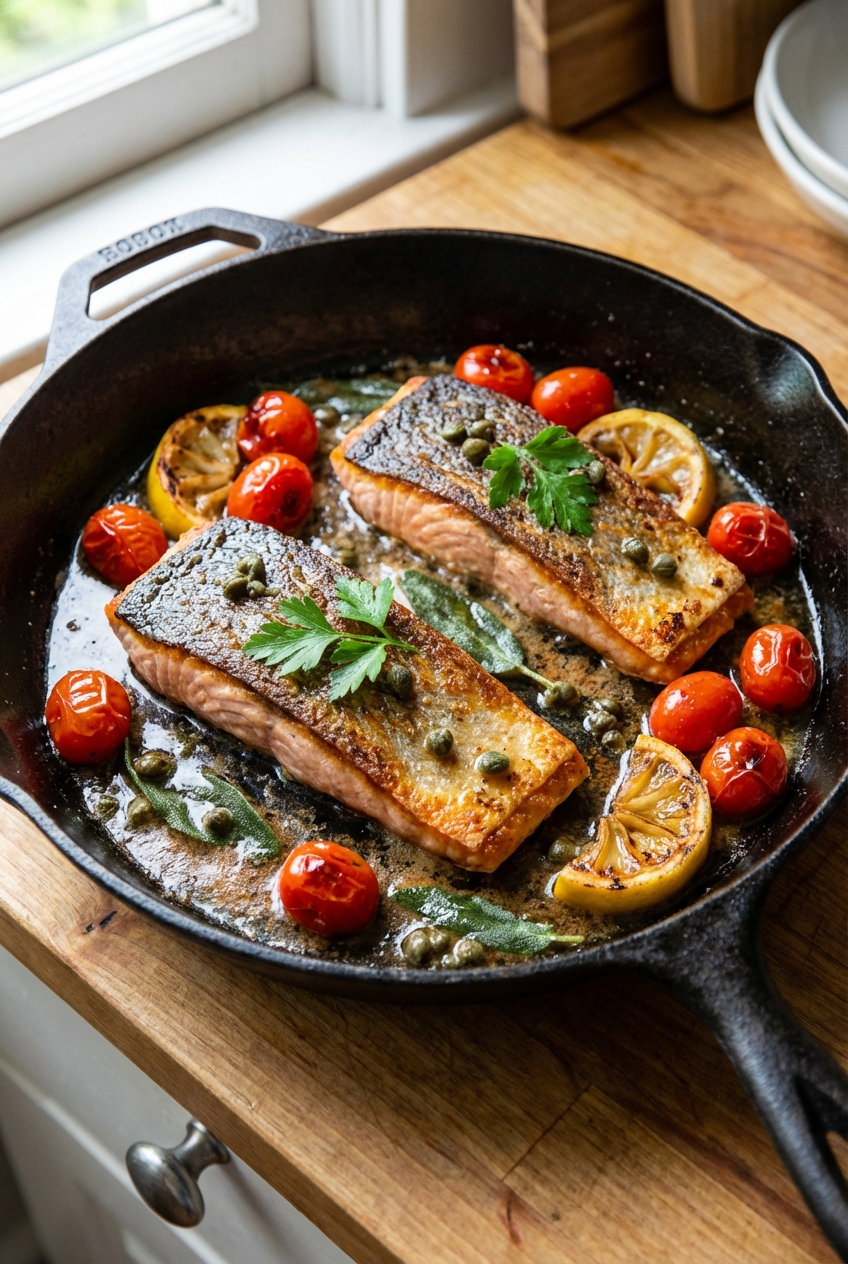
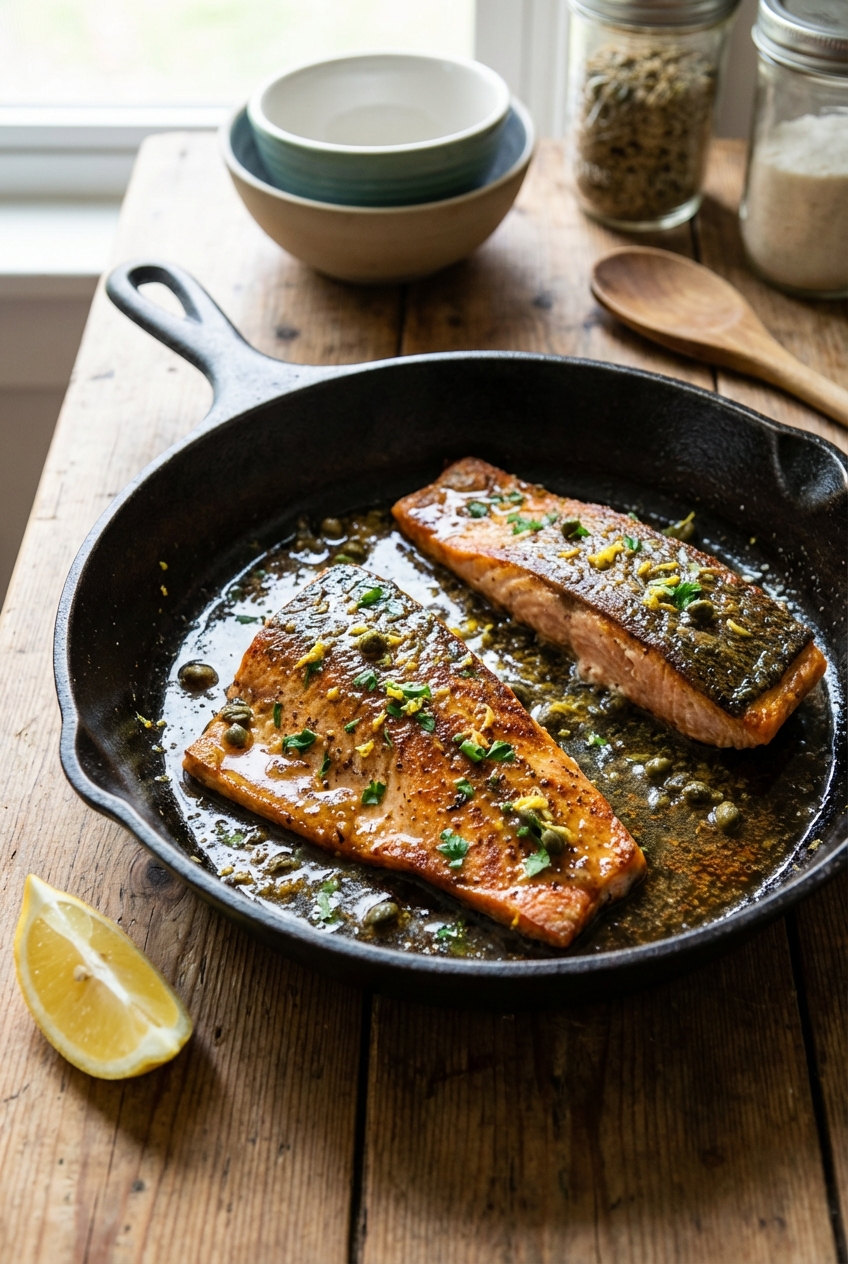
A real photograph of crisp-skinned salmon fillets in a cast iron skillet with browned butter sauce, blistered cherry tomatoes, and lemon wedges

If you want salmon that feels a little fancy without turning your kitchen into a crime scene, this is the move. We are going for that rustic, skillet-seared vibe: crisp edges, buttery richness, and a pan sauce that tastes like you definitely had a plan, even if you were just hungry.

The trick is simple and very forgiving: we sear the salmon, let some tomatoes get blistery and sweet, then finish with a brown butter Dijon sauce that hits salty, tangy, and nutty all at once. Add lemon and herbs at the end and suddenly dinner is doing the most in the best way.
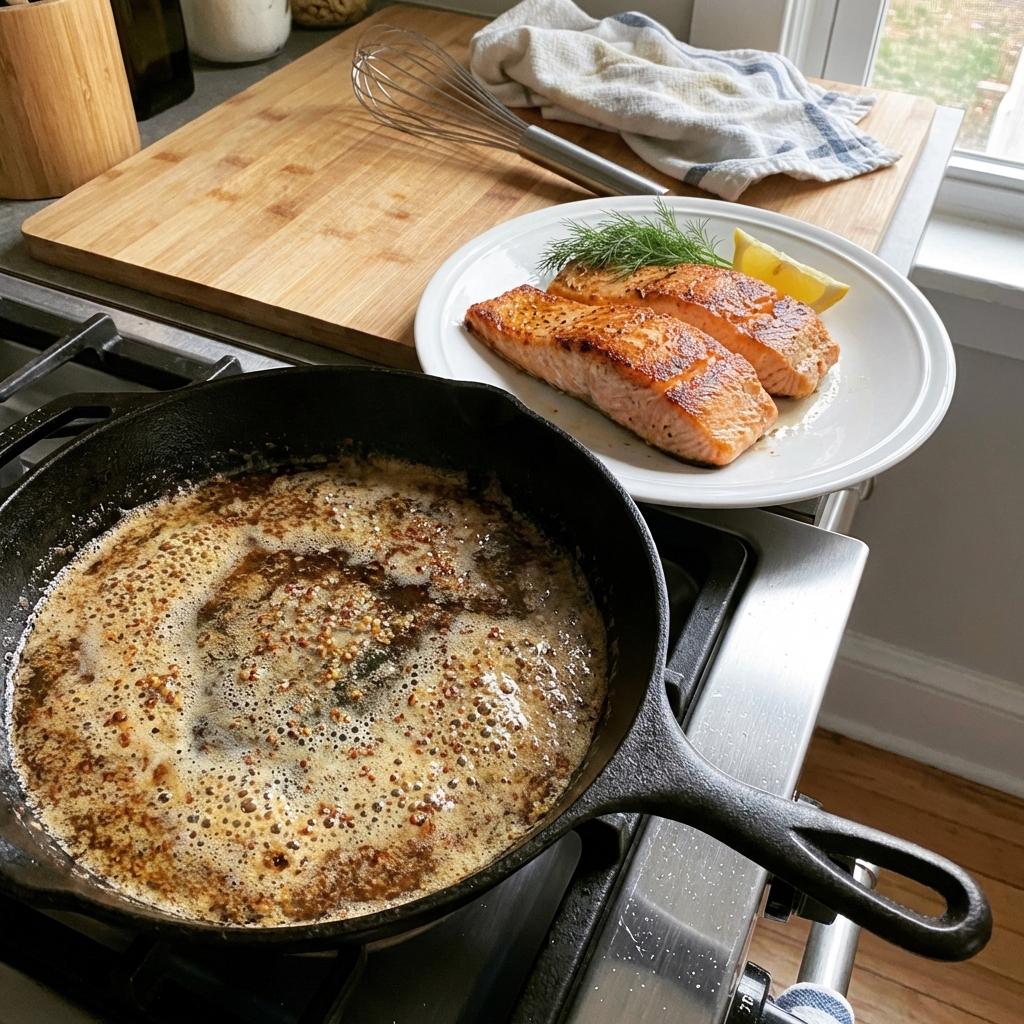
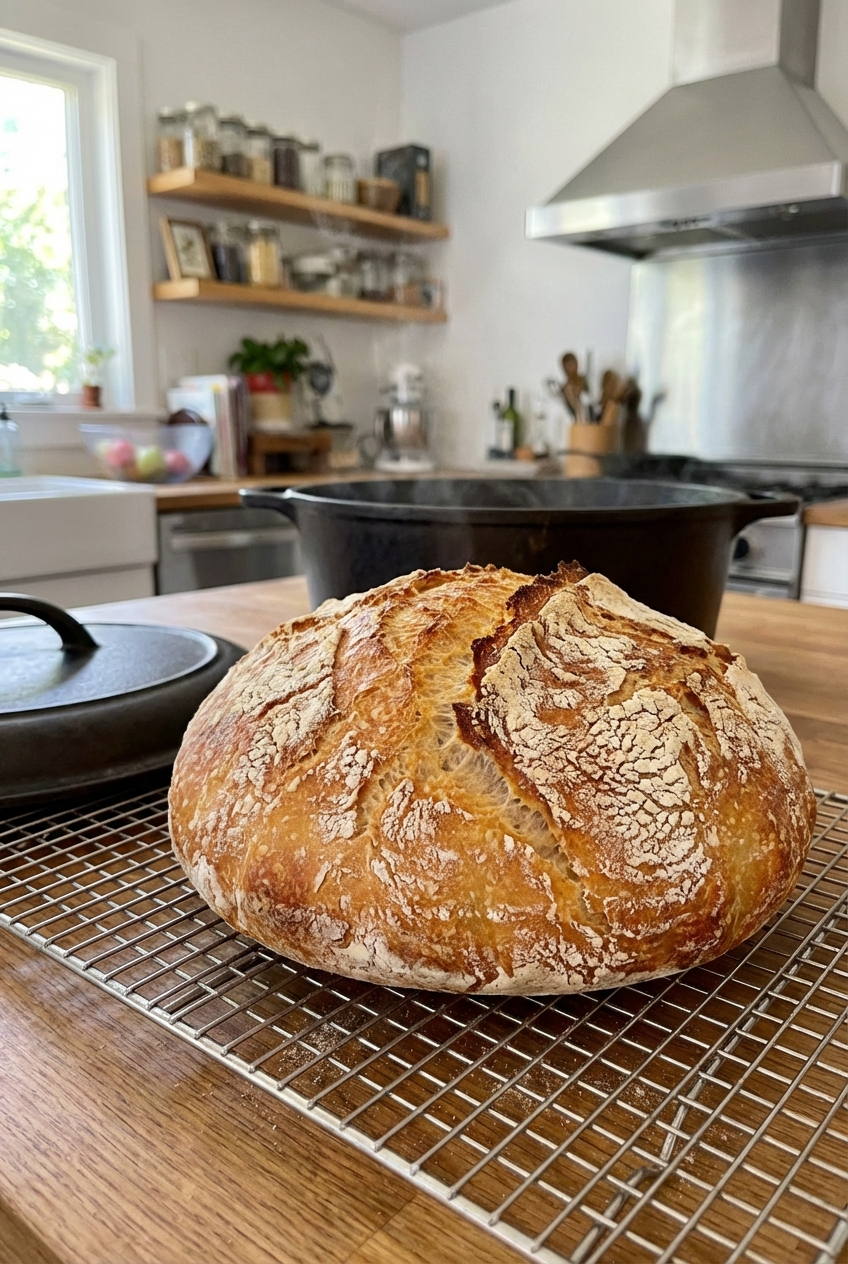
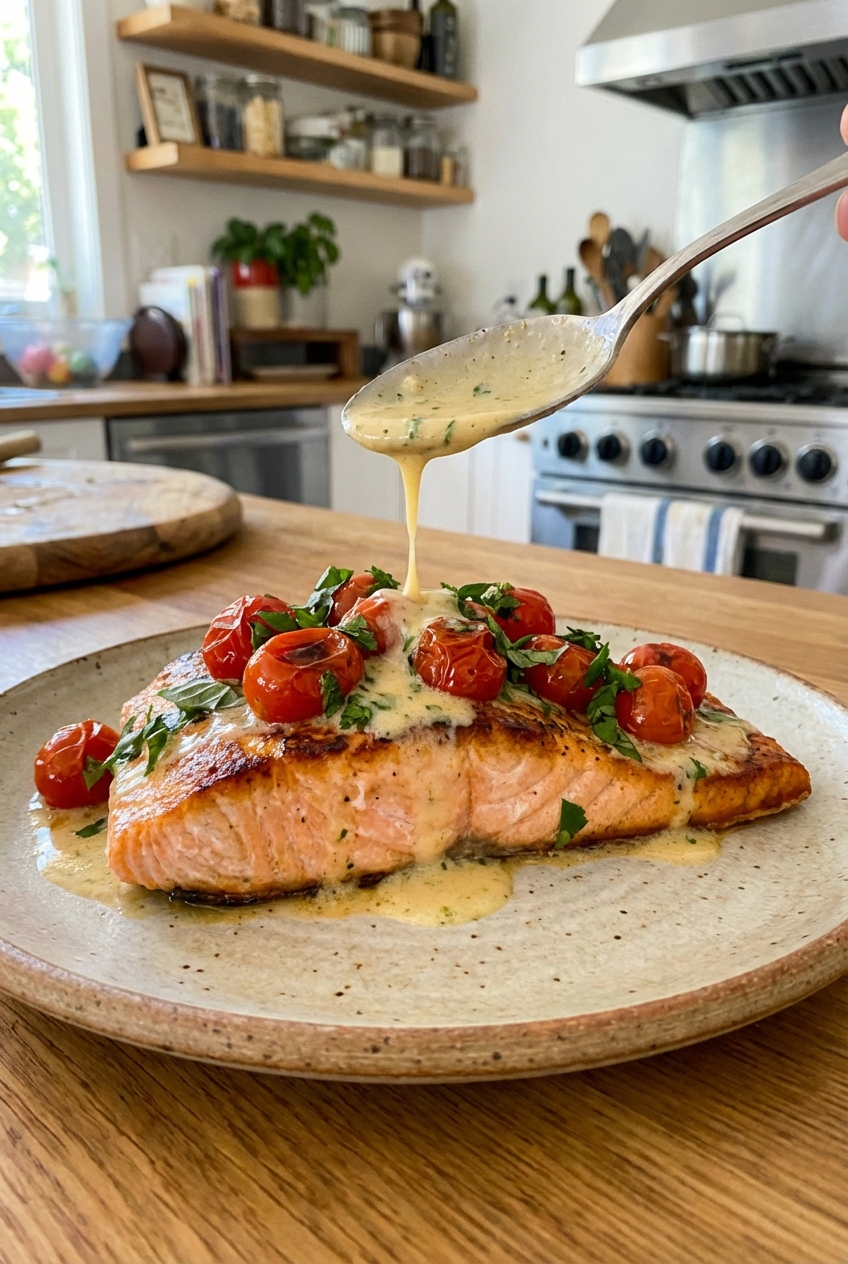
A real photograph of salmon fillets resting on a plate while a skillet pan sauce simmers with browned butter and mustard

Why It Works

  • Crisp skin, tender center: A hot pan and patience give you that crackly, golden exterior without drying out the fish.
  • Decadent sauce built from the drippings: Brown butter plus Dijon and lemon turns the browned bits into something you want to mop up with bread.
  • Big flavor, accessible ingredients: No specialty items required, just smart layering: sear, deglaze, whisk, taste.
  • One pan, low drama: The skillet does the heavy lifting, and the sauce comes together in minutes.

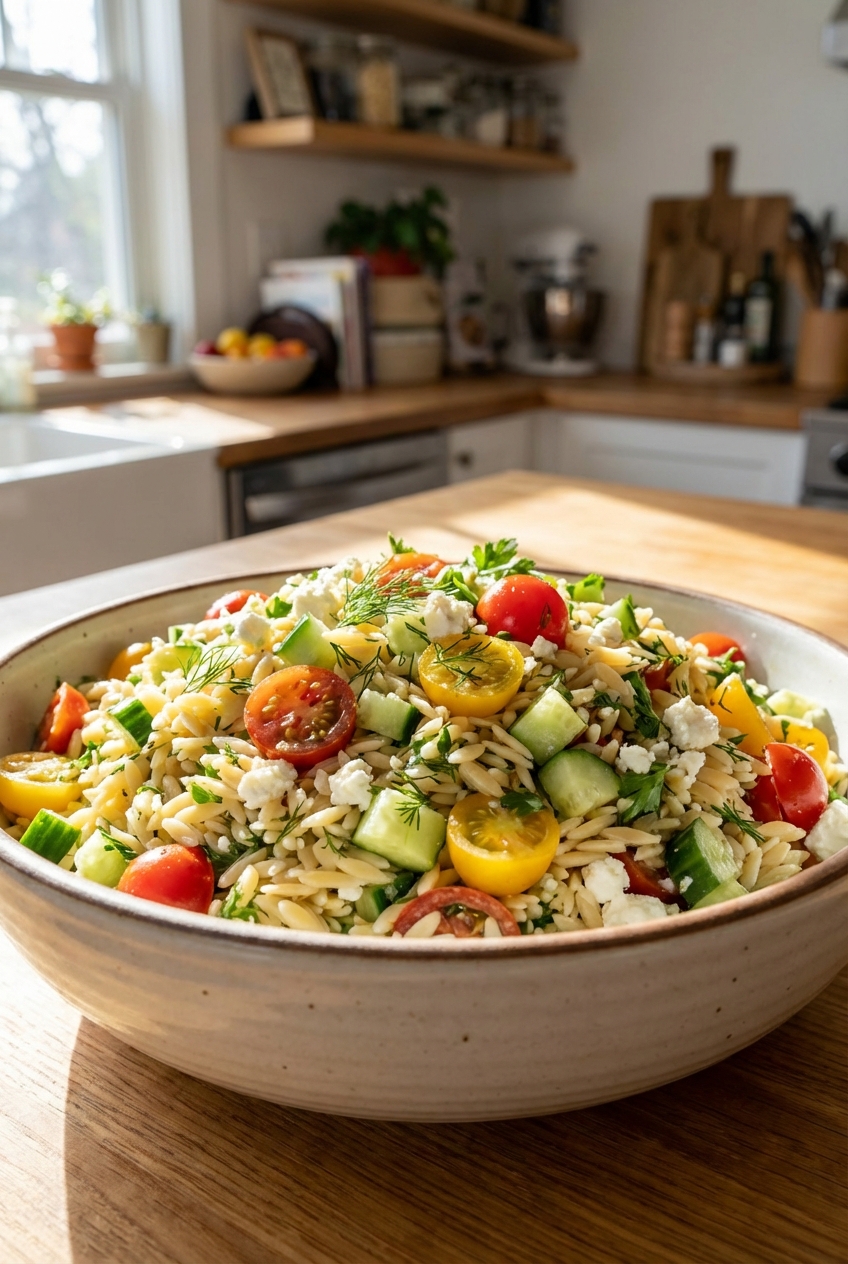
Pairs Well With

Storage Tips

Refrigerate: Store salmon and sauce in separate airtight containers if you can. They keep well for up to 2 days. (Sauce on the fish is still fine, it just softens the crisp edges.)

Reheat gently: Warm salmon in a skillet over low heat with a splash of water, or in the oven at 300°F until just heated through. Microwave works in a pinch, but go in short bursts so it stays tender.

Sauce tip: Brown butter sauce can firm up when cold. Rewarm slowly in a small pan, whisking, and add a teaspoon of water or broth to loosen it.

Cold leftover move: Flake chilled salmon over a salad with the leftover sauce thinned with lemon juice and olive oil. It is weirdly luxurious for lunch.

Common Questions

Do I need skin-on salmon?

No, but it helps deliver that rustic crispness. If you have skinless fillets, you can still sear them hard and get great browning. Just be extra gentle when flipping.

How do I know when salmon is done?

Look for the sides to turn opaque and the center to still look slightly glossy. If you like numbers, aim for about 120°F to 125°F in the thickest part for medium, then rest a couple minutes.

My salmon sticks to the pan. What did I do wrong?

Usually one of two things: the pan was not hot enough, or you tried to move the fish too early. Give it time. Once a good crust forms, it naturally releases.

Can I swap the Dijon?

Yes. Whole grain mustard is great and a little more rustic. Yellow mustard works in a pinch, but use a bit less and add a touch more lemon to balance.

What can I use instead of white wine?

Chicken broth or vegetable broth works well. Add an extra squeeze of lemon at the end to keep the sauce bright.

I started making this salmon on nights when I wanted something indulgent but did not want a sink full of dishes. The first time I browned butter on purpose, I stood there sniffing the pan like a cartoon character. Nutty, toasty, almost sweet. Add mustard and lemon and it turns into this punchy sauce that makes salmon feel like a special occasion, even if you are eating it in sweatpants with a fork straight from the skillet. Honestly, that is my favorite kind of fancy.