Mom's Best Recipes
Recipe

Rustic Shortbread Recipe

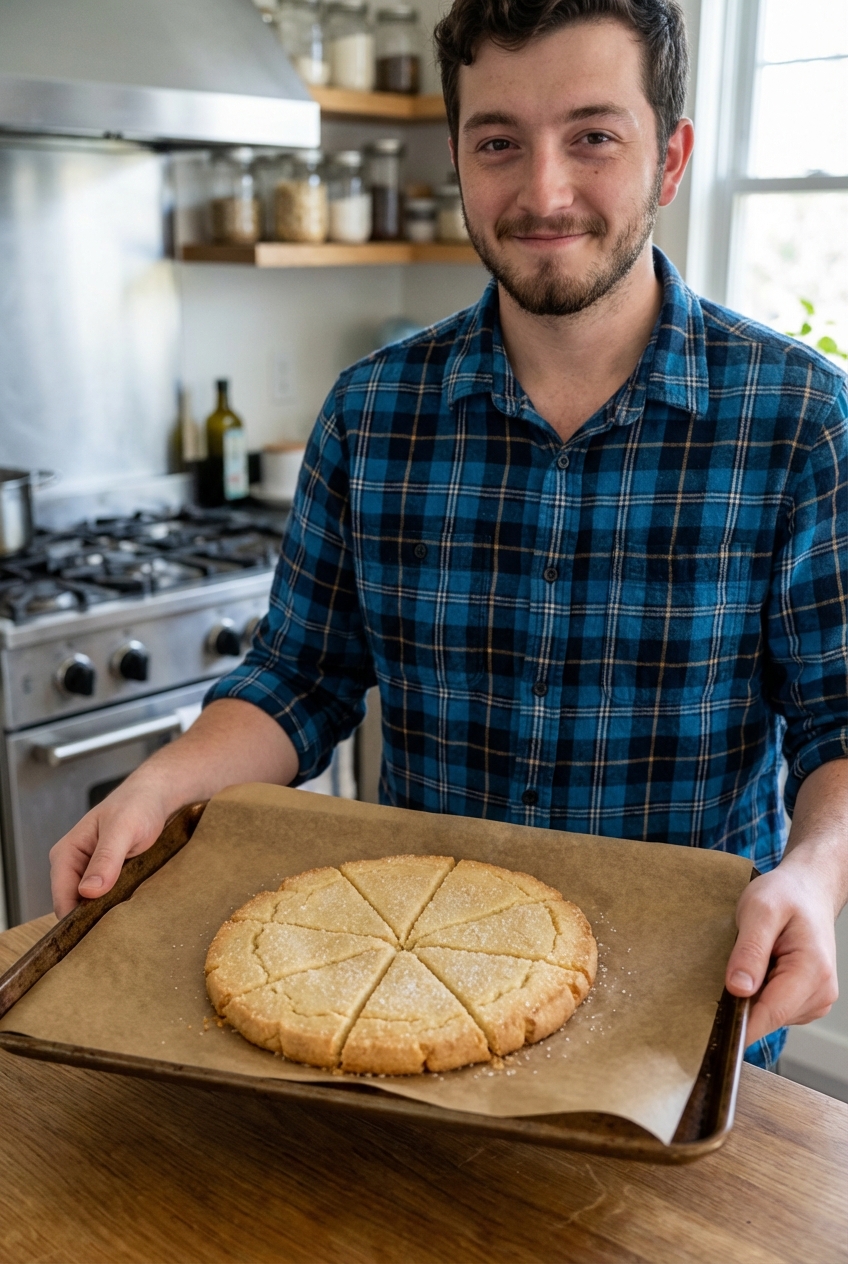
Crumbly, buttery, and unapologetically indulgent, this rustic shortbread bakes up with crisp edges and a tender, sandy bite. One bowl, no mixer required, and it tastes like you tried way harder than you did.

Author By Matt Campbell
4.8

Shortbread is one of those quietly elite baked goods. It does not need frosting. It does not need sprinkles. It just needs butter, a little sugar, and enough salt to make the whole thing taste like you know what you are doing.

This is my go-to rustic shortbread. You press it into a pan, give it a quick dock with a fork, and bake until the edges go golden and the center is set. The vibe is cozy and unfussy, like something you would keep on the counter for “one more piece” moments.

Bonus: it is a great “use what you have” recipe. No stand mixer. No weird ingredients. Just a few smart choices that make it taste decadent.
Why It Works

  • Big butter flavor without being greasy: a touch of cornstarch helps keep the crumb tender and melt-in-your-mouth.
  • Rustic texture you actually want: crisp edges, sandy center, and that gentle snap when you bite in.
  • Low drama method: press, dock, bake. No rolling pin and no chilling required, but a quick 10-minute chill helps if your kitchen runs hot.
  • Finishing salt makes it pop: a pinch of flaky salt on top keeps it from tasting flat or overly sweet.

Pairs Well With

  • Earl Grey or English breakfast tea

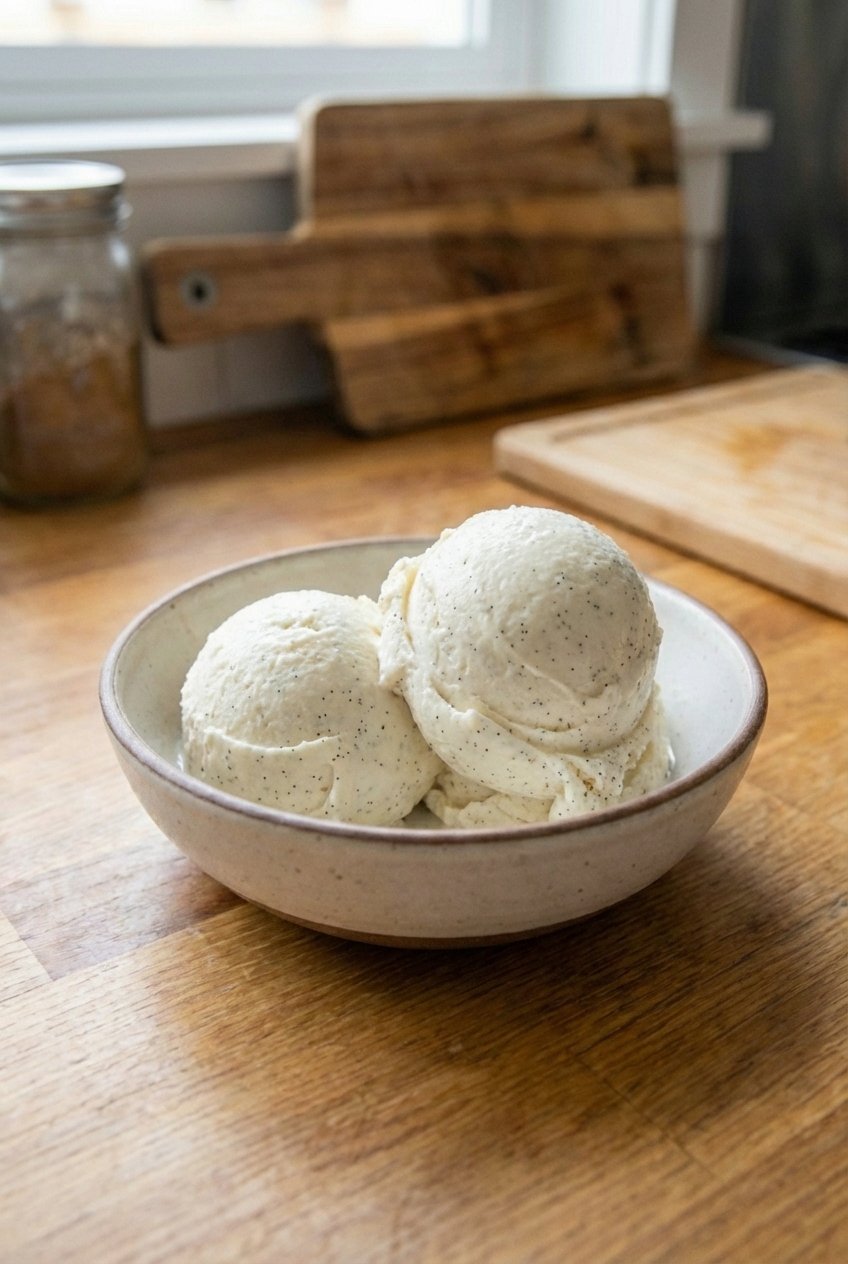
  • Vanilla ice cream for a shortbread sundae moment

  • Fresh berries, lightly sugared

  • Cold milk, because classics are classic

Storage Tips

Room temperature: Store in an airtight container for 5 to 7 days. Add a small piece of parchment between layers so the edges stay crisp.

Freeze: Freeze wedges or squares in a zip-top bag with parchment between pieces for up to 2 months. Thaw at room temperature for 30 to 60 minutes.

Pro tip for crispness: If it softens, pop pieces in a 300°F oven for 5 to 7 minutes, then cool completely.

Common Questions

Why is my shortbread tough?

Tough shortbread usually comes from overmixing or packing in too much flour. Mix just until the dough looks like damp sand and holds together when you squeeze it. When measuring flour, spoon it into the cup and level it off.

Can I use salted butter?

Yes. If you use salted butter, reduce the added kosher salt to 1/4 teaspoon. Still finish with a tiny pinch of flaky salt if you like that sweet-salty thing.

Do I have to dock the dough with a fork?

Docking helps steam escape so the surface stays flat and bakes evenly. You can skip it, but you might get bubbles that crack the top.

Can I make it gluten-free?

You can try a good 1:1 gluten-free baking flour. Texture varies by brand, but shortbread is generally forgiving. The goal is a dough that presses together without crumbling apart. If it seems too dry, you may need a bit more fat. Add 1 to 2 teaspoons of melted butter as needed and press again.

How do I know when it is done?

The center should look set and matte, not shiny, and it may still look a little pale (that is good). The edges should be light to medium golden. It will firm up a lot as it cools, so do not chase a deep brown bake unless you want extra crunch.

I started making shortbread when I wanted a dessert that felt fancy but did not require a full kitchen pep talk. You know the kind. Something you can throw together while the pasta water is boiling, then slice into wedges like you totally planned a dessert course. This rustic version is my favorite because it is imperfect in the best way: slightly craggy top, crisp edges, and a buttery bite that disappears fast. The first time I topped it with flaky salt, I literally stopped mid-bite like, okay wow, that is the move.