Mom's Best Recipes
Recipe

Rustic Etouffee Recipe

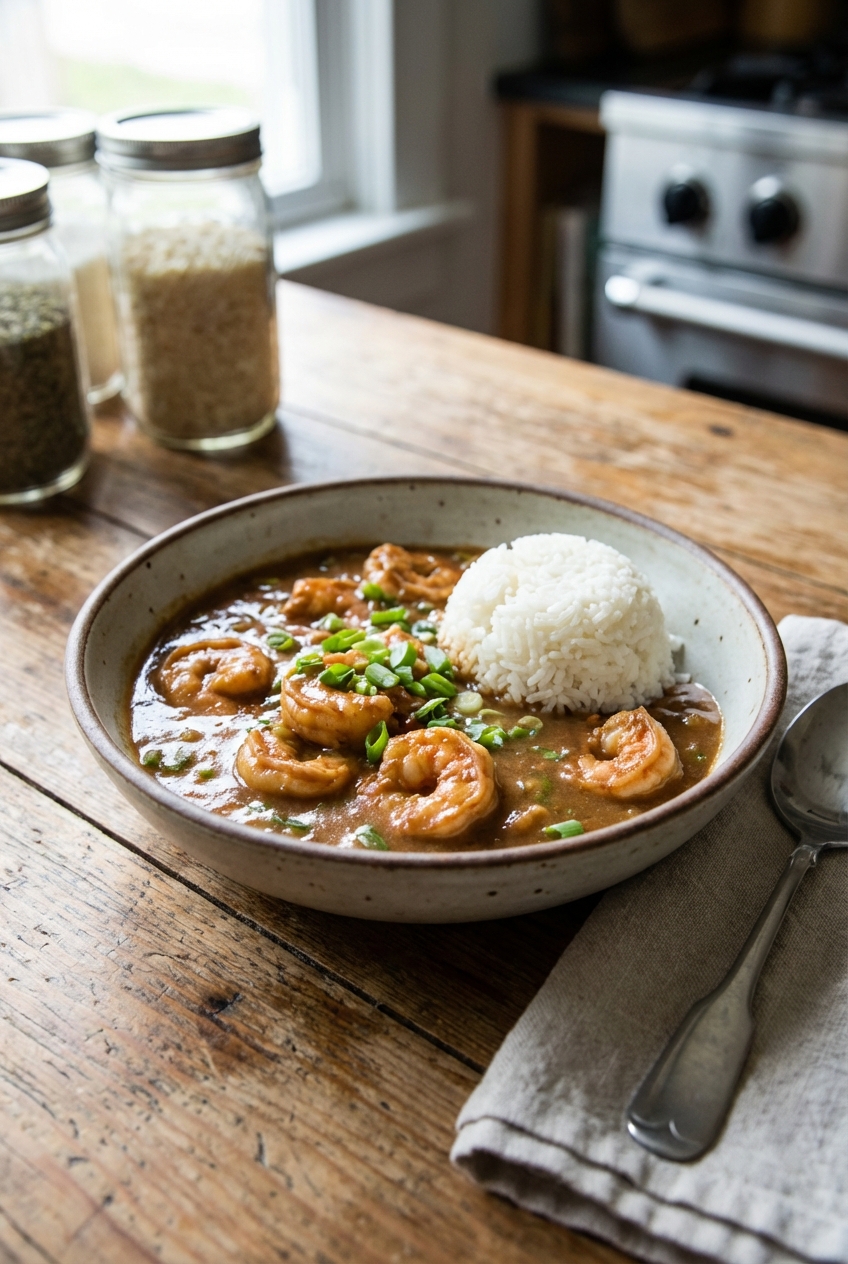
A cozy Louisiana-style shrimp etouffee with a deep, nutty roux, tender veggies, and a savory sauce you will want to spoon over everything.

Author By Matt Campbell
4.8
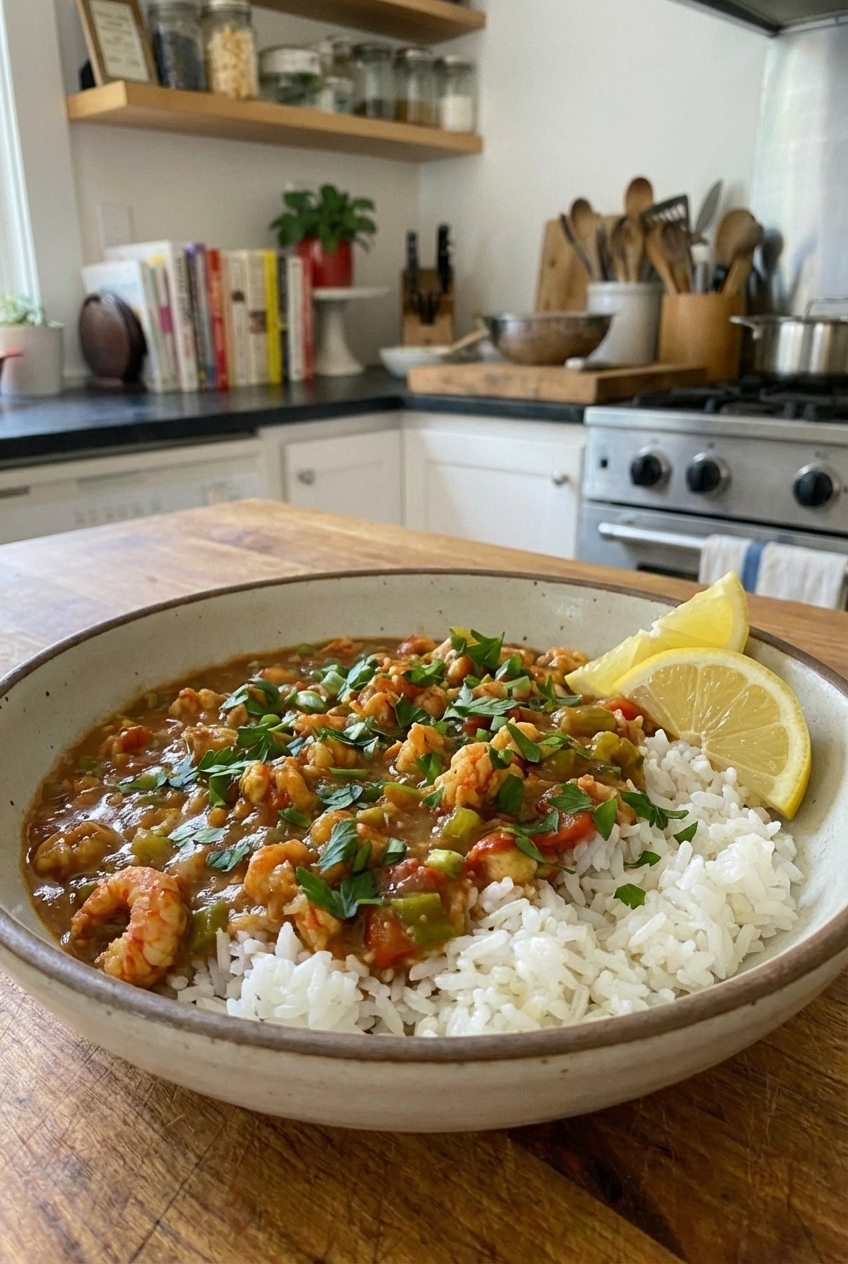
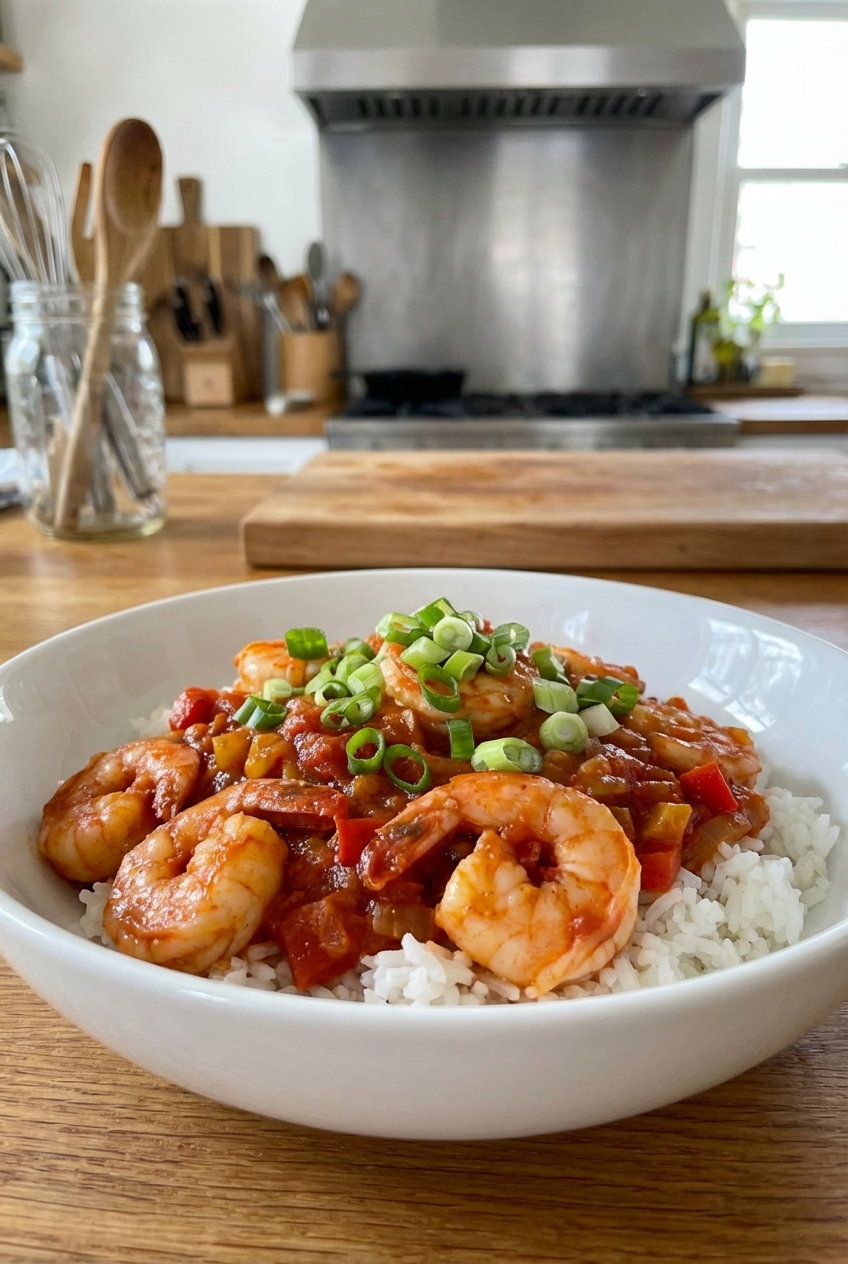
A bowl of rustic shrimp etouffee with a rich brown sauce and white rice on a wooden table

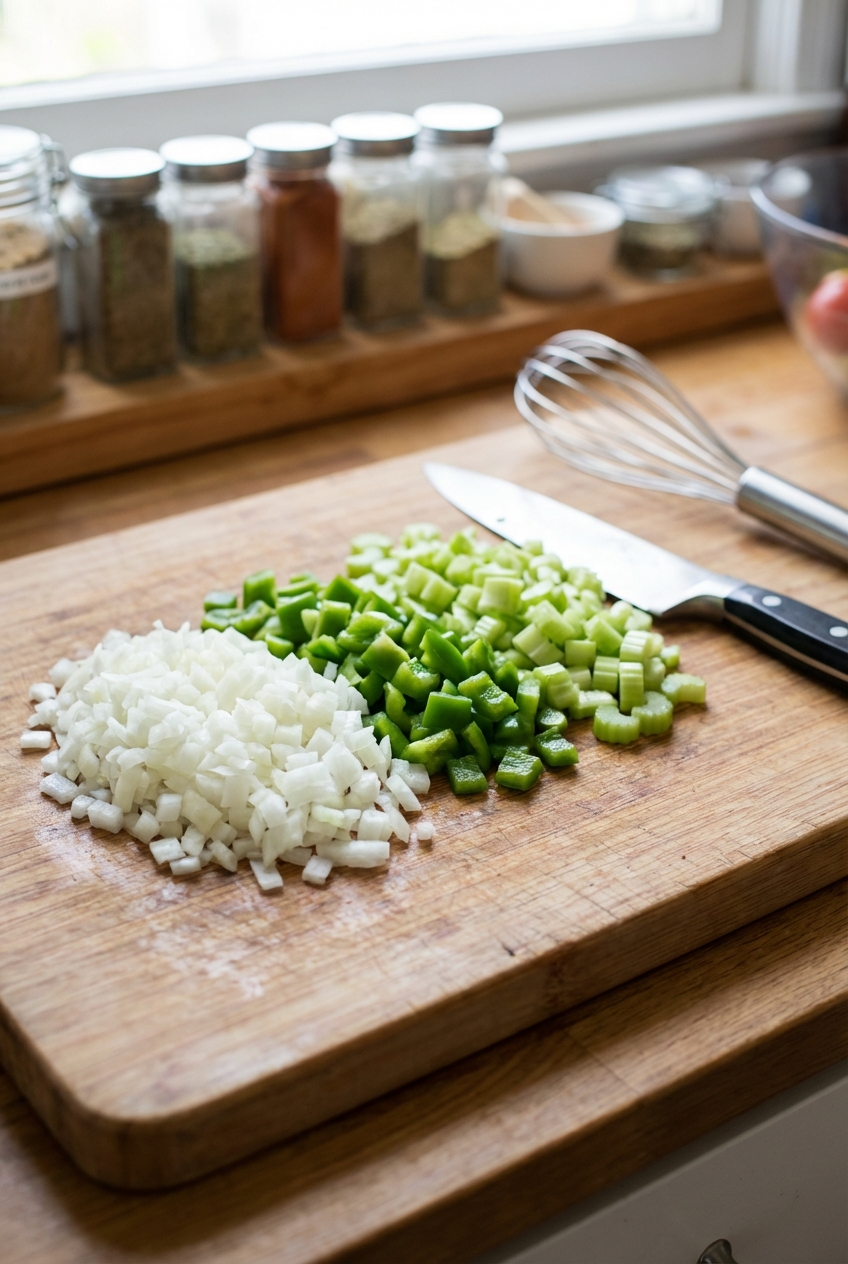
Etouffee is one of those dishes that feels like a hug but tastes like someone turned the flavor dial up and snapped it off. You build a roux, sweat down the holy trinity (onion, bell pepper, celery), then let everything simmer into a glossy, savory sauce that clings to rice like it pays rent.

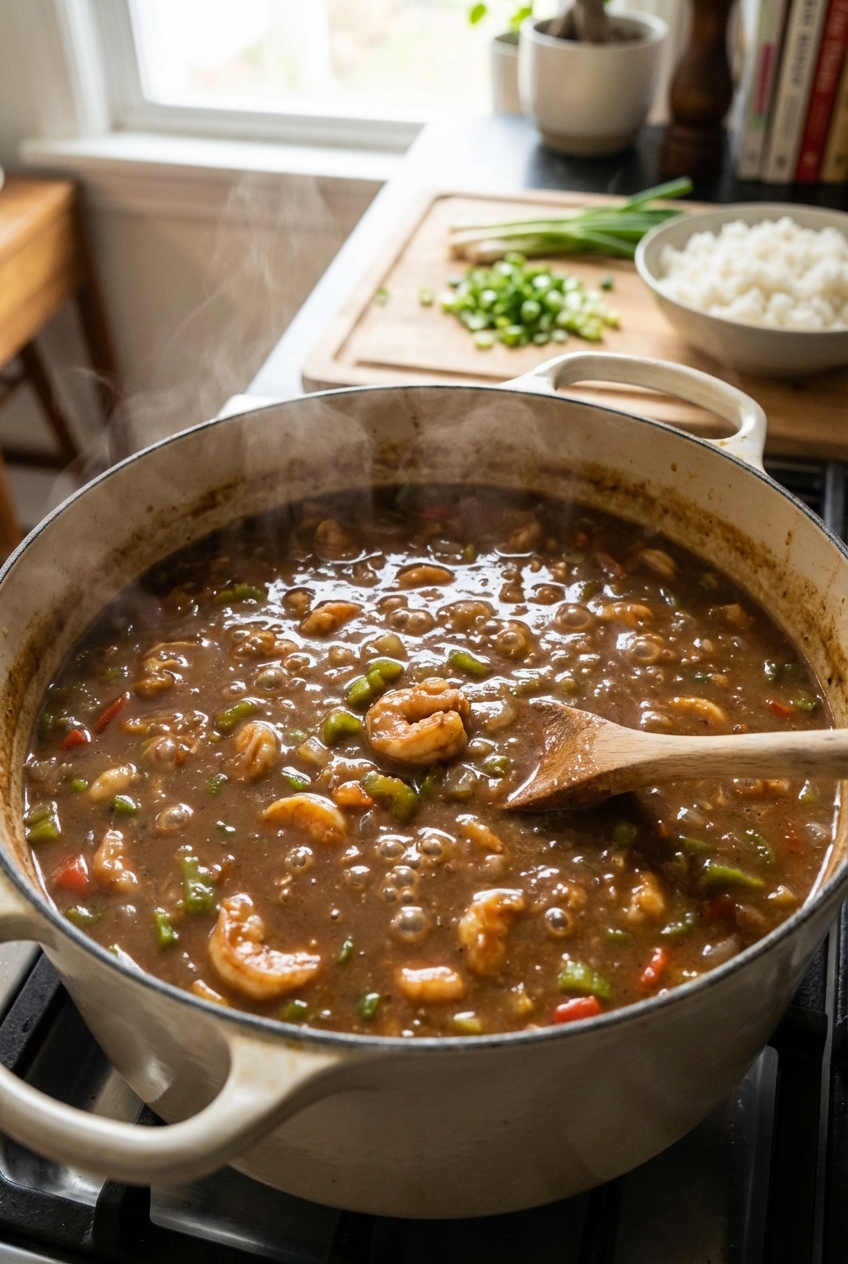
This is my rustic, weeknight-friendly version. I lean into a slightly deeper, toastier roux than some traditional shrimp etouffees, because I like that nutty backbone. It is bold, satisfying, and not precious. You do not need fancy seafood stock or a culinary degree. You just need patience for the roux, a spoon, and the willingness to taste as you go. If you can stir and you can smell when something is getting too toasty, you are in business.
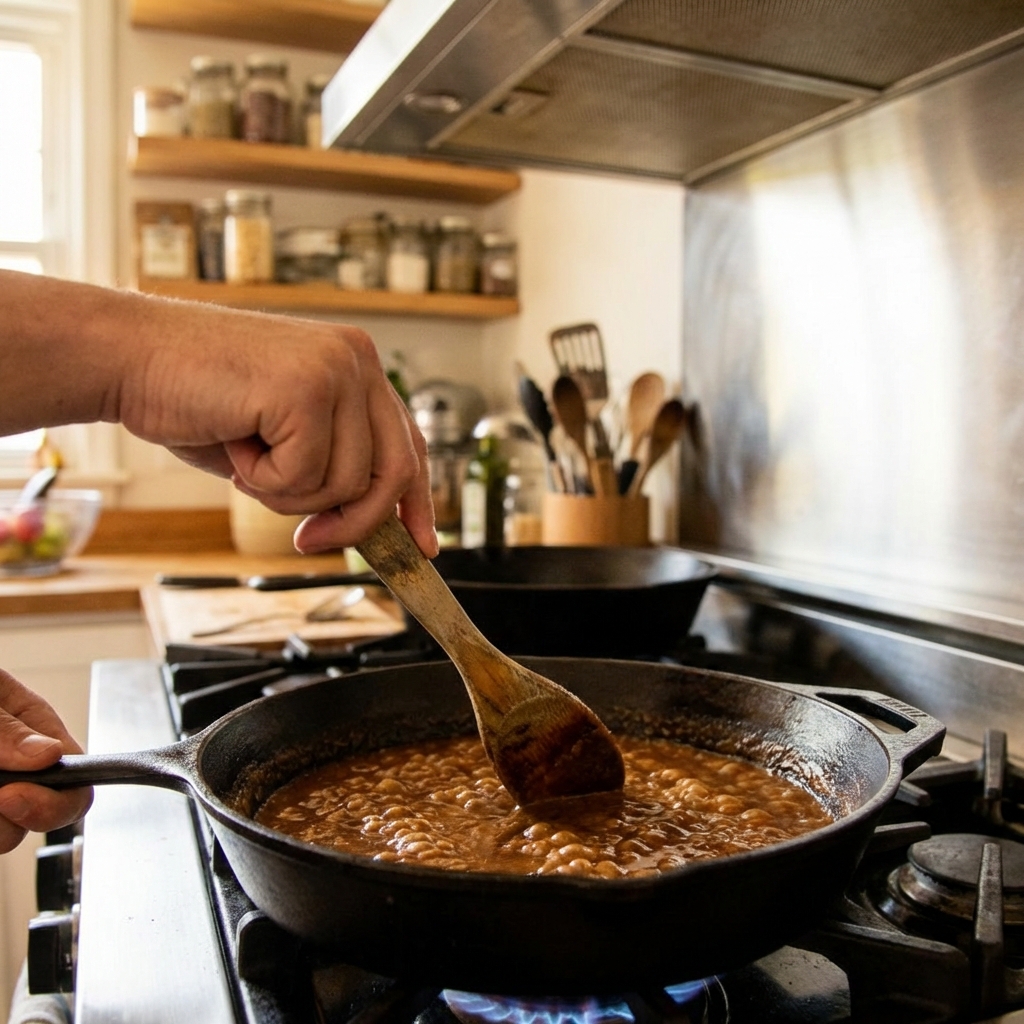
A wooden spoon stirring a deep brown roux in a cast iron skillet

Why It Works

  • Deep flavor without complicated steps: A properly browned roux does the heavy lifting and makes the sauce taste like it simmered all day.
  • Thick, silky texture: The roux plus a gentle simmer gives you that classic etouffee body that coats the spoon.
  • Bright finish: Lemon and parsley at the end keep the whole pot from feeling heavy.
  • Flexible: Works with shrimp, crawfish (if you can get them), chicken, or even sautéed mushrooms for a meatless vibe.

Pairs Well With

Storage Tips

How to Store Leftovers

  • Refrigerator: Cool etouffee quickly, then store in an airtight container for up to 3 days. (If your shrimp are very fresh, day 2 is peak.) Do not leave seafood sitting out at room temp.
  • Freezer: For best texture, freeze the sauce without shrimp for up to 3 months. Add fresh shrimp when reheating. If you do freeze it with shrimp, it will still be tasty, just a little more springy.
  • Reheating: Warm gently in a saucepan over medium-low heat, stirring often, until hot and steaming throughout. Add a splash of stock or water if it thickens too much. Avoid a hard boil so the shrimp stay tender.
  • Rice tip: Store rice separately so it does not soak up all that glorious sauce.

Common Questions

FAQ

What is the difference between gumbo and etouffee?

Gumbo is usually soupier and can be thickened with roux alone or with okra and/or filé powder, depending on the style. It also tends to have a wider mix of proteins. Etouffee is thicker, more like a rich stew, and it is built to be spooned over rice.

How dark should I cook the roux?

Traditionally, many shrimp and crawfish etouffees lean lighter, anywhere from blonde to peanut butter. I like a deeper roux here for a rustic, toasty base, so aim for deep peanut butter to milk chocolate. Darker is bolder but easier to burn. If you smell sharp bitterness or see black specks, start over. I know. It hurts. But it is faster than trying to "fix" a burned roux.

Can I use frozen shrimp?

Yes. Thaw in the fridge overnight, or quick-thaw in a bowl of cold water. Pat dry before cooking so you do not water down the sauce. Previously frozen shrimp are totally fine here and often fresher than "fresh" shrimp at the case.

Is etouffee spicy?

It can be. This recipe is medium heat. If you want it mild, cut the cayenne in half and use a mild Cajun seasoning. If you want it hot, add extra cayenne or a few dashes of hot sauce at the end.

Can I make it ahead?

Absolutely. Make the sauce up to 2 days ahead, then reheat and add shrimp right at the end. The flavor gets even better after a rest.

The first time I made etouffee on my own, I treated the roux like it was a campfire. I stepped away for "just a second" and came back to something that smelled like regret. Now I do it the right way: I park myself at the stove, stir like it is my job, and let the kitchen fill up with that nutty, toasted aroma that tells you dinner is about to be serious.

This rustic version is the one I make when I want comfort that still has some edge. It is not fussy, it forgives substitutions, and it always gets that quiet moment at the table where everyone stops talking because the sauce is doing the talking.