Mom's Best Recipes
Recipe

Rustic Tuna Steak Recipe

Crisp-edged tuna steaks, a nutty brown butter caper sauce, and lemony greens. Decadent, indulgent, and still totally weeknight-doable.

Author By Matt Campbell
4.8

If you want a dinner that feels like it should come with a candle and a linen napkin, but you also want to be done before your playlist gets to the sad acoustic songs, this is it. These rustic tuna steaks are all about contrast: a hard, confident sear on the outside, a tender center, and a sauce that tastes like you did something borderline irresponsible with butter (you did, and it is beautiful).

We are keeping the ingredient list friendly, the steps super clear, and the vibe just chaotic enough to be fun. The trick is treating tuna like the fancy steak it is: hot pan, short cook, rest, then sauce. And yes, we are tasting as we go. That is not optional.
Why It Works

  • Big flavor, minimal fuss: A fast sear builds a crisp crust while keeping the center juicy and silky.
  • Decadent sauce without cream: Brown butter turns nutty and rich, capers bring briny punch, and lemon keeps it bright.
  • Rustic and flexible: Works with a simple salad, mashed potatoes, or whatever cozy carb you have on standby.
  • Restaurant energy at home: The whole thing looks impressive, but it is basically hot pan plus good seasoning.

Pairs Well With

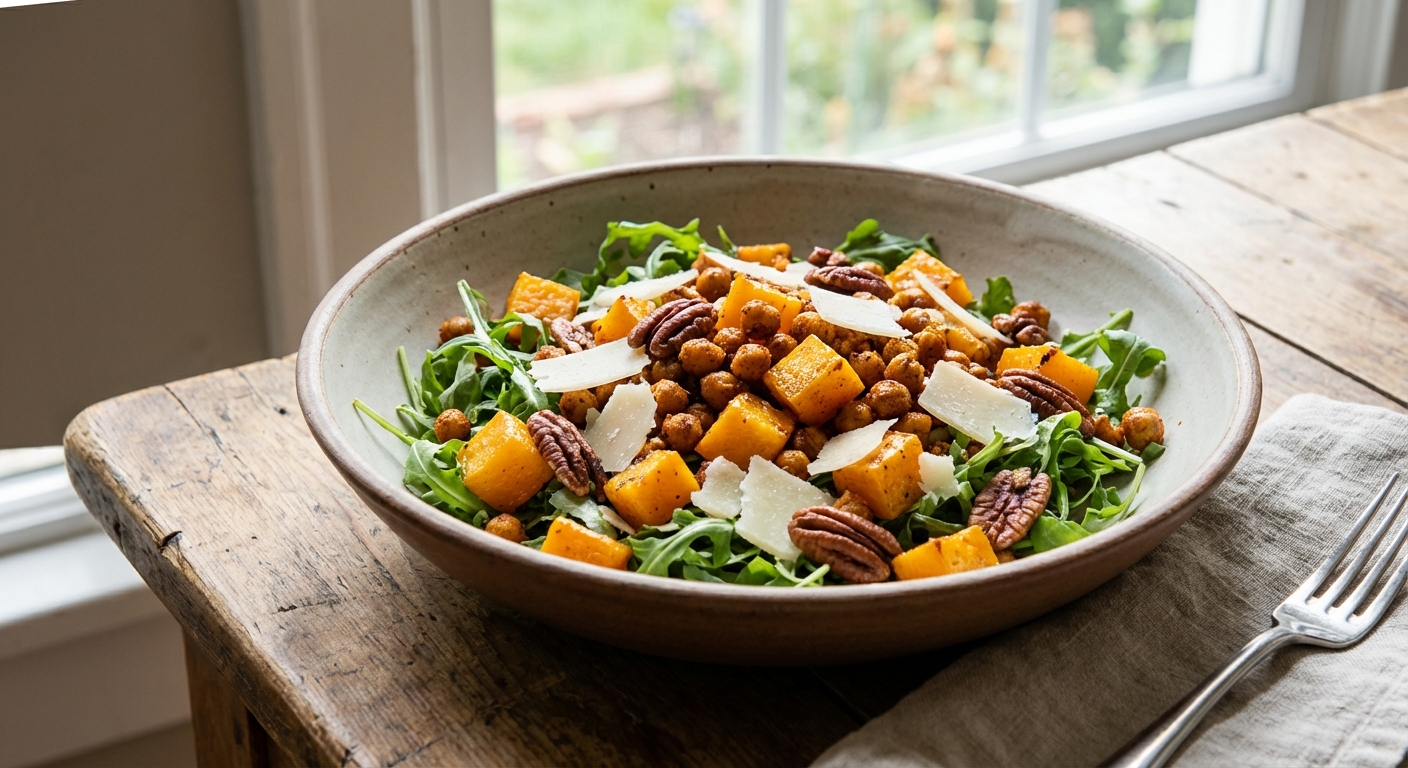
  • Lemony Arugula Salad

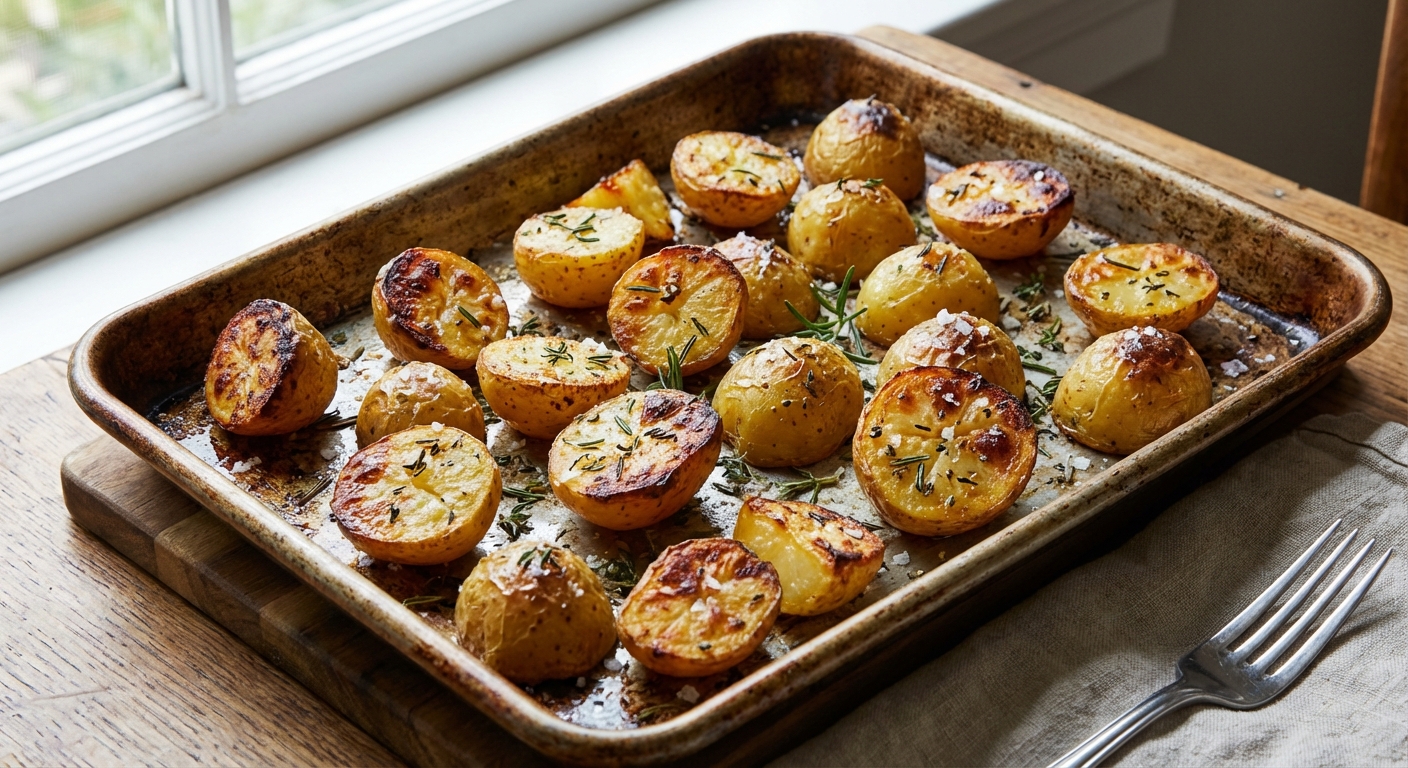
  • Rosemary Roasted Potatoes

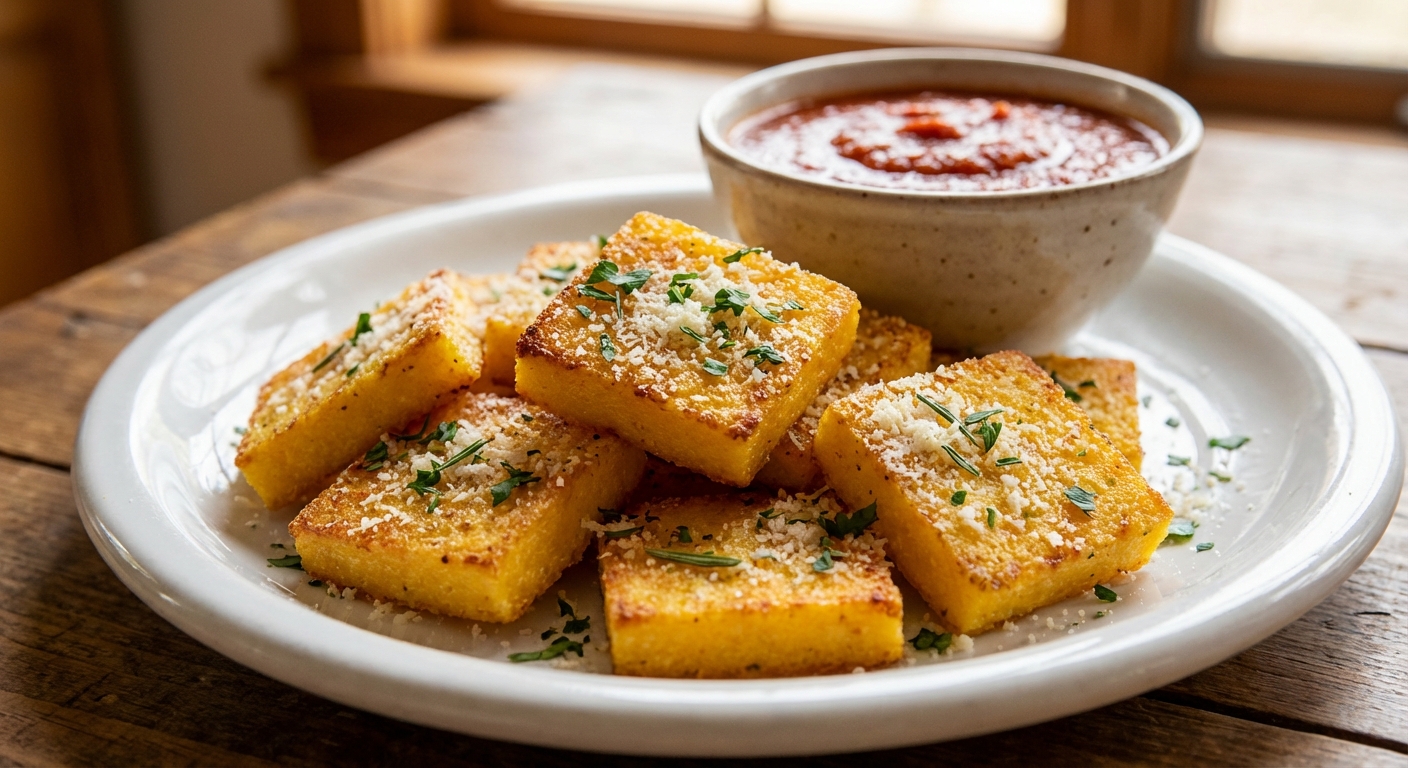
  • Creamy Polenta

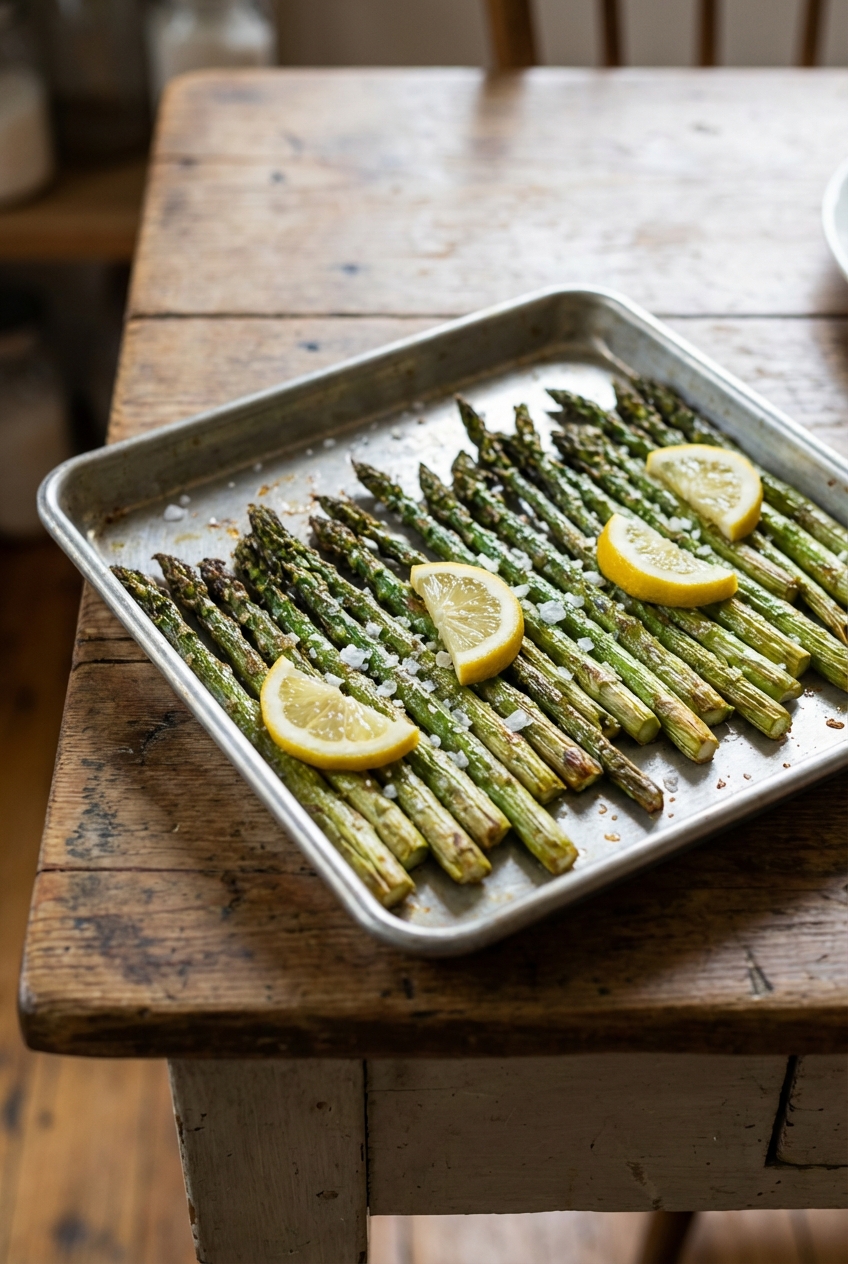
  • Charred Asparagus

Storage Tips

Tuna steaks are at their best right after cooking, but leftovers can still be great if you treat them gently.

How to store

  • Cool fast: Let tuna cool for about 15 to 20 minutes, then refrigerate.
  • Refrigerate: Store in an airtight container for up to 2 days.
  • Sauce: Keep the brown butter caper sauce separate if possible. It will solidify in the fridge, which is normal.

How to reheat (without overcooking)

  • Best move: Eat it cold or room temp, sliced over salad with extra lemon and olive oil.
  • Gentle reheat: Warm slices in a covered skillet on low heat just until barely heated through.
  • Sauce reheat: Warm the sauce in a small pan over low, stirring, until melted. If it looks too intense, add a teaspoon of water and whisk.

Freezing

I do not recommend freezing cooked tuna steak. The texture takes a hit and gets dry and a little chalky.

Common Questions

What kind of tuna should I buy?

Look for sushi grade or sashimi grade tuna if you want a rare center with confidence. Ask for 1 to 1 1/4-inch thick steaks. Yellowfin (ahi) is common, and bigeye is extra buttery if you can find it.

Is it safe to eat tuna rare?

Many people eat tuna rare, especially sushi grade fish handled for raw consumption. That said, food safety depends on sourcing and storage. If you are unsure, cook to medium. It will still be delicious, just a bit firmer.

How do I know when tuna is done?

For a classic seared tuna steak, aim for a browned crust with a center that is still pink. A quick guide: 1 to 2 minutes per side in a very hot pan, depending on thickness. If using a thermometer, many cooks pull it around 115 to 125°F for rare to medium-rare, then rest.

Can I grill these instead?

Yes. Oil the grates, preheat until very hot, and grill about the same timing. Make the brown butter caper sauce on the stove while the grill heats.

My pan keeps smoking. What should I do?

Use a high smoke point oil (avocado, grapeseed, or canola), pat the tuna very dry, and make sure your fan is on. If your oil is burning instantly, your heat is too high. Dial it back slightly, but keep the pan hot.

The first time I tried to “sear tuna like a steak,” I got cocky. I left it in the pan too long, because I was chasing that perfect crust, and I ended up with tuna that tasted like it had been grounded for misbehaving. The fix was simple: hotter pan, shorter cook, and a sauce that brings the luxury even if you do not nail it perfectly. Now this is my go-to when I want dinner to feel a little fancy without turning the kitchen into a full-time job.