Mom's Best Recipes
Recipe

Rustic Ice Cream

A decadent, old-school vanilla bean ice cream with caramelized honey notes, crisp salt, and a custardy texture that scoops like a dream.

Author By Matt Campbell
4.8
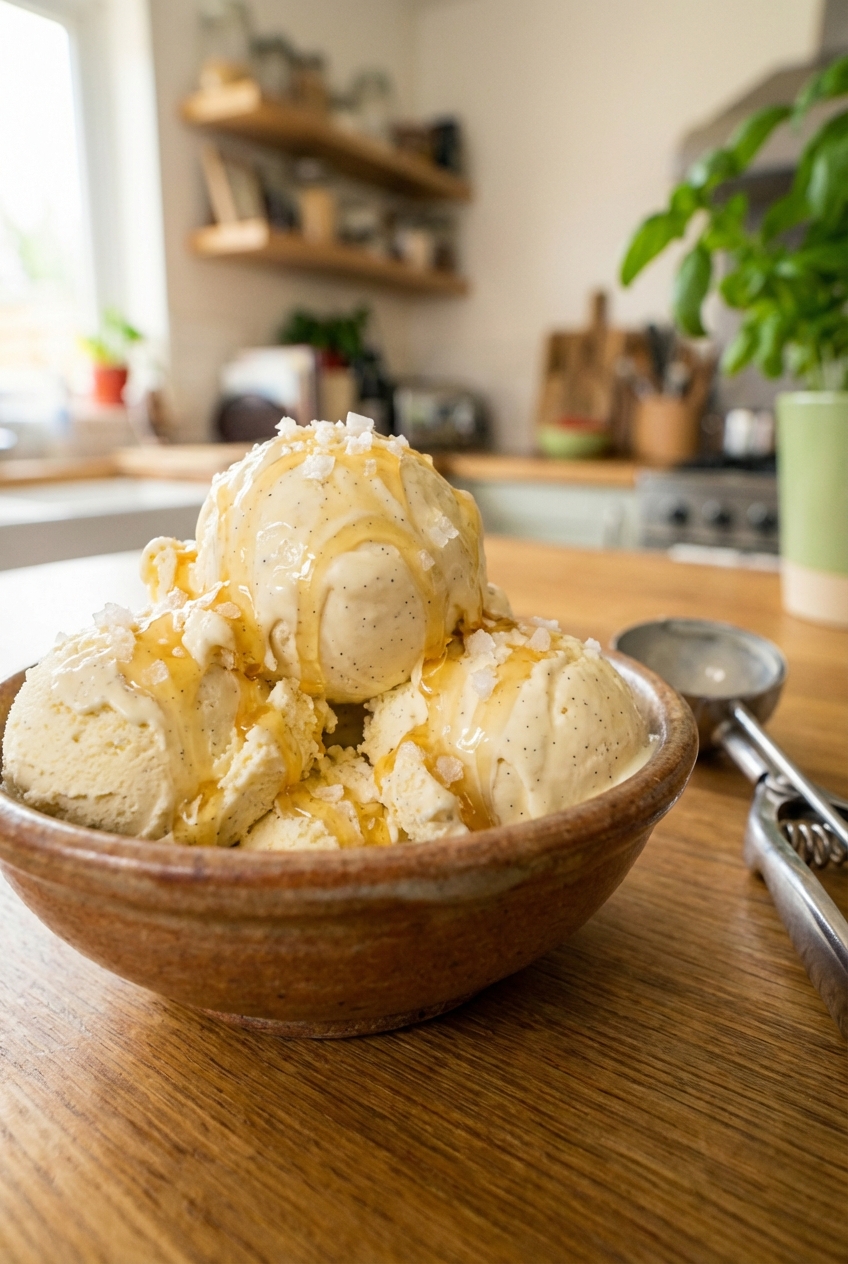
A real photograph of a ceramic bowl filled with creamy vanilla bean ice cream with visible specks, topped with flaky salt and honey, sitting on a wooden table with a metal scoop nearby

There is something about rustic ice cream that hits different. It is not trying to be neon blue or stacked into a mile-high sundae situation. It is just cold, creamy, unapologetically rich, and made with ingredients you can pronounce without squinting.

This recipe leans into that old-fashioned vibe with a classic French-style custard, real vanilla bean flavor, and a small trick that makes it taste indulgent: we caramelize a bit of the sugar with honey to add toasted, almost butterscotch depth. The result is sweet, balanced, and the kind of ice cream that makes you pause mid-bite like, “Okay, wow.”

Heads up: you will need an ice cream maker for this one. The upside is that once you nail the base, you can spin it into anything you want. Keep it plain and perfect, or go full chaos with mix-ins.

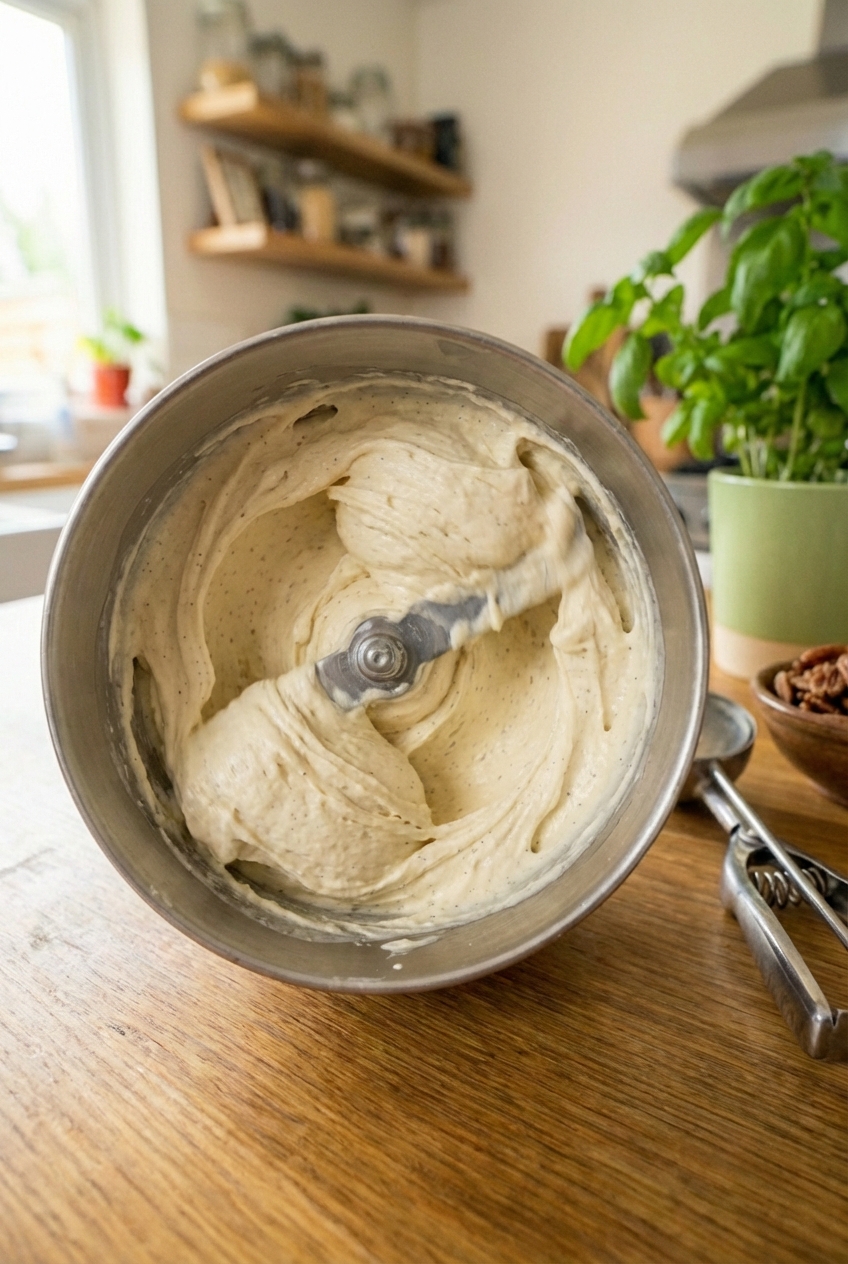
A real photograph of a saucepan with pale yellow custard base being whisked on a stovetop, with a wooden spoon and a small bowl of egg yolks nearby

Why It Works

  • Custardy, scoopable texture: Egg yolks give you that plush, premium mouthfeel without needing weird stabilizers.
  • Deeper flavor than basic vanilla: A quick honey-sugar caramel step adds a warm, rustic sweetness that tastes like you tried harder than you did.
  • Not-too-sweet balance: Salt and real vanilla keep everything sharp and grown-up.
  • Low drama method: If you can whisk and use a thermometer, you can absolutely make this.

Pairs Well With

Storage Tips

How to Store It

  • Freeze in a shallow container: A metal loaf pan works great. More surface area means faster freezing and smaller ice crystals.
  • Press parchment on top: Lay parchment paper directly on the ice cream before you put the lid on. This reduces icy buildup.
  • Let it temper: Homemade ice cream freezes firmer than store-bought. Let it sit on the counter for 5 to 10 minutes before scooping.
  • Best window: It is fantastic for 1 week. Still good up to 2 weeks, but flavor and texture start to dull a little.

Common Questions

Common Questions

Why is it called rustic ice cream?

For me, “rustic” means simple ingredients, a classic custard technique, and flavor that tastes like it came from a cozy kitchen, not a factory. It is rich, a little old-school, and not overly fussy.

Do I really need an ice cream maker?

For this custard-style base, yes, if you want the classic creamy texture. Without churning, it will freeze more like a solid block. If you do not have a machine, you are better off making a no-churn recipe built for that method.

How do I know the custard is done?

You have two options: temperature or spoon test. Pull it from the heat at 170 to 175°F. It should coat the back of a spoon, and when you run a finger through it, the line should hold.

My custard looks a little lumpy. Did I ruin it?

Probably not. Immediately strain it through a fine-mesh sieve. Next time, lower the heat and keep whisking, especially around the edges of the pot where eggs like to overcook.

Can I add mix-ins?

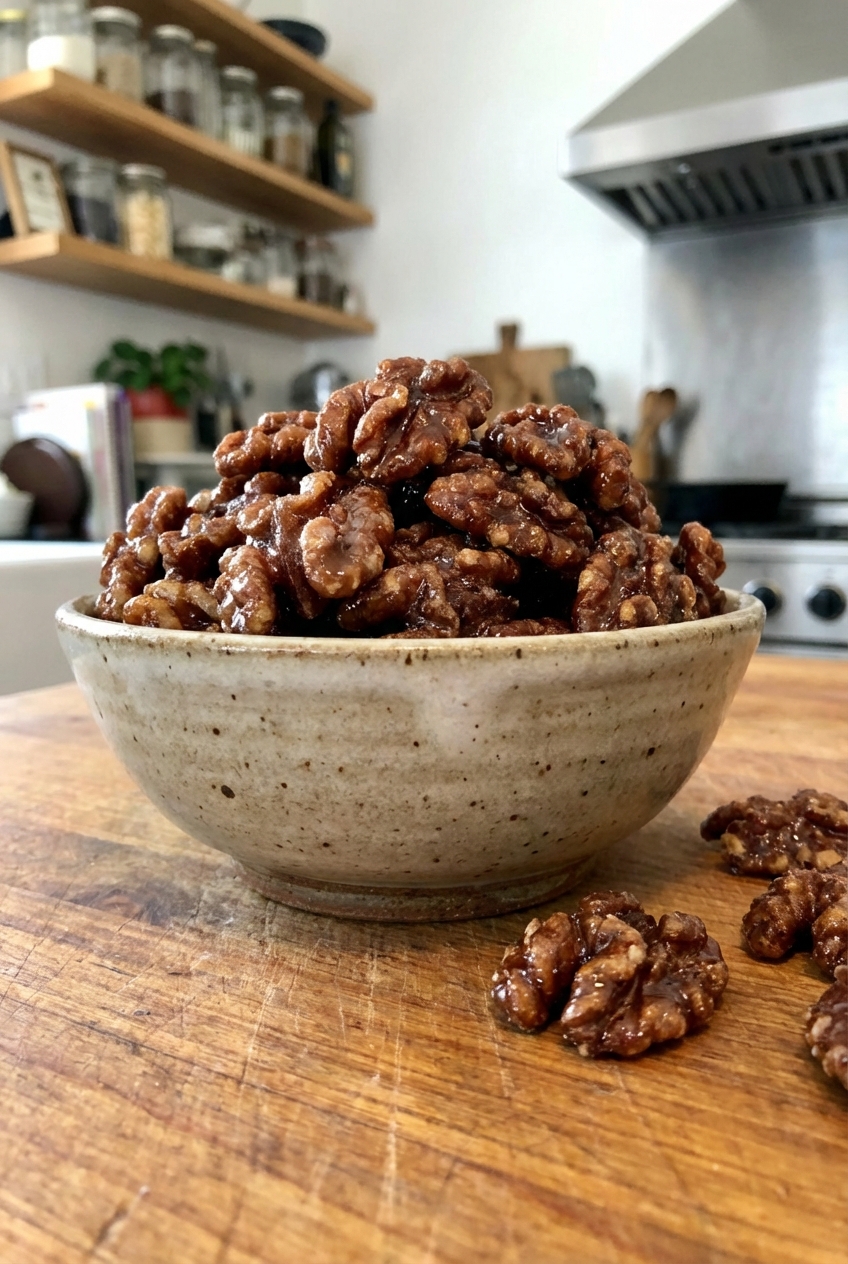
Absolutely. Add them in the last minute of churning, or fold them in after churning. Keep mix-ins cold and not too wet so they do not ice up the base. Think crushed cookies, toasted nuts, chopped chocolate, or a thick jam swirl.

Can I make it without honey?

Yes. Swap the honey for 2 tablespoons light corn syrup or 2 tablespoons extra sugar. The honey adds a rustic, caramel note, but the ice cream will still be delicious without it.

Why do I need to chill the base for so long?

Because texture. A truly cold base churns faster and freezes into smaller ice crystals, which is what gives you that smooth, scoopable finish. The waiting is the work.

I used to think homemade ice cream was reserved for people with matching kitchen canisters and unlimited patience. Then I made a custard base on a random weeknight, half out of curiosity and half because I had too many egg yolks staring me down. The first spoonful tasted like vanilla pudding that decided to become something greater.

Now it is my go-to “we deserve a treat” recipe. It is rustic in the best way: honest, rich, and forgiving. If your scoop is not perfect, great. Call it chef’s style and move on.