Mom's Best Recipes
Recipe

Safe Feeder Recipe

A clean, no-drama hummingbird nectar recipe with clear safety notes, so you can attract hummingbirds without the guesswork.

Author By Matt Campbell
4.7
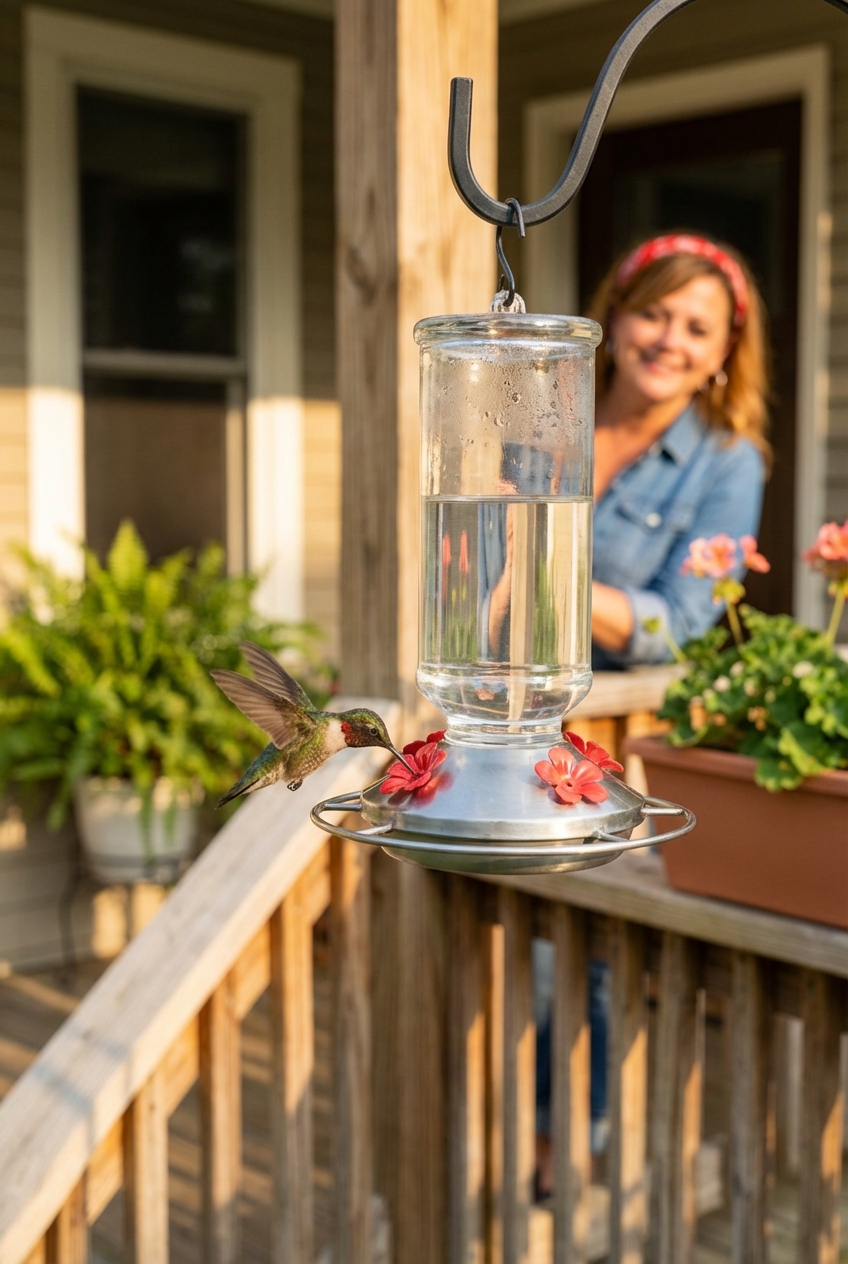
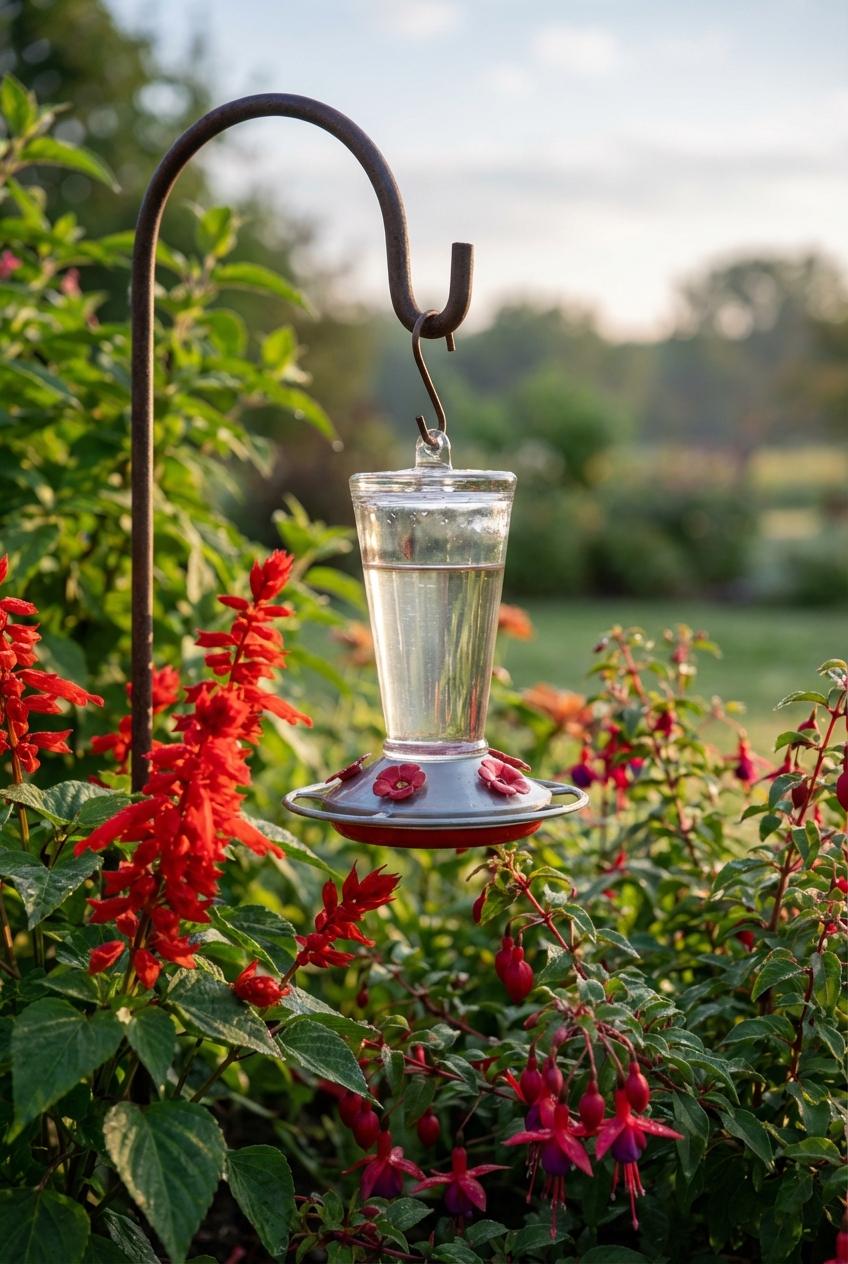
A glass hummingbird feeder hanging from a garden hook, filled with clear nectar and surrounded by red flowers in soft morning light

If you are here for a hummingbird feeder recipe with a little attitude, I get it. We want the tiny aerial acrobats to show up, stick around, and maybe bring friends. But we also want to do it safely, because hummingbirds are not a place to freelance.

Here’s the deal in plain kitchen language. The only proven, widely recommended hummingbird nectar is a simple sugar and water mix. No honey. No brown sugar. No dye. No “boosters.” The sweet part is easy. The rest is where people get creative. That is where birds can pay the price.

So this is a zero-additive recipe with built-in guardrails: the right ratio, a simple method, and the freshness routine that matters more than any extra ingredient ever will.

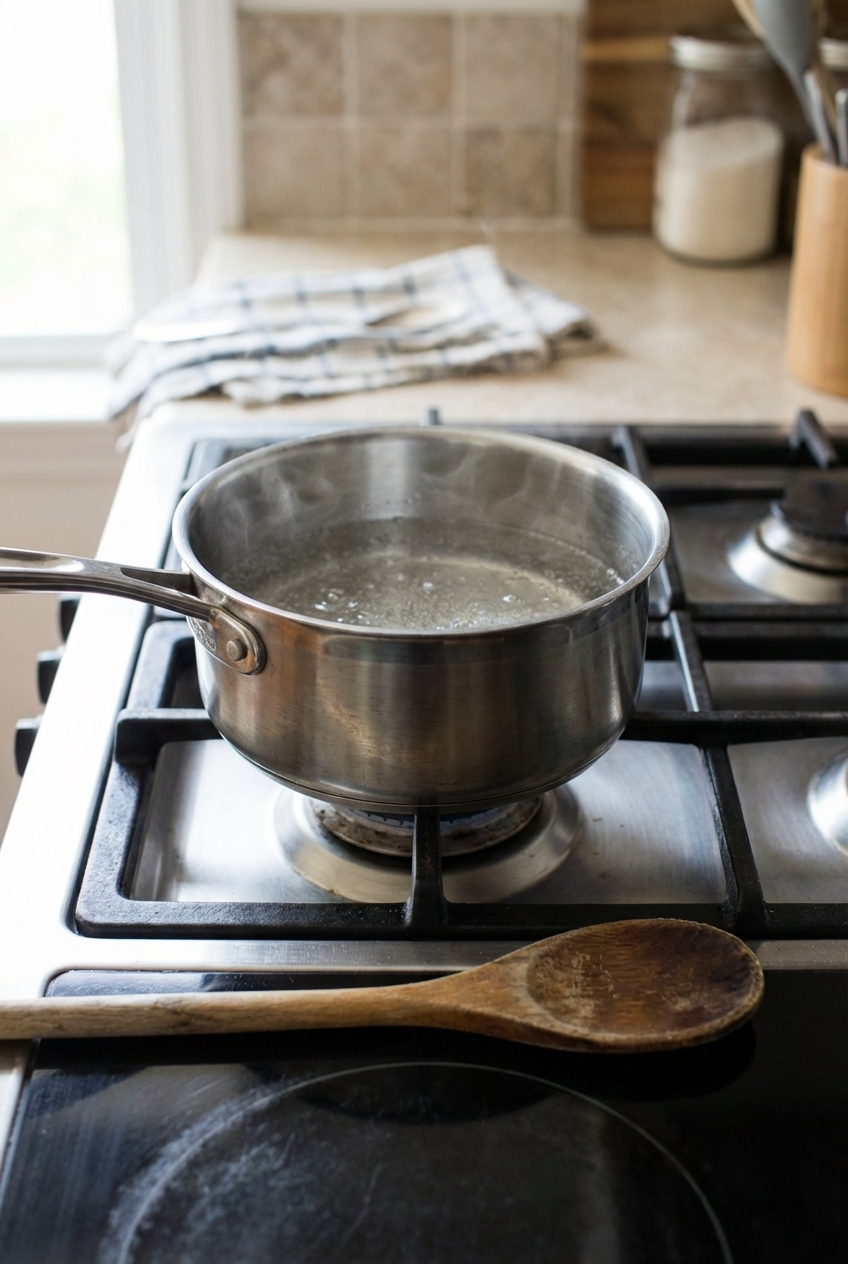
A small saucepan on a stovetop with clear sugar water just coming to a simmer, a wooden spoon resting nearby

Why It Works

  • Fast to make, easy to scale: One batch fills most feeders and keeps your kitchen time under 10 minutes.
  • Bird-safe base: Uses the standard 1 to 4 sugar to water ratio commonly recommended to mimic natural nectar concentration.
  • No additives, no confusion: A straight, authority-friendly recipe that keeps the focus on safety.
  • Cleaner feeding setup: Includes cooling and storage steps to reduce fermentation and gunk that can harm birds.

Pairs Well With

Storage Tips

Storage Tips

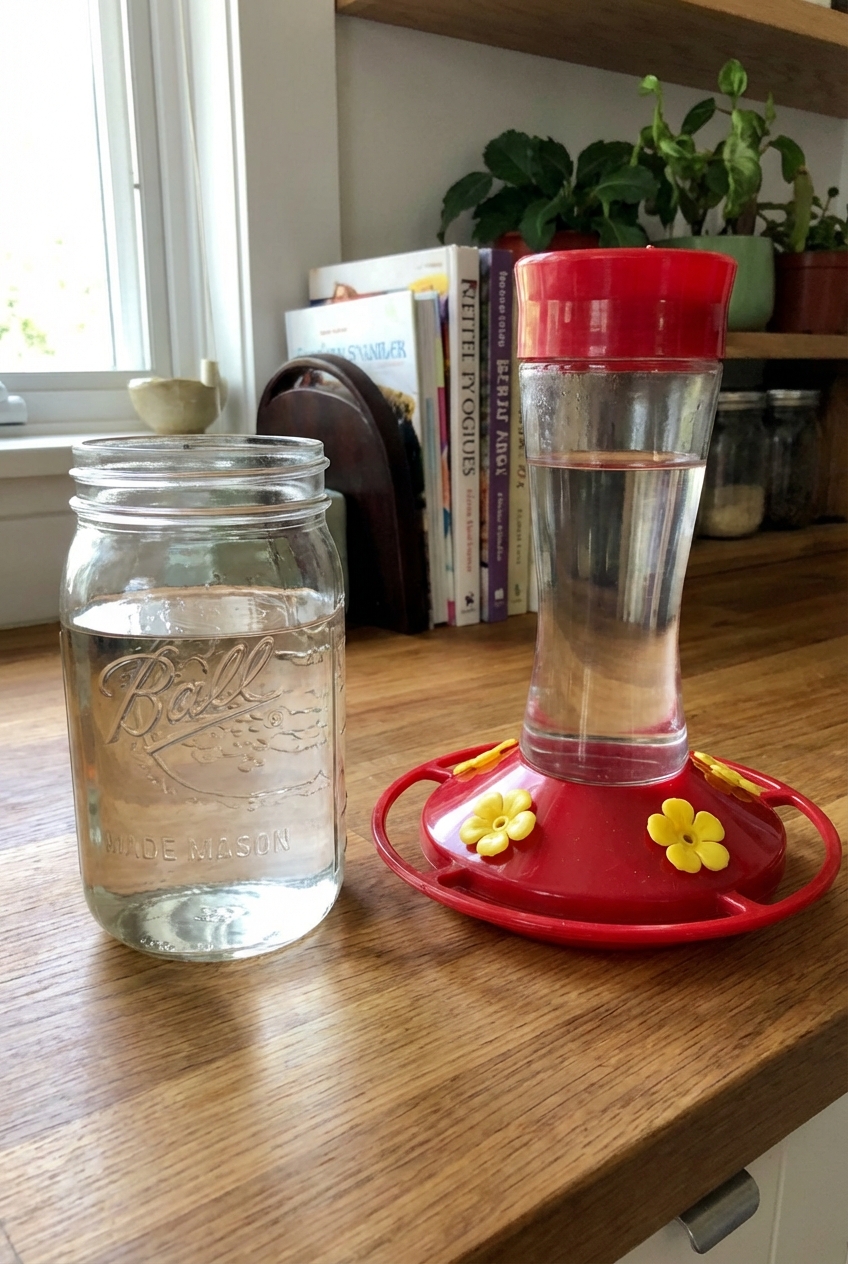
Refrigerate extra nectar right away. Pour cooled nectar into a clean jar with a lid and store in the fridge for up to 5 days. For best results, aim for 3 to 5 days, and toss it sooner if anything looks or smells off.

Do not top off old nectar. Empty the feeder, wash it, then refill. Topping off turns your feeder into a mystery soup faster than you think.

Feeder change schedule:

  • Hot weather (80°F and up): change every 1 to 2 days. If it is very hot, humid, or the feeder is in direct sun, change it daily.
  • Mild weather (60 to 79°F): change every 2 to 3 days.
  • Cool weather (below 60°F): change every 3 to 5 days.

Signs it is time to dump it: cloudiness, strings, bubbles, a sour smell, or dark specks. When in doubt, pour it out.

Common Questions

Common Questions

Is it safe to make “spicy” hummingbird nectar?

No. In hummingbird-feeder talk, “spicy nectar” usually means additives like pepper or other ingredients meant to deter insects. That is not recommended. Stick to plain white sugar and water only.

Can I add ginger, cinnamon, vanilla, or anything “natural”?

No. Even “harmless” add-ins can change the mix, introduce contaminants, or create a cleaner’s nightmare inside the feeder. Organizations and birding experts commonly recommend no additives. If you want more hummingbirds, focus on feeder cleanliness, fresh nectar, and habitat.

Can I use honey, maple syrup, coconut sugar, or brown sugar?

No. Use plain white granulated sugar. Honey can ferment quickly and may grow harmful microbes. Brown sugars and raw sugars contain minerals that are not recommended for hummingbird nectar.

Do I need to boil the nectar?

No. Boiling is not required. Heating helps the sugar dissolve quickly. If you do heat it, a brief simmer is plenty. The important part is cooling completely before filling the feeder.

Should I add red food coloring?

No. Skip dye. Use a feeder with red parts or place red flowers nearby. Color belongs on the outside of the feeder, not in the nectar.

What if hummingbirds stop visiting after I switch recipes?

Go back to the standard 1 to 4 sugar water. Also check placement and cleanliness. A dirty feeder is a deal breaker. And while deep shade can make a feeder harder to spot, full sun warms nectar fast and speeds spoilage. Bright shade or morning sun is often a good compromise.

Can I make the nectar stronger or weaker?

Stick with 1 part sugar to 4 parts water. That is the standard ratio recommended by major birding and wildlife organizations. If you want to tweak something, tweak your routine, not the recipe.

How do I scale the recipe up or down?

Keep the same 1 to 4 ratio. Examples: 1/4 cup sugar + 1 cup water, or 1 cup sugar + 4 cups water.

I love a good kitchen experiment, but hummingbirds keep me honest. The first time I hung a feeder, I treated it like a science fair project. Then I realized the best “recipe” is really a routine: clean feeder, fresh nectar, and a spot where the birds feel safe. Once I committed to that, the yard got busy. That is the whole vibe here: a little fun, zero drama, and always bird first.