Mom's Best Recipes
Recipe

Salmon Pasta

Creamy, lemony salmon pasta with garlic and spinach for a fast, family-friendly dinner.

Author By Matt Campbell
4.8
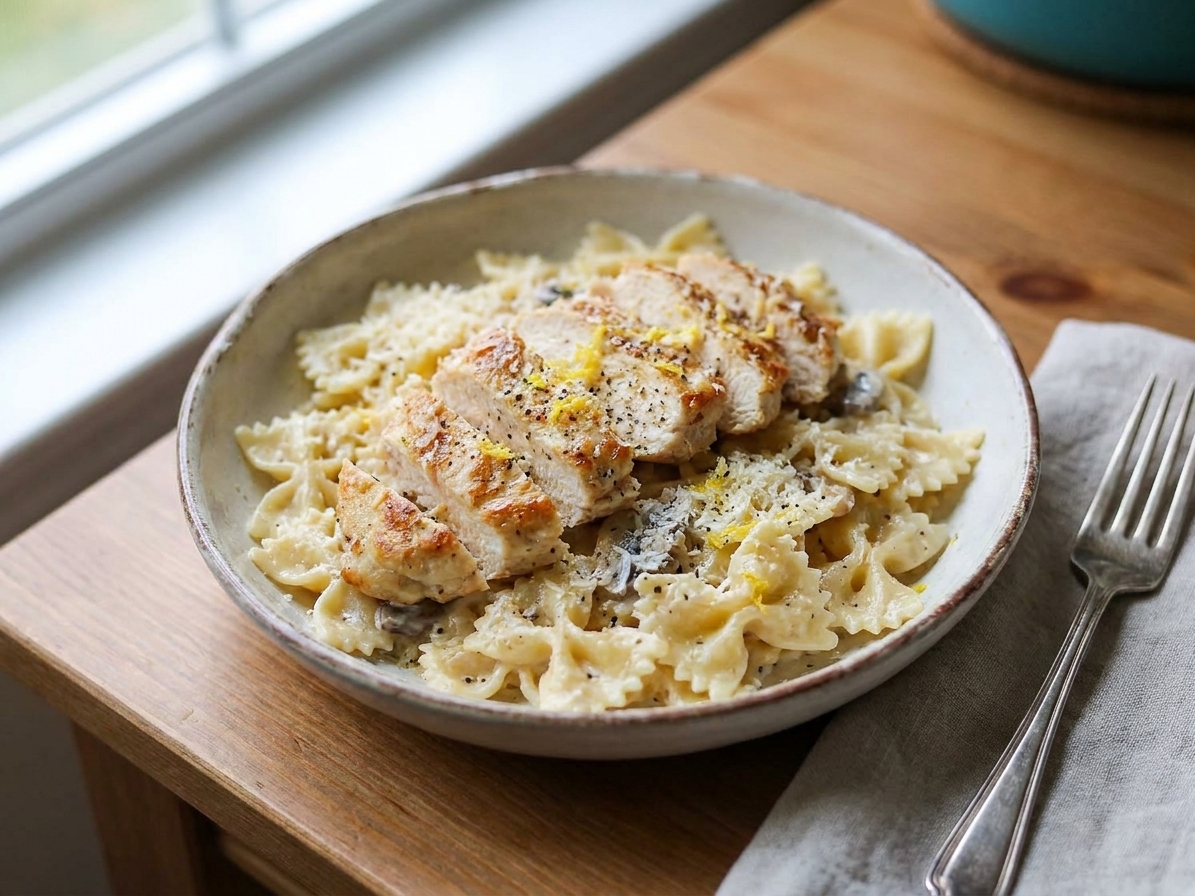
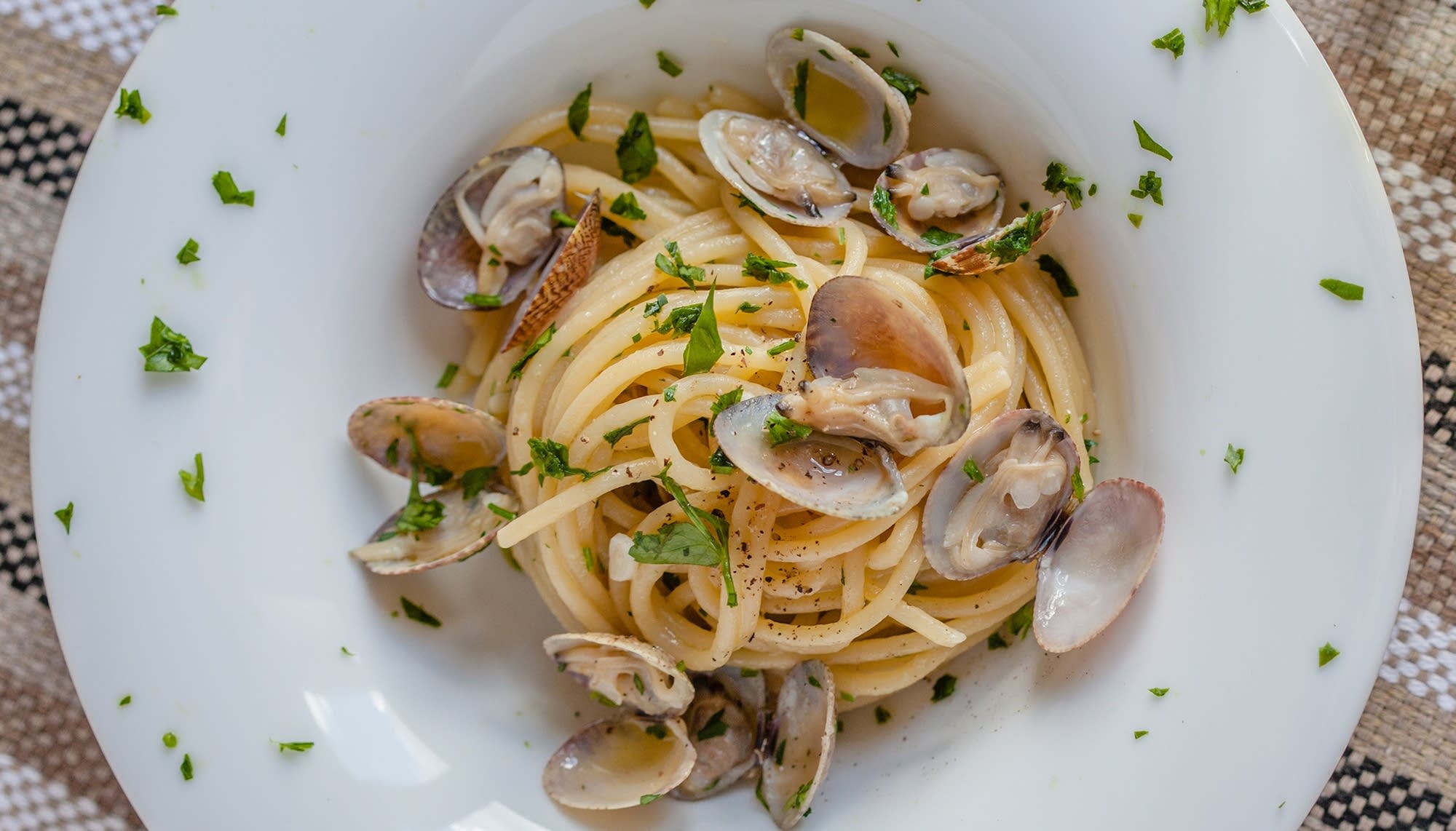
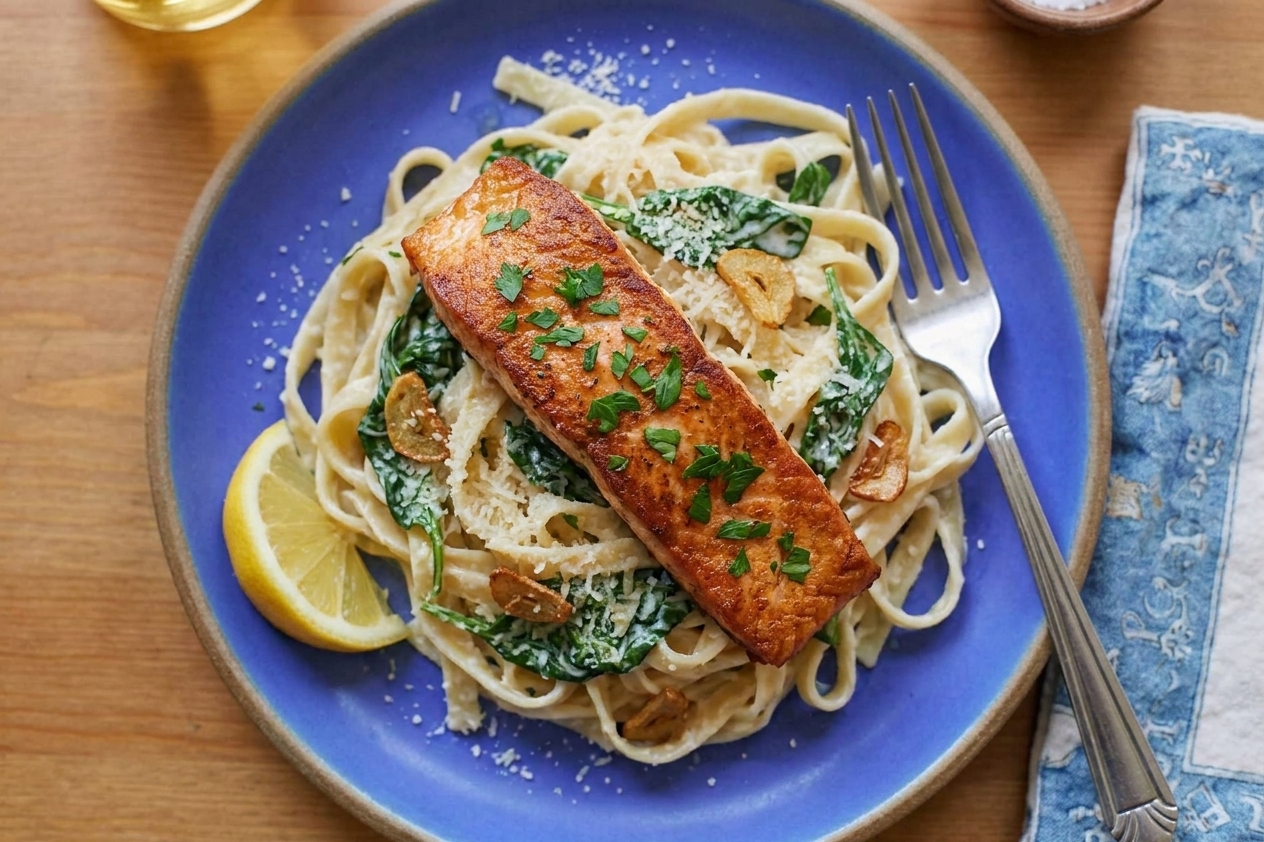
A plated bowl of creamy salmon pasta with visible flakes of salmon, wilted spinach, and lemon zest on top on a warm-toned dinner table

Salmon pasta is my kind of weeknight magic trick: it looks like you tried really hard, but it is mostly just smart timing and a sauce that knows what it is doing. You get tender flakes of salmon, a creamy garlic-lemon finish, and pasta that clings to every last drop. It is cozy, bright, and just fancy enough to make a random Tuesday feel like a win.

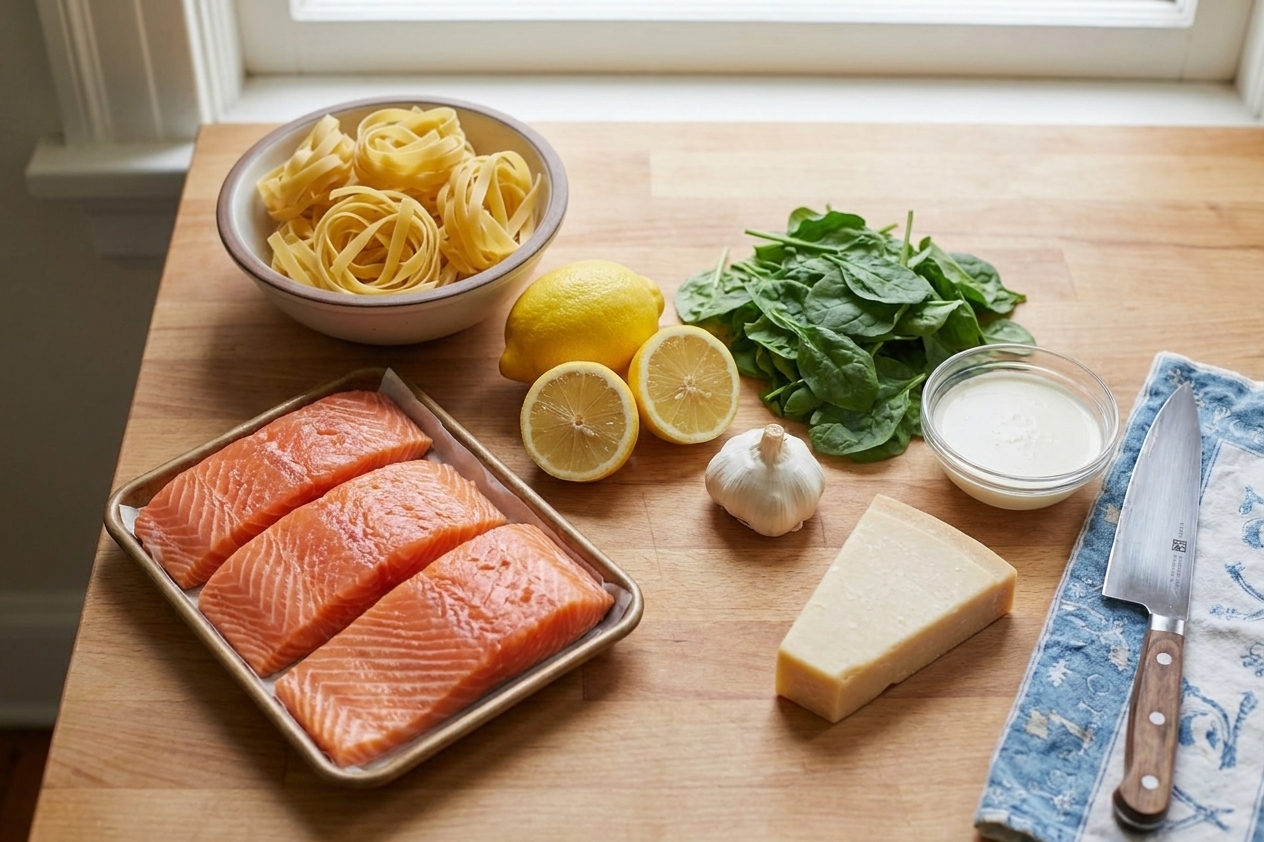
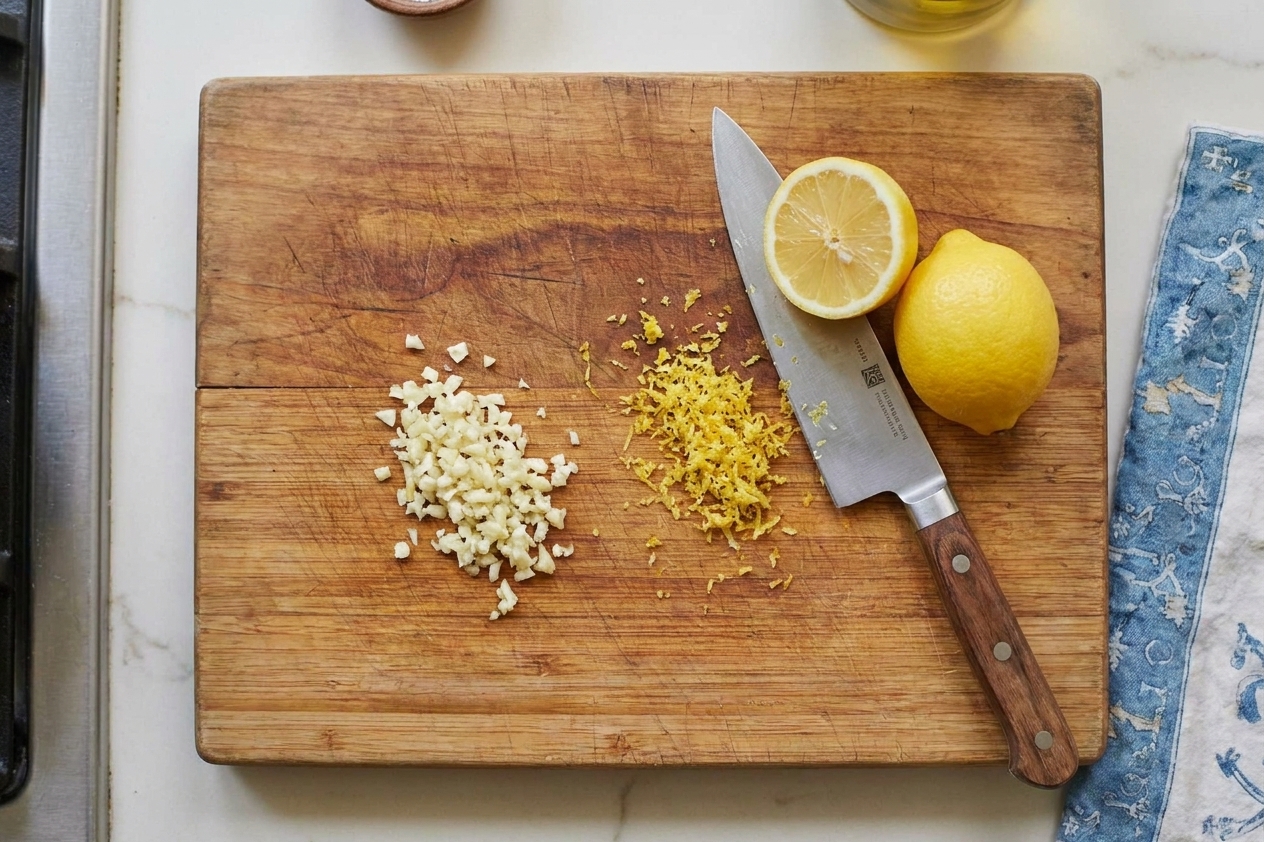
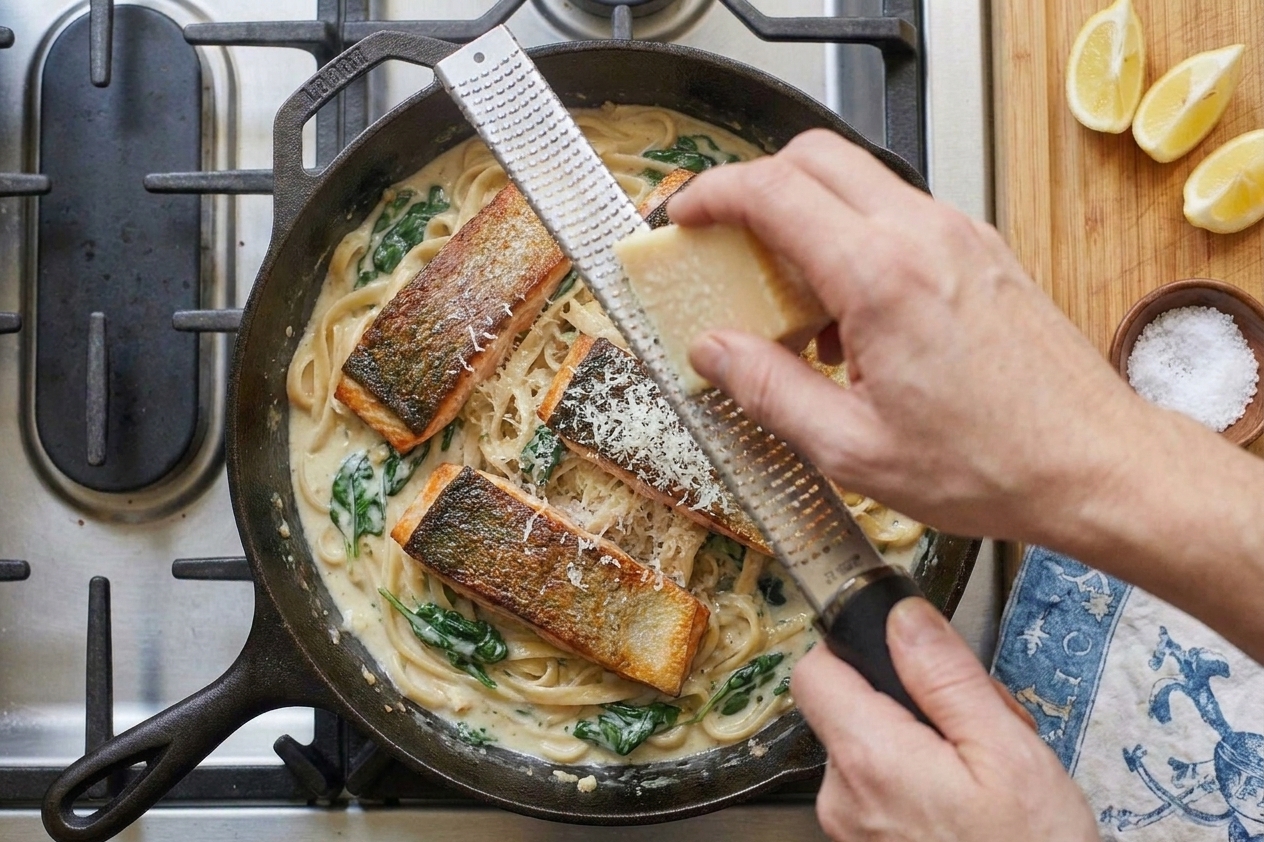
Raw salmon fillets, dried pasta, lemon, garlic, spinach, parmesan, and a small bowl of cream arranged on a clean kitchen counter under soft natural light

Why It Works

  • Fast but satisfying: The sauce comes together while the pasta cooks, so dinner lands on the table in about 30 minutes.
  • Big flavor with simple ingredients: Garlic, lemon, and Parmesan do the heavy lifting, and the salmon brings that rich, savory finish.
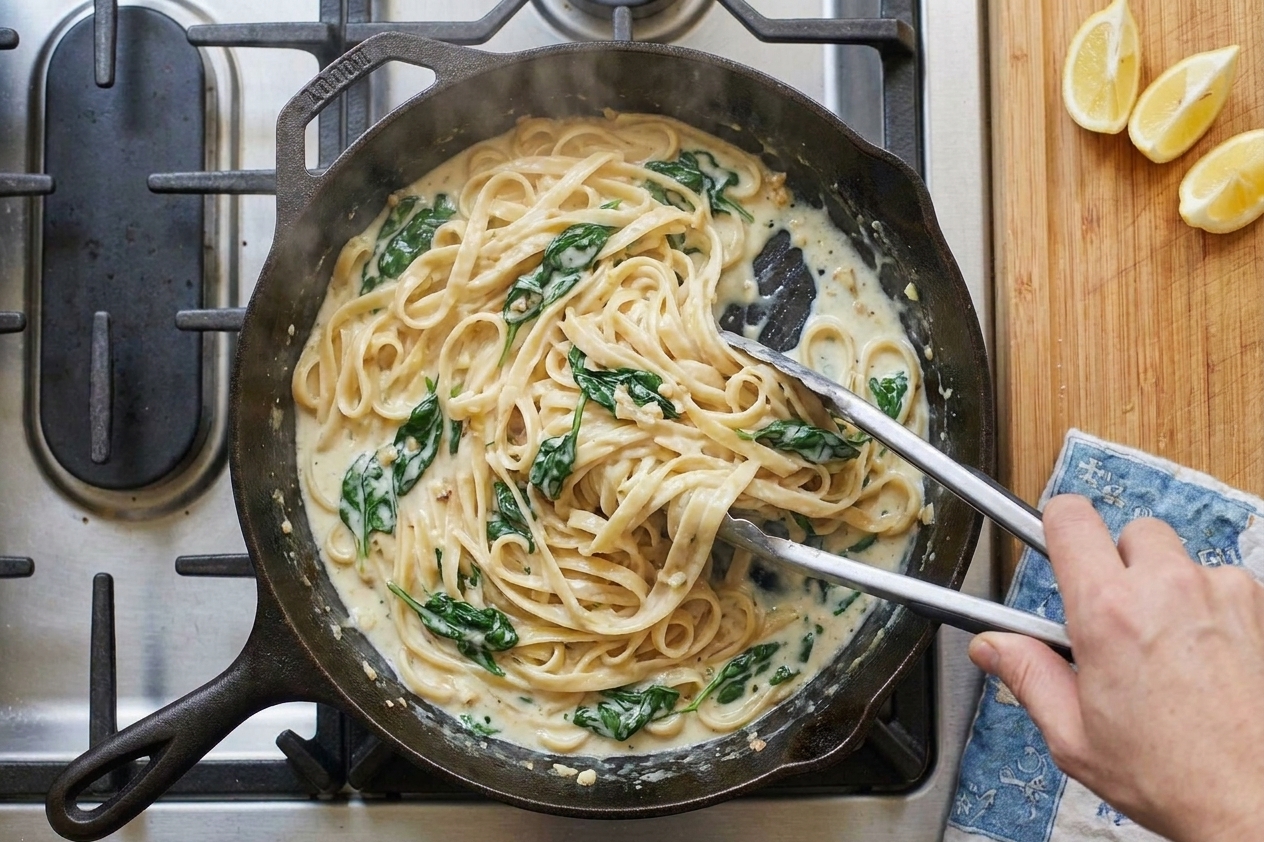
  • Silky sauce that actually sticks: Pasta water plus a quick simmer gives you a creamy texture without being heavy or bland.
  • Flexible: Use fresh salmon, leftover cooked salmon, or even thawed frozen fillets.

Pairs Well With

Storage Tips

Refrigerate: Store leftovers in an airtight container for 2 to 3 days.

Reheat gently: Warm in a skillet over medium-low with a splash of water, milk, or broth. Stir often and stop as soon as it is hot. Overheating can make salmon dry and the sauce oily.

Freezing: Cream sauces can separate after freezing, so I do not recommend it. If you must, freeze up to 1 month and reheat slowly while stirring in a little extra cream or milk to bring it back.

Common Questions

Can I use canned salmon?

Yes. Drain it well and fold it in at the very end so it stays chunky. The flavor is a little stronger than fresh, so I like extra lemon zest to brighten it up.

Can I make salmon pasta without heavy cream?

Absolutely. Swap the heavy cream for 3/4 cup half-and-half or whole milk, or use reserved pasta water plus a little extra Parmesan for a lighter sauce. Keep the heat gentle so it stays smooth.

If you need it dairy-free, use full-fat coconut milk (it will be subtly sweet) and skip the Parmesan or use a dairy-free alternative.

What pasta shape works best?

Long noodles like fettuccine or linguine feel classic here, but short shapes like penne or rigatoni are great for kids and meal prep. Use what you have.

How do I know the salmon is cooked?

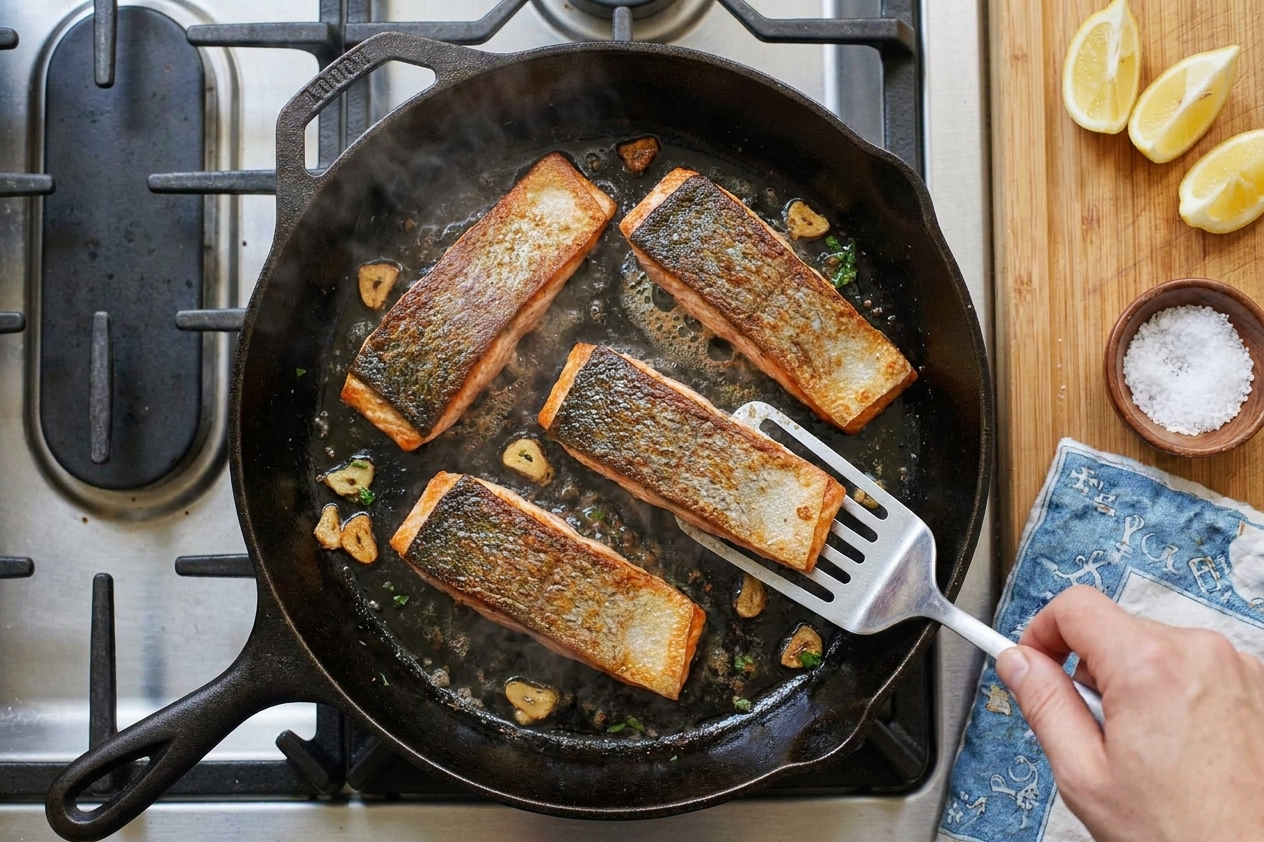
It should flake easily with a fork and look opaque. If you have a thermometer, 125 to 130 F gives you a juicy, restaurant-style medium. For well-done or to follow common food-safety guidance, cook to 145 F.

Can I use leftover cooked salmon?

Yes, and it is honestly one of the best uses for it. Skip the searing step and just warm the salmon gently in the finished sauce for 30 to 60 seconds.

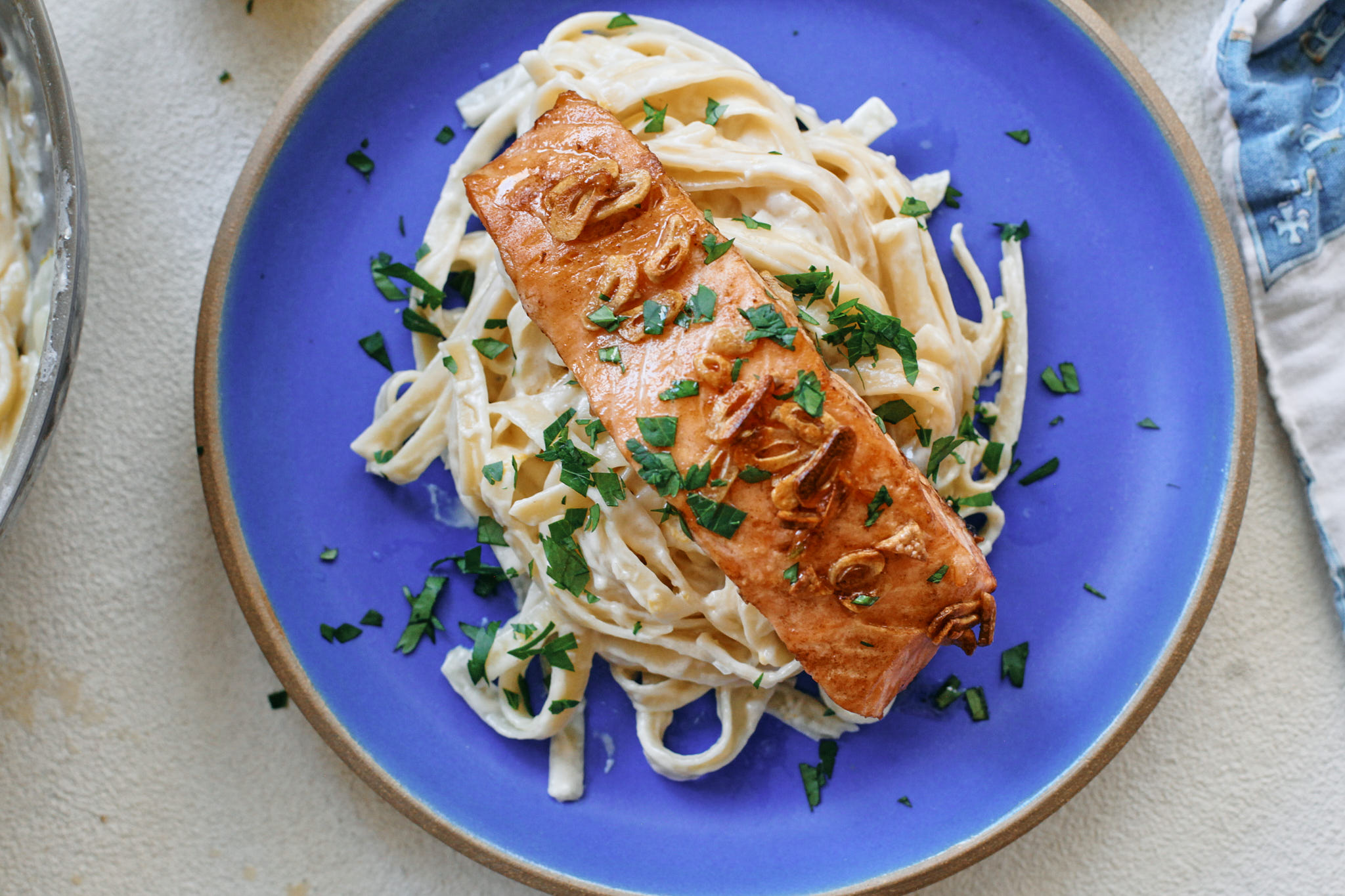
This is the dinner I make when I want something that tastes like a restaurant bowl but still feels like me cooking at home, barefoot, music on, tasting the sauce like it owes me money. The first time I made salmon pasta, I overcooked the fish and tried to hide it with extra cheese. It worked, kind of. Now I do it the smarter way: quick sear, pull it early, and let the sauce do the rest. Perfectly imperfect, but in the best way.