Mom's Best Recipes
Recipe

Sausage and Mash

Crisp sausages, creamy potatoes, and a rich onion gravy you will want to put on everything.

Author By Matt Campbell
4.8
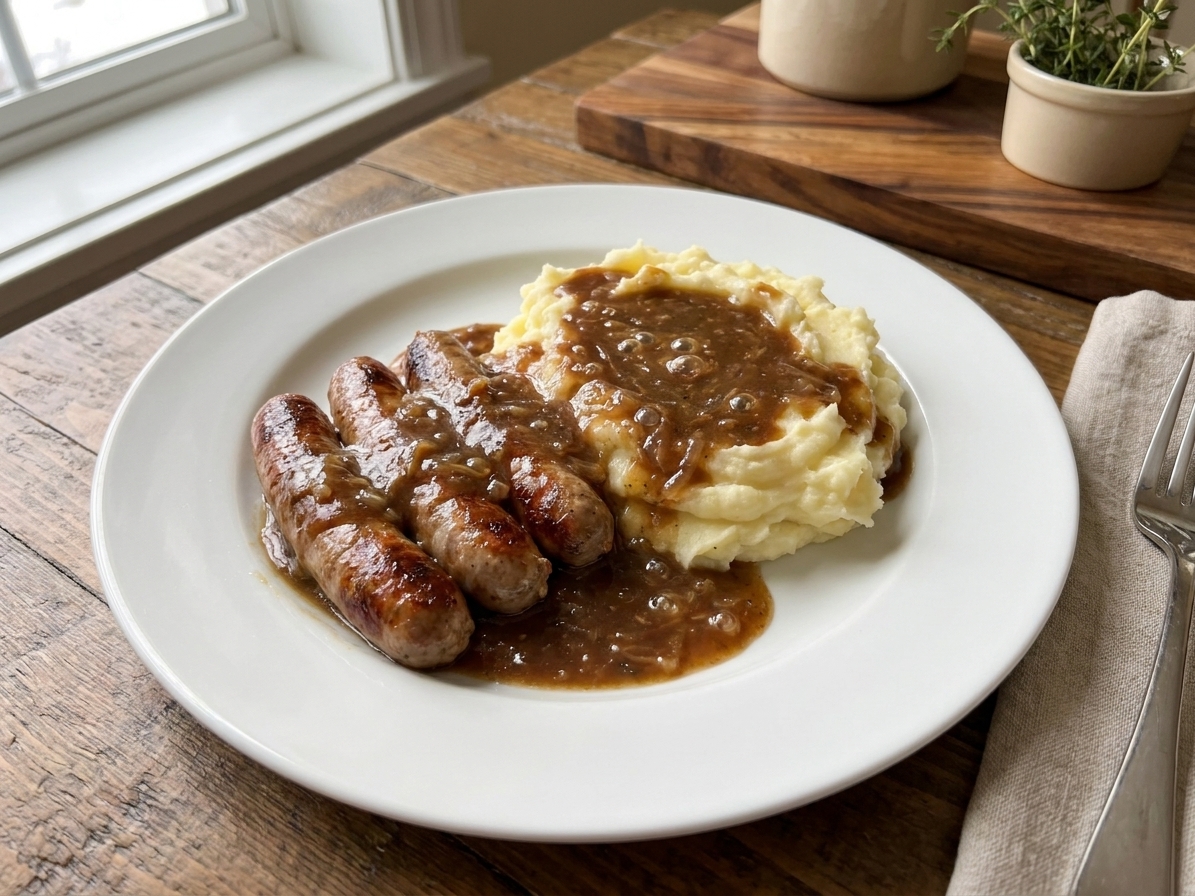
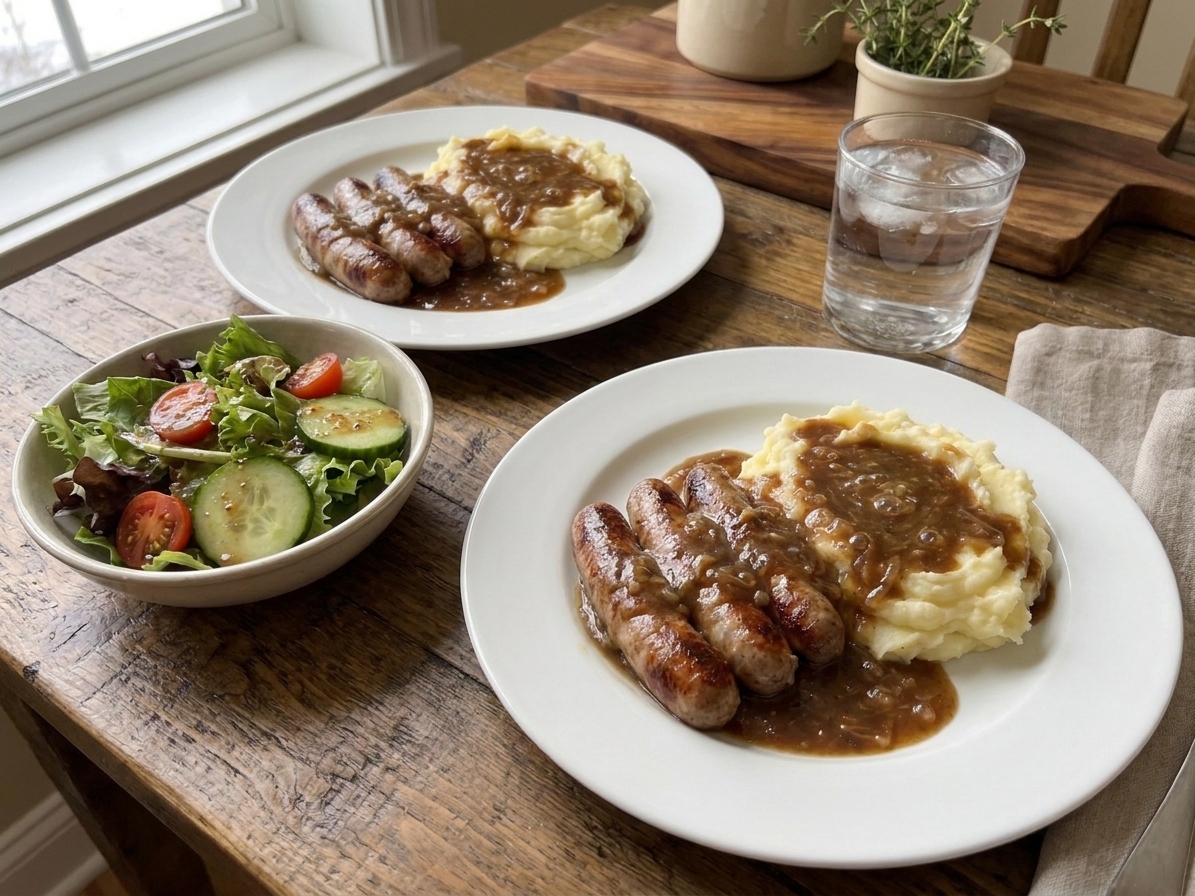
A plated serving of sausage and mash with golden-browned sausages, creamy mashed potatoes, and glossy onion gravy on a white dinner plate at a wooden table with soft window light

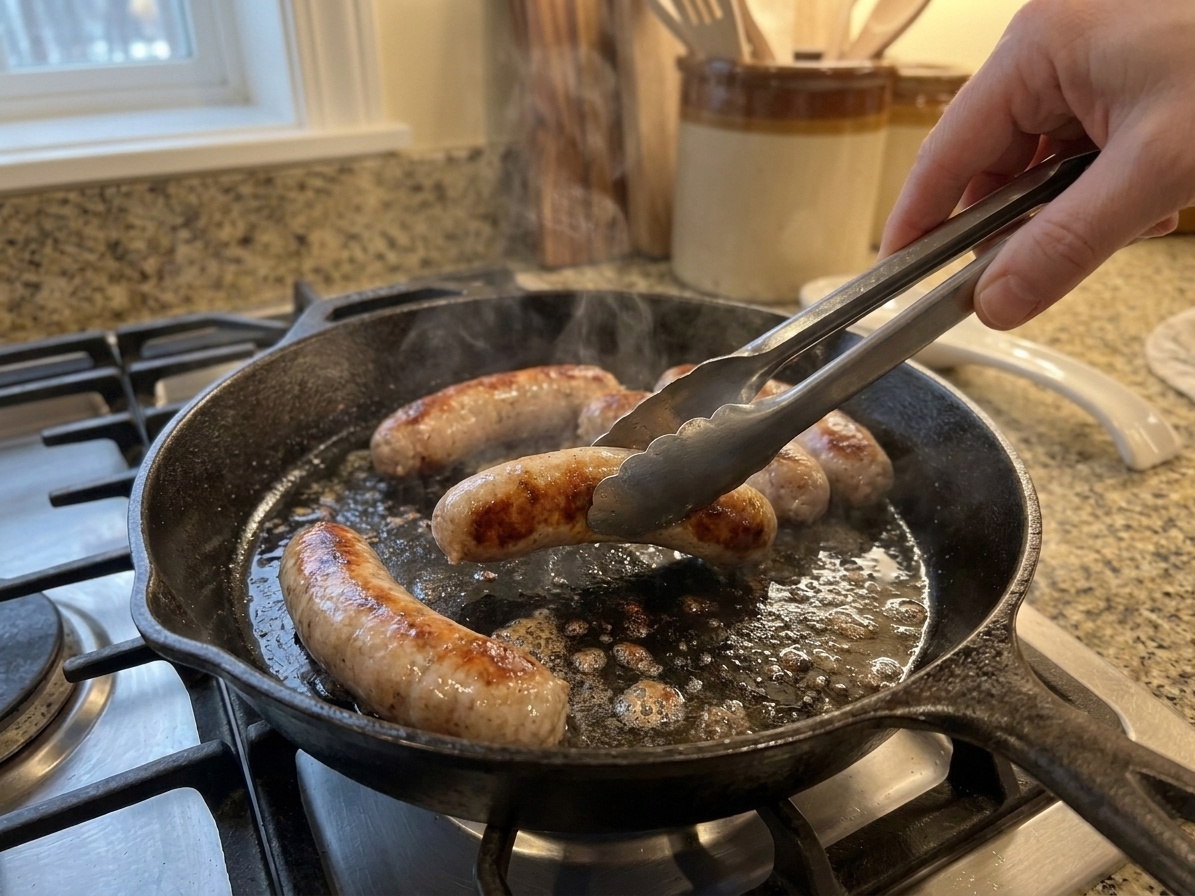
Sausage and mash is one of those meals that proves comfort food does not need a pep talk. You brown good sausages until the casings snap, whip up a pot of fluffy mash, and then you make a gravy that tastes like it has been simmering since noon. The secret is simple: take your time with the onions, and let the pan do some of the work.

This version keeps ingredients easy to find and steps low-drama. It is weeknight-friendly, but still has those really good bites where the gravy hits the buttered potatoes and everything suddenly makes sense.

Raw pork sausages, Yukon Gold potatoes, yellow onions, butter, milk, flour, and fresh thyme arranged on a light kitchen counter in a home kitchen

Why It Works

  • Crisp edges, juicy centers: We brown the sausages hard enough to build flavor, then finish gently so they stay tender.
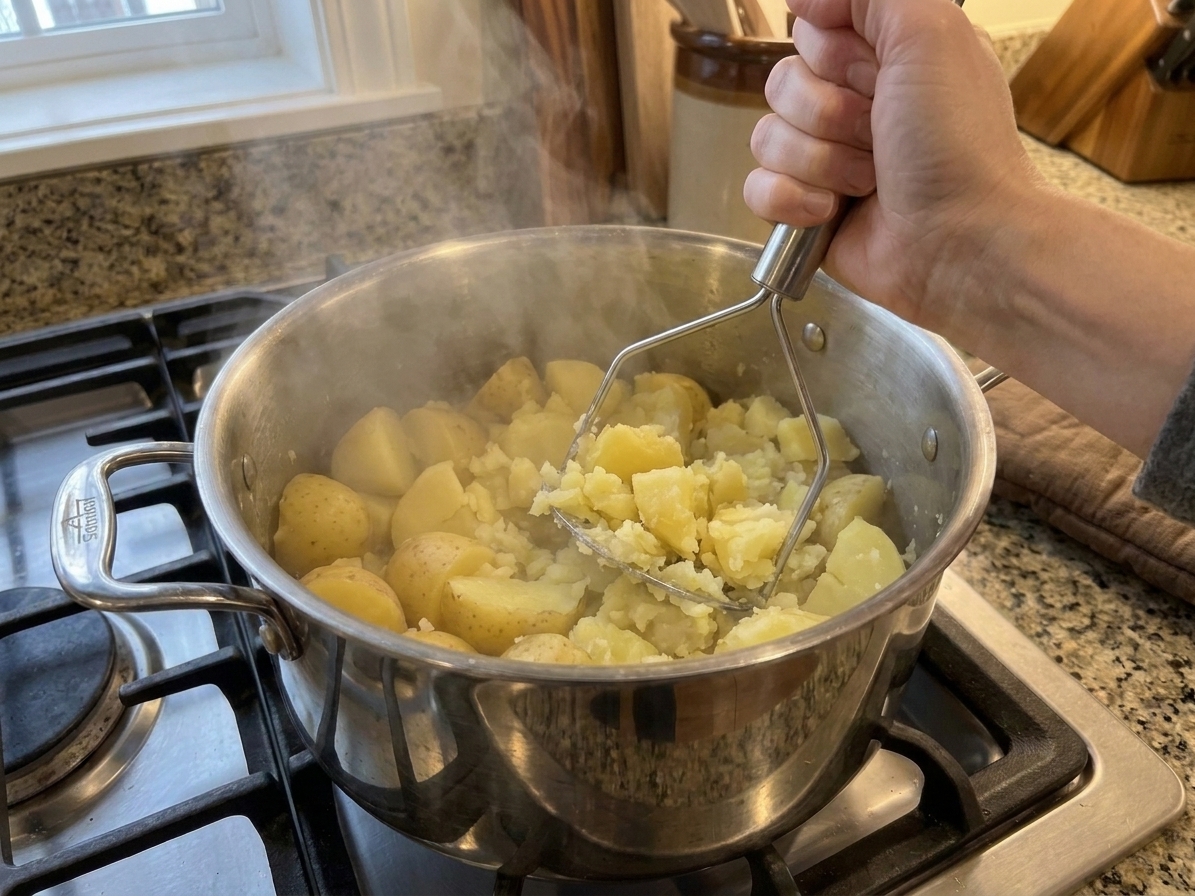
  • Mashed potatoes that stay fluffy: Warm dairy and a quick dry-out in the pot keep the mash from turning gluey.
  • Onion gravy with real depth: Soft, golden onions plus a proper deglaze turns the sausage pan drippings into a glossy, savory sauce.
  • One pan mindset: The gravy is built in the same skillet you cook the sausages in, because extra dishes are not the goal.

Pairs Well With

Storage Tips

Refrigerate: Store sausages, mash, and gravy in separate airtight containers if you can. They keep well for up to 3 days.

Reheat mash: Warm in a saucepan over low heat with a splash of milk. Stir often. If it looks thick at first, keep going. It loosens up.

Reheat gravy: Simmer gently with a splash of water or stock, whisking until smooth.

Reheat sausages: Best is a skillet over medium-low with a small splash of water and a lid for 3 to 5 minutes, then uncover to re-crisp. You can microwave in a pinch, but you lose the snap.

Freezing: Mashed potatoes can freeze, but the texture can turn slightly grainy. If you do freeze, thaw overnight in the fridge and reheat with extra butter and milk. Gravy freezes well for up to 2 months.

Common Questions

What sausages work best?

British-style bangers are classic, but any good-quality fresh sausage works. Pork, beef, chicken, or even plant-based sausages are all fair game. Just know that leaner sausages leave less drippings, so you may want an extra tablespoon or two of butter (or a drizzle of oil) in the pan before you add the flour, so the gravy still tastes rich.

What internal temperature should sausages be?

For fresh pork sausage (typically made with ground pork), cook to 160°F or follow package directions. If you are using a different type of sausage, use the package guidance, since some are pre-cooked and just need heating through.

How do I stop mashed potatoes from getting gluey?

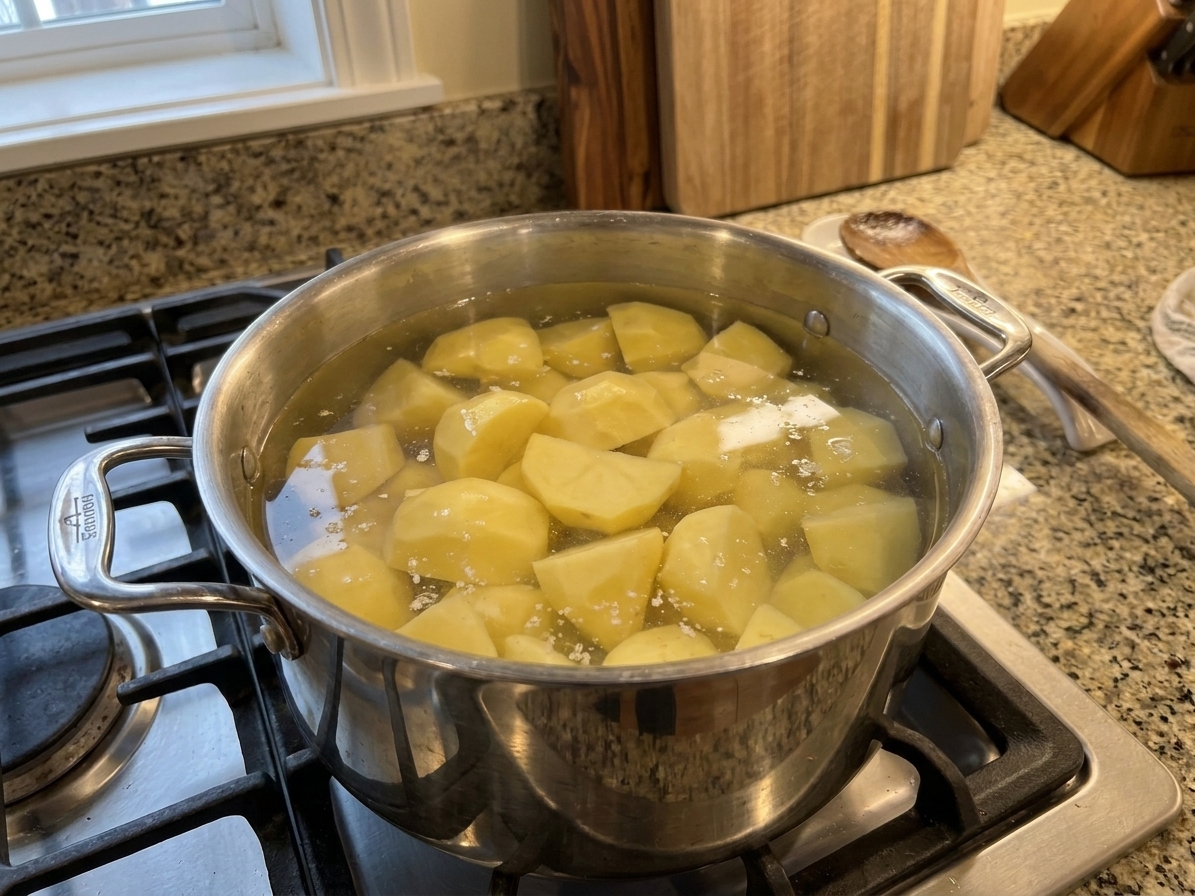
Do not overmix. Mash by hand, and stop as soon as they are smooth. Also, start potatoes in cold salted water and cook just until tender, not falling apart.

Can I make the gravy without flour?

Yes. Skip the flour and reduce the stock longer, or thicken with a cornstarch slurry: mix 1 tablespoon cornstarch with 1 to 2 tablespoons cold water, then whisk into simmering gravy a little at a time until it thickens.

My gravy tastes flat. What now?

Add a pinch of salt, a few grinds of black pepper, and something to wake it up. A teaspoon of Dijon mustard, a splash of Worcestershire, or a tiny splash of vinegar can bring it back to life.

Can I prep anything ahead?

You can cook the onions until soft and golden up to 2 days ahead and refrigerate. On cook day, brown sausages, rewarm onions in the pan, and build gravy fast.

Any easy finishing touches?

A handful of chopped parsley, an extra pinch of thyme, or a small knob of butter whisked into the gravy right at the end makes it feel extra special. On the side, peas are classic for a reason.
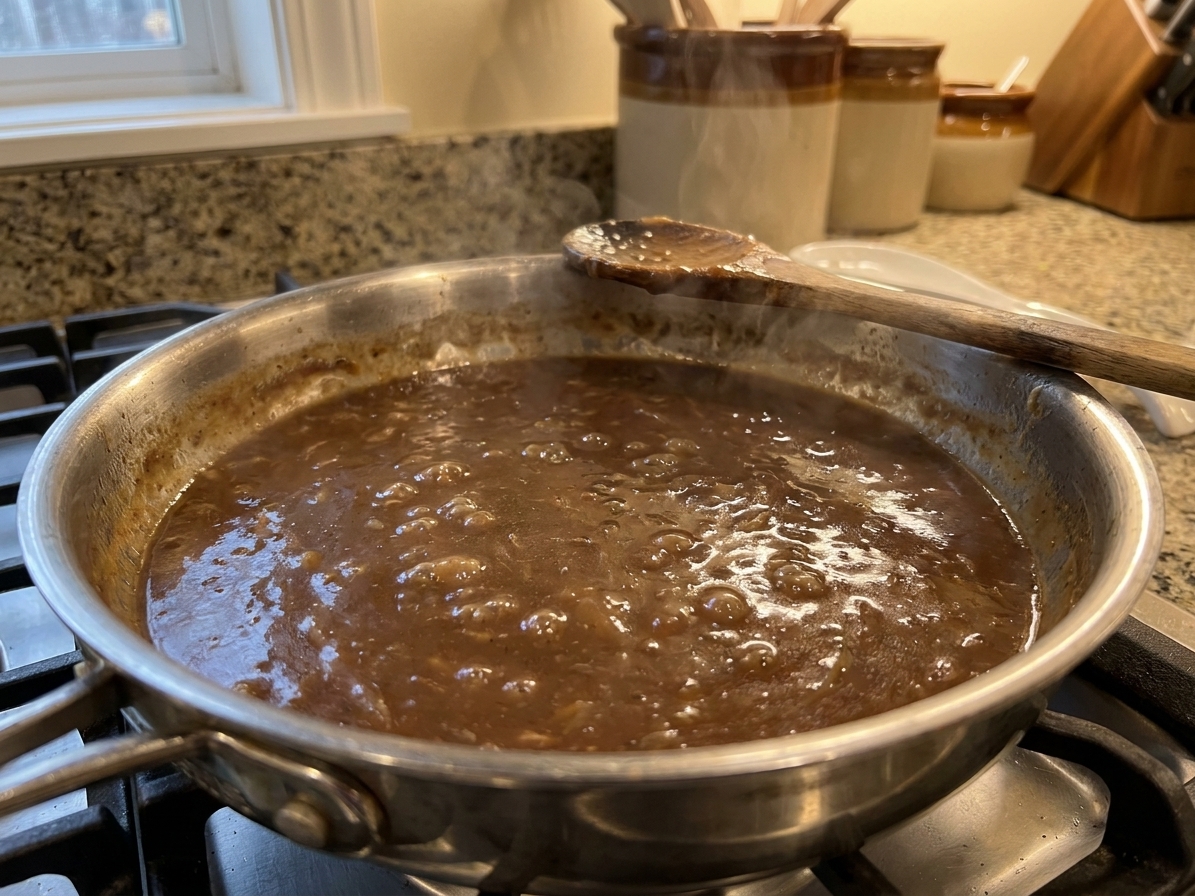

Onion gravy simmering in a stainless steel skillet with a wooden spoon resting on the rim, steam rising in a warmly lit home kitchen

The first time I made sausage and mash seriously, I treated it like a throwaway dinner. Brown sausages, mash potatoes, done. It was fine, but it did not have that pub-style magic. Then I learned the real move: do not rush the onions, and do not waste what is stuck to the pan. Once you build the gravy off those browned bits, the whole plate tastes like you planned it. Now it is my go-to when I want cozy food that still feels like I cooked on purpose.