Mom's Best Recipes
Recipe

Sauteed Cabbage

Tender, buttery cabbage with crisp edges, garlic, and a bright tangy finish. Simple ingredients, big flavor, weeknight easy.

Author By Matt Campbell
4.8
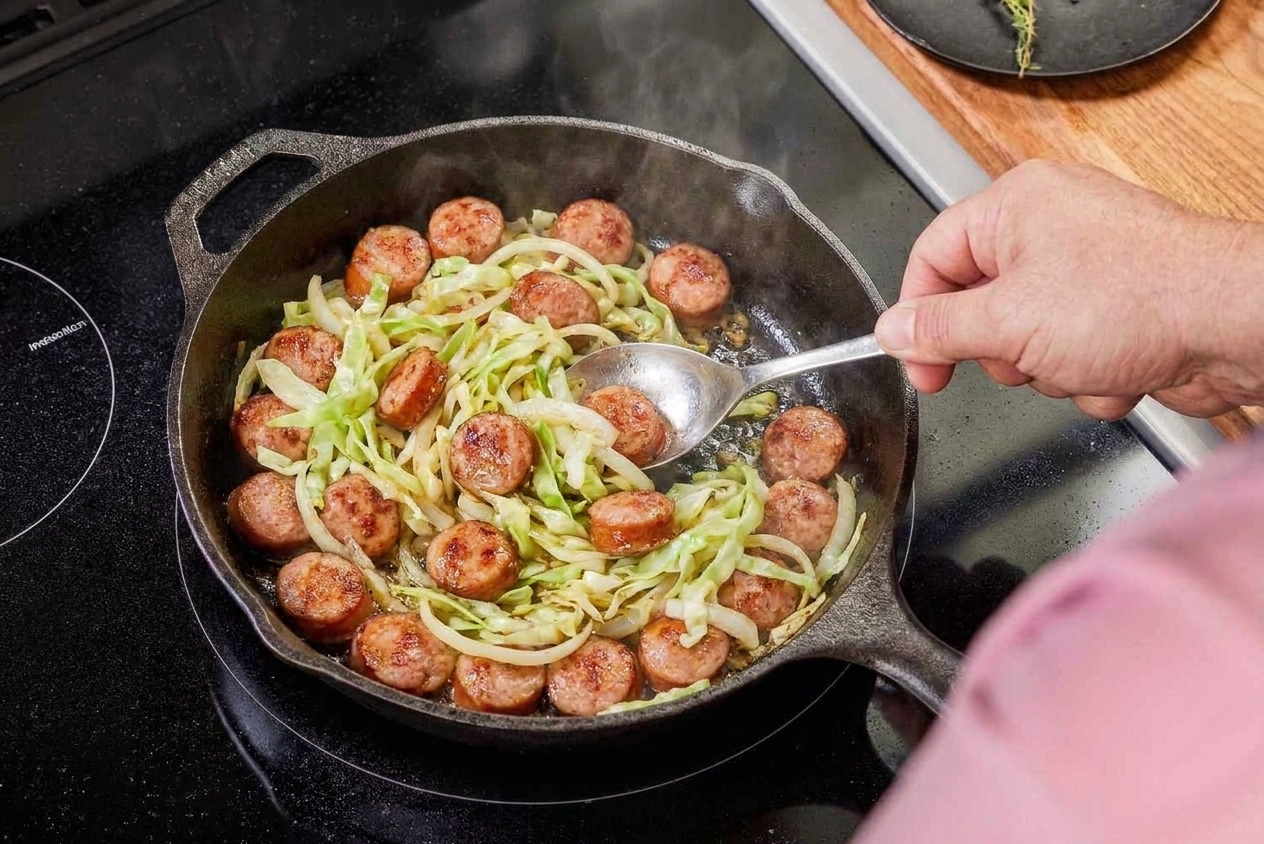
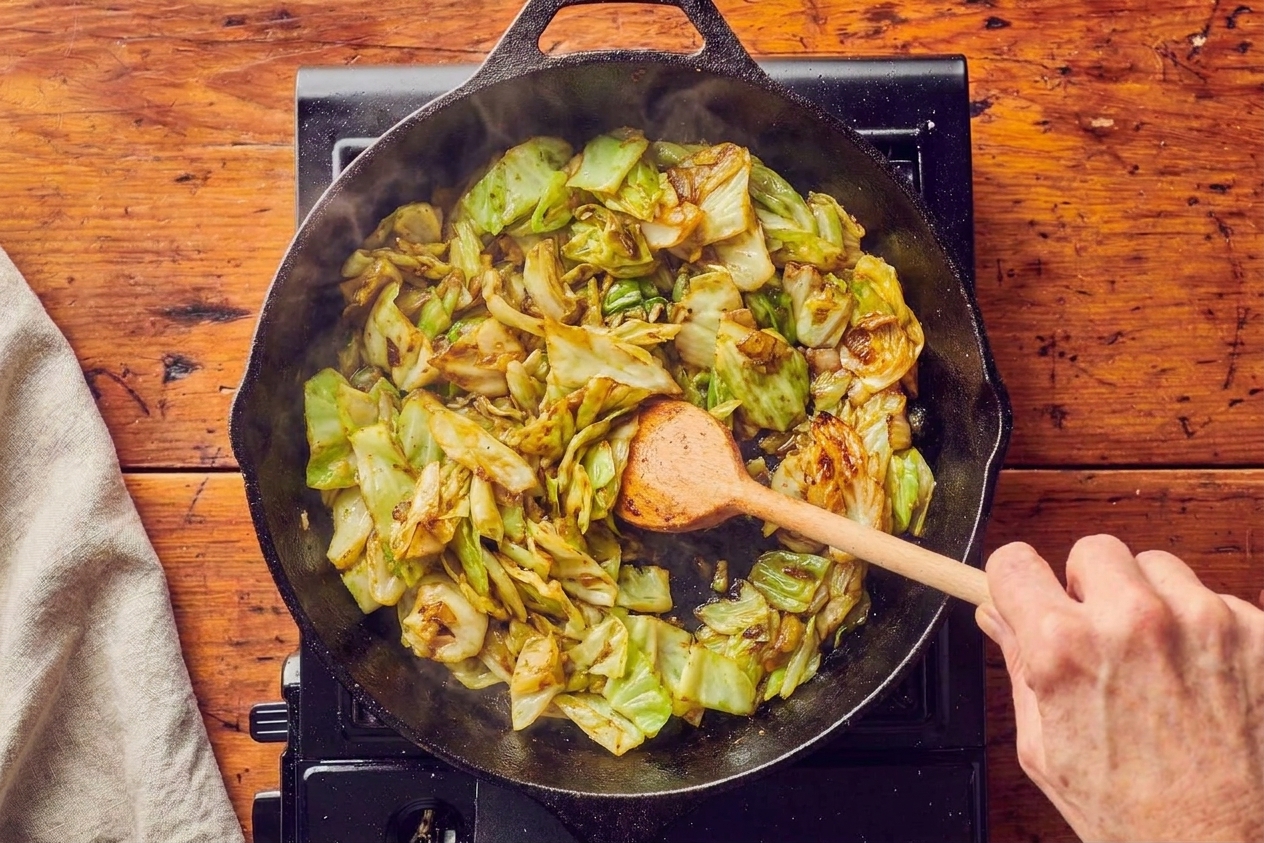
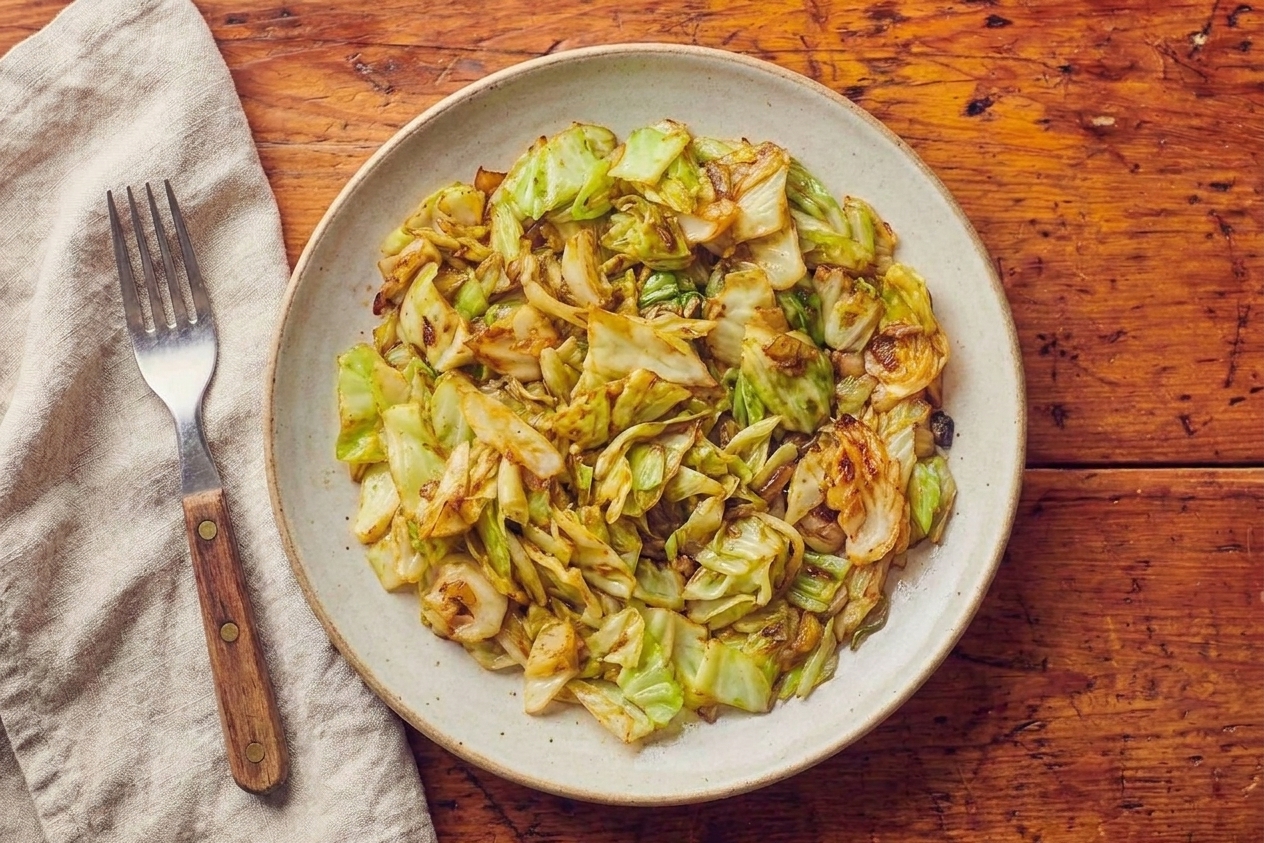
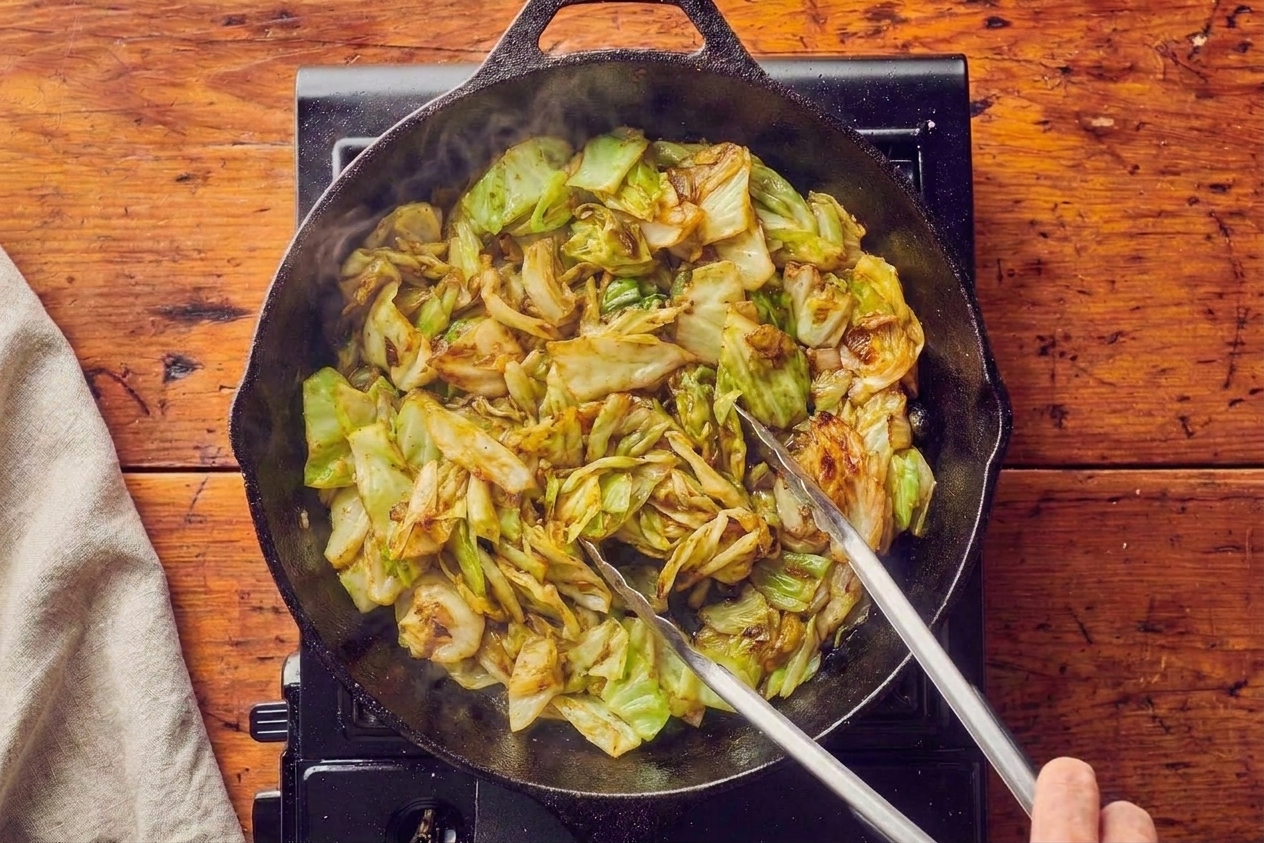
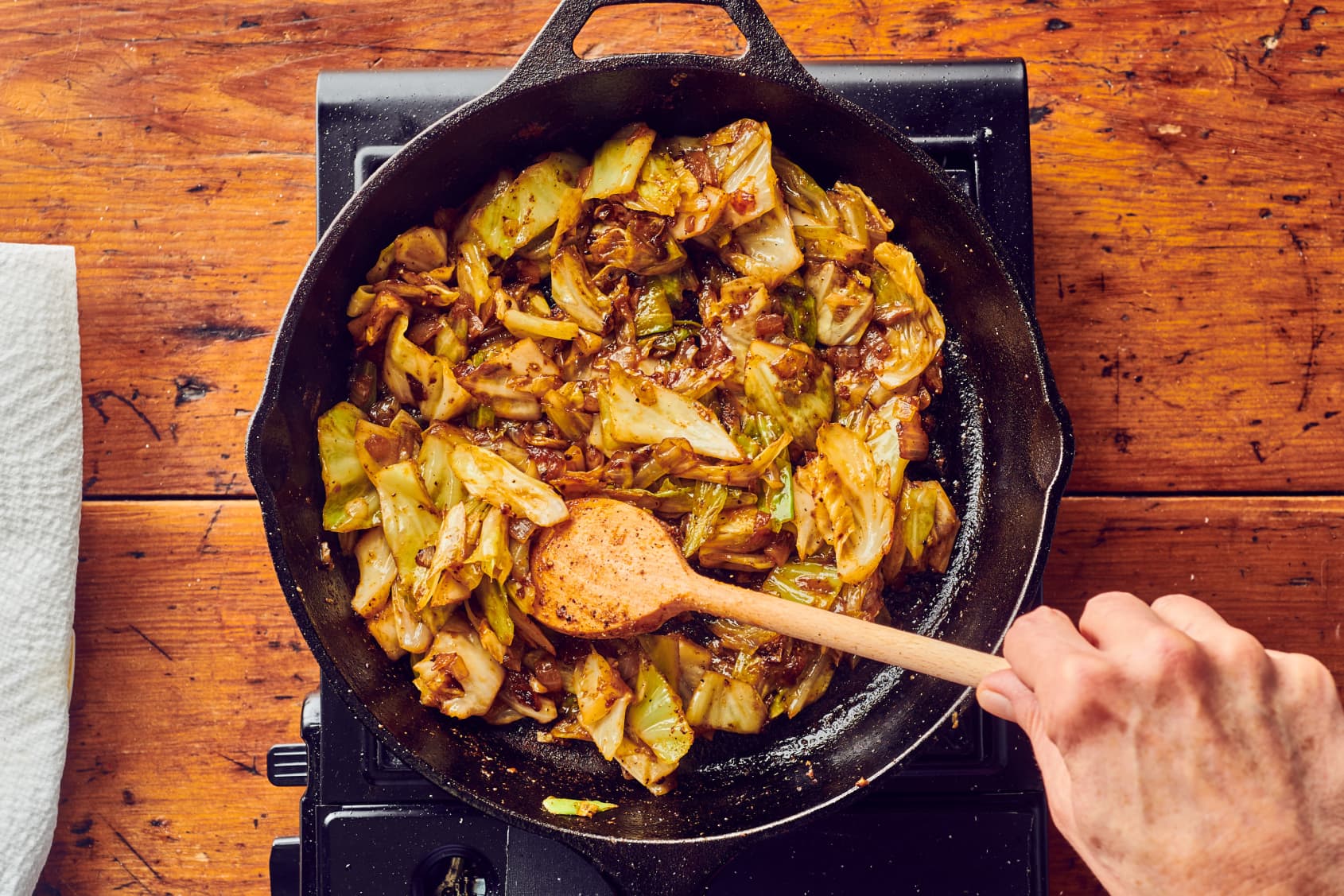
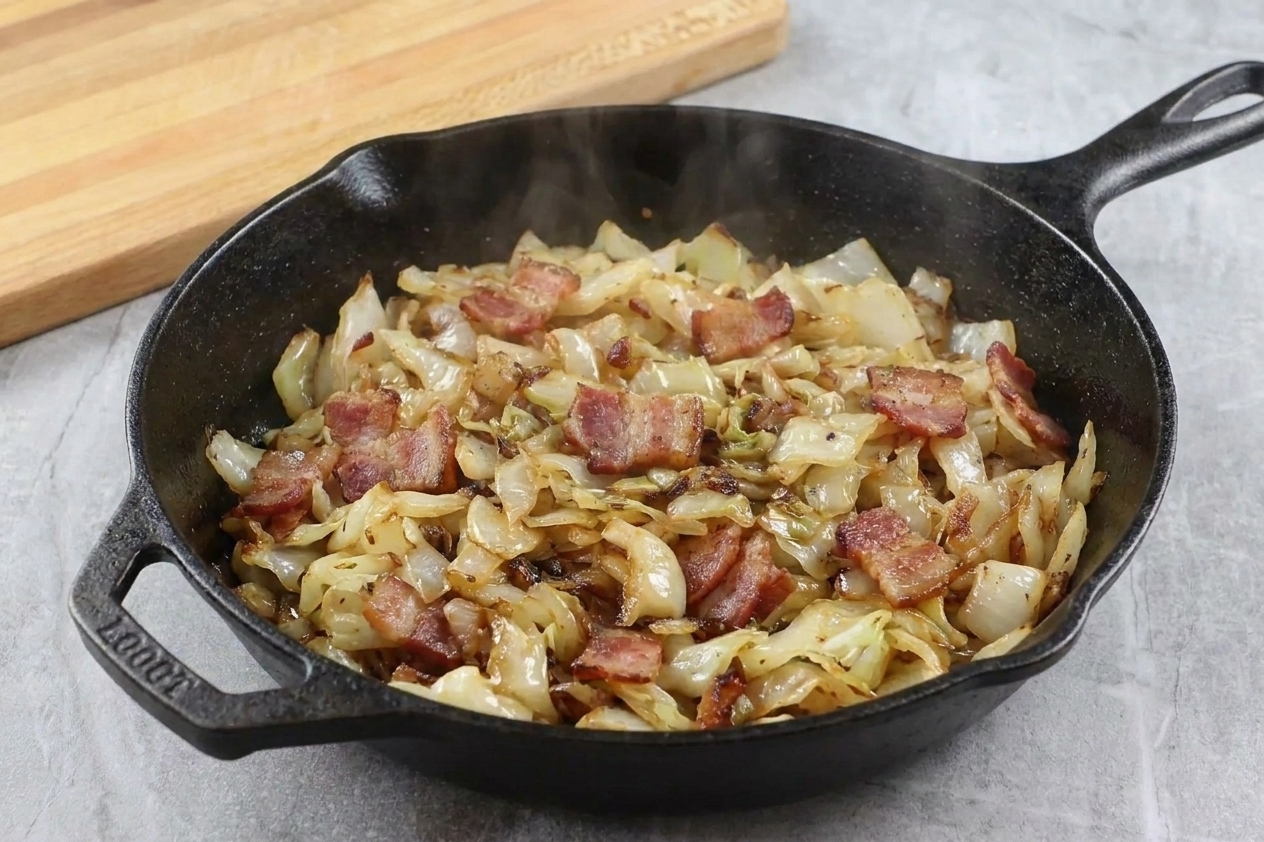
A cast iron skillet filled with sauteed green cabbage with golden brown edges and bits of garlic, set on a warm kitchen counter with a wooden spoon nearby

If there is a vegetable that can go from "meh" to "wait, who made this?" in one pan, it is cabbage. Sauteed cabbage is my low-drama side dish for busy nights: it gets sweet and tender, the edges go a little crisp, and the whole thing tastes like you actually tried. You did, but it was basically just heat, butter, and a few smart seasonings.

This version keeps it classic with garlic, a gentle kick of red pepper flakes (optional), and a quick splash of apple cider vinegar at the end. That last touch wakes everything up and keeps the cabbage from tasting flat.
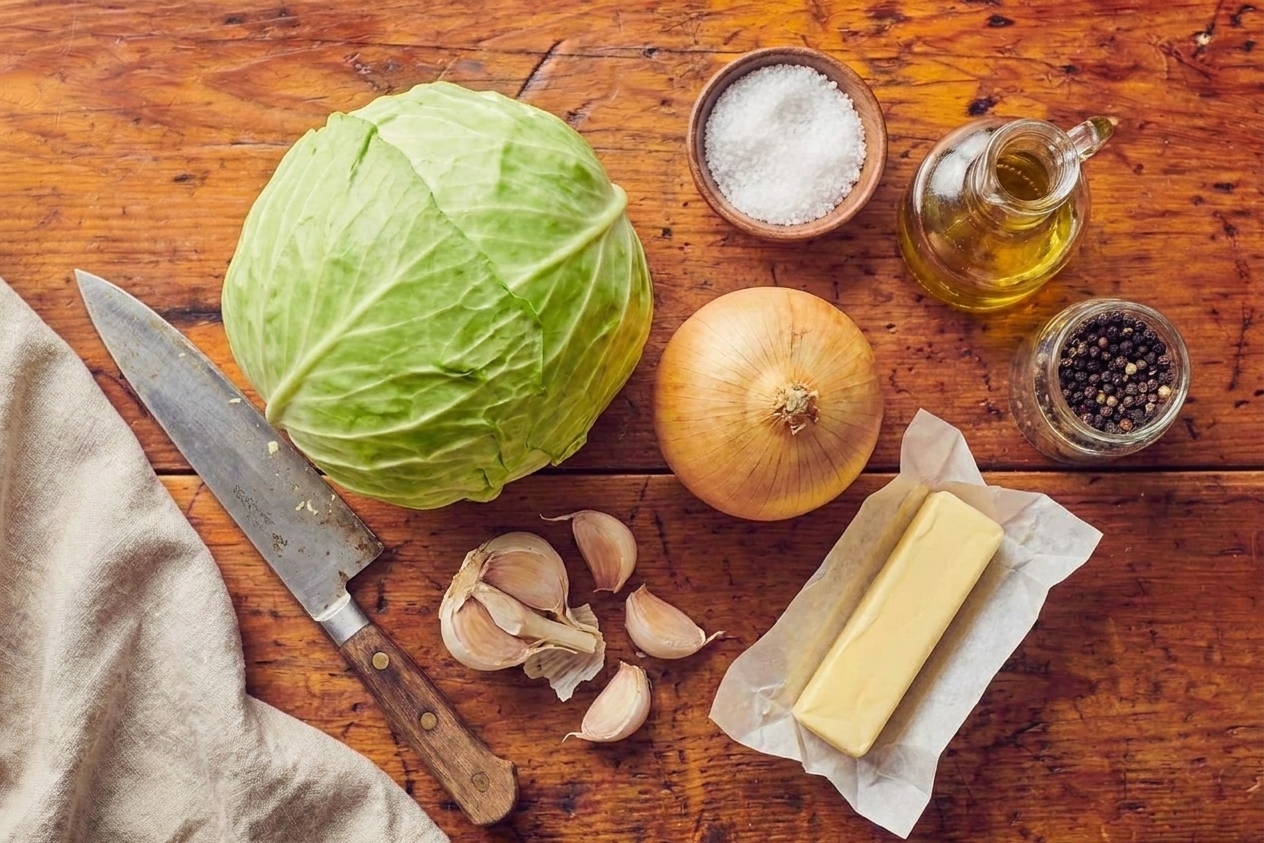

A whole green cabbage, a yellow onion, garlic cloves, butter, olive oil, salt, and black pepper arranged on a clean kitchen counter in natural light

Why It Works

  • Crisp edges, tender centers: We start with higher heat and give the cabbage contact with the pan so it browns instead of steaming.
  • Big flavor from basic ingredients: Butter plus olive oil gives richness and helps reduce the chance of burning, and garlic goes in at the right time so it stays fragrant.
  • Bright finish: A splash of vinegar at the end balances the natural sweetness cabbage picks up as it cooks.
  • Flexible: Make it smoky with bacon, cozy with caraway, or spicy with a little chili oil.

Pairs Well With

Storage Tips

Refrigerate: Store cooled sauteed cabbage in an airtight container for up to 4 days.

Reheat: Best in a skillet over medium heat with a tiny splash of water or broth. Stir occasionally until hot. The microwave works too, but the skillet brings back a little edge crispness.

Freeze: You can freeze it, but for best quality, use it within 2 months. It will be softer after thawing, so frozen leftovers are great in soups, fried rice, or as a filling for omelets.

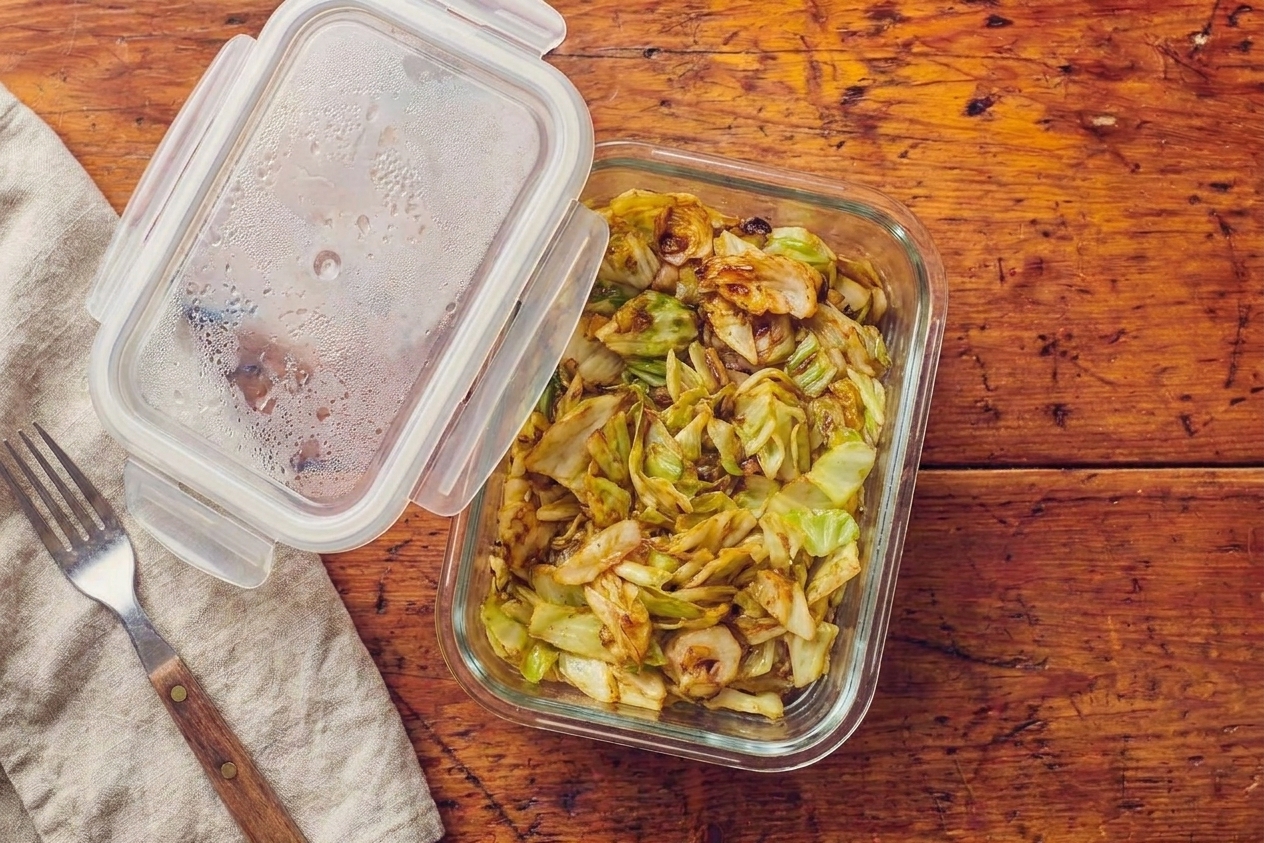
A glass meal prep container filled with leftover sauteed cabbage, lid set beside it on a kitchen counter

Common Questions

Why is my sauteed cabbage soggy?

Usually it is overcrowding or low heat. Use a large skillet, keep the heat at medium-high for the first few minutes, and let the cabbage sit undisturbed so it browns. If your pan is small, cook in two batches.

Do I need to wash cabbage before cooking?

Yes. Peel off any tough or blemished outer leaves. If the outside looks clean, a quick rinse of the outer leaves is enough. If you see grit, rinse the wedges after cutting and then dry them very well. Extra water encourages steaming instead of browning.

How do I cut cabbage for sauteing?

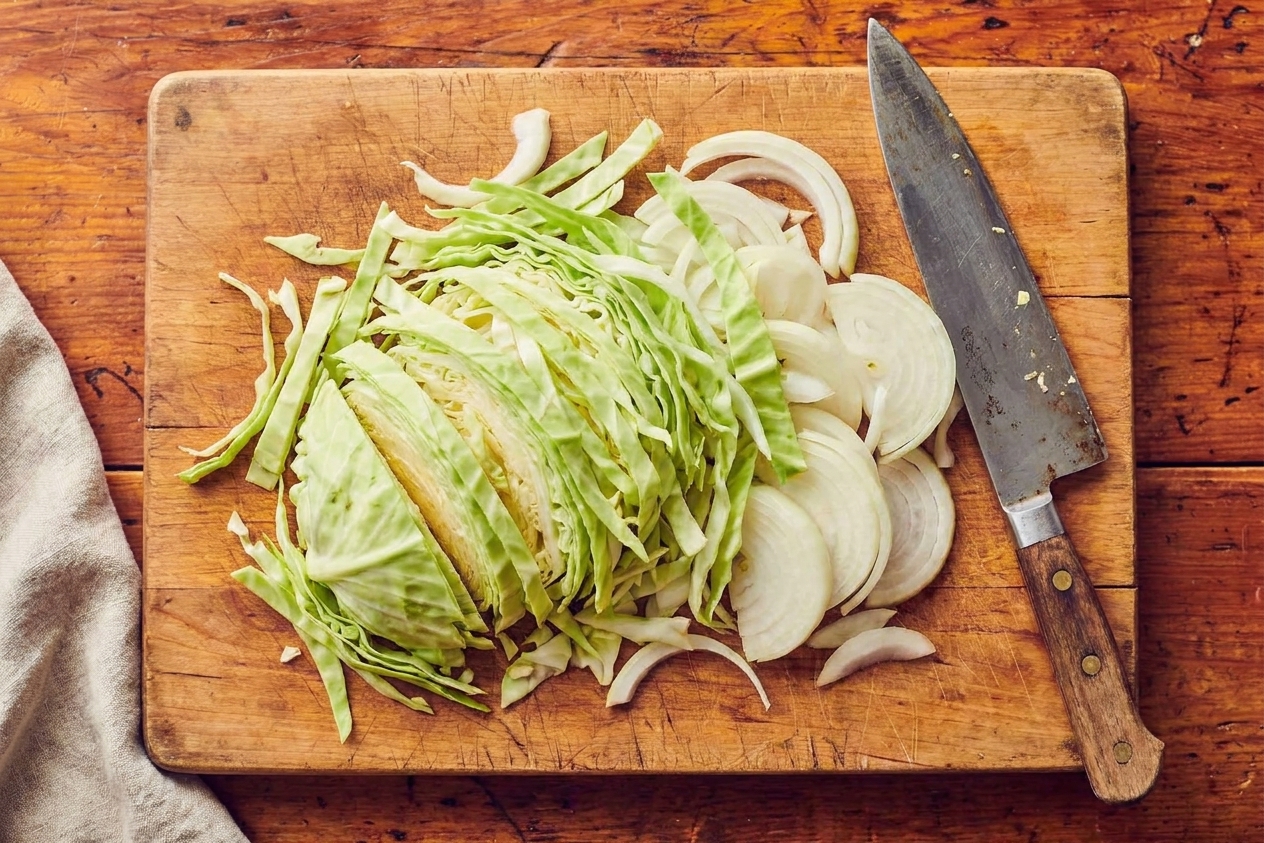
For the best texture, slice it into thin shreds, about 1/4 inch. Thinner cooks faster and browns more easily. Thicker stays more crunchy.

Can I make this without onion?

Absolutely. Skip the onion and start by browning the cabbage in the butter and oil. Add garlic a bit earlier since there is no onion cooking time to cover it.

What goes well with sauteed cabbage?

It is great next to roast chicken, pork chops, sausages, meatloaf, or a simple bowl of rice and fried eggs. It also makes a surprisingly good taco topper when you add lime instead of vinegar.

I started making sauteed cabbage when I was in my "I need dinner, not a project" era. It is cheap, forgiving, and it plays nice with whatever is already in the fridge. The first time I nailed the browned edges, I ate it straight from the pan like it was the main event. Now it is my go-to side when I want comfort food energy but still want something green on the plate.