Mom's Best Recipes
Recipe

Savory Cheese Fondue Recipe

Silky, smooth, and unapologetically savory, this classic cheese fondue is built for dunking crusty bread, crisp veggies, and whatever else mysteriously “needs” to take a cheese bath.

Author By Matt Campbell
4.8
A cast iron fondue pot filled with silky melted cheese fondue on a wooden table with crusty bread cubes and steamed broccoli nearby

Fondue is one of those dishes that feels fancy, but is secretly just smart snacking with a pot and a plan. You melt cheese, you keep it warm, and suddenly everyone is hovering around the table like it is a campfire. This version is savory, silky, and smooth, with bright white wine, a whisper of garlic, and just enough Dijon to make the cheese taste more like itself.

If you have ever had fondue turn grainy, clumpy, or weirdly tight, do not worry. That is not a character flaw. It is just heat management and a little science. I will walk you through the easy fixes and the tiny tricks that keep the pot glossy from the first dip to the last scrape.

One quick rule: skip pre-shredded cheese. Freshly grated melts smoother and tastes better. Also, letting the grated cheese lose the fridge chill for 15 to 20 minutes makes the whole process calmer.
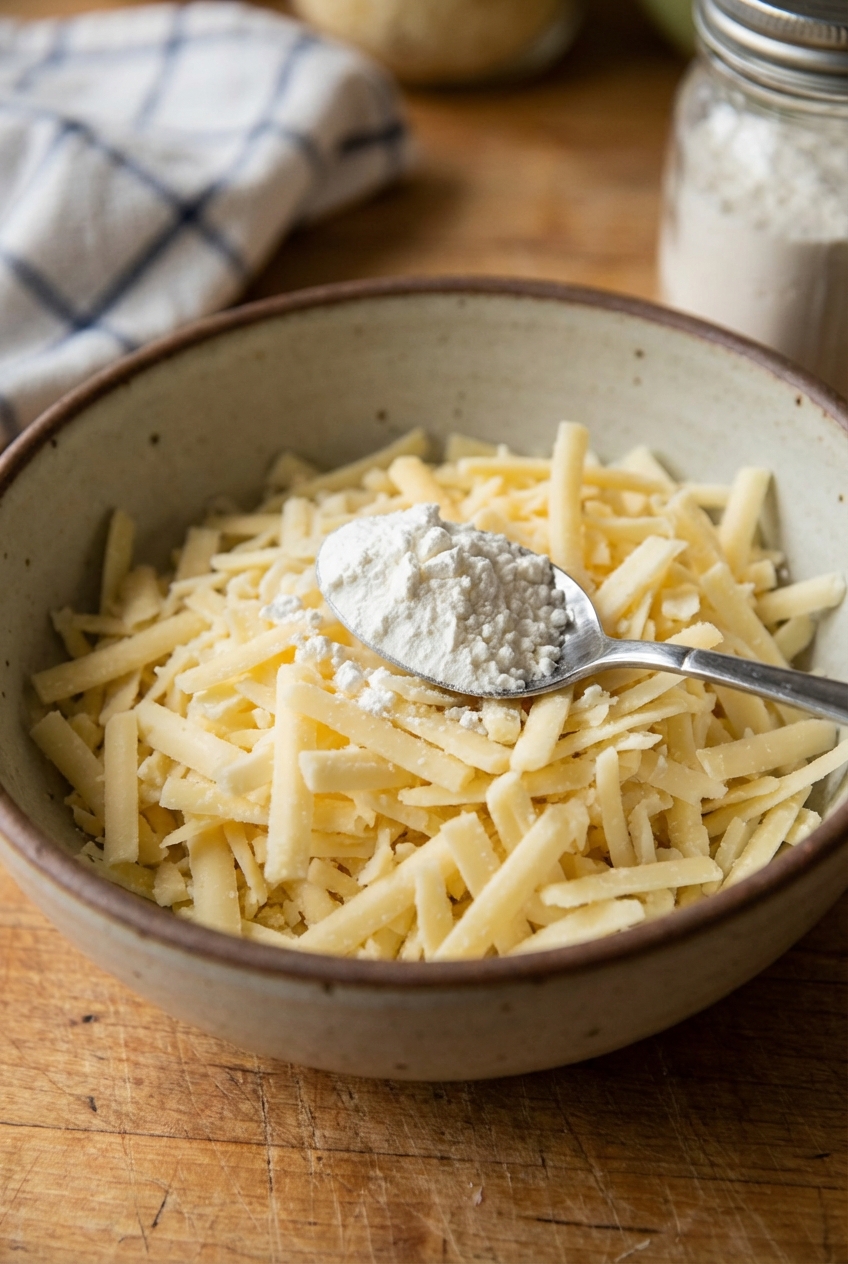
A close-up photo of grated Gruyère and Swiss cheese in a bowl with a small spoonful of cornstarch on top

Why It Works

  • Silky texture: Tossing the grated cheese with cornstarch helps the fondue emulsify so it is more likely to stay smooth instead of separating.
  • Bold, savory flavor: Dry white wine plus garlic plus Dijon gives you depth without tasting boozy.
  • Reliable, low-drama method: Gentle heat, low heat before the cheese goes in, and gradual additions keep everything cohesive and glossy.
  • Flexible for your pantry: Gruyère and Swiss are classic, but you can swap within a few guardrails and still get great fondue.

Pairs Well With

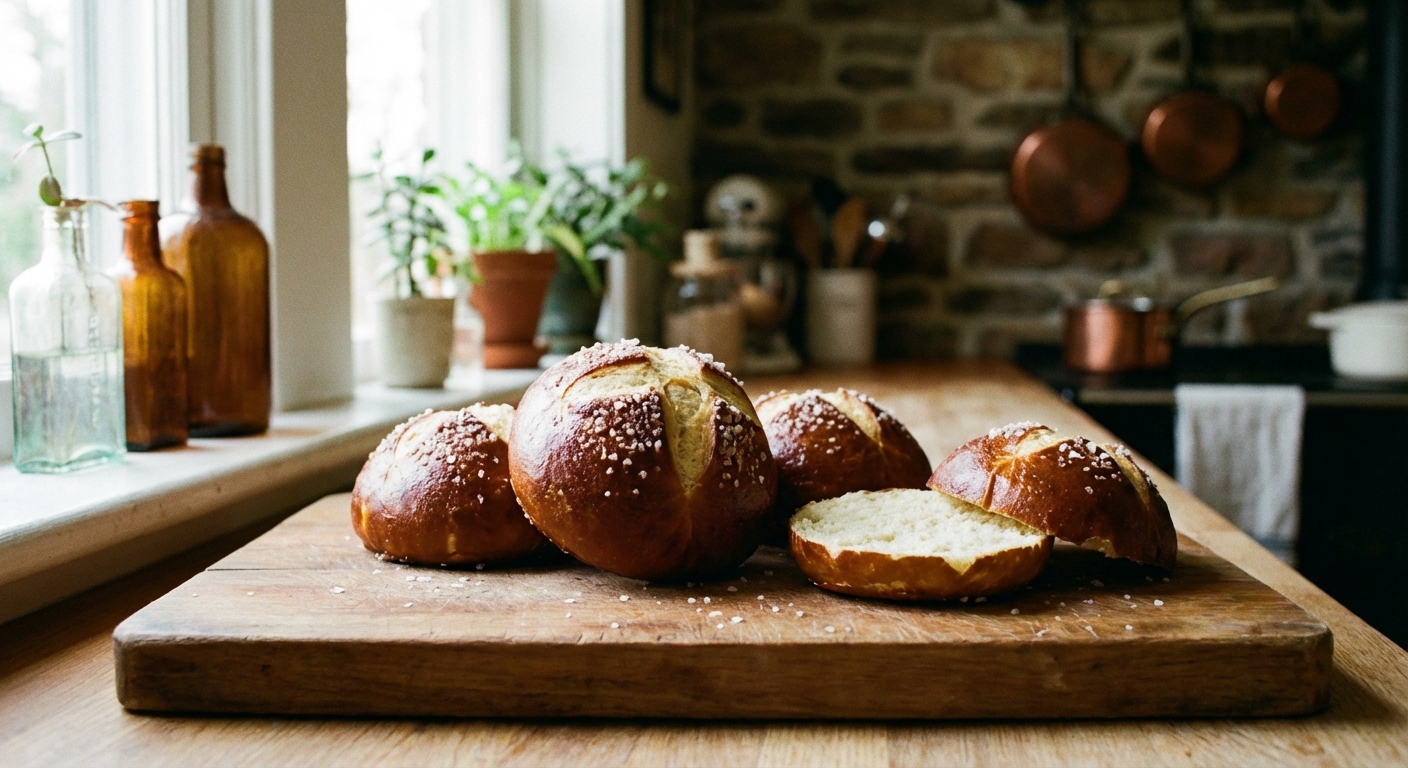
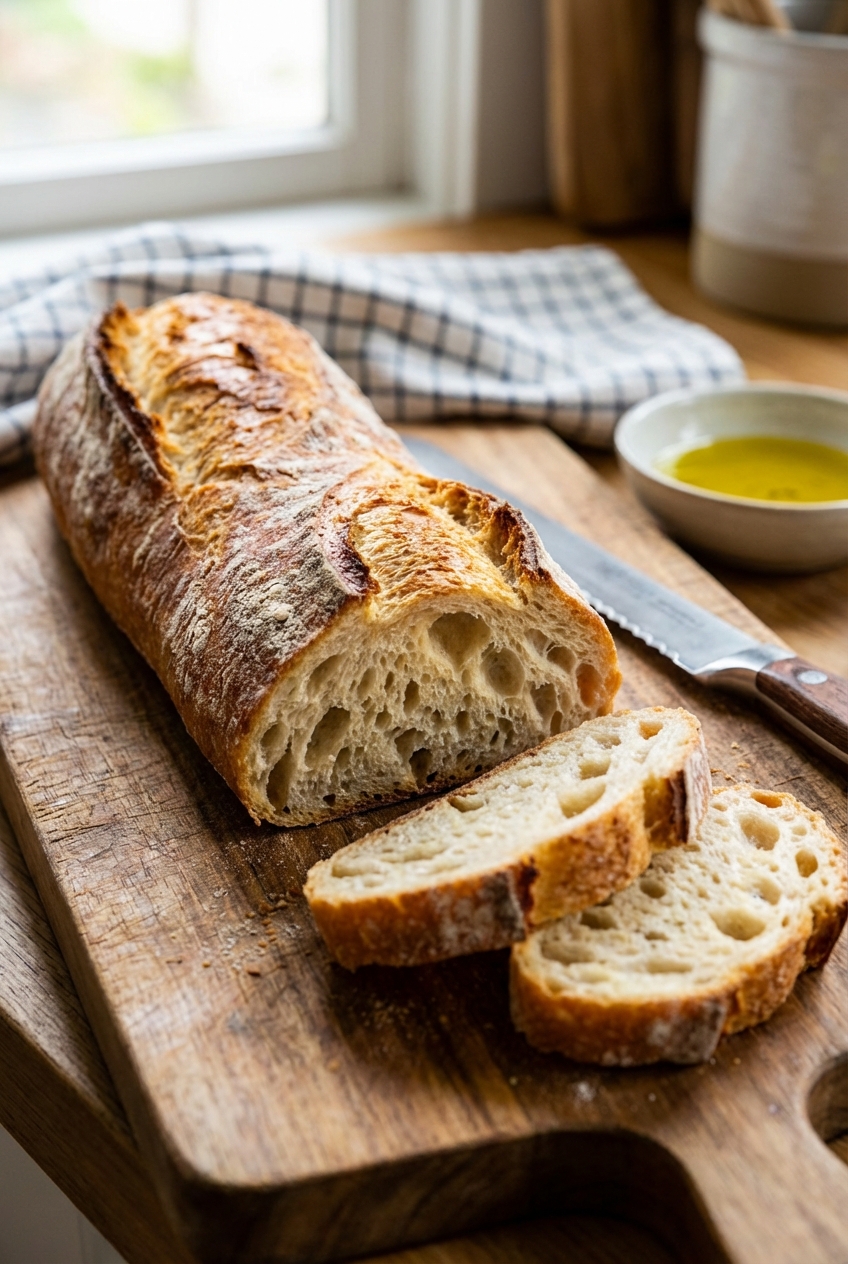
  • A rustic loaf of crusty bread sliced into thick pieces on a cutting board

    Crusty bread cubes (sourdough or baguette)

  • A baking sheet with roasted baby potatoes and rosemary

    Roasted baby potatoes with herbs

  • A platter of blanched vegetables including broccoli florets, cauliflower, and carrots

    Crisp-tender veggies (broccoli, cauliflower, carrots)

  • Thin slices of apple and pear arranged on a small plate

    Apple or pear slices for sweet-savory contrast

Storage Tips

Fondue leftovers are rare, but if you do have some, treat it like a thick cheese sauce.

How to store

  • Cool completely, then transfer to an airtight container.
  • Refrigerate for up to 3 days.

How to reheat (best method)

  • Warm gently in a saucepan over low heat with a splash of milk or white wine, stirring constantly.
  • If it looks tight or stringy, add liquid 1 tablespoon at a time until it loosens and turns glossy.

How to use leftovers

  • Pour over roasted potatoes or steamed broccoli.
  • Turn it into the world’s coziest grilled cheese: spread inside bread and toast slowly.
  • Use as a sauce for macaroni, then bake with buttery crumbs.

Common Questions

Why did my cheese fondue turn grainy?

Usually it is too much heat or adding the cheese too fast, but a few other things can tip it into grainy territory: low acidity (the wine and lemon juice help), using pre-shredded cheese (anti-caking agents can make melting weird), or letting it overheat after it is fully melted. Keep the heat gentle, add cheese in small handfuls, and stir constantly until smooth.

Do I have to use wine?

Wine helps with both flavor and texture, and the acidity matters for a smooth melt. If you want a non-alcohol option, try non-alcoholic dry white wine or apple cider for a similar vibe. You can also use low-sodium chicken broth plus 1 to 2 teaspoons lemon juice, then taste and add more if needed. Broth works, but it will shift the flavor more than wine.

Also, a quick reality check: at fondue temperatures, alcohol does not fully cook off. If you are avoiding alcohol entirely, choose a non-alcoholic swap.

Can I make it ahead?

You can grate the cheese and toss it with cornstarch up to 24 hours ahead. Keep it covered in the fridge. For the smoothest melt, let the cheese sit at room temperature for 15 to 20 minutes before you start. Fondue itself is best made right before serving so it stays silky.

What if my fondue is too thick?

Stir in warm wine (or milk) a tablespoon at a time over low heat until it loosens. Thick fondue is common as it sits, especially if the flame is too high.

What if my fondue separates or looks oily?

Take it off the heat and whisk gently. Adding 1 to 2 teaspoons lemon juice can often help it come back together. If it still looks broken, whisk in a small pinch more cornstarch mixed with a teaspoon of cold water, then return to very low heat and whisk until it smooths out. It is not a guaranteed rescue every time, but it is a solid save to try.

I used to think fondue was strictly a restaurant thing. Dim lights, tiny forks, big bill. Then I made it at home one winter night with a mismatched pot situation and exactly one rule: keep it smooth. We dipped day-old bread, blanched broccoli, and a few apple slices that had no business being that good in cheese. That was the moment it clicked. Fondue is not fussy. It is just melted comfort with a social life.