Mom's Best Recipes
Recipe

Savory Fish and Chips

Crisp-edged battered fish, oven crisp fries, and a lemony sauce that tastes like the seaside, minus the windburn.

Author By Matt Campbell
4.8
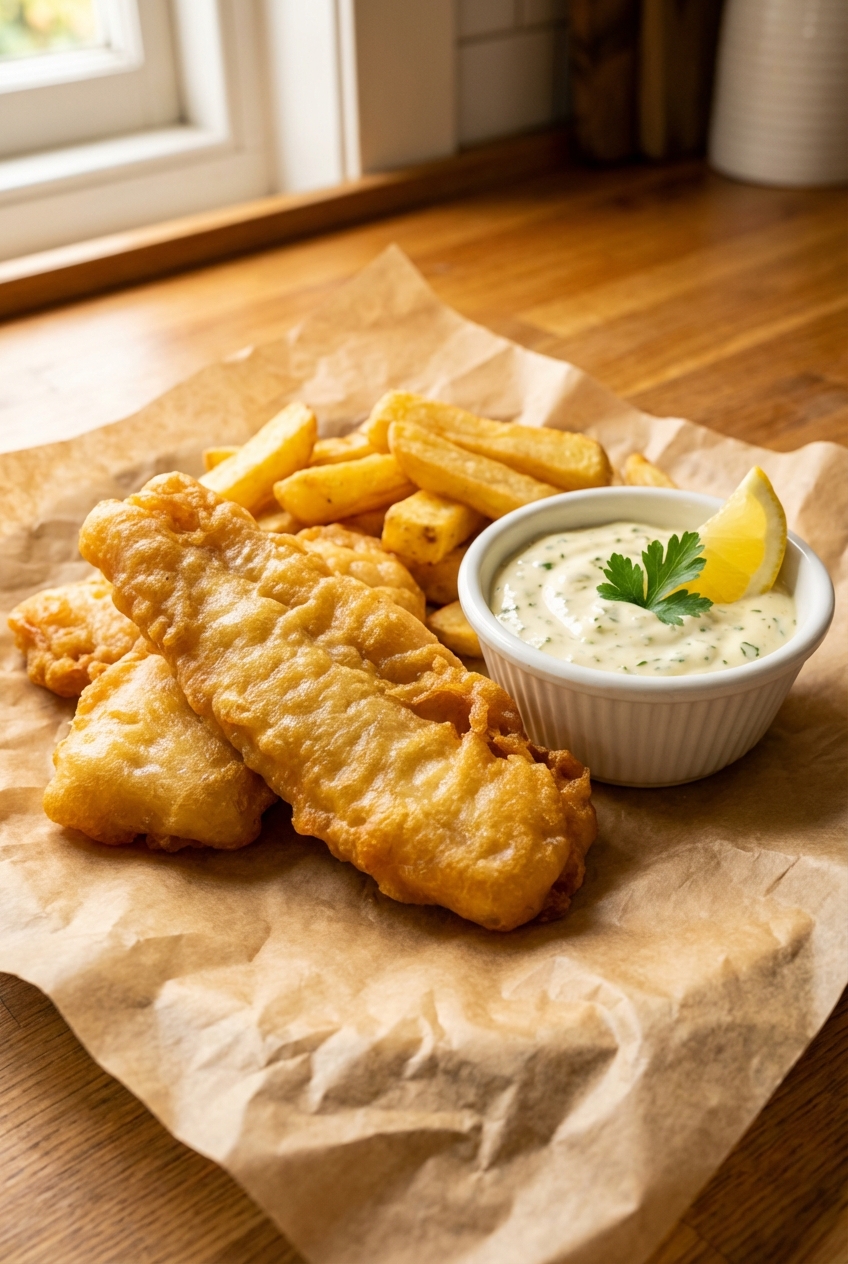
Golden battered fish and thick-cut chips on parchment paper with a small bowl of lemon herb sauce

Fish and chips is one of those meals that feels like a reward. The crunch, the steam that escapes when you break into the fish, the salty chip, the bright hit of lemon. It is comfort food with a little swagger.

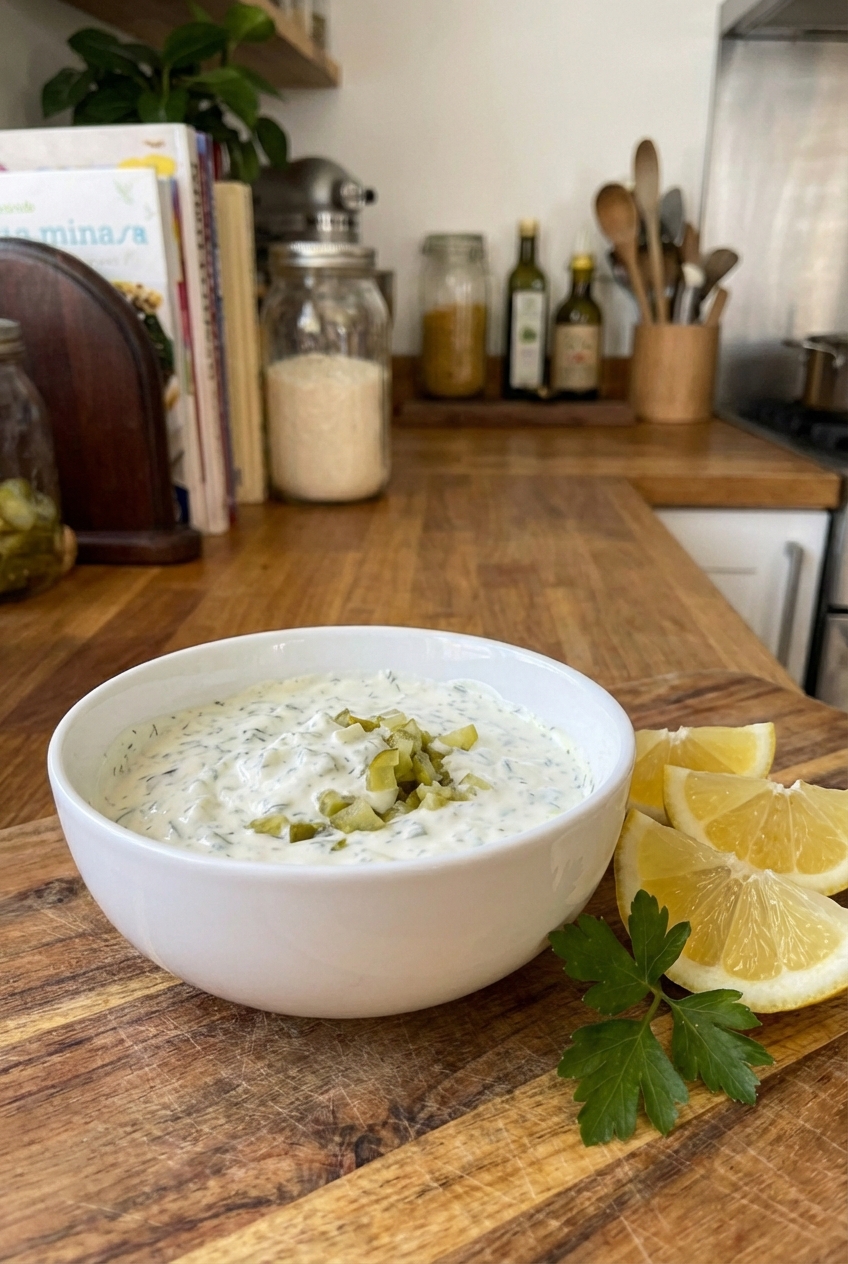
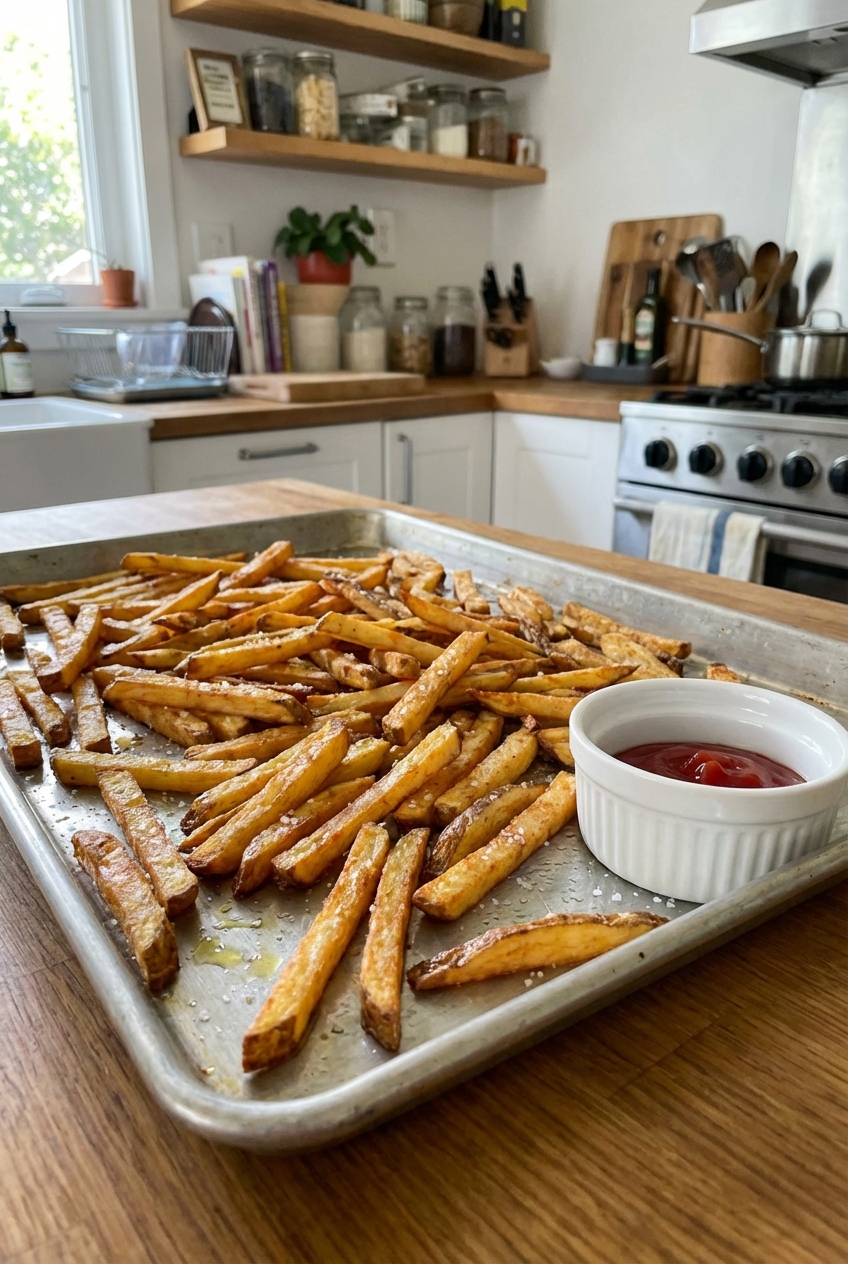
This version is built for home kitchens. The fish comes out crispy and savory (without turning greasy), the chips get crisp edges in the oven so you are not juggling two pots of hot oil, and the real secret is the creamy lemon-caper sauce that ties the whole plate together. Think tartar sauce energy, but cleaner, brighter, and dangerously spoonable.

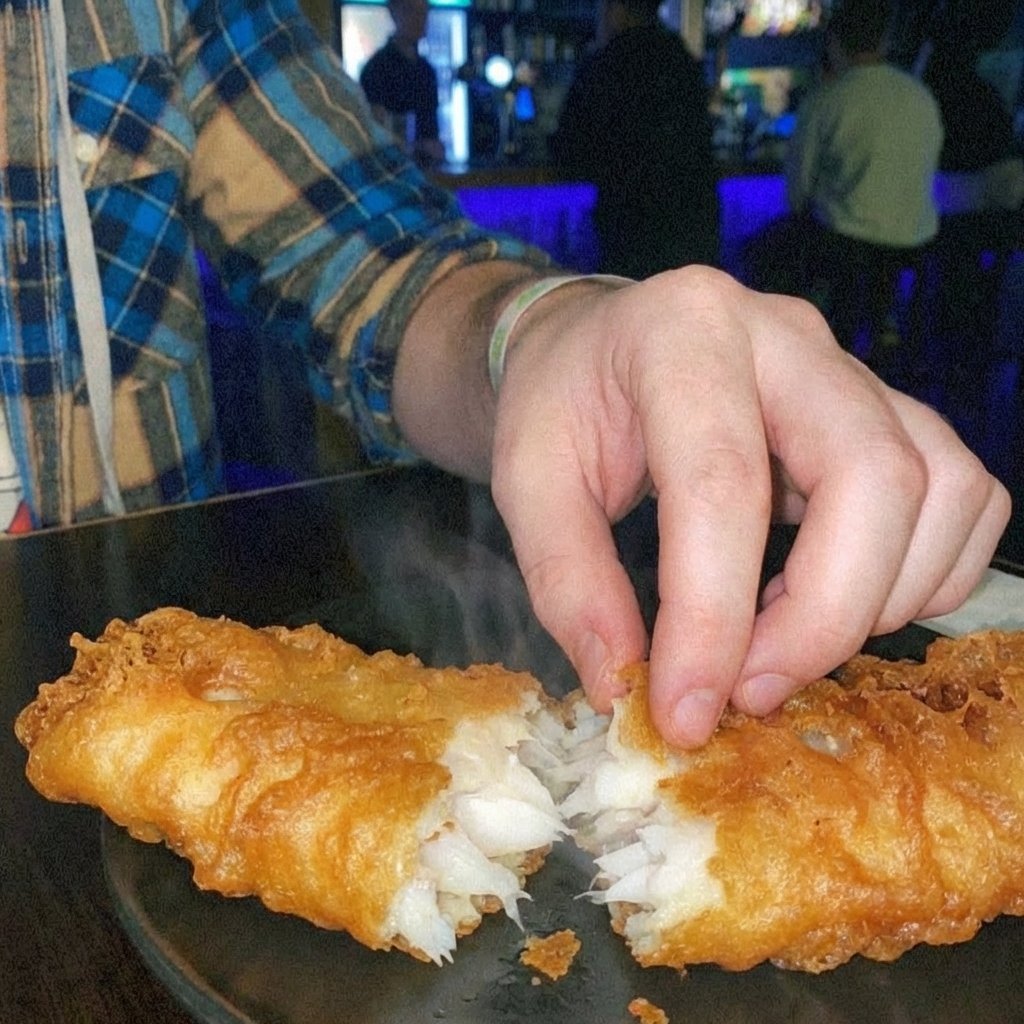
A hand pulling apart a piece of fried fish to show flaky white fish inside a crisp batter

Why It Works

  • Light, crisp batter: A cold, sparkling batter gives you that shattery crunch without a heavy coating.
  • Flaky fish that stays juicy: Using cod or haddock and keeping the oil at the right temperature prevents dry, overcooked fillets.
  • Bright, creamy sauce: A mayo and Greek yogurt base stays smooth, while lemon, Dijon, and capers punch up the flavor.
  • Low-drama timing: Oven chips cook while you mix sauce and batter, then the fish fries fast right at the end.

Pairs Well With

Storage Tips

Fish and chips is at its best fresh, but leftovers can still be very good if you reheat them like you mean it.

Store

  • Fish: Cool completely, then refrigerate in an airtight container for up to 2 days. If possible, lay pieces on a paper towel to reduce sogginess.
  • Chips: Refrigerate in a separate container for up to 3 days.
  • Sauce: Refrigerate in a sealed jar for up to 5 days. Stir before serving.

Reheat

  • Best method: Bake fish and chips on a wire rack over a sheet pan at 425°F until hot and crisp, about 8 to 12 minutes.
  • Air fryer: 375°F for 5 to 8 minutes, shaking chips once.
  • Avoid: Microwaving the fish if you want crisp. It will go soft fast.

Common Questions

What fish is best for fish and chips?

Cod and haddock are the classics because they are mild, flaky, and thick enough to stay juicy. Pollock works great too and is often more budget-friendly. For the best results, aim for portions about 5 to 7 ounces each, roughly 3/4 to 1 inch thick at the thickest point so the batter crisps before the fish dries out.

How do I keep the batter crispy?

Three things: cold batter, dry fish, and correct oil temp. Pat the fish very dry, dust it lightly in flour, and keep your oil around 350–365°F. If the oil is too cool, the batter absorbs oil and goes heavy.

Can I make this gluten-free?

Yes. Use a gluten-free 1:1 flour blend for both the dredge and batter. For extra crispness, you can increase the starch: replace the 2 tablespoons of flour in the batter with cornstarch (so your batter uses 1 cup minus 2 tablespoons flour plus 4 tablespoons cornstarch total). Note: some gluten-free blends brown a bit differently, so you may need an extra minute of fry time or to stay closer to 365°F.

What makes the sauce “silky and smooth”?

Using a mayo base, whisking in lemon slowly, and adding finely chopped mix-ins (capers, pickles, herbs) keeps the texture creamy instead of chunky. If you want it ultra smooth, you can mince the add-ins very finely or skip pickles and rely on capers plus lemon zest.

Do I need a deep fryer?

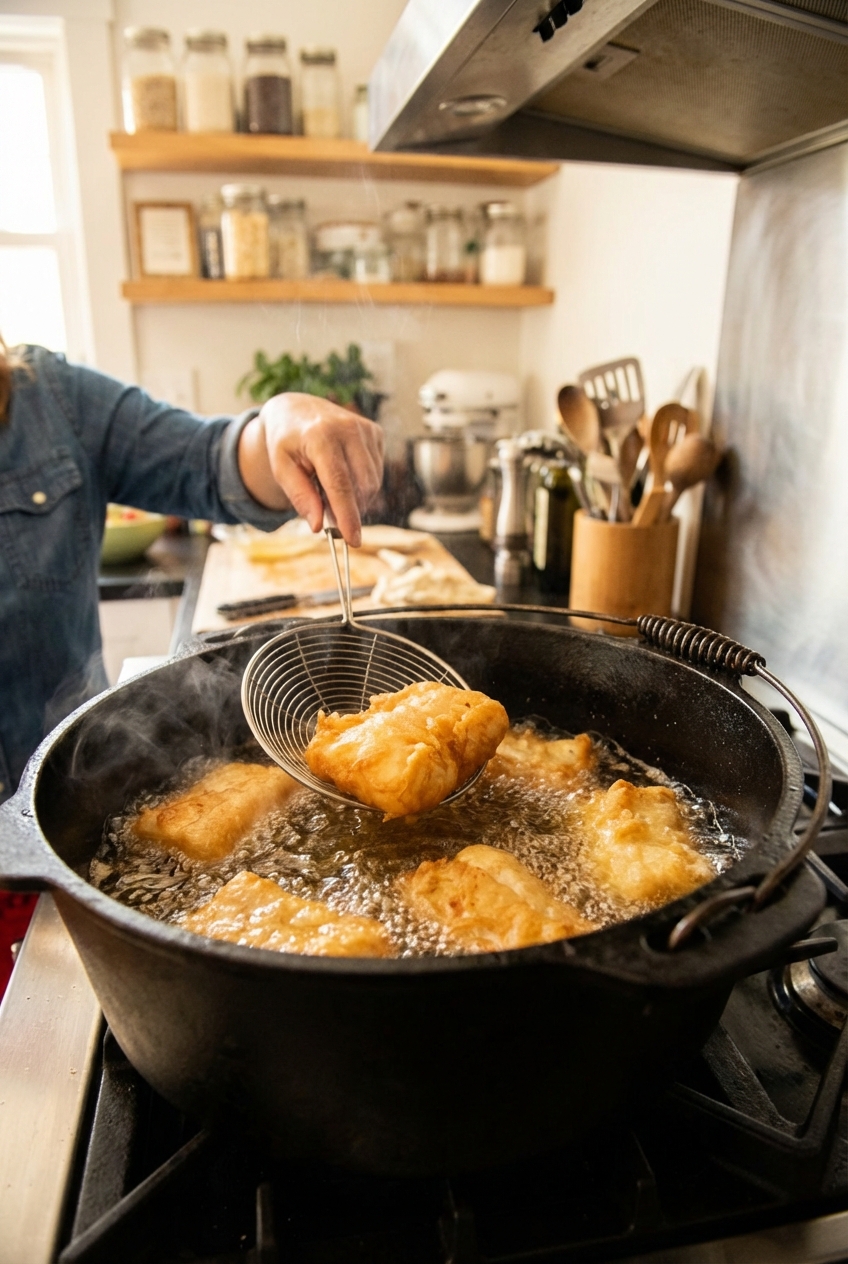
Nope. A heavy pot or Dutch oven and about 1 1/2 inches of oil is plenty. The key is giving the fish space so the oil temp does not crash, and turning as needed for even browning.

Any frying safety tips?

Keep the oil level low enough that it will not climb up the pot when you add fish, and never crowd the pot. Keep kids and pets out of the zone, use a thermometer, and avoid adding anything wet to hot oil. If oil ever looks like it is overheating, turn off the heat and cover the pot with a lid.

Troubleshooting: Why is my batter sliding off?

Usually the fish is too wet or the flour dredge is too light. Pat the fish dry, dredge evenly, and let the dredged fish sit for 5 minutes so the coating hydrates and grips. Also make sure the oil is hot enough.

The first time I tried to make fish and chips at home, I treated it like a casual weeknight idea. You know, the kind of confidence that shows up right before you realize you are out of paper towels and your oil is doing that nervous pop thing. The fish was fine, the chips were fine, but it tasted like I forgot the point.

What fixed it was not more frying or fancier fish. It was a sauce I could not stop tasting. Bright lemon, a little Dijon, salty capers, and enough creaminess to make everything feel intentional. Now this is the version I make when I want “takeout energy” but I also want to be in sweatpants and still eat something that makes me pause mid-bite and go, okay, wow.