Can I make this dough ahead?
Yes. After the first rise, cover and refrigerate the dough for 8 to 24 hours. Cold dough is easier to shape, and the flavor gets even better. Let it sit at room temperature for 30 to 60 minutes before shaping if it feels very firm.
Why is my dough so sticky?
Brioche dough starts sticky and becomes smooth as gluten develops. Keep mixing until it looks stretchy and starts pulling away from the sides of the bowl (it may still stick to the bottom). If it is still very loose after 10 to 12 minutes of mixing, add 1 tablespoon flour at a time, but go easy. Too much flour makes brioche heavy.
My dough looks greasy or “broken” after adding butter. What now?
Keep mixing. It usually comes back together with time. If your kitchen is very warm and the dough is turning shiny-oily and slack, cover and chill it for 10 to 15 minutes, then continue mixing until it turns glossy and elastic.
Do I have to use a stand mixer?
It helps a lot, but you can do it by hand with a sturdy spoon and patience. Expect more mixing time, and add the butter slowly so it actually incorporates.
Can I swap the herbs?
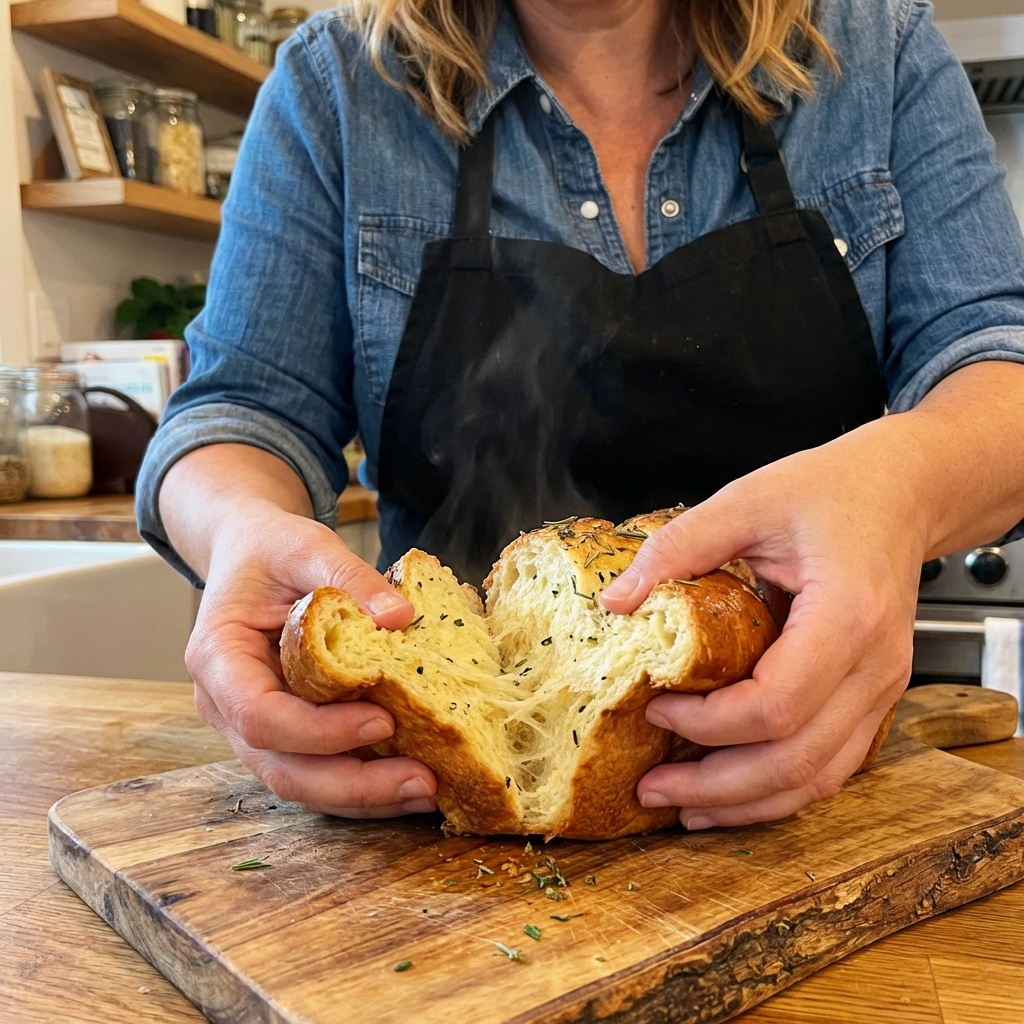
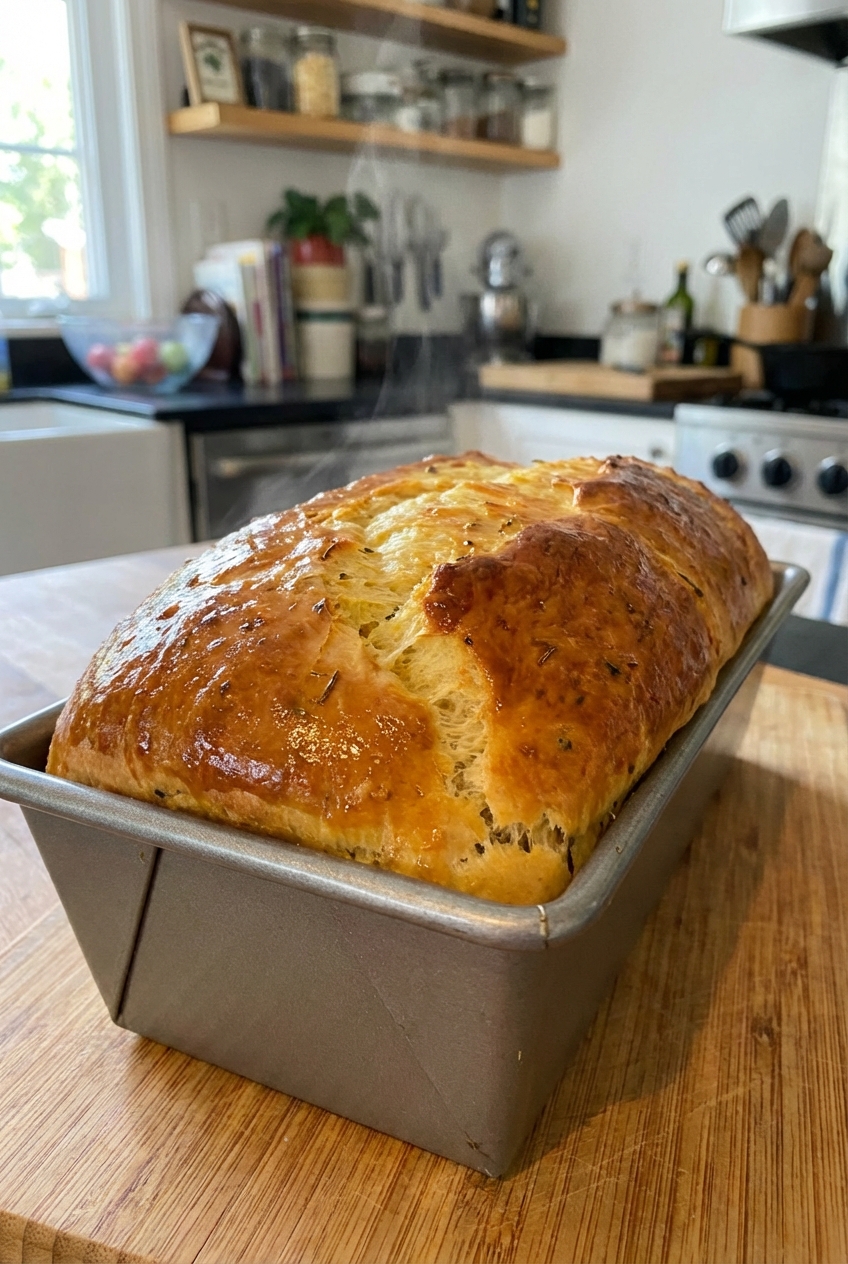
Absolutely. Rosemary and thyme are classic. Italian seasoning works. Fresh herbs are great too, just double the amount and chop them finely.
How do I know it is baked through?
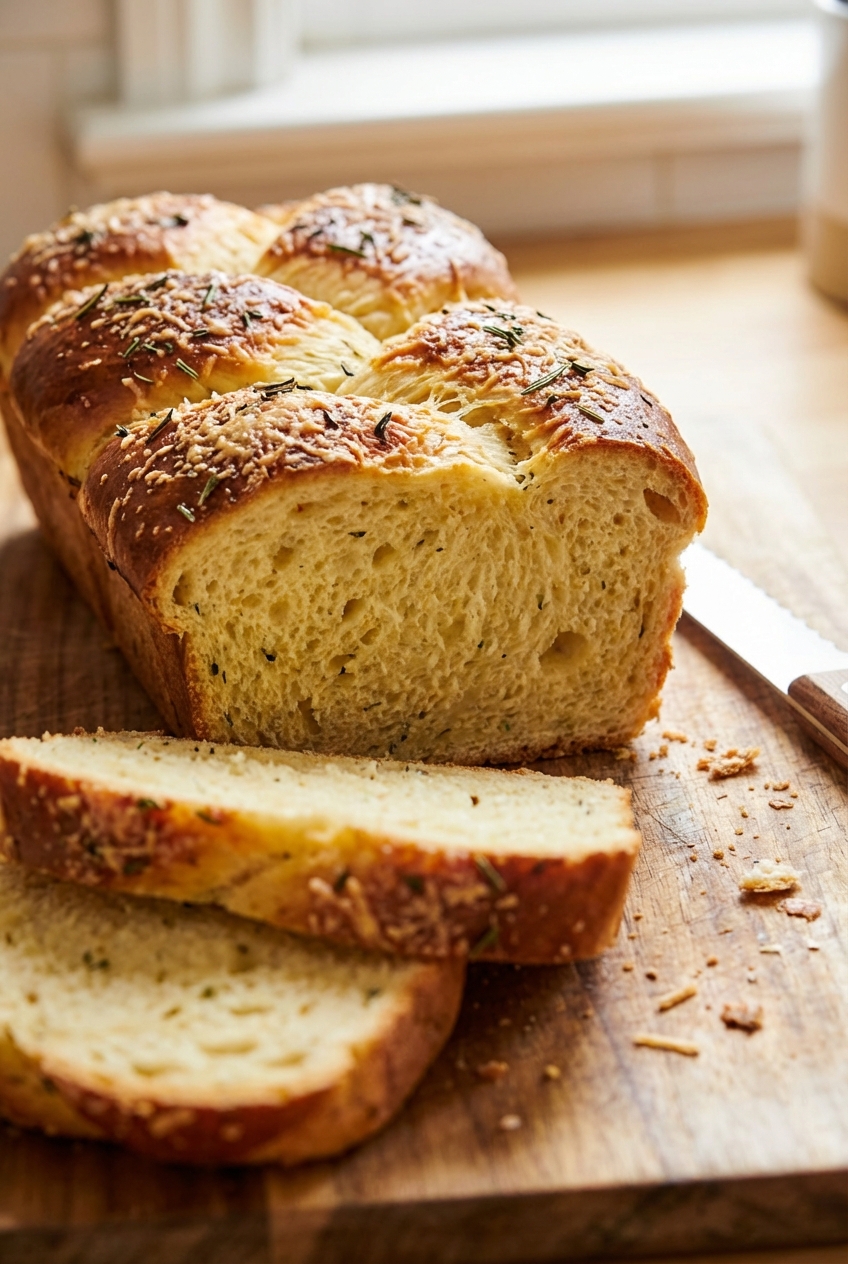
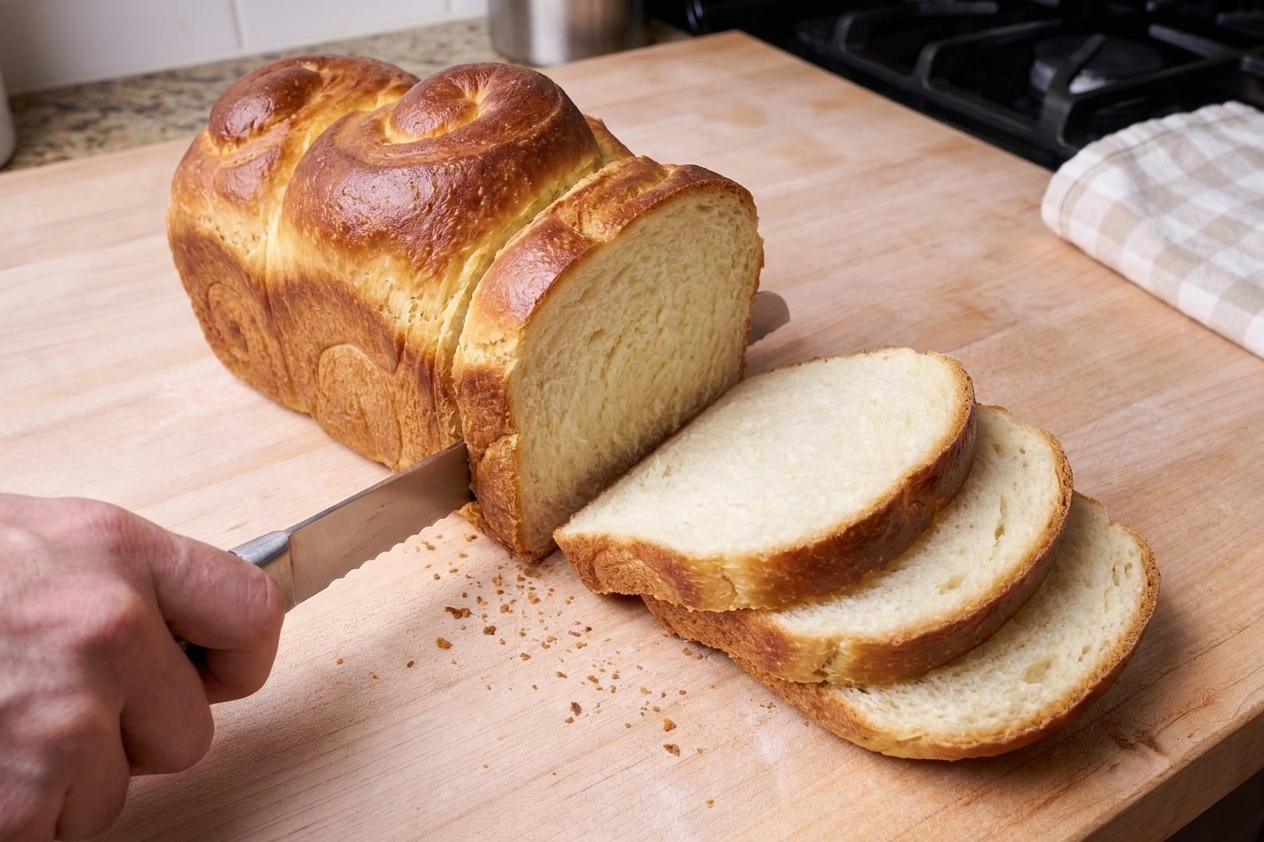
The top should be deep golden brown, and the loaf should sound hollow when tapped. For certainty, use a thermometer. The center should hit 190 to 195°F.
Can I make rolls instead of a loaf?
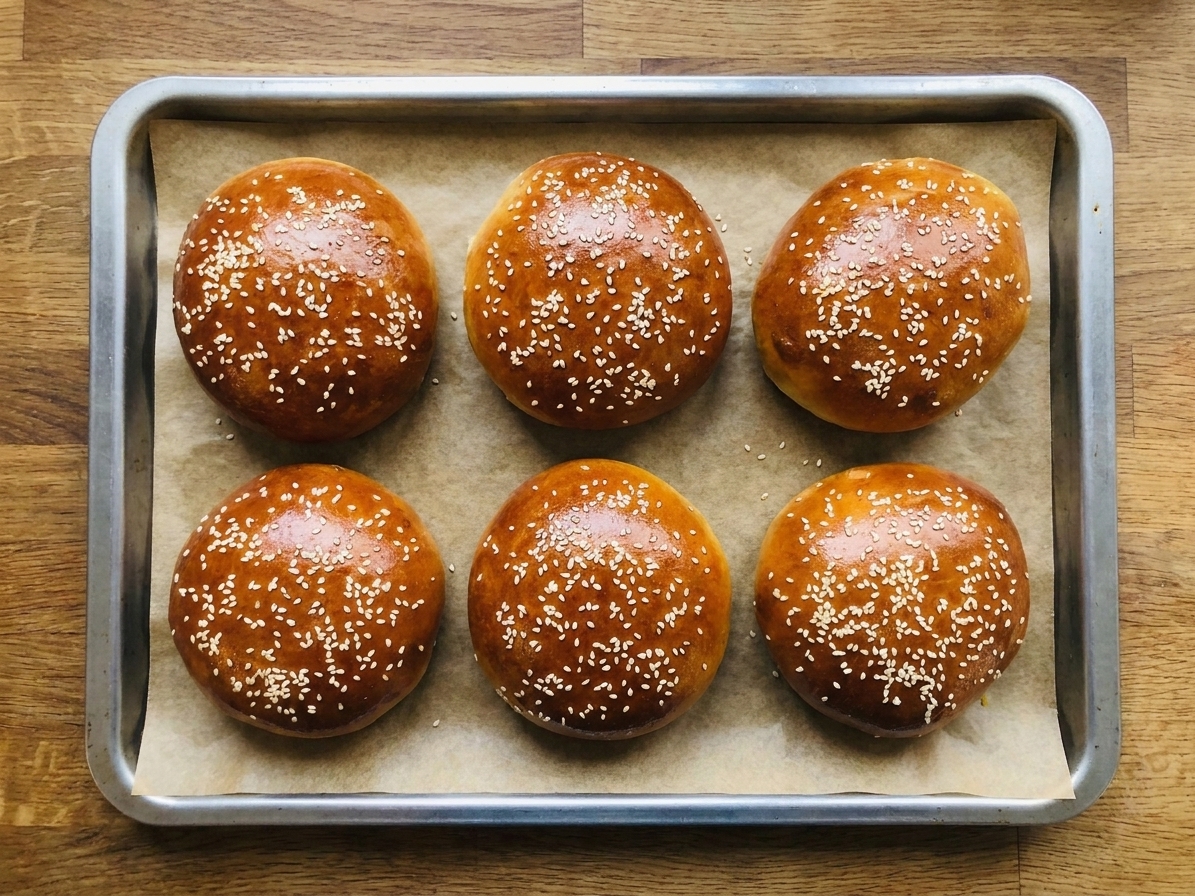
Yes. Divide into 10 to 12 pieces (about 70 to 85 g each), shape into tight balls, and place in a greased 9 x 13-inch pan or two round cake pans. Proof until puffy, brush with egg wash, and bake at 375°F for 18 to 24 minutes, until golden and 190°F in the center of a middle roll.