Is cottage cheese toast actually high in protein?
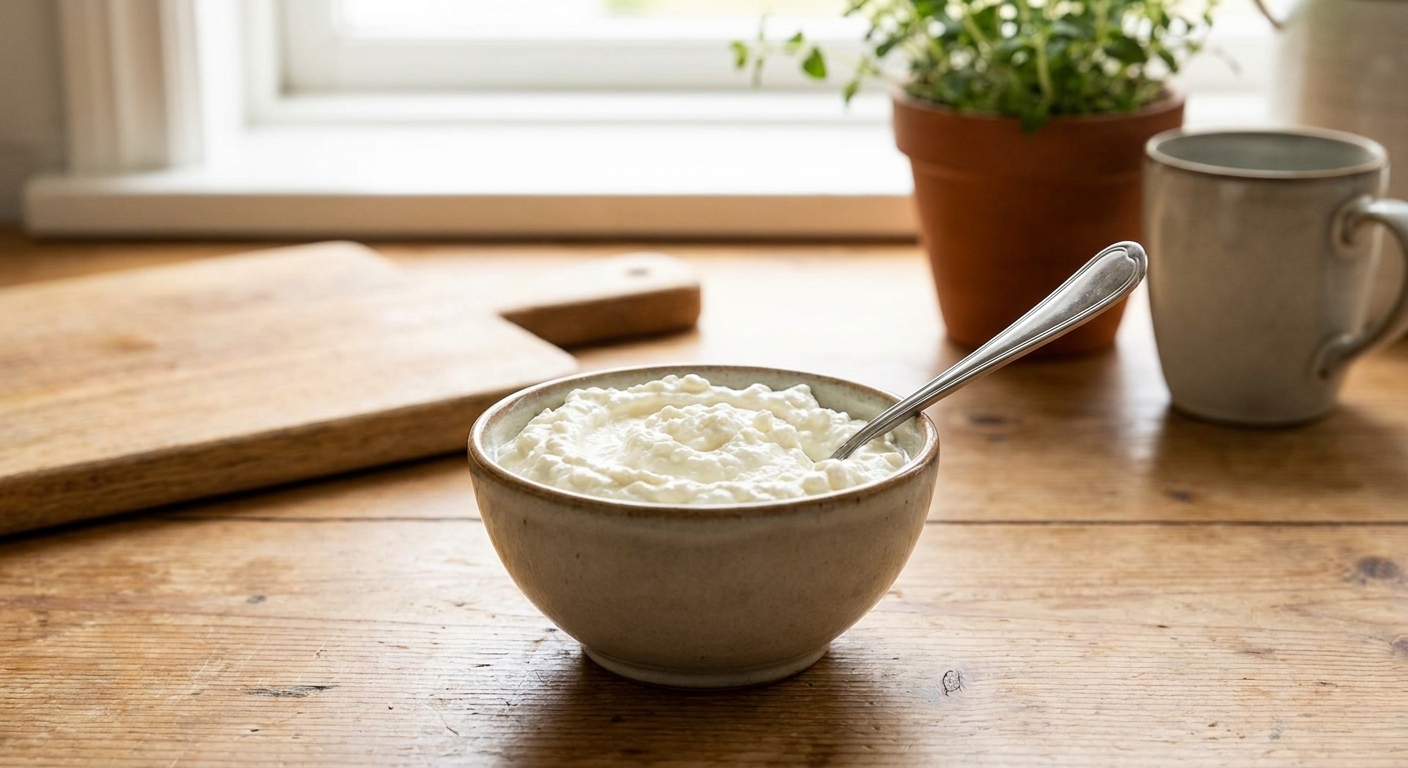
Yes. Cottage cheese is naturally high in protein. Protein note: most cottage cheese has about 12 to 16 grams protein per 1/2 cup (check your label). With 3/4 to 1 cup cottage cheese across 2 toasts, you’re typically looking at roughly 18 to 32 grams total for the whole recipe, depending on brand and how generously you swipe.
Should I whip cottage cheese or leave it chunky?
Either works. Whipped is smoother and spreads like cream cheese. Smashed keeps a little texture and is faster if you’re not trying to wash a blender. If your cottage cheese is very wet, drain it for a minute in a fine mesh strainer before whipping.
If your whipped cottage cheese turns too thin: drain first, go easy on the lemon juice and olive oil, or blend in short bursts instead of letting it run.
What bread is best for cottage cheese toast?
Use bread that can handle toppings: sourdough, whole grain, rye, or a sturdy seeded loaf. Thin sandwich bread can collapse and get soggy fast. Gluten-free works too, just choose a thicker slice and toast it well.
How do I keep the toast from getting soggy?
Toast it to deep golden brown, then let it cool for 1 minute before topping. Hot toast can steam under the cottage cheese and soften faster.
Can I make this lactose-free?
Look for lactose-free cottage cheese, which is often available now. The rest of the toppings are naturally lactose-free.
Any salt tips? Some toppings are salty.
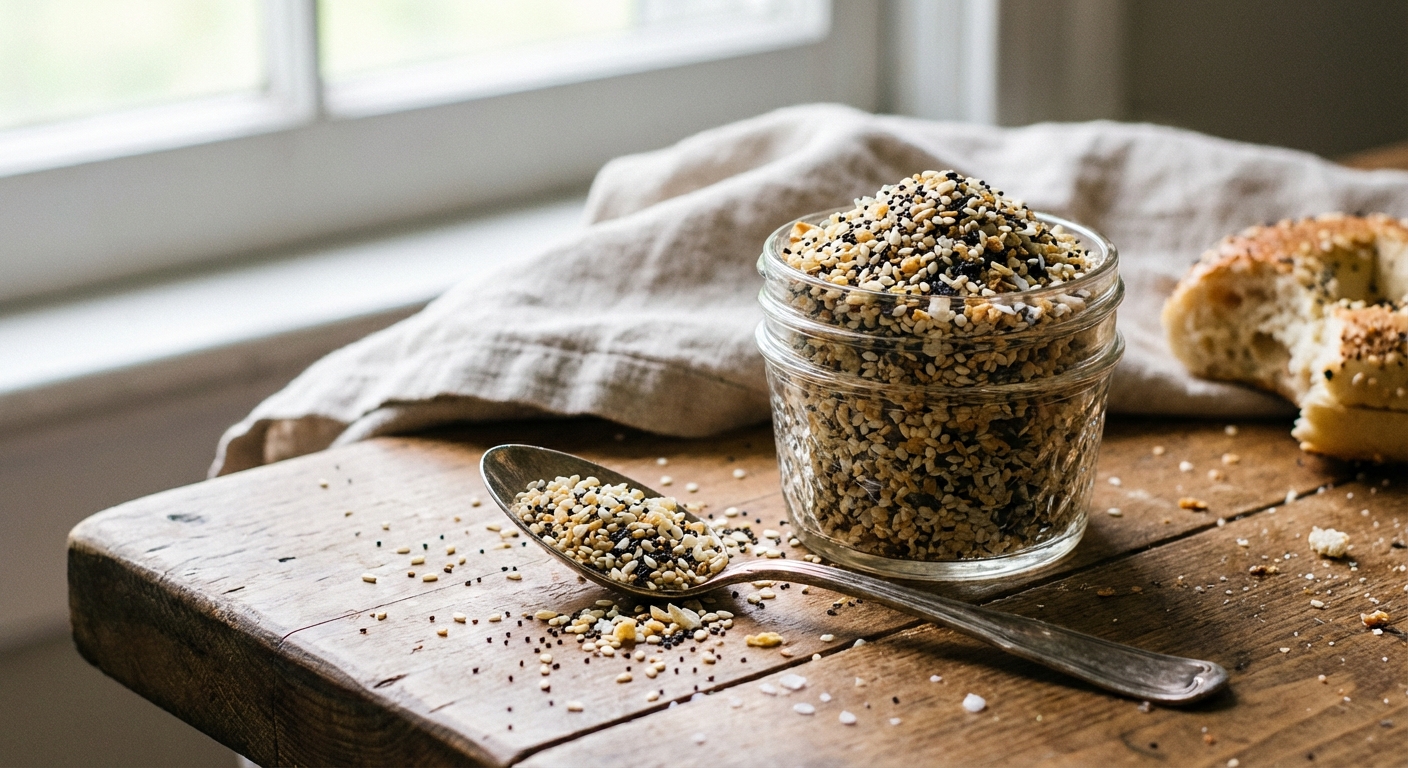
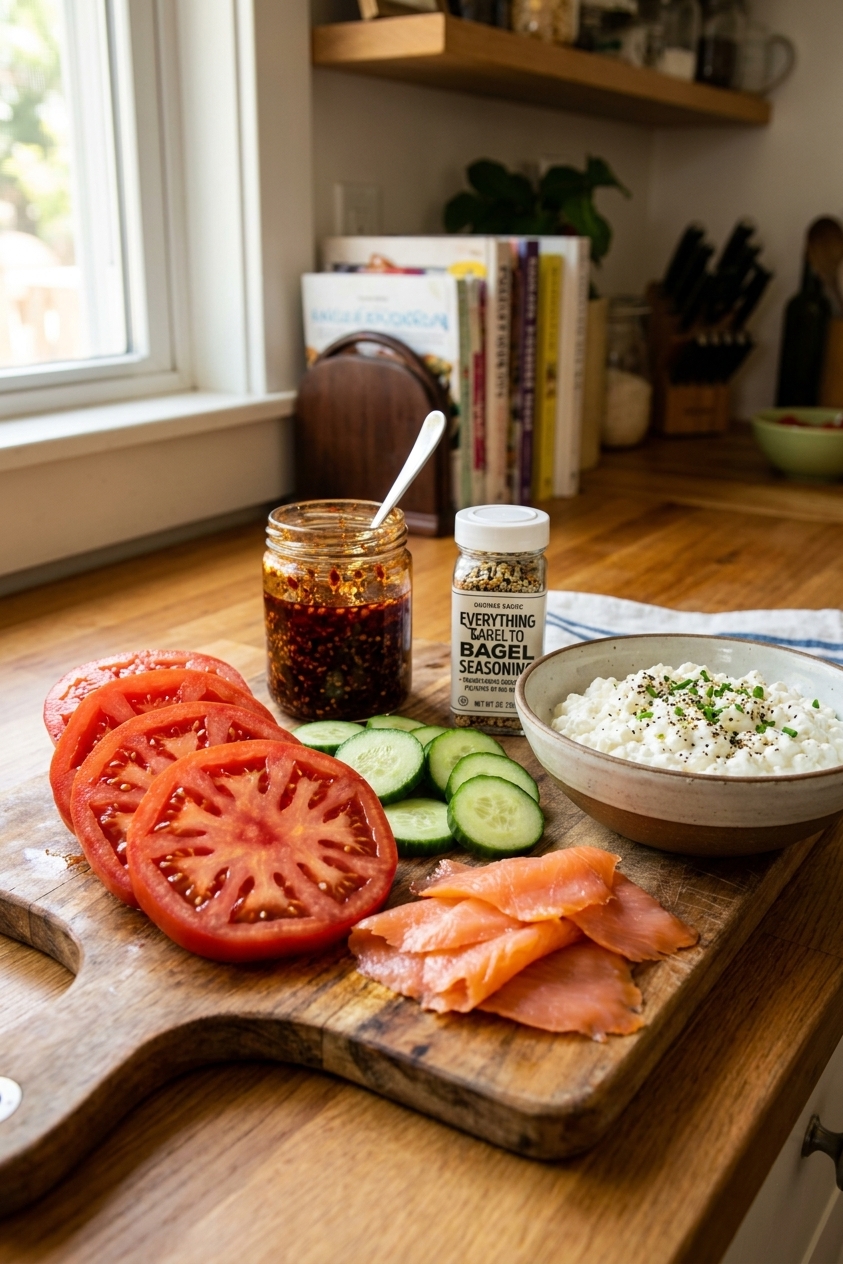
Yes, this can get salty fast (hello smoked salmon, capers, and everything bagel seasoning). If you’re using salty toppings, hold the salt in the cottage cheese until you taste the finished toast, or skip it entirely and rely on your toppings.
Quick sweet variation?
If you want the sweet version without changing your whole breakfast vibe: spread whipped cottage cheese, then top with honey and berries, plus a pinch of cinnamon. Same method, different mood.