Is savory oatmeal actually good?
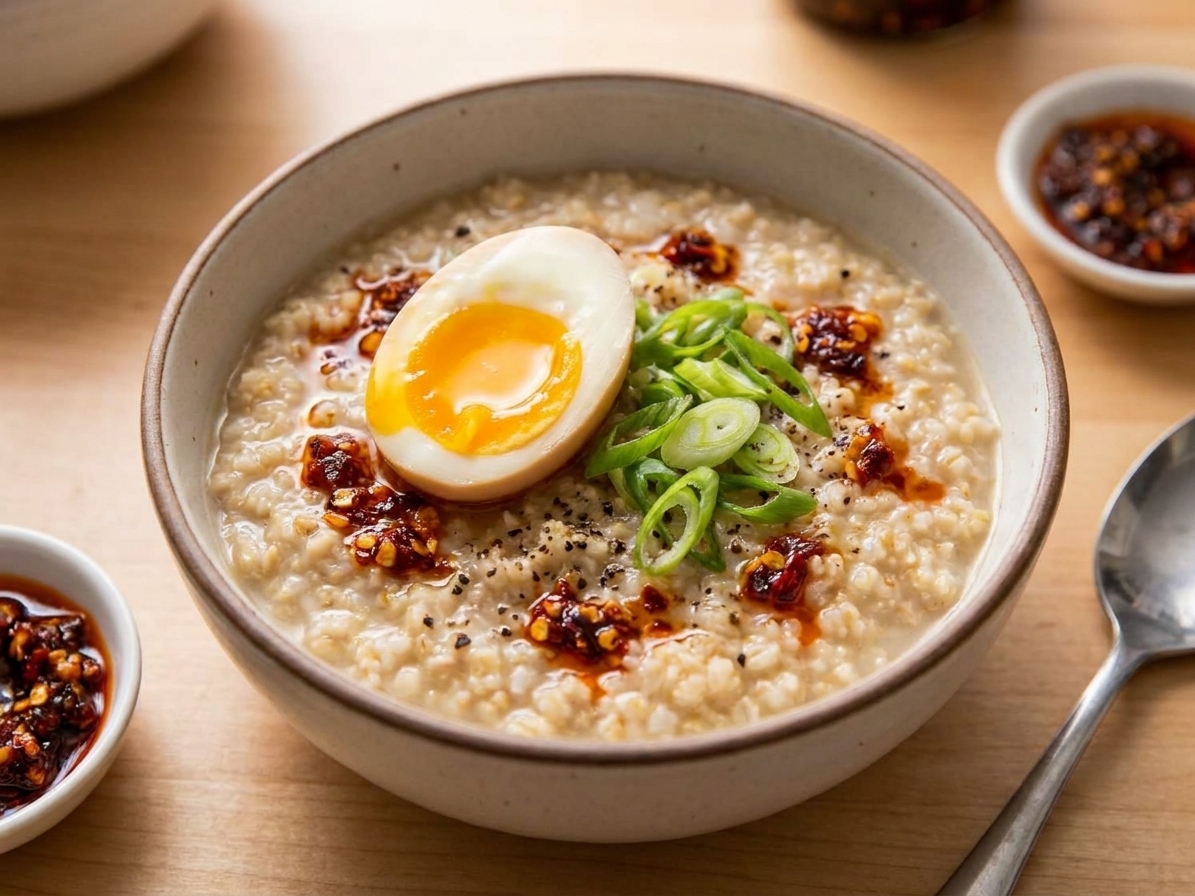
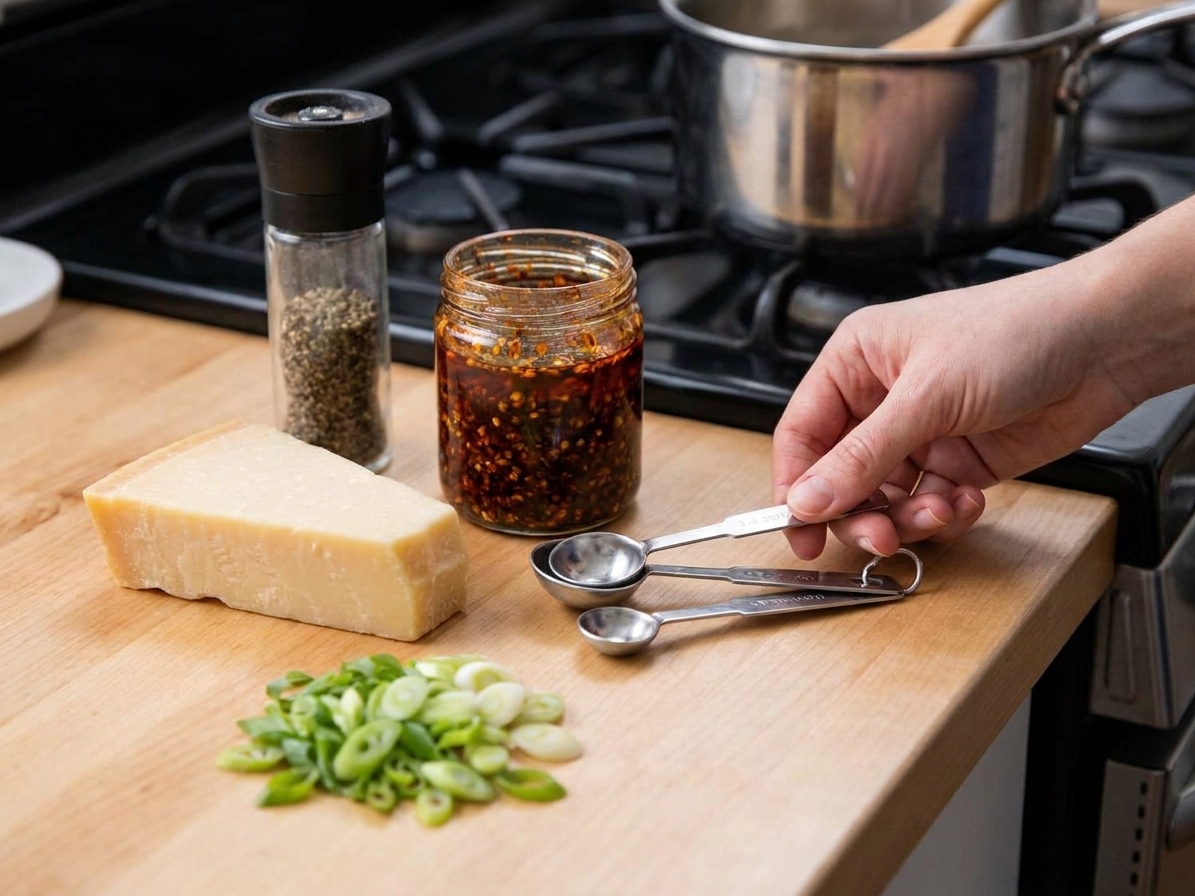
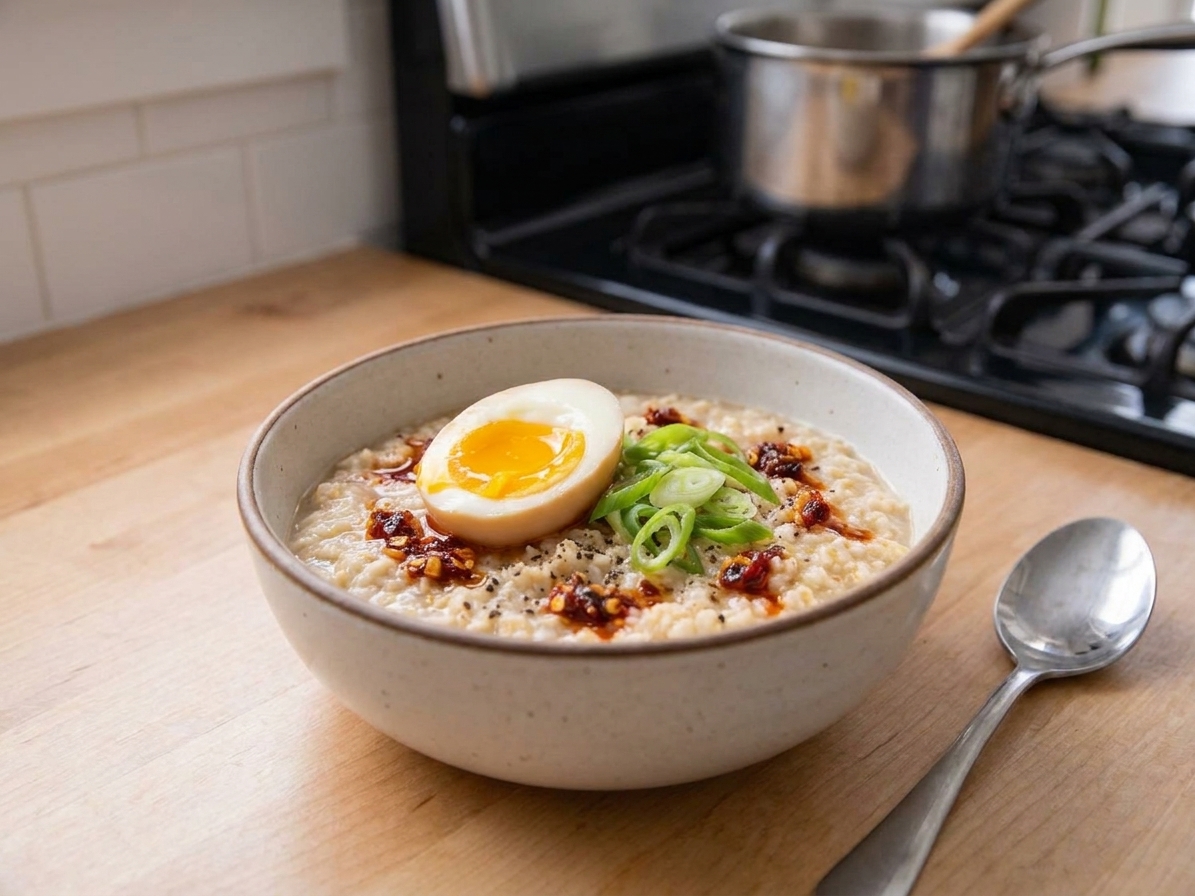
It is, and it is not a “healthy compromise” situation. Think of it like polenta or congee: a warm, creamy base that loves salty toppings, fat, and a little heat.
What kind of oats work best?
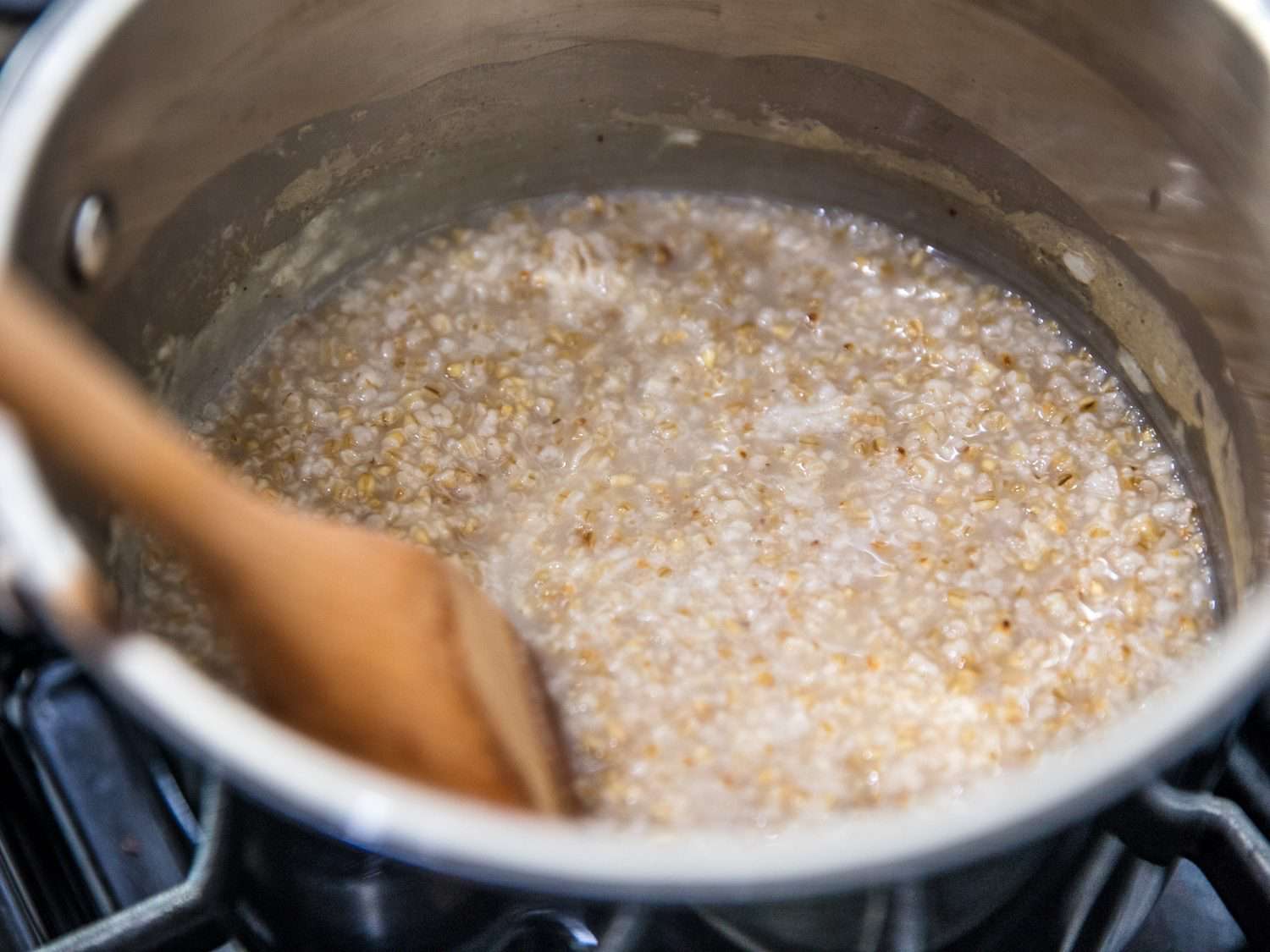
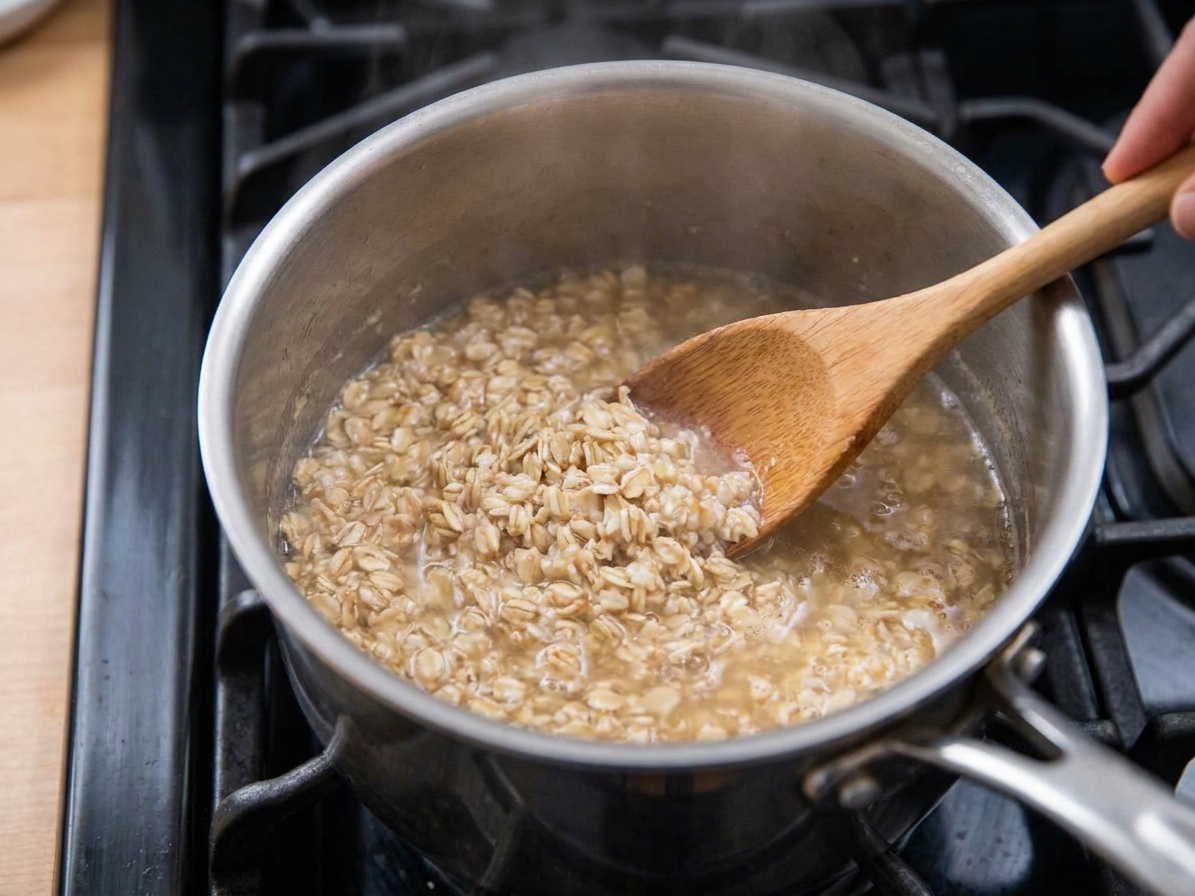
Old-fashioned rolled oats hit the sweet spot for texture. Quick oats work in a pinch (reduce cook time), but they get softer and more porridge-like. Steel-cut oats are great too, but they take longer and need more liquid.
How long do jammy eggs take, really?
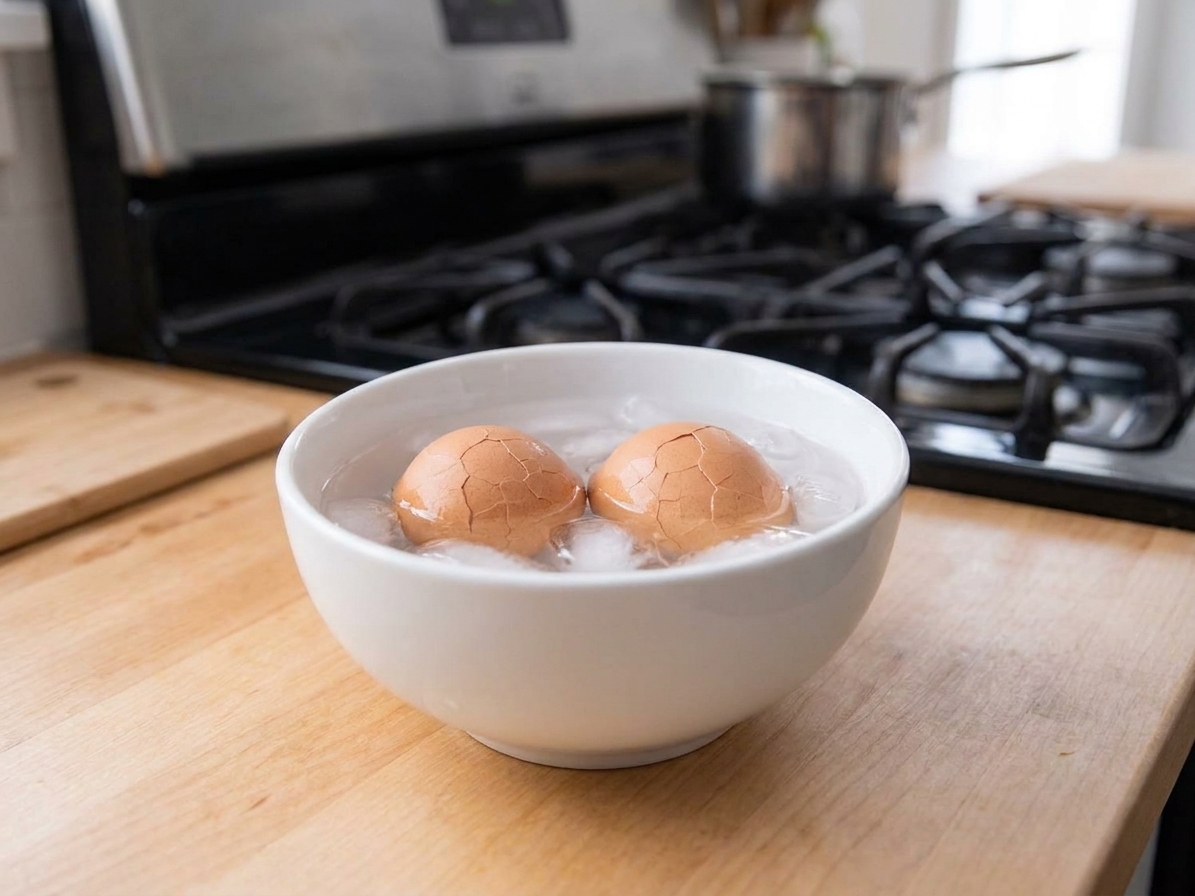
For large eggs straight from the fridge, 6 to 8 minutes in gently boiling water gets you into jammy territory. At 7 minutes you usually get that set white and soft, glossy yolk. If your eggs start at room temp, or your boil is aggressive, they can cook faster.
Can I make it dairy-free?
Yes. Skip the butter and Parmesan. Use olive oil, and finish with nutritional yeast or a spoon of tahini for richness. Taste and add salt, because cheese normally brings a lot of it.
What if my oatmeal is too thick?
Add broth or water a splash at a time and stir over low heat until it loosens up. Oats keep absorbing liquid even after the heat is off.
What protein can I add besides an egg?
Leftover rotisserie chicken, crispy tofu, sautéed mushrooms, bacon, breakfast sausage, or even a handful of edamame all work. Keep it simple and salty.
Chicken broth or vegetable broth?
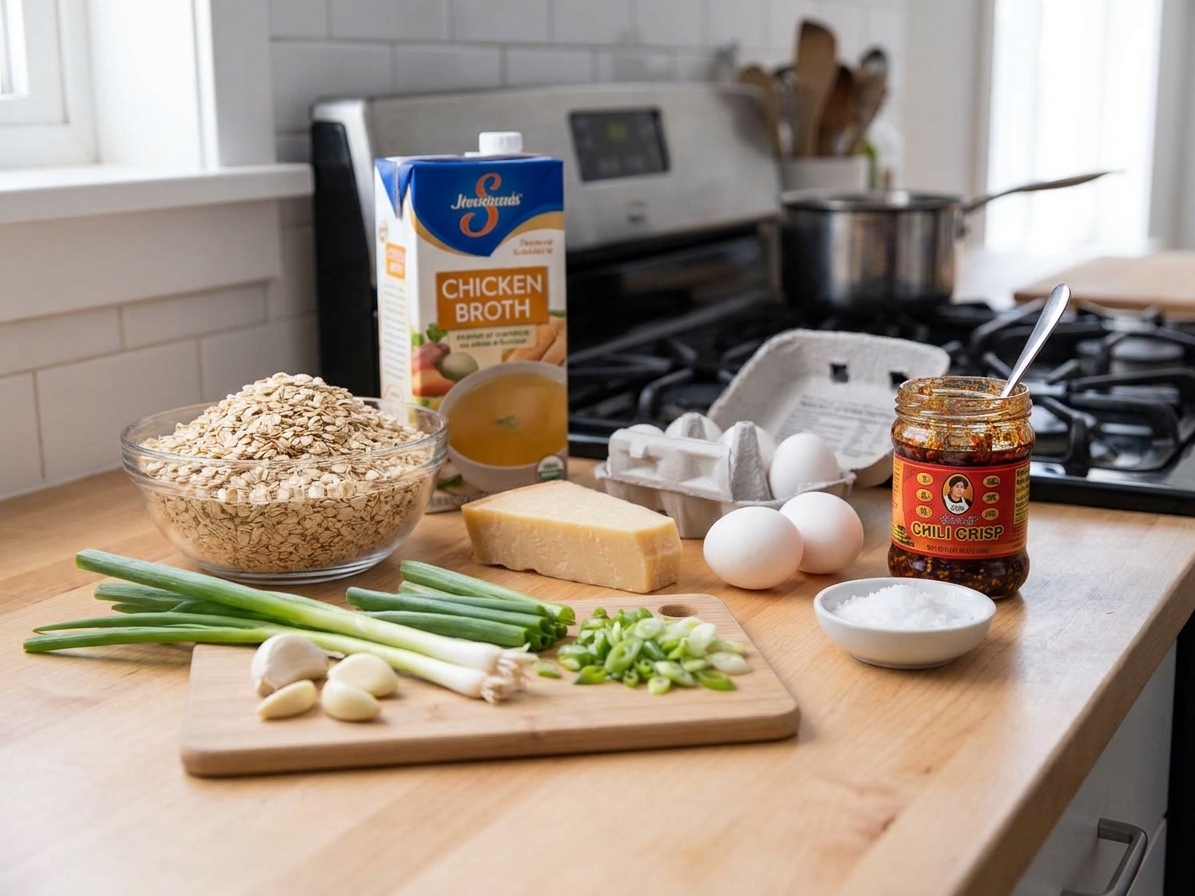
Chicken broth tastes a little richer and more savory. Vegetable broth is lighter and lets the Parmesan and chili crisp shine. Either works. Just pay attention to salt levels, because broths vary a lot.
Can I scale this for meal prep?
Yes. Double or triple the oats and broth and cook as written. Store the base plain, then reheat with a splash of broth or water and add fresh toppings (egg, scallions, chili crisp) right before eating.
What about steel-cut oats?
They are great here, just slower. Plan on 20 to 30 minutes and more liquid (follow your package as a guide), then finish with butter and Parmesan the same way.