Mom's Best Recipes
Recipe

Salmon Cake Recipe

Crisp-edged, tender-in-the-middle salmon cakes with a classic, pantry-friendly mix and a bright lemony finish. Weeknight-easy, diner-cozy, and honestly hard not to eat straight from the pan.

Author By Matt Campbell
4.8
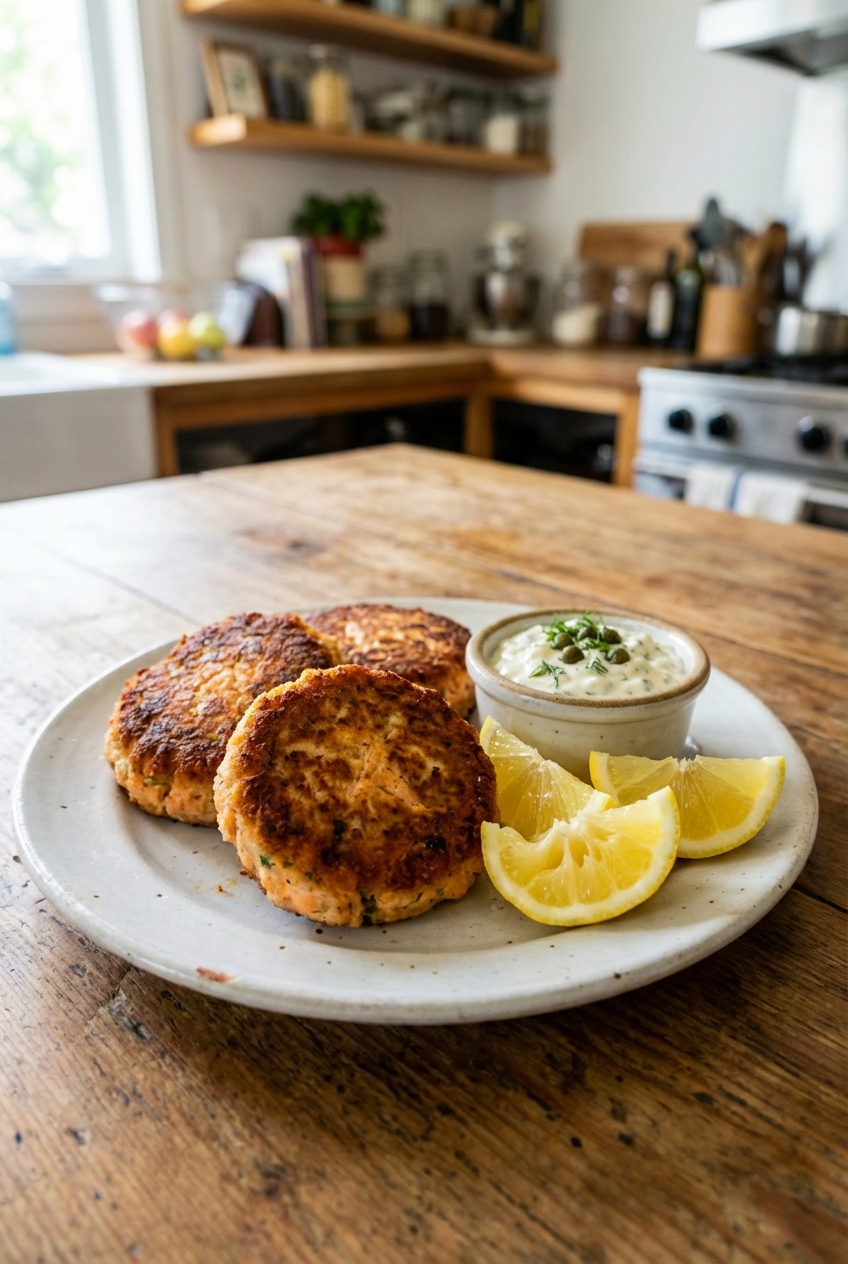
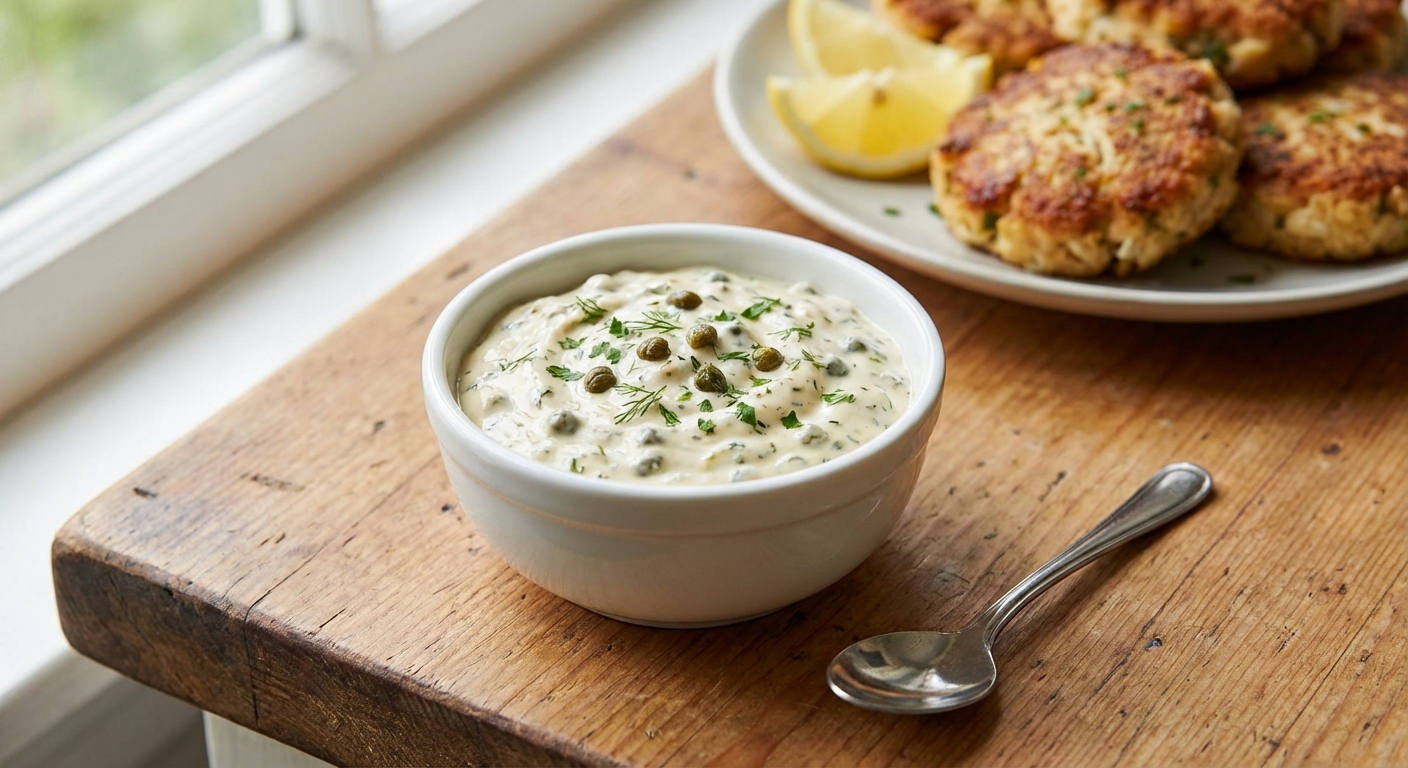
A plate of golden-brown salmon cakes with lemon wedges and a small bowl of tartar sauce on a wooden table

Salmon cakes are one of those old-school miracles that never stopped being smart. They take a few basic ingredients, turn them into something crispy, savory, and legitimately satisfying, and they do it without asking you to babysit a complicated sauce or buy a bunch of specialty stuff.

This is a classic, traditional-style salmon cake recipe with the usual building blocks: flaked salmon, a simple binder, onion, a little herb, and enough seasoning to make the whole thing taste like it meant to happen. The goal is that perfect contrast: browned edges that crackle a bit when you cut in, and a moist center that tastes like salmon, not bread.

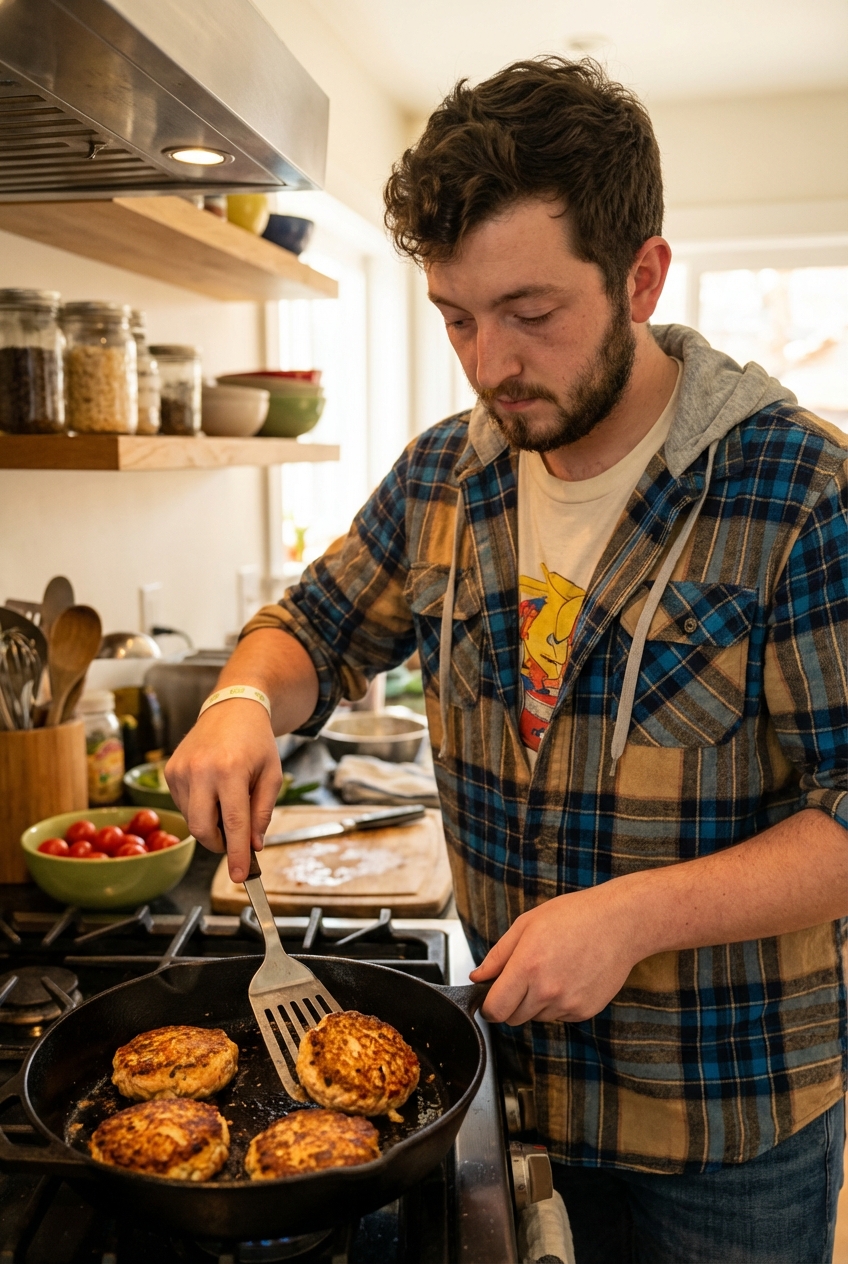
Make them for a quick dinner, tuck them into buns like a fish burger, or meal prep a batch for lunches. Just promise me one thing: do a quick test patty before you form the whole batch. The mix uses raw egg, so skip the raw taste test. A tiny fried bite is the difference between “pretty good” and “okay, wow.”
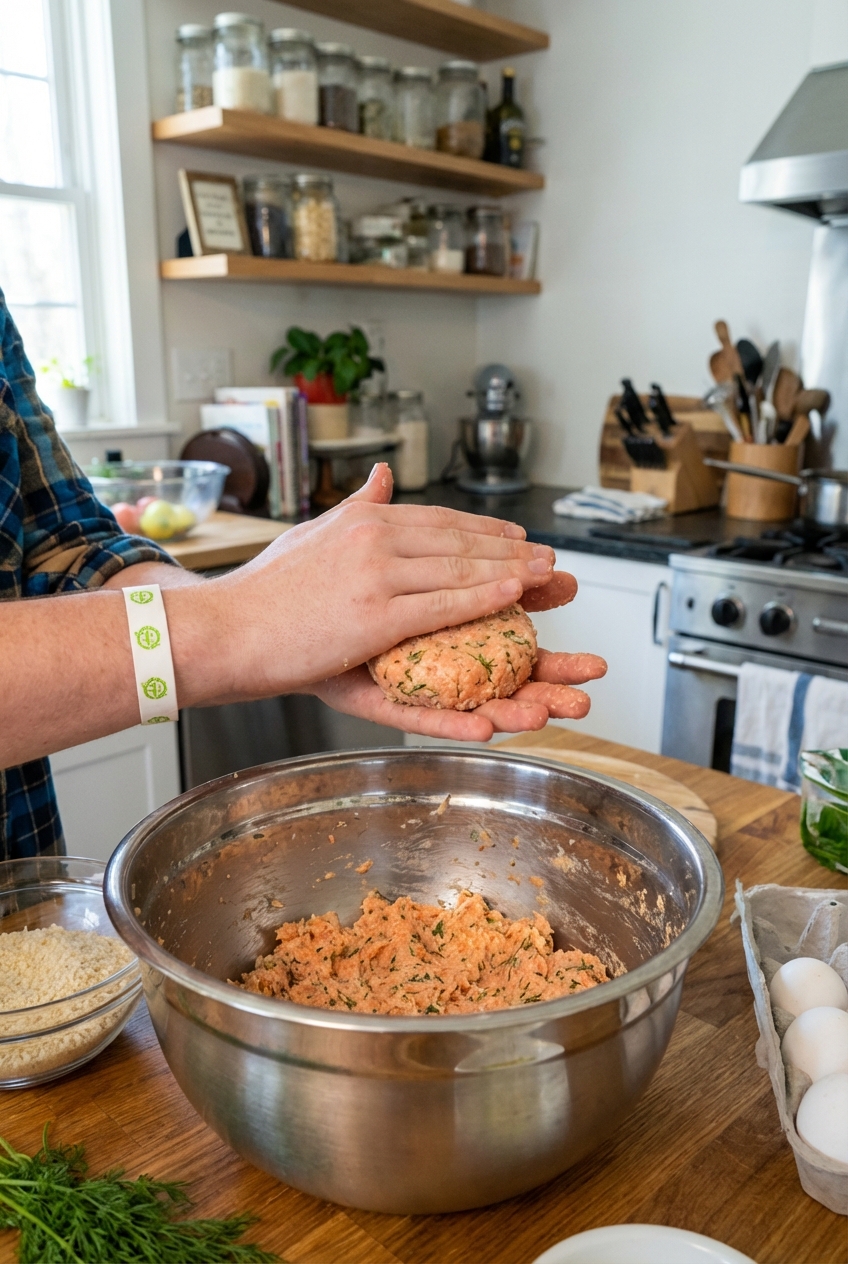
Hands shaping a salmon cake patty over a mixing bowl in a home kitchen

Why It Works

  • Crisp edges, tender centers: Chilling the patties briefly helps them hold together and brown better.
  • Classic flavor without being bland: Old Bay style seasoning plus mustard and lemon keeps things traditional but lively.
  • Accessible ingredients: Works beautifully with canned salmon, so this is pantry cooking at its best.
  • Not dry: Just enough binder to hold, not so much that it turns into a bread puck.

Pairs Well With

Storage Tips

Fridge: Cool salmon cakes completely, then store in an airtight container for up to 3 days. For best quality (because seafood is seafood), they are at their peak within 1 to 2 days. If stacking, place parchment between layers to protect the crust.

Freezer: Freeze cooked cakes on a sheet pan until firm, then transfer to a freezer bag for up to 2 months. Thaw overnight in the fridge for best texture.

Reheat (best options):

  • Skillet: Medium heat with a little oil, 2 to 4 minutes per side, until hot (or 165°F in the center).
  • Oven or air fryer: 375°F for 8 to 12 minutes, flipping once, until hot and crisp (or 165°F in the center).
  • Microwave: Works in a pinch, but you will lose the crunchy edges.

Texture fix: If they soften in storage, a quick toast in a hot pan brings the texture right back.

Common Questions

Is canned salmon traditional for salmon cakes?

Yes. Many classic American salmon cake recipes were built around canned salmon because it is affordable, shelf-stable, and easy. You can absolutely use fresh cooked salmon too, but canned is very traditional.

Do I need to remove the skin and bones from canned salmon?

Remove the skin. The soft bones are edible and mash easily, plus they add calcium. If you keep them, just crush them with a fork until you cannot feel them in the mix. If you prefer a smoother texture, remove them, but it is not required.

Why are my salmon cakes falling apart?

Usually it is one of three things: the mix is too wet, the patties were not chilled, or the pan was not hot enough to set the crust. Add 1 to 2 tablespoons more breadcrumbs if needed, chill 10 minutes, and make sure the oil is shimmering before the cakes go in.

Can I bake these instead of pan-frying?

You can. Brush or spray both sides with oil and bake at 425°F for 12 to 16 minutes, flipping once. Pan-frying gives the most traditional crisp edge, but baking is lower mess.

What sauce goes with classic salmon cakes?

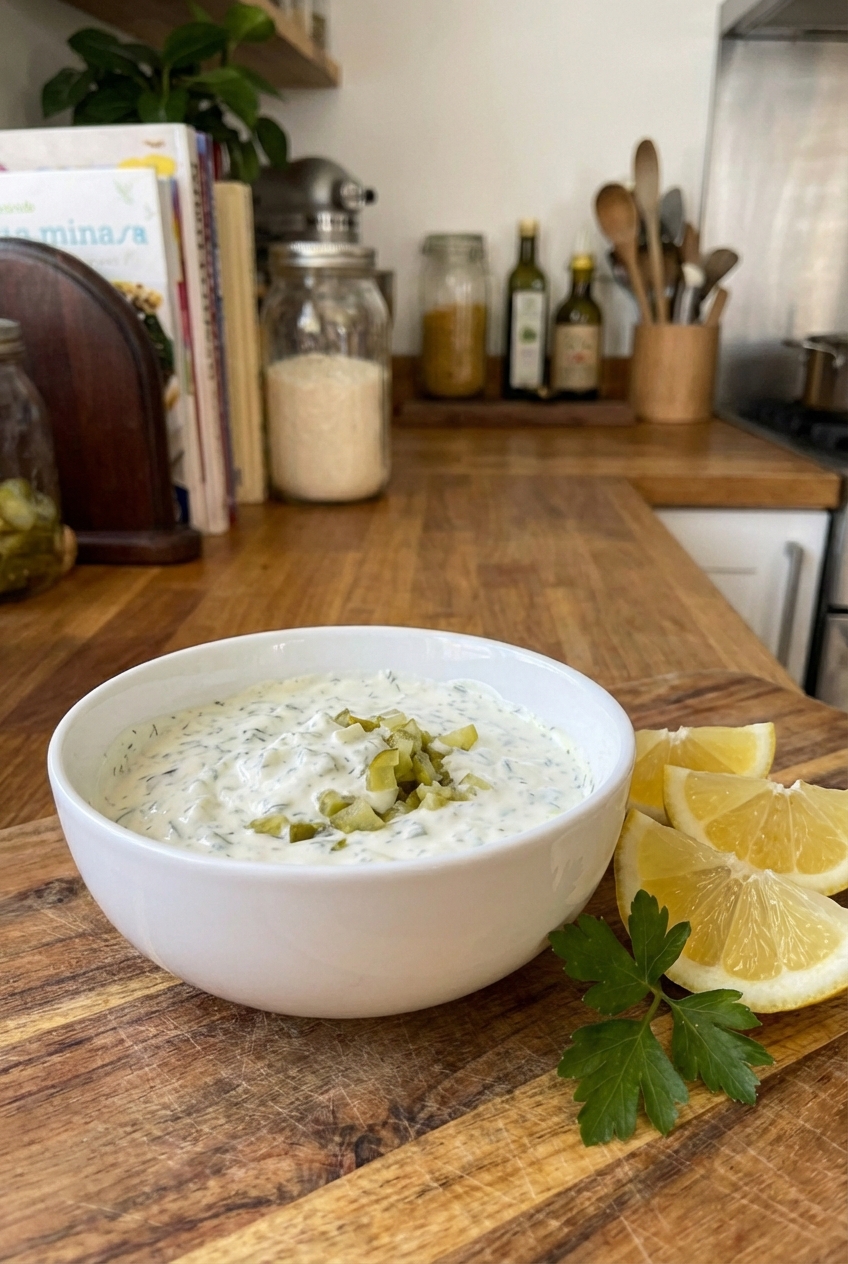
Tartar sauce is the classic. I also love a quick mix of mayo, lemon juice, Dijon, and dill or parsley.

Salmon cakes are one of my favorite “we have dinner, I swear” recipes. The first time I made them, I treated the mixture like meatballs and overmixed it into a paste. They held together like champs, but the texture was giving seafood puck. Now I mix like I mean it, but I stop early. Big flakes, gentle hands, hot pan. I also learned the hard way that tasting the raw mix is not the move when there is egg in there, so I fry a tiny test patty instead. When you get that first crisp edge and a little lemon hits the salty bite, it tastes like something your mom made on purpose, even if you built it from pantry stuff and vibes.