Get a clear, step-by-step recipe with practical tips, ingredient notes, and serving suggestions. Ideal for quick meals, entertaining, or satisfying cravings ...
Trout is one of those ingredients that looks like you tried really hard, even when you absolutely did not. It cooks fast, stays tender, and loves bold flavors. This version is my favorite kind of home cooking: crisp skin, juicy flakes, and a silky pan sauce that tastes like it came from a restaurant with cloth napkins.
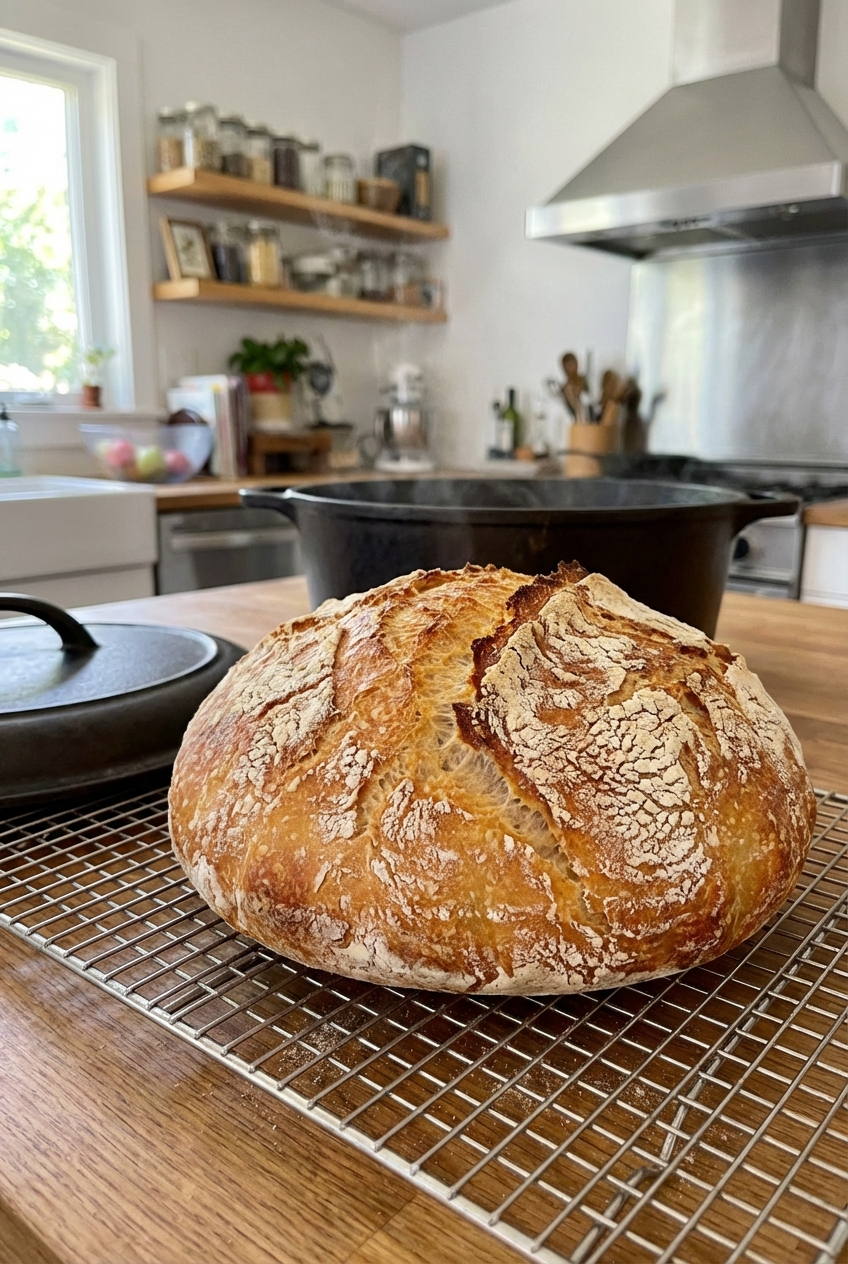
The sauce is the whole point. We build it right in the same pan with butter, lemon, garlic, and a splash of broth. It turns glossy, coats the back of a spoon, and makes you want to drag a piece of bread through the skillet like you are hiding evidence. No shame.
If you are new to cooking fish, trout is a great place to start. It is forgiving, it is flavorful, and it will reward you for one simple habit: pat it dry before it hits the pan.