Mom's Best Recipes
Recipe

Savory Drumstick Recipe

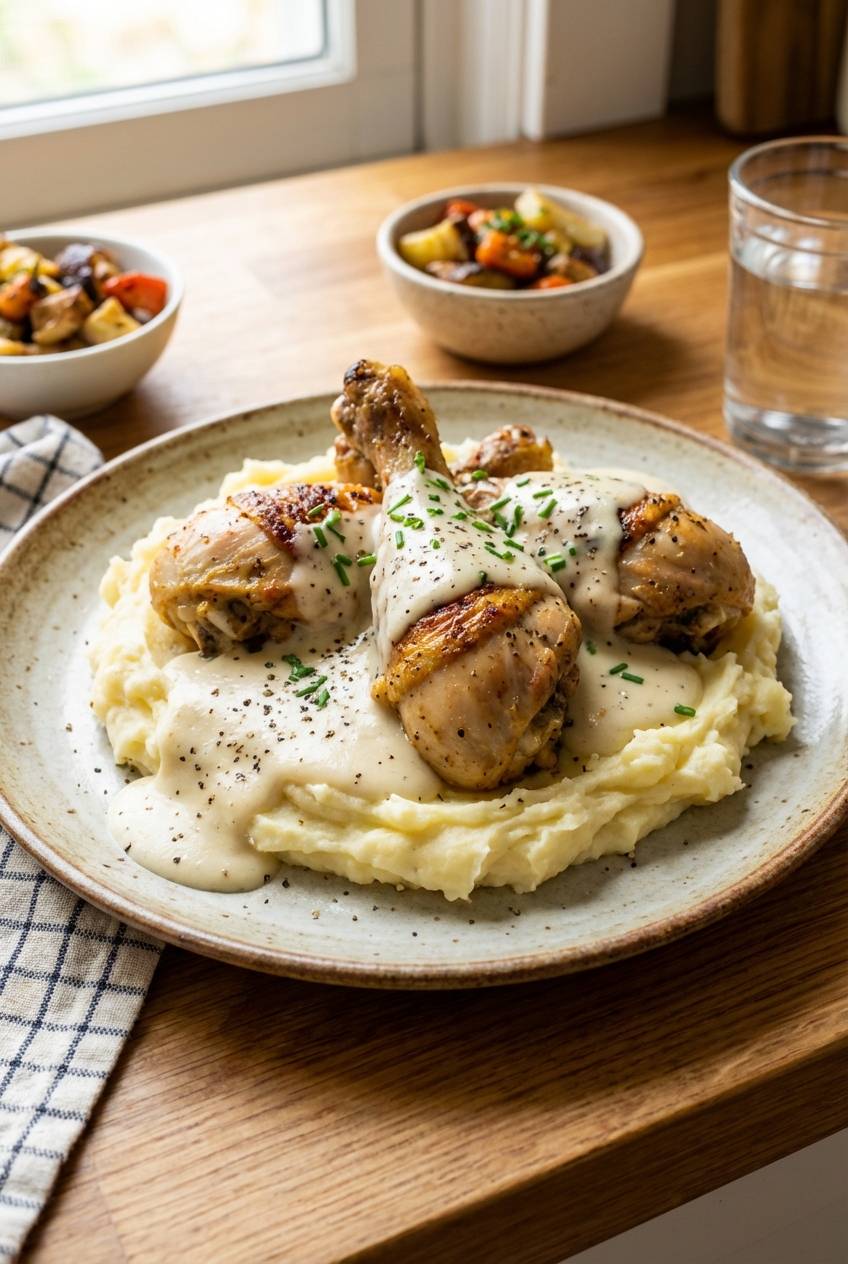
Crisp-edged chicken drumsticks in a rich, velvety pan sauce with garlic, thyme, and a splash of lemon. Cozy, bold, and weeknight-friendly.

Author By Matt Campbell
4.8
Golden-brown chicken drumsticks in a cast iron skillet coated in a glossy, creamy pan sauce with thyme

Chicken drumsticks are wildly underrated. They are forgiving, flavorful, and basically built for crisp skin. This version goes a step further: we sear them hard, then simmer them until tender, then pull a silky, savory sauce out of the same pan like it was the plan all along.

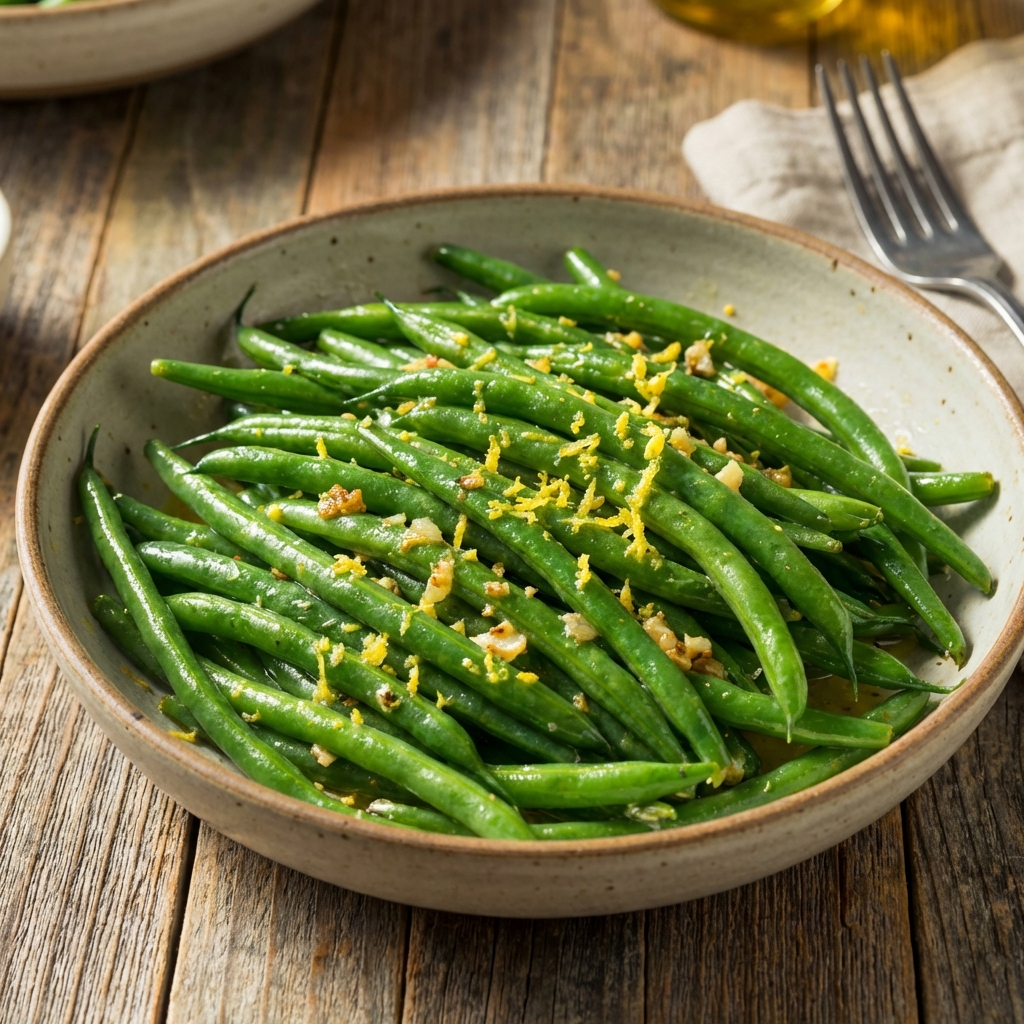
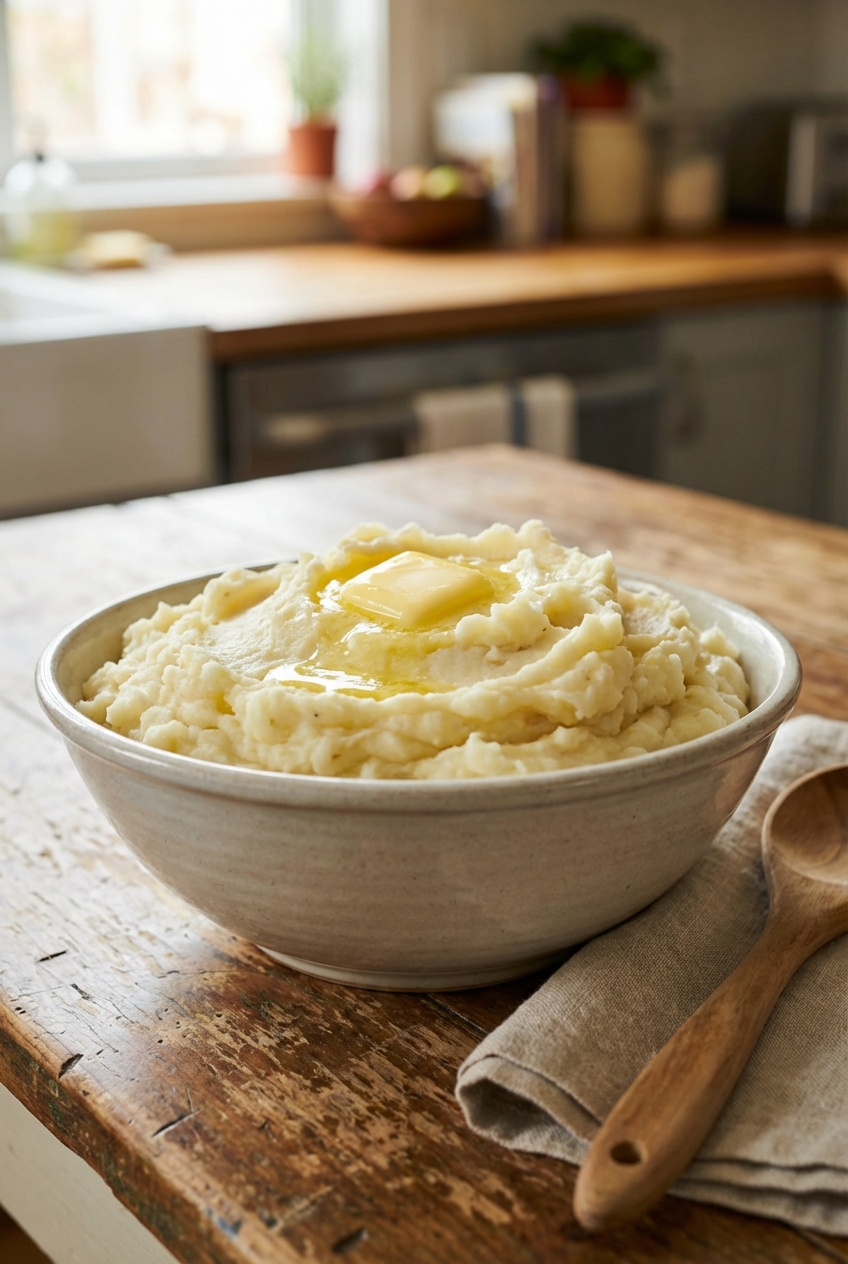
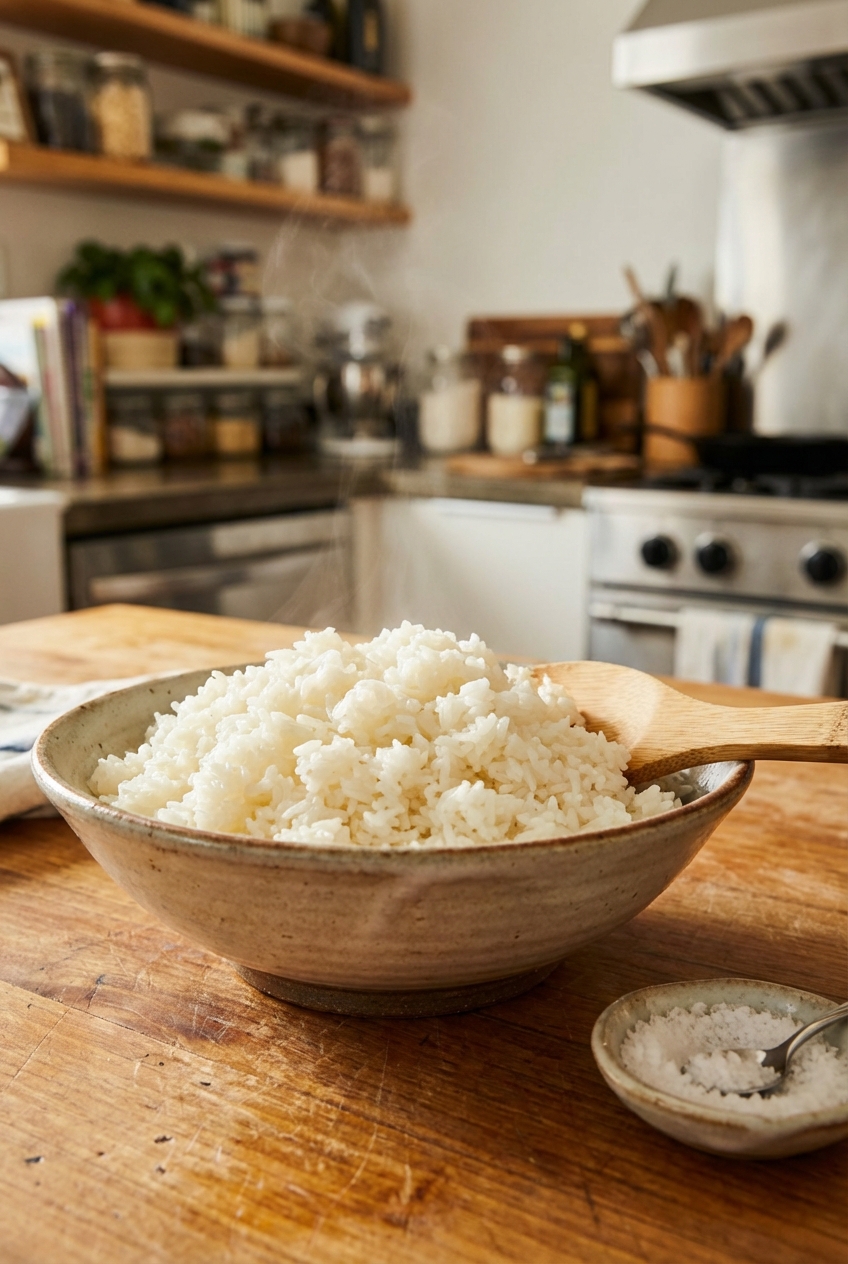
The vibe here is velvety and rich, not heavy. Think garlic, thyme, a little Dijon for backbone, and just enough cream to make the sauce cling to every bite. A squeeze of lemon at the end keeps everything awake. Serve it over mashed potatoes, rice, or any cozy carb that is ready to catch drips.
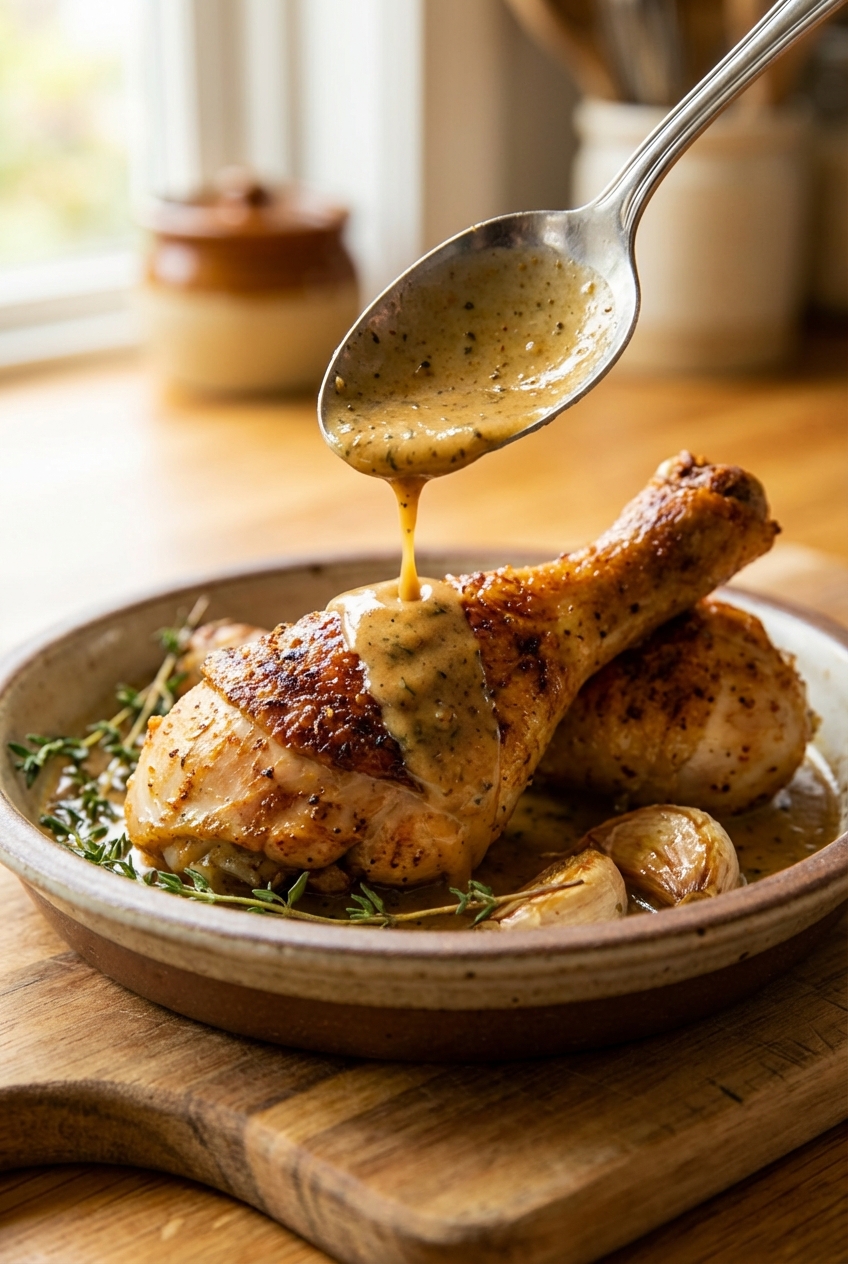
Close-up of a spoon drizzling creamy pan sauce over a browned chicken drumstick

Why It Works

  • Crisp edges, juicy meat: Searing first gives you that browned, savory crust before the gentle simmer finishes the job.
  • A sauce that actually tastes like chicken: We build it from the fond in the pan, then round it out with broth, Dijon, and cream.
  • Balanced richness: Lemon at the end keeps the sauce bright so it does not feel like a sleepy bite.
  • Accessible ingredients: No obscure pantry items. Just smart technique and a good stir.

Pairs Well With

Storage Tips

If you have leftovers, you are in luck. Drumsticks get even better after a night in the fridge because the sauce settles in and turns extra clingy.

How to refrigerate

  • Cool briefly, then refrigerate within 2 hours (within 1 hour if it is very hot where you are). For faster cooling, portion into shallow containers.
  • Store chicken and sauce together in an airtight container.
  • Keep refrigerated up to 4 days.

How to freeze

  • Freeze drumsticks with sauce in a freezer-safe container up to 2 months.
  • Thaw overnight in the fridge for the best texture.

Reheating without breaking the sauce

  • Warm gently in a covered skillet over low heat with a splash of broth or water, turning the drumsticks once or twice.
  • If the sauce looks a little split, whisk in 1 to 2 teaspoons of cold cream or a small knob of butter off the heat. It usually snaps right back.

Common Questions

Can I use chicken thighs instead of drumsticks?

Yes. Bone-in, skin-on thighs work great. Sear skin side down until deeply golden, then simmer until they hit 175°F to 185°F for the best balance of juicy and tender. If you like them extra tender, you can take them up to about 190°F, just keep an eye on them so they do not dry out.

Do I have to use cream?

No. For a lighter sauce, swap cream for evaporated milk or stir in 2 to 3 tablespoons plain Greek yogurt off the heat (yogurt can split if boiled). You can also leave it out entirely and finish with butter for gloss.

How do I know the drumsticks are done?

Use a thermometer. Drumsticks are happiest at 175°F to 185°F internal because the connective tissue softens and the meat turns tender. Minimum safe temp is 165°F, but drumsticks improve above that.

My sauce is too thin. How do I thicken it?

Simmer it uncovered for a few minutes, whisking. If you need a quick fix, mix 1 teaspoon cornstarch with 1 tablespoon cold water, whisk it in, and simmer 1 minute.

My sauce tastes flat. What should I do?

Add salt first, then a squeeze of lemon. If it still feels sleepy, stir in a little extra Dijon or a tiny splash of Worcestershire for depth. The sauce should taste like you meant it.

I started making drumsticks when I was trying to get better at the kind of cooking that feels like restaurant food without the restaurant stress. Drumsticks are perfect for that. They are cheap, hard to ruin, and they reward you for doing one thing well: browning them until they smell like you meant it. The sauce happened the way a lot of good sauces happen in a home kitchen, by refusing to waste the browned bits and asking, “Okay, what if I just keep going?”