Mom's Best Recipes
Recipe

Sea Bass Ceviche

Tender sea bass in a punchy citrus marinade with avocado, cucumber, jalapeño, and herbs. Fresh, fast, and built for chips.

Author By Matt Campbell
4.8
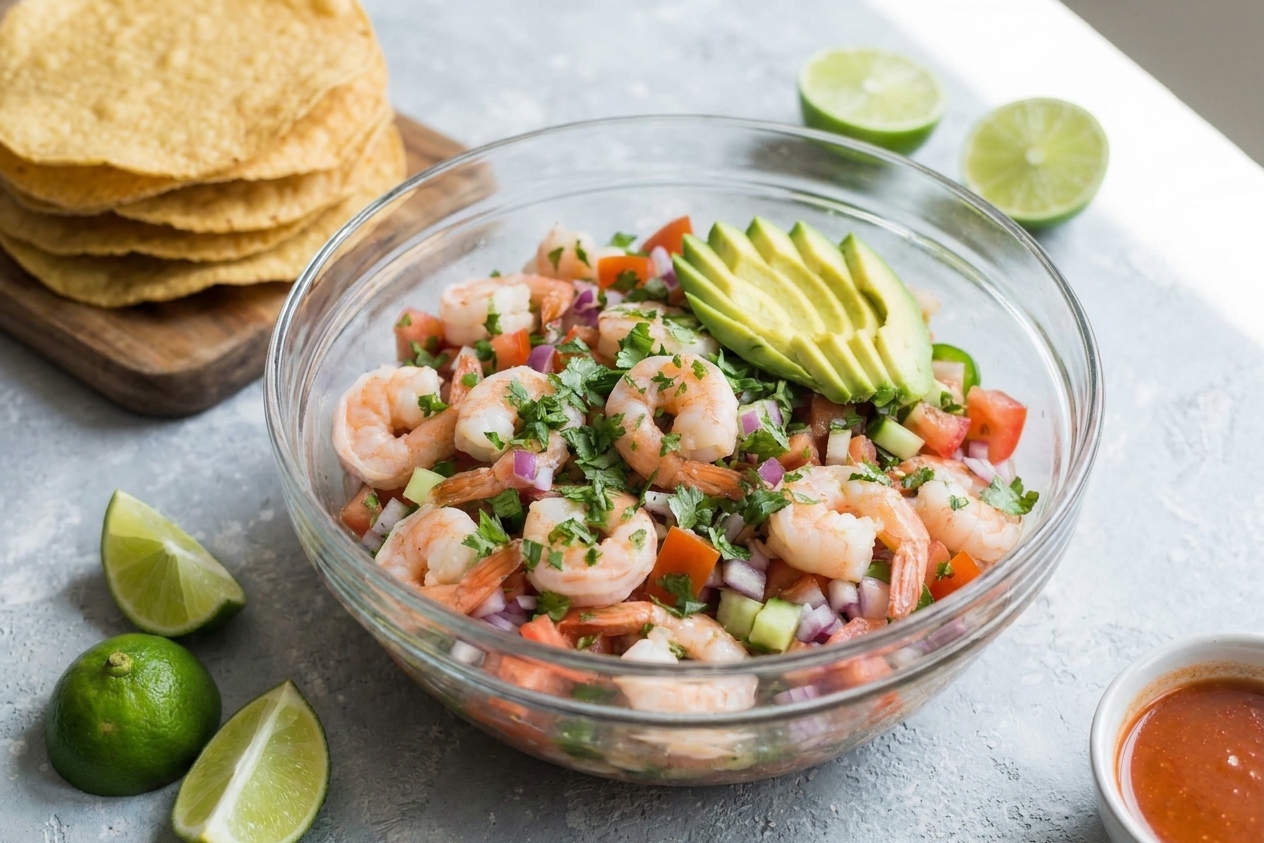
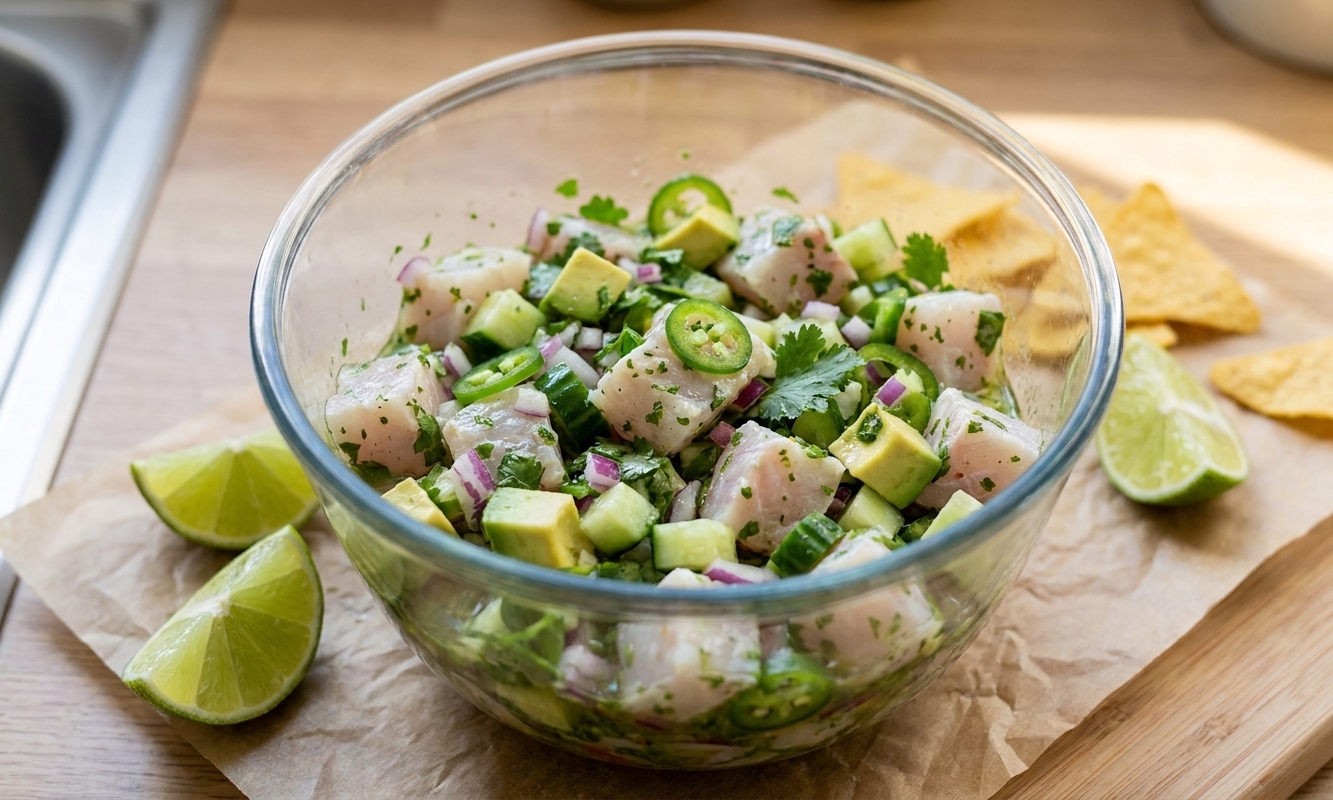
A glass bowl of sea bass ceviche with lime wedges, diced avocado, cucumber, red onion, cilantro, and thin jalapeño slices on a light kitchen counter

Ceviche is one of my favorite kitchen magic tricks because it feels fancy, but it is basically just great fish + confident citrus + a little patience. Sea bass is especially good here. It is mild, buttery, and takes on bright flavors like it was born for it.

This version leans fresh and crunchy with cucumber, red onion, and cilantro, plus avocado for that creamy balance that makes you go back for “just one more scoop” until the bowl is mysteriously empty. We keep it approachable, we keep it safe, and we keep the seasoning bold enough that you actually taste it.

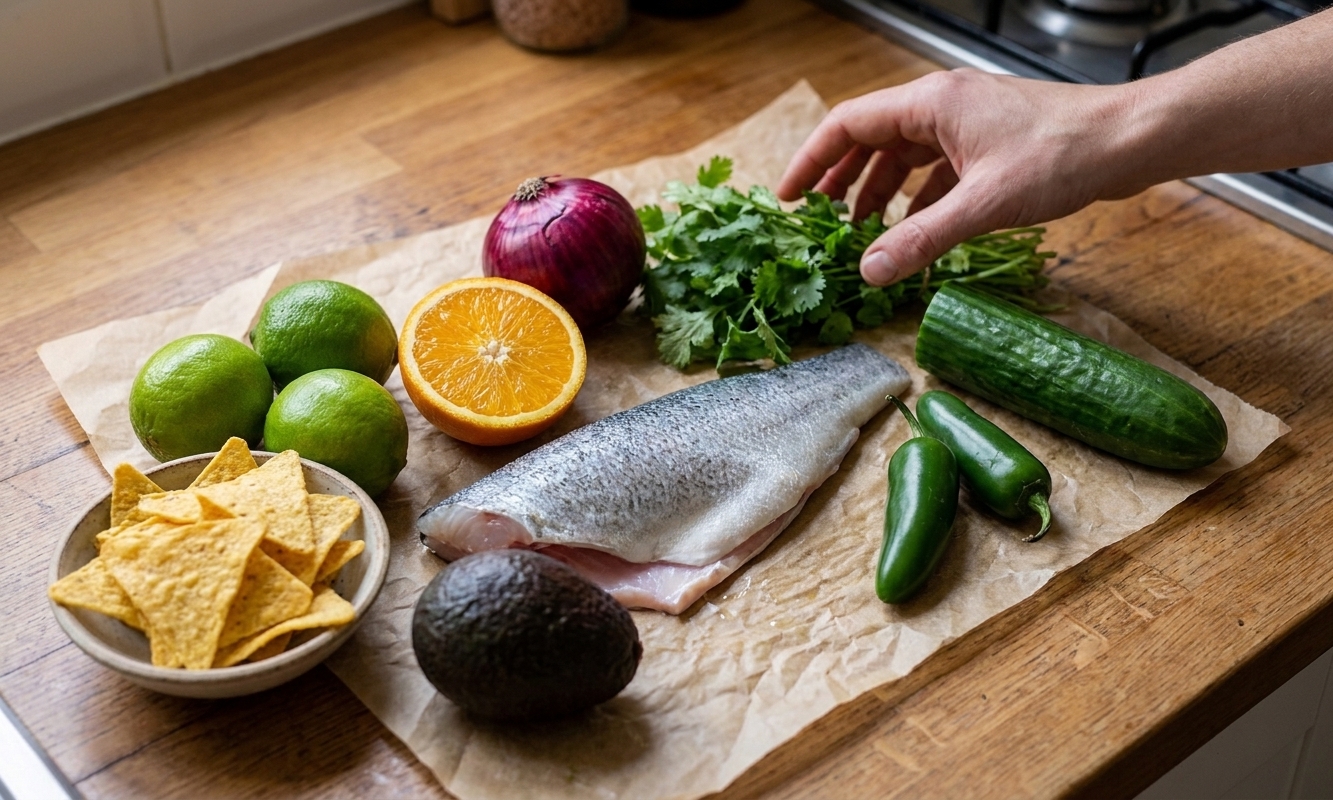
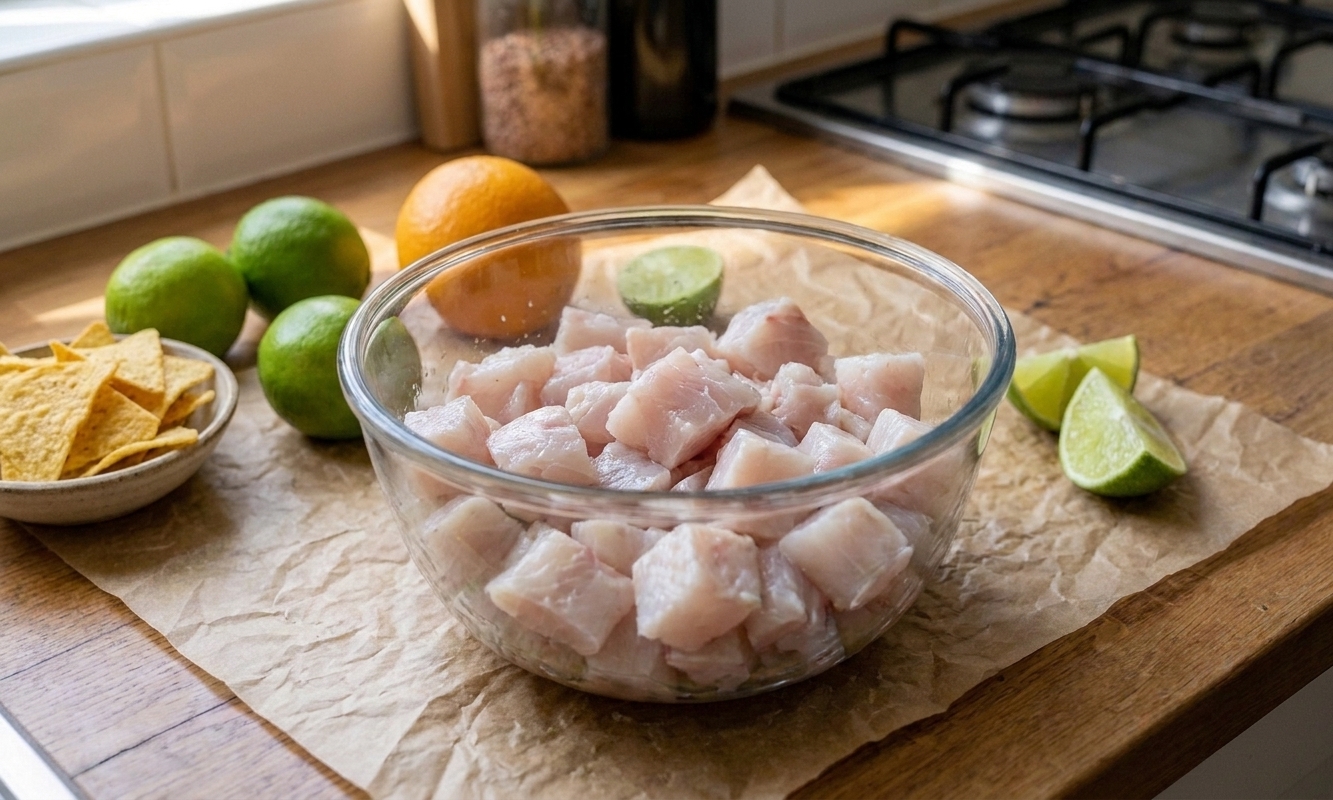
Whole ingredients for sea bass ceviche laid out on a kitchen counter including limes, orange, sea bass fillet, red onion, cilantro, cucumber, jalapeño, avocado, and tortilla chips

Why It Works

  • Bright, balanced flavor: a mix of lime and orange brings pop without turning the fish harsh and sour.
  • Tender, not mushy: check-at-15 timing plus a clear visual cue keeps the sea bass silky.
  • Crunch and cream in every bite: cucumber and onion for snap, avocado added at the end so it stays pretty.
  • Make-ahead friendly: prep the citrus, chop the veg, and marinate the fish right before serving for peak texture.

Pairs Well With

Storage Tips

Ceviche is at its best the day you make it, but you can store leftovers if you are realistic about texture and careful about temperature.

How to store

  • Refrigerate in an airtight container as soon as possible and keep it at 40°F/4°C or colder.
  • Do not let it sit out more than 2 hours total (1 hour if it is hot out).
  • If you know you will have leftovers, store avocado separately and add it to each serving.

How long it lasts

  • Best within 24 hours.
  • If it was kept very cold the whole time, it may be okay up to 48 hours, but the fish will firm up and the onion will mellow a lot. When in doubt, toss it.

Do not freeze

Freezing makes the texture watery and chalky once thawed. Ceviche is a fresh food, not a freezer project.

Common Questions

Is ceviche actually “cooked”?

Sort of. Citrus juice changes the fish proteins (denatures them), turning the flesh opaque and firmer like cooking does. It does not work the same way as heat for food safety, so start with very fresh, properly handled fish from a source you trust.

How long should sea bass ceviche marinate?

For 1/2-inch cubes, aim for 15 to 25 minutes for tender ceviche that is opaque on the outside but still juicy. Timing varies with fish temperature, cube size, and how acidic your citrus is, so start checking at 15 minutes. The best test is visual plus texture: the outside should look opaque and the fish should feel slightly firm, not rubbery.

Can I use frozen sea bass?

Yes, and in many cases it is a smart choice. Use fish that was previously frozen for parasite control (per FDA or your local guidance) or fish labeled for raw consumption from a reputable source. Thaw it in the refrigerator, then pat it very dry before cubing. Extra water dilutes your citrus and your seasoning.

What if my ceviche tastes too sour?

Add a pinch more salt first. If it still feels sharp, stir in a little more orange juice, plus diced avocado. A tiny drizzle of olive oil also rounds the edges.

What should I serve with sea bass ceviche?

Tortilla chips are the classic. It is also great on tostadas, with sliced cucumbers, or spooned over warm rice with extra lime and herbs.

Is sea bass safe for ceviche?

Use very fresh sea bass from a reputable fishmonger, keep it cold, and follow standard raw-fish safety guidance. “Sushi grade” is not a regulated term in many places, so do not rely on that label alone. If you are serving kids, pregnant guests, elderly guests, or anyone immunocompromised, consider serving a cooked seafood alternative instead.

What kind of “sea bass” should I buy?

“Sea bass” can mean different fish at the counter. If you can, ask for the specific species. Branzino (European sea bass) is a great choice here: mild, firm, and clean-tasting. “Chilean sea bass” (Patagonian toothfish) is richer and flakes differently, so the texture can be softer in ceviche. When in doubt, choose a firm, very fresh white fish and keep the cubes consistent.

The first time I made ceviche at home, I stared into the bowl like it was going to reveal a secret. Like, how is this not a scam? You put raw fish in lime juice, you wait, and suddenly it tastes like something you would pay too much for on a patio near the water.

Now it is my go-to when I want a meal that feels special without turning my kitchen into a disaster zone. I keep the vibe casual: chop everything, taste aggressively, adjust the salt, and serve it with chips so nobody has to be polite about it.

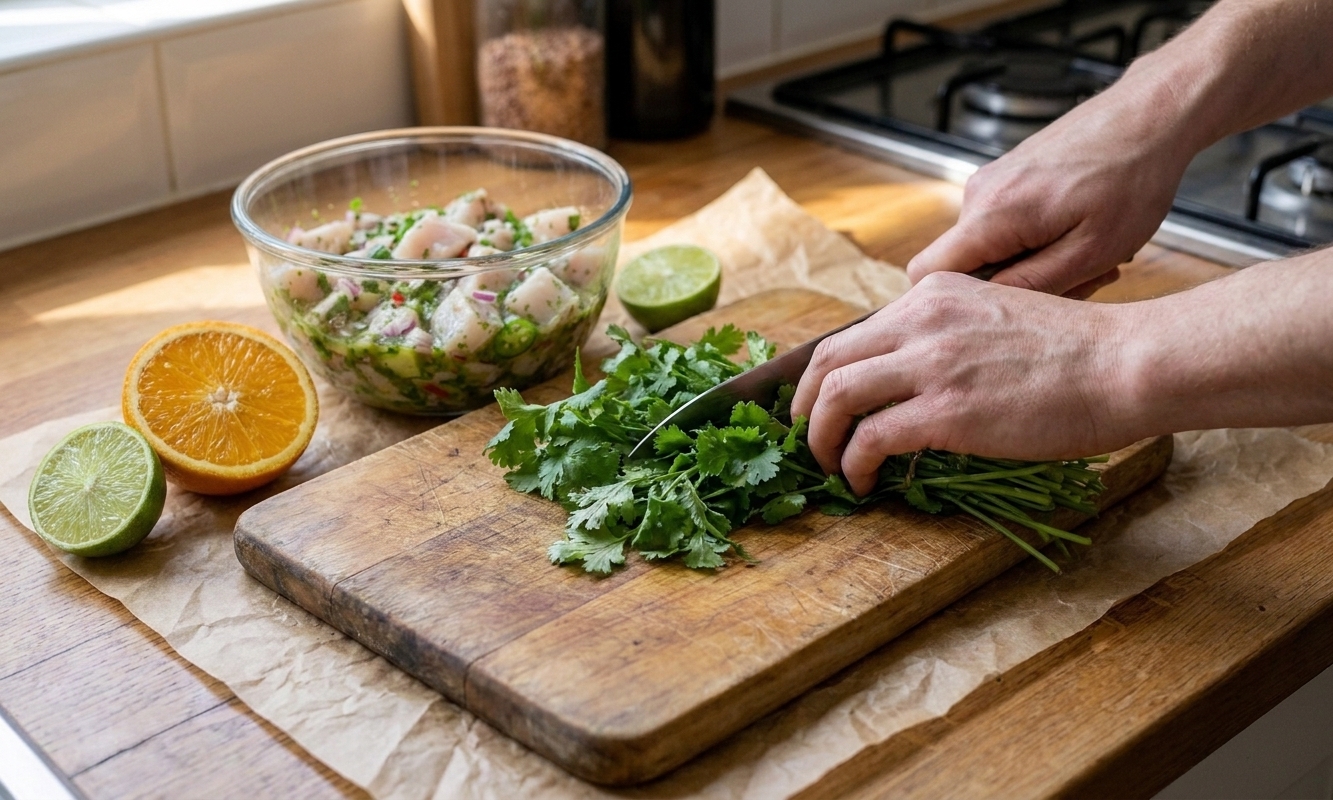
A cook's hands chopping fresh cilantro on a wooden cutting board beside a bowl of citrus juice and diced sea bass in warm kitchen lighting