Mom's Best Recipes
Recipe

Sea Fruits Pasta with Lemon Garlic Butter

A bright, buttery seafood pasta with lemon, garlic, and a crunchy breadcrumb finish.

Author By Matt Campbell
4.8
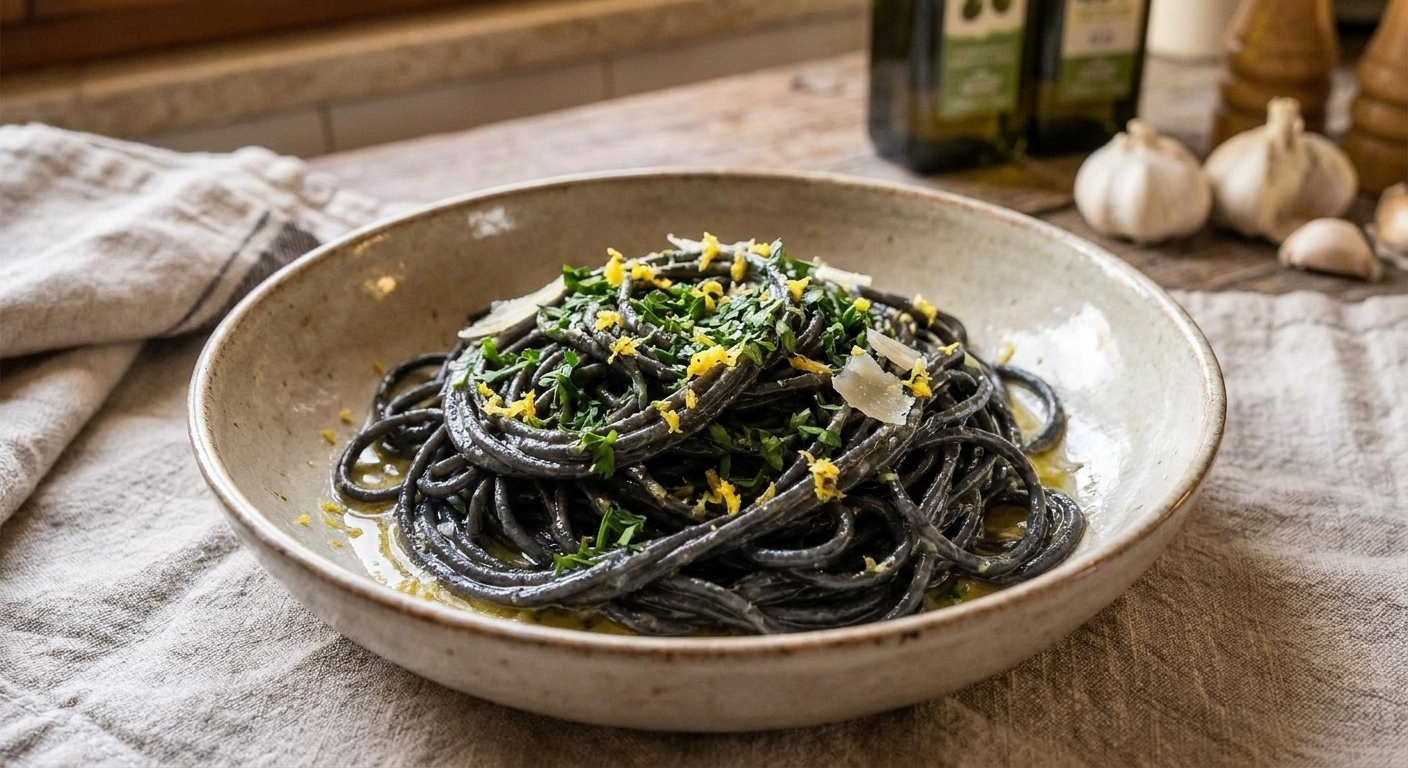
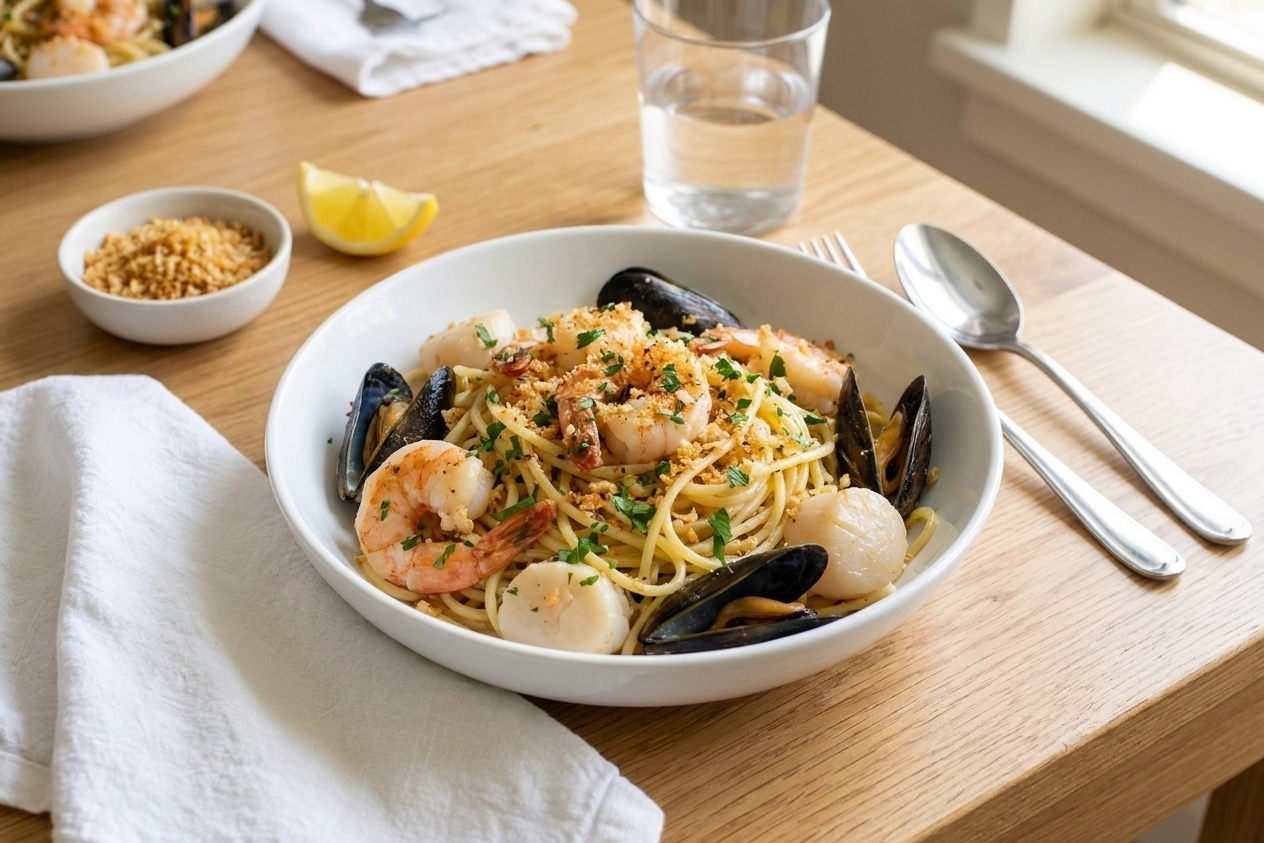
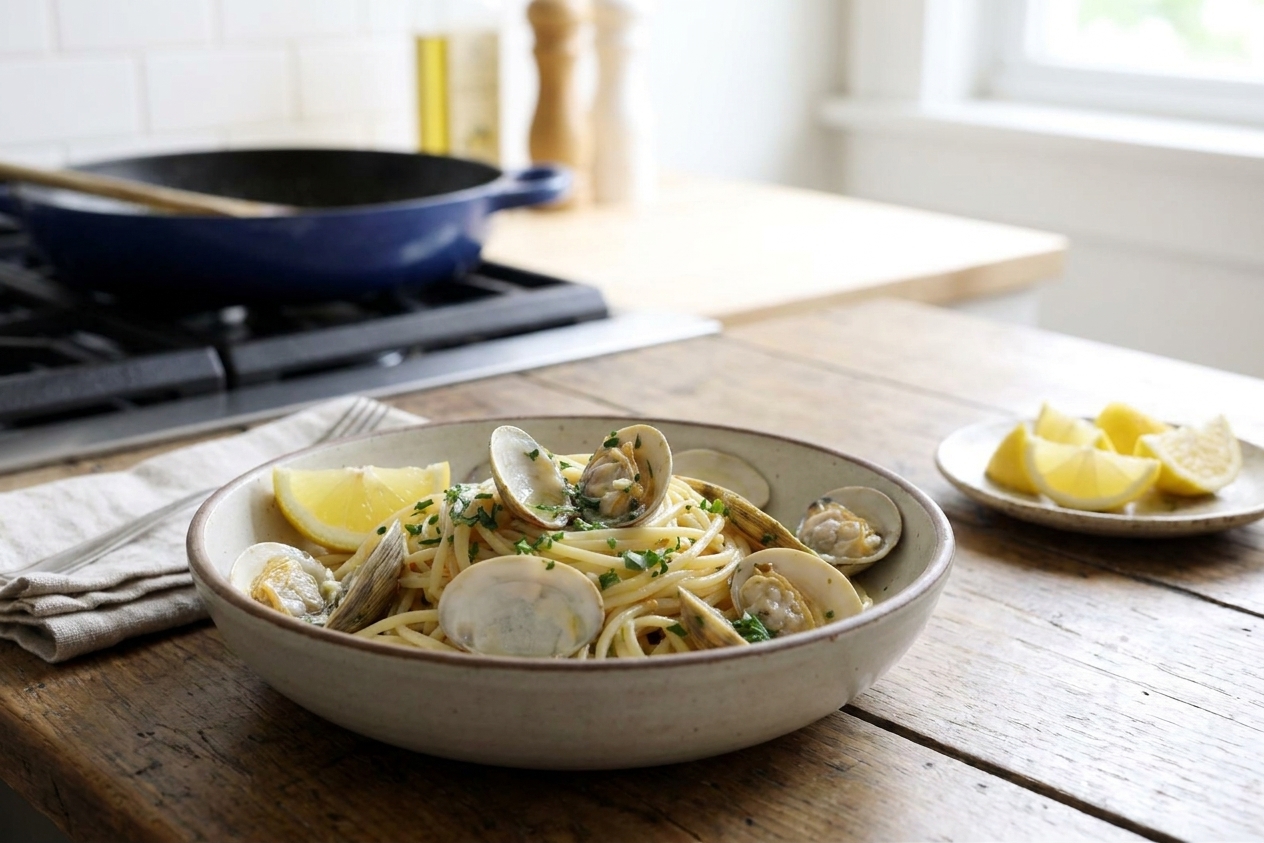
A shallow bowl of spaghetti tossed with mixed seafood in a glossy lemon garlic butter sauce, topped with chopped parsley and toasted breadcrumbs on a warm kitchen table

Let’s talk about sea fruits. If that phrase makes you blink twice, you are not alone. It’s a playful, internet-y nickname some folks use for seafood, especially a mixed shellfish moment like shrimp, scallops, mussels, and calamari. Call it seafood, call it sea fruits, just promise me you’ll cook it like it’s the good stuff.

This recipe is my favorite kind of chaos: quick pan, hot pasta, lemony butter sauce that smells like you should be charging admission, and crisp breadcrumbs for that “wait, what is that crunch?” moment. It’s bright, cozy, and forgiving, as long as you do one thing: do not overcook the sea fruits. We are going for tender and juicy, not rubber bands.
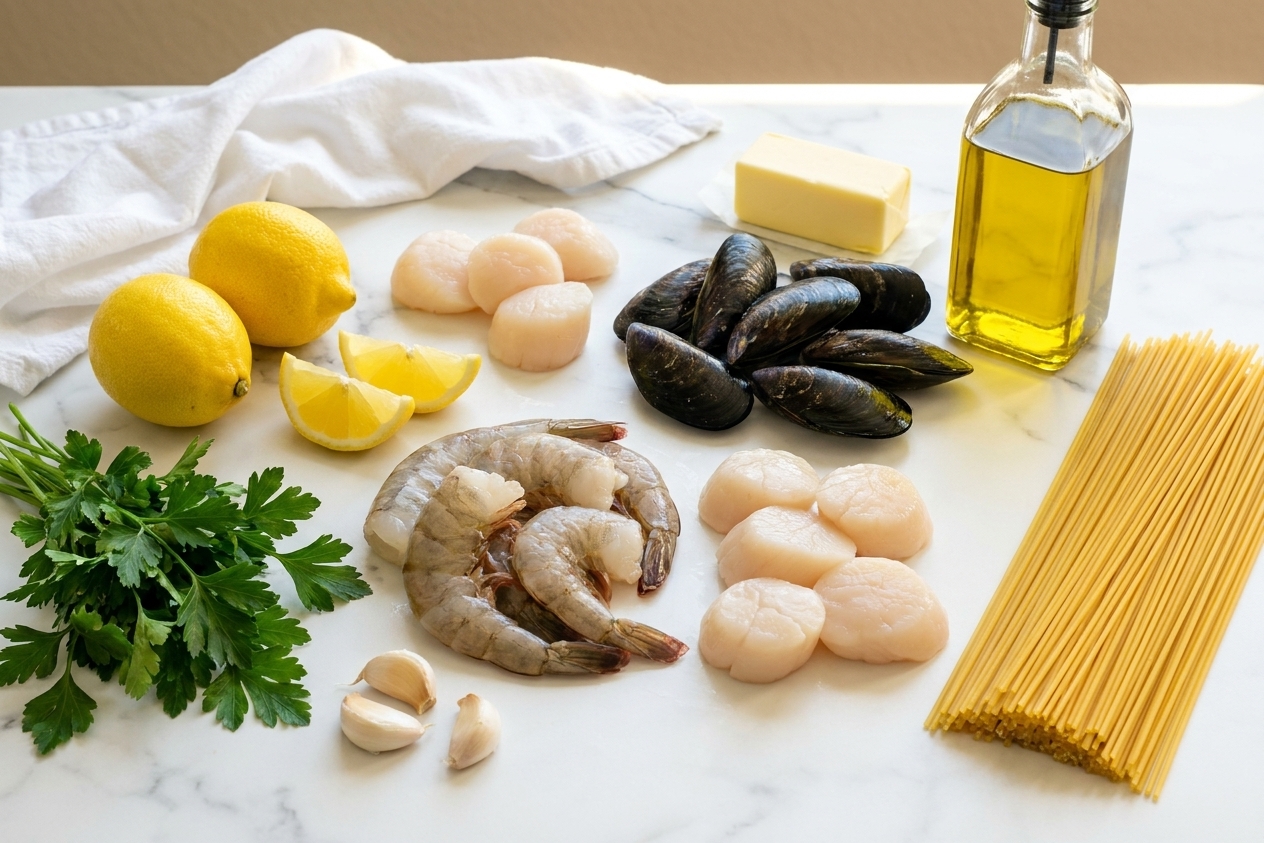
Raw shrimp, scallops, mussels, lemon, garlic, parsley, butter, olive oil, and dry spaghetti arranged on a clean kitchen counter under warm natural light

Why It Works

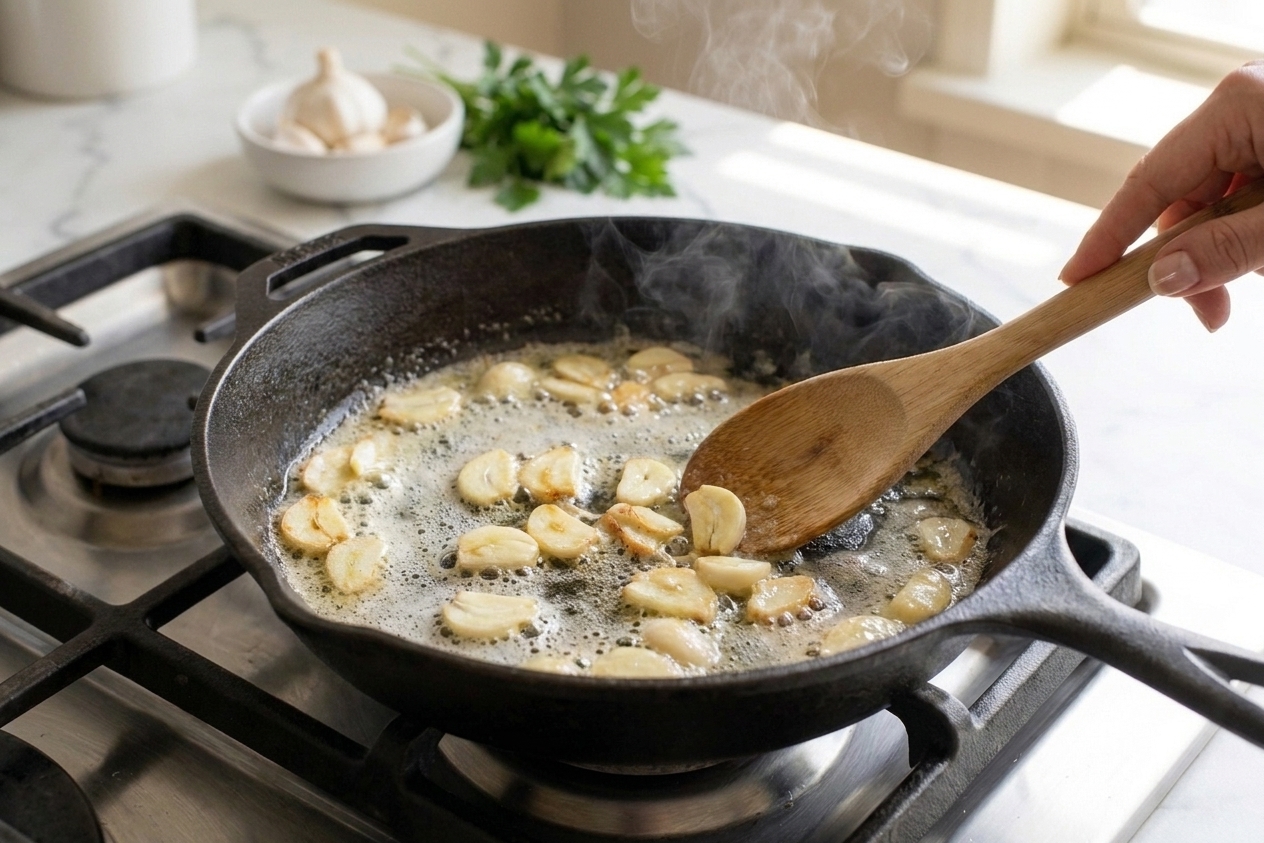
  • Fast flavor build: Garlic blooms in butter and olive oil, then lemon and pasta water turn it into a silky sauce.
  • Perfect texture: Seafood cooks in minutes when you add it in the right order, so everything stays tender and delicate.
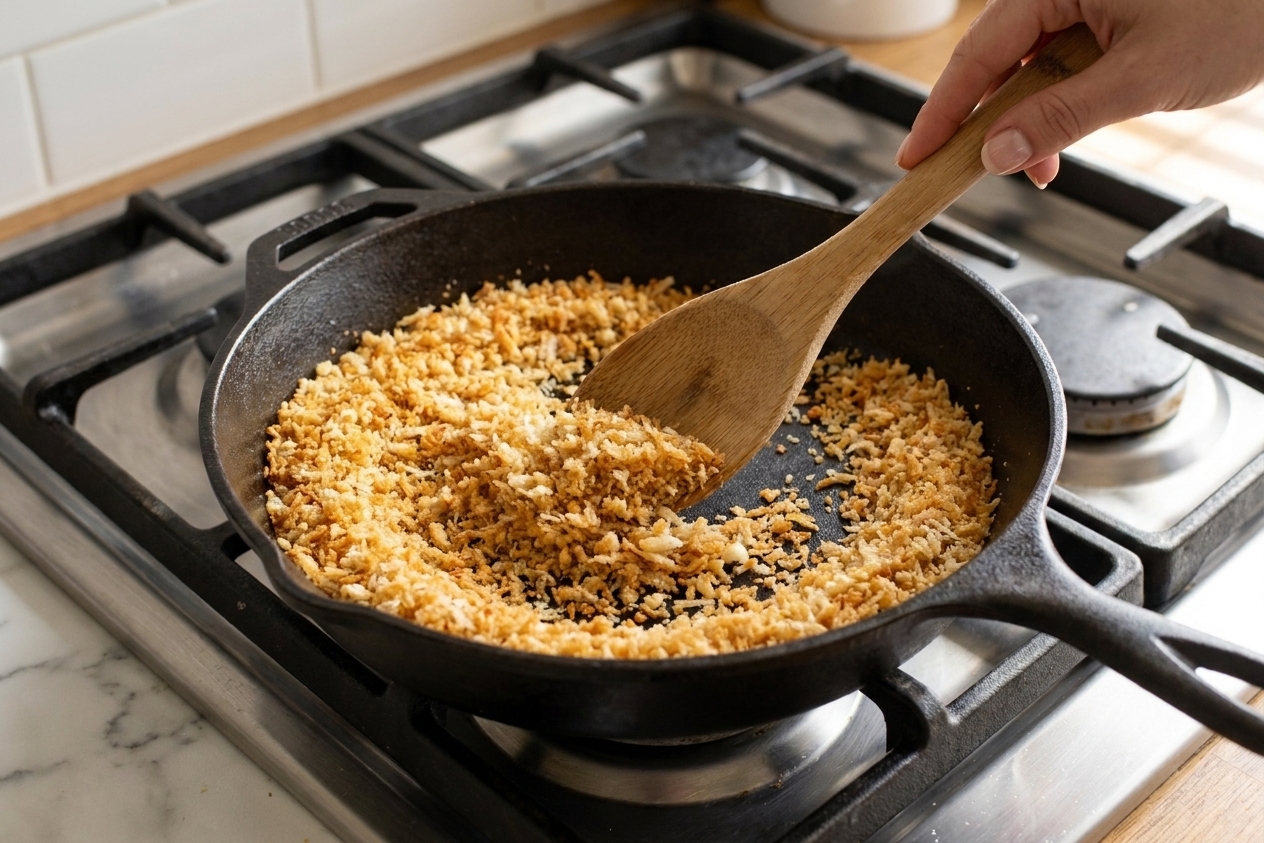
  • Restaurant energy at home: Toasted breadcrumbs add crunch and a nutty finish without needing fancy ingredients.
  • Flexible: Use what you can find, frozen or fresh, as long as it is properly thawed and dried.

Pairs Well With

Storage Tips

Seafood is best the day you make it, but leftovers can still be good if you treat them gently.

Refrigerator

  • Store in an airtight container for up to 2 days.
  • If you can, store breadcrumbs separately so they stay crisp.

Reheating (best method)

  • Warm a skillet over low heat with a splash of water or broth and a tiny knob of butter.
  • Add pasta and stir just until heated through. Pull it early. Overheating makes seafood tough.

Freezing

I do not recommend freezing the finished dish. Pasta texture suffers and seafood can turn chewy. If you want to prep ahead, freeze the raw mixed sea fruits and make the sauce fresh.

Common Questions

What does “sea fruits” mean?

It’s a playful, slangy way some people refer to seafood, especially a mixed seafood situation (shrimp, scallops, calamari, mussels). It is not a formal culinary term everywhere, so if you have never heard it before, you are in good company.

Can I use frozen sea fruits?

Yes, and it is a great budget move. Thaw overnight in the fridge, then pat very dry with paper towels so you sear instead of steam.

How do I know when shrimp and scallops are done?

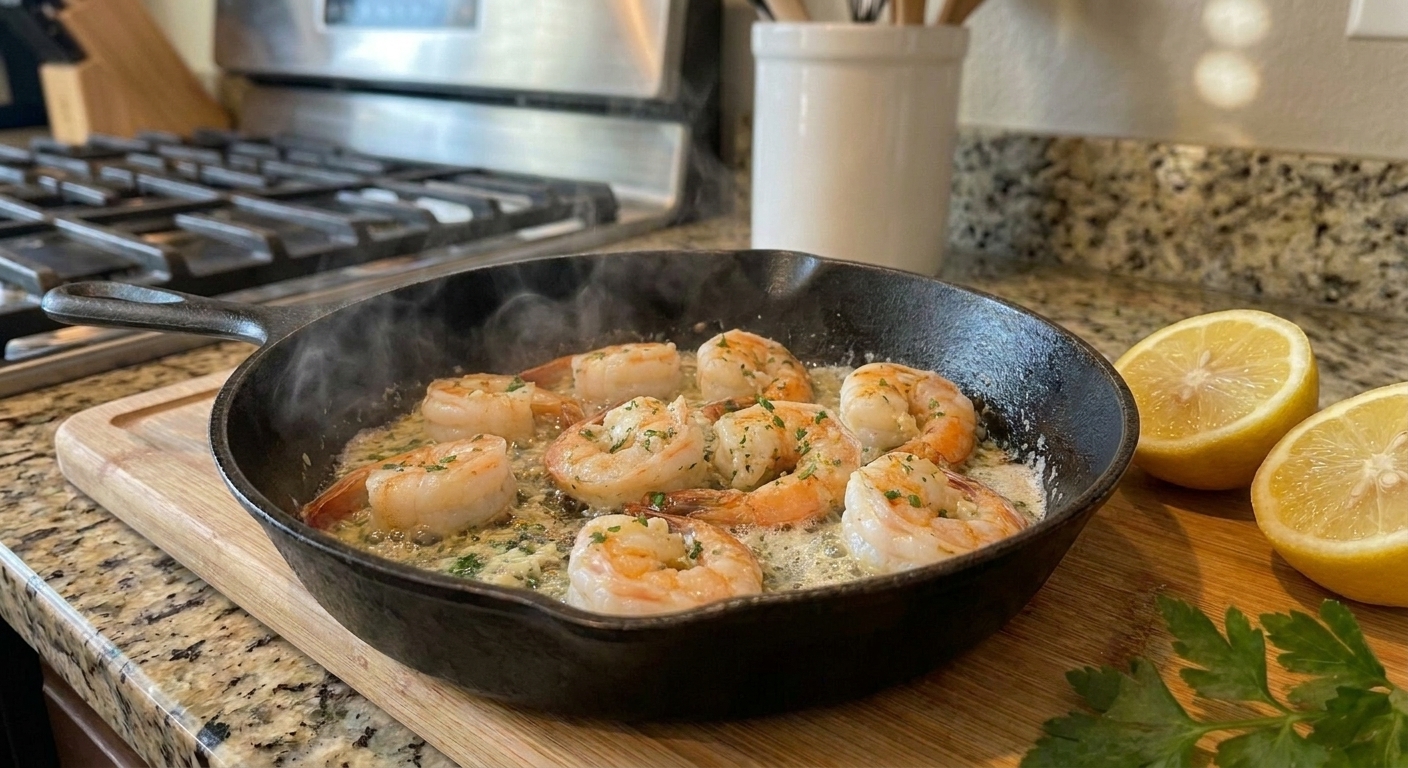
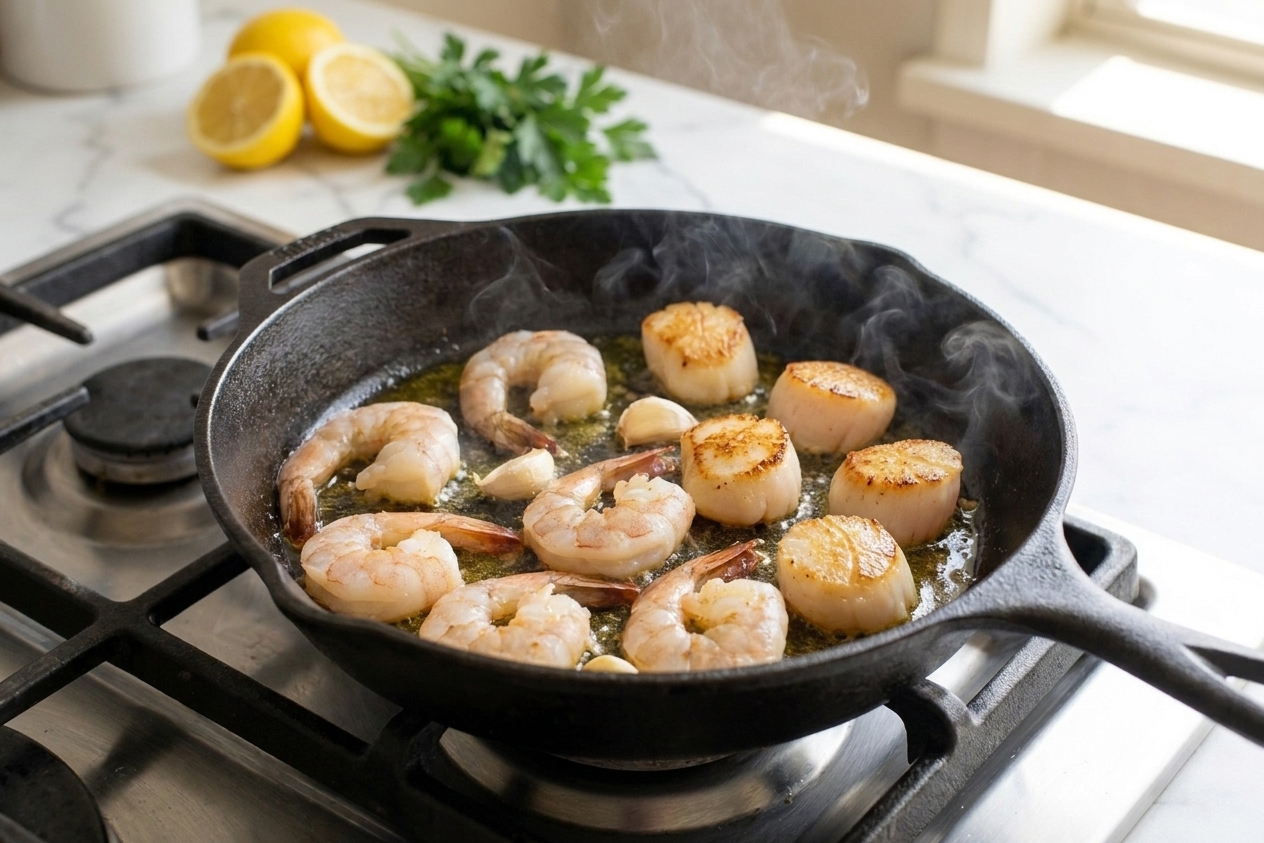
  • Shrimp: pink and just curled into a C shape, usually 2 to 3 minutes total depending on size.
  • Scallops: deeply browned on one side, then just opaque at the center and barely firm. For medium to large scallops, plan on about 1 to 2 minutes per side in a hot pan.

What if my sauce looks greasy or “broken”?

Turn off the heat and add 1 to 3 tablespoons of hot pasta water, stirring quickly. The starch helps the butter emulsify back into a glossy sauce.

Can I make this without wine?

Absolutely. Swap the wine for seafood stock, chicken stock, or more pasta water plus a tiny extra squeeze of lemon for brightness.

Are mussels safe if some stay closed?

If you are using fresh mussels: discard any that are cracked or won’t close when tapped before cooking. After cooking, give stubborn ones a quick extra minute with the lid on. If they still do not open, discard them.

I used to think seafood dinners required a special occasion and a level of kitchen calm I simply do not possess. Then I started cooking it the same way I handle weeknight pasta: hot pan, strong flavors, and a promise to myself that I will taste as I go. The first time I made a lemon-butter seafood pasta that actually tasted like something you’d order out, I realized the trick was not “chef magic.” It was timing, a little pasta water, and the confidence to stop cooking before you think it’s done. Seafood finishes itself if you let it.